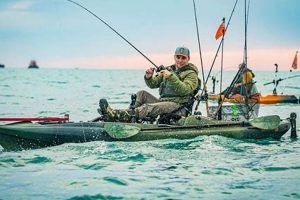
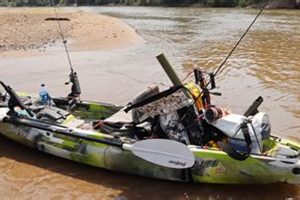
The safety of fishing from a kayak depends on a variety of factors, creating a spectrum of risk. Calm, sheltered waters on a clear day present minimal hazards for experienced paddlers. Conversely, venturing into open ocean, rough conditions, or areas with strong currents or abundant aquatic life significantly elevates the potential for accidents. A paddler’s skill level, equipment choices, and awareness of environmental conditions play crucial roles in determining the overall safety of the activity.
Understanding the potential risks associated with this increasingly popular sport allows individuals to make informed decisions and take appropriate precautions. A comprehensive assessment of potential dangers, including weather forecasts, water conditions, and personal preparedness, can significantly mitigate hazards. Historically, small watercraft have been utilized for fishing, but the modern sport of kayak fishing presents unique considerations due to the smaller size and lower profile of the vessels involved. Analyzing these factors contributes to a safer and more enjoyable experience for participants.
The following sections will explore specific safety considerations related to equipment, paddling techniques, environmental awareness, and emergency preparedness for kayak anglers.
Safety Tips for Kayak Fishing
Minimizing risks associated with kayak fishing requires careful planning and adherence to safety guidelines. The following tips offer crucial information for anglers of all skill levels.
Tip 1: Check Weather Forecasts and Water Conditions: Prior to embarking on any kayak fishing trip, thoroughly research weather forecasts, paying close attention to wind speed, wave height, and potential storms. Consult local tide charts and be aware of currents and potential hazards like submerged rocks or debris.
Tip 2: Wear a Personal Flotation Device (PFD): A PFD should be worn at all times while on the water, regardless of perceived swimming ability. Ensure the PFD is properly fitted and in good condition.
Tip 3: Carry Essential Safety Equipment: A whistle, signaling mirror, waterproof flashlight, first-aid kit, and communication device (e.g., VHF radio or waterproof cell phone) are crucial safety items. A paddle leash prevents loss of the paddle in case of a capsize.
Tip 4: Dress Appropriately for the Conditions: Consider water temperature and weather conditions when selecting clothing. Dress in layers and choose quick-drying fabrics. Brightly colored clothing increases visibility.
Tip 5: Inform Someone of Your Plans: Always tell someone where you are going, when you expect to return, and who to contact if you are overdue. Provide detailed information about your planned route and fishing location.
Tip 6: Practice Self-Rescue Techniques: Knowing how to re-enter a kayak after a capsize is essential. Practice these techniques in a controlled environment before venturing into open water.
Tip 7: Be Aware of Wildlife and Other Vessels: Maintain a safe distance from other boats and be mindful of potential interactions with wildlife. Avoid approaching or disturbing marine animals.
Tip 8: Avoid Overloading Your Kayak: Respect the weight capacity of the kayak and distribute weight evenly. Overloading can compromise stability and increase the risk of capsizing.
Adherence to these guidelines significantly enhances safety and promotes responsible enjoyment of kayak fishing.
By prioritizing safety and preparedness, anglers can focus on the rewarding aspects of this sport while minimizing potential dangers.
1. Environmental Conditions

Environmental conditions play a critical role in kayak fishing safety. Unfavorable or rapidly changing conditions significantly increase the risks associated with this activity. Understanding and monitoring these factors is crucial for mitigating potential hazards.
- Wind and Waves:
Strong winds can create challenging paddling conditions, especially for less experienced kayakers. Waves can capsize kayaks or make it difficult to maintain control. Offshore winds are particularly dangerous as they can quickly carry a kayaker far from shore. Checking wind forecasts and understanding local wind patterns is essential before embarking on a fishing trip. Strong winds coupled with waves present a heightened risk of capsize.
- Water Temperature and Hypothermia:
Cold water immersion can lead to hypothermia, a life-threatening condition. Even in seemingly mild temperatures, prolonged exposure can be dangerous. Wearing appropriate clothing, including a wetsuit or drysuit in colder conditions, is crucial. Understanding the effects of cold water shock and knowing how to self-rescue in case of capsize are also essential safety measures. Cold water significantly increases the dangers if a capsize occurs.
- Currents and Tides:
Strong currents can make paddling difficult and quickly exhaust a kayaker. Tidal changes can create unexpected currents and expose submerged hazards. Understanding local tidal patterns and currents is vital for safe navigation. Consulting current charts and planning routes accordingly are essential steps for a safe trip. Strong tidal flows can pose significant challenges to kayak anglers.
- Visibility:
Fog, rain, or darkness can significantly reduce visibility, making it difficult to navigate and increasing the risk of collisions with other vessels or obstacles. Carrying appropriate lighting and signaling devices, and exercising extra caution in low visibility conditions, are crucial safety precautions. Reduced visibility also makes it harder to be spotted by others in case of an emergency. Fog or darkness significantly impair the ability to spot hazards or other boats.
Careful consideration of these environmental factors, combined with appropriate planning and preparation, can significantly reduce the risks associated with kayak fishing. Neglecting these elements can transform a recreational activity into a hazardous situation.
2. Kayak Stability
Kayak stability plays a pivotal role in the overall safety of kayak fishing. A stable kayak provides a secure platform for casting, reeling, and landing fish, while an unstable kayak significantly increases the risk of capsize, especially when combined with other factors like rough water or unexpected movements. The inherent stability of a kayak is influenced by its hull design, width, and length. Wider kayaks generally offer greater initial stability, making them less prone to tipping over with sudden movements. Longer kayaks tend to track better in a straight line, but can be less maneuverable. Understanding the relationship between kayak stability and the risk of capsizing is fundamental to safe kayak fishing.
Consider a scenario where an angler hooks a large fish. The sudden pull and the angler’s instinctive reactions can shift the kayak’s center of gravity. A stable kayak will absorb these movements, allowing the angler to maintain balance and control. Conversely, an unstable kayak might tip, potentially resulting in capsize and immersion. Similarly, navigating through choppy water or encountering unexpected wakes from passing boats requires a stable platform to minimize the risk of capsizing. Choosing a kayak with appropriate stability characteristics for the intended fishing environment and angler experience level is crucial. For example, a wider, more stable kayak is generally recommended for beginners or those fishing in rough conditions, while a narrower, more agile kayak might be suitable for experienced anglers in calm waters.
A clear understanding of kayak stability characteristics contributes significantly to mitigating the risks associated with kayak fishing. Evaluating stability factors alongside environmental conditions and angler experience allows for informed decisions about kayak selection and trip planning. This knowledge empowers anglers to choose appropriate vessels, employ safe fishing practices, and react effectively to unexpected situations, ultimately enhancing overall safety on the water. Neglecting the importance of kayak stability can lead to hazardous situations and compromise the enjoyment of this popular sport.
3. Personal Preparedness
Personal preparedness significantly influences the level of danger associated with kayak fishing. A lack of preparedness amplifies risks inherent in the activity, while thorough preparation mitigates potential hazards. This connection stems from the nature of kayak fishing, which often takes place in remote locations with limited access to immediate assistance. Should an unexpected event occur, an angler’s ability to respond effectively often depends entirely on their level of preparedness.
Consider a scenario where a kayak capsizes unexpectedly due to a sudden squall. An angler equipped with a personal flotation device (PFD), a signaling device like a whistle or mirror, and knowledge of self-rescue techniques has a significantly higher chance of survival and a faster rescue. Conversely, an angler lacking these essential elements faces a far more precarious situation. Similarly, possessing a basic first-aid kit and the knowledge to treat minor injuries can prevent a minor incident from escalating into a serious medical concern, especially in remote areas. Another crucial aspect of preparedness is informing someone on shore of the planned fishing route and expected return time. This seemingly simple step can be life-saving should an angler become stranded or require assistance.
The practical significance of personal preparedness in kayak fishing extends beyond immediate safety concerns. Carrying sufficient drinking water and high-energy snacks helps prevent dehydration and maintain energy levels, especially during long fishing trips. A reliable means of communication, such as a VHF radio or a waterproofed cell phone, allows for contacting emergency services or notifying others of changes in plans. Carrying navigation tools, including charts, a compass, and a GPS device, contributes to maintaining situational awareness and preventing disorientation, particularly in unfamiliar waters or adverse weather conditions. These preparations transform potential emergencies into manageable situations, underscoring the direct link between personal preparedness and minimizing the dangers inherent in kayak fishing.
4. Wildlife Encounters
Wildlife encounters represent a significant factor in assessing the potential dangers of kayak fishing. While interactions with wildlife can enrich the experience, they can also present hazards. The relatively small size and low profile of a kayak place anglers in closer proximity to aquatic and terrestrial animals, increasing the likelihood of encounters and highlighting the importance of understanding potential risks and appropriate responses.
- Large Aquatic Animals:
Encounters with large aquatic animals, such as sharks, seals, or alligators (depending on the fishing location), can pose significant risks. While attacks are rare, they can occur, particularly when animals feel threatened or territorial. Understanding the local fauna and recognizing signs of agitation or aggression are crucial. Maintaining a safe distance and avoiding actions that might provoke these animals are essential safety precautions. For example, anglers should avoid areas where animals are known to breed or feed, and should never attempt to feed or interact directly with large aquatic wildlife. A collision with a large animal can also cause capsizing, even without aggressive intent.
- Aggressive or Defensive Behavior:
Even smaller aquatic animals can exhibit aggressive or defensive behaviors, especially when protecting their young or feeling cornered. Fish with sharp spines or teeth can inflict painful injuries if handled improperly. Territorial birds might attack if an angler inadvertently approaches their nests. Awareness of these potential hazards and employing appropriate handling techniques minimizes the risk of injury. Using appropriate fishing gloves and exercising caution when unhooking fish reduces the risk of punctures or bites. Respecting animal boundaries and observing their behavior helps avoid provoking defensive reactions.
- Unexpected Encounters and Capsizing:
Sudden, unexpected encounters with marine life can startle anglers and lead to unintended movements, potentially causing a capsize. A surfacing whale, a leaping fish, or a sudden appearance of a large animal near the kayak can trigger an involuntary reaction that compromises balance. Maintaining situational awareness, avoiding sudden movements, and bracing for unexpected encounters contribute to stability and reduce the risk of capsize in such situations. Practicing balance and bracing techniques can improve the angler’s ability to react safely.
- Entanglement:
Fishing lines and gear can pose entanglement risks for both the angler and marine wildlife. Lines can become tangled around propellers, paddles, or even the angler’s limbs, creating dangerous situations. Similarly, discarded fishing gear can entangle marine animals, causing injury or death. Proper line management, careful disposal of used fishing line, and avoiding areas with high concentrations of marine life help mitigate these risks. Carrying a knife or line cutter readily accessible allows for quick response in case of entanglement.
Understanding and respecting wildlife is paramount for safe and responsible kayak fishing. While encounters can be a rewarding aspect of the experience, awareness of potential dangers and adopting preventative measures are essential for minimizing risks and ensuring both angler and animal safety. Ignoring these considerations elevates the inherent dangers associated with kayak fishing and compromises the well-being of the natural environment.
5. Equipment Failures

Equipment failures contribute significantly to the potential dangers of kayak fishing. The reliance on specialized equipment in a relatively isolated environment amplifies the consequences of such failures. A malfunction can quickly escalate a routine fishing trip into a hazardous situation, underscoring the importance of proper equipment maintenance, pre-trip inspections, and carrying essential backup gear. The link between equipment failures and increased risk stems from the potential for compromised stability, reduced maneuverability, and impaired ability to respond effectively to changing conditions.
Consider a scenario where a paddle breaks mid-stroke in challenging conditions. The sudden loss of propulsion and control can lead to capsizing, especially in rough water or strong currents. Similarly, a rudder failure can impair steering, making it difficult to navigate safely or return to shore. A leak in the kayak’s hull can compromise buoyancy and stability, increasing the risk of swamping or sinking. These examples highlight the direct impact of equipment failures on angler safety. A broken fishing rod might seem less critical, but it can create an entanglement hazard or obstruct access to essential safety gear. Even seemingly minor equipment malfunctions can exacerbate existing risks or create new challenges in an already demanding environment.
Mitigating the risks associated with equipment failures requires a proactive approach. Regular inspections and maintenance of kayaks, paddles, and other essential gear are crucial preventative measures. Checking for wear and tear, ensuring proper function, and addressing any issues before embarking on a fishing trip reduces the likelihood of failures occurring on the water. Carrying spare equipment, such as a backup paddle, a repair kit, and a bilge pump, provides a means of addressing unexpected malfunctions and maintaining control in challenging situations. Understanding the potential consequences of equipment failures and taking appropriate preventative measures reinforces angler safety and preparedness, ultimately reducing the dangers inherent in kayak fishing.
Frequently Asked Questions
This section addresses common concerns and misconceptions regarding the safety of kayak fishing, providing concise and informative answers to frequently posed questions.
Question 1: How often do kayaks capsize while fishing?
Capsizing frequency varies depending on factors like water conditions, kayak stability, and angler experience. Calm waters and experienced paddlers result in fewer incidents, while rough conditions and novice anglers increase the likelihood. Proper safety precautions and training significantly reduce capsize risks.
Question 2: What are the most common causes of accidents in kayak fishing?
Common accident causes include capsizing due to instability or rough water, collisions with other vessels or submerged objects, equipment failures, and unexpected encounters with wildlife. Adverse weather conditions, such as strong winds or sudden storms, also contribute significantly to accidents.
Question 3: Is it safe to kayak fish alone?
While kayak fishing alone offers tranquility, it elevates the risks. Should an accident occur, self-rescue becomes the sole option. Paddling with a companion or informing someone of fishing plans and expected return time is strongly recommended for enhanced safety.
Question 4: What type of kayak is safest for fishing?
Kayak stability significantly influences safety. Wider kayaks generally offer more stability, particularly for beginners or those fishing in rough conditions. Sit-on-top kayaks are often preferred for fishing due to their self-bailing design, which reduces the risk of swamping. Choosing a kayak appropriate for the intended fishing environment and angler skill level is crucial.
Question 5: What essential safety gear should every kayak angler carry?
Essential safety equipment includes a properly fitted personal flotation device (PFD), a whistle, a signaling mirror, a waterproof flashlight, a first-aid kit, a communication device (VHF radio or waterproof cell phone), and a paddle leash. A knife or line cutter is also recommended for addressing entanglement hazards.
Question 6: How can anglers minimize the risks associated with kayak fishing?
Risk mitigation involves careful planning, thorough preparation, and adherence to safety guidelines. Checking weather forecasts, understanding water conditions, informing someone of fishing plans, wearing a PFD, carrying essential safety gear, and practicing self-rescue techniques significantly enhance safety.
Prioritizing safety and preparedness transforms kayak fishing into a rewarding experience while minimizing potential dangers. Continuous learning and adaptation to specific environments further enhance safety on the water.
The next section will delve into advanced techniques for kayak fishing, building upon the foundational safety principles outlined above.
Is Kayak Fishing Dangerous? A Conclusion
The inherent risks associated with kayak fishing depend significantly on a complex interplay of environmental conditions, angler preparedness, equipment reliability, and potential wildlife interactions. Calm waters, coupled with a skilled angler employing appropriate safety measures, minimize potential dangers. Conversely, challenging conditions, inadequate preparation, or equipment malfunctions significantly elevate risks. Understanding these factors and their potential impact allows for informed decision-making and promotes a culture of safety within the sport.
Ultimately, the safety of kayak fishing rests upon the individual angler’s commitment to responsible practices. Continuous learning, adaptation to specific environments, and a proactive approach to risk mitigation transform potential hazards into manageable challenges. Prioritizing safety not only protects individual well-being but also contributes to the sustainable enjoyment of this increasingly popular sport.