The cost of these specialized watercraft reflects factors such as the specific model, included features, materials used in construction, and the retailer. For example, a basic model will typically be less expensive than one equipped with advanced features like a pedal-driven propulsion system or built-in electronics. Understanding these contributing elements allows for informed purchasing decisions.
Acquiring this knowledge is crucial for prospective buyers. It empowers consumers to compare various models, evaluate available options, and ultimately select the vessel that best aligns with individual needs and budgetary constraints. This research also allows buyers to recognize fair market value, potentially avoiding overspending. Historically, manufacturers have continued to innovate, introducing new technologies and designs that impact the overall cost, making informed research an ongoing necessity.
The following sections delve into the specific factors influencing the cost of these kayaks, including a detailed examination of popular models and their features, providing readers with a comprehensive guide to making informed purchase decisions.
Tips for Evaluating Kayak Costs
Navigating the market requires careful consideration of various factors. These tips offer guidance for assessing value and making informed purchasing decisions.
Tip 1: Research Different Models: Explore the range of available models, comparing features and specifications. Note differences in hull design, length, and weight capacity as these impact performance and price.
Tip 2: Consider Propulsion Systems: Evaluate the various propulsion options, from paddle to pedal-drive and even motor-driven systems. Each offers distinct advantages and affects the overall cost.
Tip 3: Assess Included Features: Examine standard features such as seating, storage compartments, and rod holders. Upgraded features often contribute to a higher price point.
Tip 4: Factor in Accessories: Account for the potential cost of essential accessories, including paddles, life vests, and fish finders, which can significantly add to the overall investment.
Tip 5: Compare Retailer Pricing: Research pricing across multiple retailers, both online and brick-and-mortar stores, to identify competitive offers and potential discounts.
Tip 6: Consider Used Options: Explore the used kayak market for potential cost savings. Carefully inspect any used kayak for signs of wear or damage before purchasing.
Tip 7: Evaluate Warranty and Support: Review the manufacturer’s warranty and available customer support. A comprehensive warranty can provide peace of mind and protect against unforeseen issues.
By considering these factors, prospective buyers can gain a comprehensive understanding of the market and make informed decisions aligned with individual needs and budgets.
The concluding section summarizes key findings and offers final recommendations for selecting the optimal kayak.
1. Model

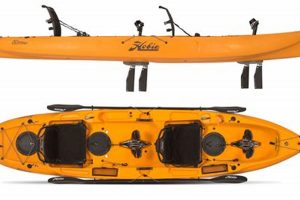
Model designation significantly influences the cost of a Hobie fishing kayak. Different models cater to various needs and preferences, impacting features, materials, and ultimately, price. For instance, the Hobie Mirage Pro Angler, known for its stability and advanced features, commands a higher price than the Hobie Mirage Passport, designed for simplicity and affordability. This difference reflects variations in hull design, included features, and target user. Understanding model distinctions allows for informed cost comparisons and selection based on individual requirements.
Examining specific examples further illustrates this connection. The Hobie Mirage Outback, a popular mid-range model, offers a balance of features and performance at a moderate price point. In contrast, the Hobie Mirage Revolution, designed for speed and efficiency, typically comes at a premium due to its streamlined design and advanced MirageDrive system. Furthermore, limited edition or specialized models, often incorporating premium materials or unique features, can command even higher prices. These examples demonstrate the direct correlation between model choice and associated cost.
Recognizing the impact of model selection on price is crucial for effective budgeting and informed purchasing decisions. Researching various models, comparing features, and understanding target applications allows prospective buyers to select the kayak that best aligns with individual needs and financial constraints. This awareness empowers consumers to navigate the market effectively, optimizing value and avoiding unnecessary expenditure.
2. Features

Features play a crucial role in determining the final cost of a Hobie fishing kayak. These features range from basic necessities to advanced technological integrations, each contributing incrementally to the overall price. Understanding the impact of individual features empowers consumers to make informed decisions aligned with their needs and budget.
- Seating System
Comfort and adjustability are key considerations. Basic models often include molded-in seats, while higher-end models offer adjustable Vantage seats with lumbar support and enhanced breathability. These upgrades, designed for extended fishing trips, come at a premium, reflecting the improved ergonomics and durability.
- Storage Capacity
Storage solutions directly impact functionality and price. Larger storage wells, specialized compartments for tackle boxes, and integrated bungee systems add convenience and organization but also contribute to the overall cost. Models designed for serious anglers, featuring ample storage for gear and accessories, typically command a higher price compared to models with basic storage options.
- Drive Systems
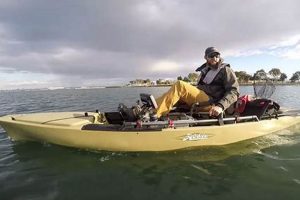
The propulsion system significantly influences both performance and price. Traditional paddle kayaks represent the entry-level option, while pedal-driven MirageDrive systems and even motor-driven options come at a premium. The MirageDrive, known for its hands-free fishing advantage, adds considerable cost due to its engineering and complexity. Similarly, integrating a motor further increases the price, reflecting the added power and convenience.
- Technology Integration
Built-in features like fish finders, GPS systems, and transducer mounts contribute to the overall price. These technological integrations enhance the fishing experience but also represent a significant investment. Models equipped with advanced electronics and integrated systems command a higher price reflecting the added functionality and convenience these features offer.
Considering these features collectively provides a comprehensive understanding of how they impact the final price of a Hobie fishing kayak. Analyzing the interplay of seating, storage, drive systems, and technology allows prospective buyers to prioritize features, balancing desired functionality with budgetary constraints. This holistic approach empowers informed decision-making, ensuring the chosen kayak aligns perfectly with individual needs and preferences.
3. Condition (New/Used)

Condition significantly influences the price of a Hobie fishing kayak. Evaluating whether to purchase a new or used kayak requires careful consideration of budget, desired features, and acceptable levels of wear and tear. This assessment directly impacts the overall investment and long-term value.
- New Kayaks
New kayaks offer the advantage of pristine condition, full manufacturer warranties, and the latest features. Purchasing new provides peace of mind knowing the kayak has no prior damage or hidden issues. However, this comes at a premium price, often representing the highest point of investment. New models also offer the widest selection of available features, colors, and configurations, allowing for complete customization.
- Used Kayaks
Used kayaks offer significant potential cost savings compared to new models. This allows buyers to access higher-end features or models within a tighter budget. However, purchasing used requires thorough inspection for potential damage, wear, or repairs. Factors such as hull integrity, condition of the drive system, and wear on seating should be carefully assessed. Used kayaks may also come with limited or no warranty, placing greater responsibility on the buyer for repairs and maintenance.
- Factors Affecting Used Kayak Pricing
Several factors contribute to the price variation within the used kayak market. Age plays a significant role, with newer models typically commanding higher prices. Usage, including frequency and type of water conditions, also influences value. Modifications and upgrades, such as aftermarket accessories or improved drive systems, can either increase or decrease the price depending on their quality and relevance. Finally, overall condition, including any signs of damage, repairs, or wear, directly impacts the asking price.
- Finding Used Kayaks
Various avenues exist for finding used Hobie fishing kayaks. Online marketplaces, classified ads, and specialized forums offer a broad selection. Local kayak dealers and rental shops may also sell used inventory. Networking within kayaking communities can lead to private sales opportunities. Regardless of the source, conducting thorough research, inspecting the kayak in person, and inquiring about its history is essential for making an informed purchase.
Ultimately, the decision between a new or used Hobie fishing kayak hinges on balancing budget constraints with desired features and acceptable levels of risk. Carefully weighing the benefits and drawbacks of each option, coupled with thorough research and inspection, ensures a sound investment and years of enjoyable kayaking experiences.
4. Retailer

Retailer choice significantly impacts the final price of a Hobie fishing kayak. Different retailers operate under varying business models, influencing pricing strategies, available inventory, and provided services. Understanding the role of the retailer is crucial for securing a competitive price and a positive purchasing experience.
- Authorized Dealerships
Authorized Hobie dealerships offer advantages such as access to the full model range, including specialized or limited edition kayaks. They often provide expert advice, tailored service, and warranty support. However, authorized dealerships may have less flexibility in pricing compared to other retail options, reflecting the value-added services and authorized status.
- Large Online Retailers
Large online retailers often offer competitive pricing due to economies of scale and streamlined operations. They may provide broader inventory access across multiple brands, facilitating price comparisons. However, personalized service and expert advice might be limited compared to dedicated kayak dealerships. Shipping costs and potential return complexities should also be factored into the overall purchase price.
- Independent Retailers
Independent retailers, such as local sporting goods stores or specialized kayak shops, offer personalized service and community expertise. They might stock a curated selection of Hobie kayaks, catering to specific regional fishing needs. Pricing can be competitive, and often, these retailers offer valuable local insights and support. However, inventory might be limited compared to larger retailers.
- Used Kayak Marketplaces
Online marketplaces and classified ad platforms offer access to a wider selection of used kayaks, potentially at significant price reductions compared to new models. However, purchasing through these channels requires careful due diligence. Assessing seller reputation, verifying kayak condition, and navigating transaction logistics independently are essential aspects to consider. Warranty coverage and return options are typically limited or non-existent.
The chosen retailer significantly influences the final purchase price, available services, and overall buying experience. Evaluating the advantages and drawbacks of each retail channel, considering factors like pricing, service, and warranty, empowers consumers to make informed decisions aligned with individual needs and preferences. This research contributes to securing the optimal kayak at a competitive price while enjoying a positive and supportive purchase process.
5. Accessories

Accessories exert a substantial influence on the overall cost of a Hobie fishing kayak. While the kayak itself forms the core investment, necessary and optional accessories contribute significantly to the final price. Understanding this impact allows for comprehensive budgeting and informed purchasing decisions. Several categories of accessories warrant consideration.
Essential accessories include paddles, personal flotation devices (PFDs), and appropriate safety gear. These items, while often overlooked in initial cost calculations, are crucial for safe and enjoyable kayaking. Optional accessories, ranging from rod holders and fish finders to anchors and specialized storage solutions, further enhance functionality but also add to the expense. Higher-end accessories, such as advanced electronics or customized seating systems, represent a premium investment. For example, integrating a high-quality fish finder with GPS and chartplotting capabilities can significantly increase the total cost. Similarly, upgrading to a comfortable, adjustable seat designed for long hours on the water adds to the overall expenditure.
Recognizing the cumulative effect of accessories on the total cost is essential for effective budgeting. Prioritizing necessary accessories while carefully evaluating optional upgrades ensures a balanced approach. This awareness empowers consumers to avoid unexpected expenses and make informed decisions aligned with individual needs and budgetary constraints. Ultimately, understanding the interplay between accessories and the overall price of a Hobie fishing kayak enables a more complete and satisfying ownership experience.
6. Propulsion System
Propulsion systems represent a pivotal factor influencing Hobie fishing kayak pricing. The chosen method of powering the kayak significantly impacts not only performance and user experience but also the overall cost. Understanding the various propulsion options available, along with their associated price implications, is essential for informed decision-making.
- Paddle Propulsion
Traditional paddle propulsion represents the most basic and generally most affordable option. Kayaks utilizing paddles rely on upper body strength and technique for movement. While effective for calm waters and shorter distances, paddle propulsion can be tiring over extended periods or in challenging conditions. This basic propulsion method typically corresponds with lower price points in the Hobie kayak lineup, making it an accessible entry point for kayak fishing. However, the reliance on physical exertion may limit fishing effectiveness in certain situations.
- MirageDrive Pedal System
Hobie’s patented MirageDrive system distinguishes the brand and offers a unique hands-free propulsion method. Utilizing leg power, the MirageDrive allows anglers to navigate and maneuver while keeping hands free for fishing. This system’s complexity and engineering contribute significantly to a kayak’s price, placing MirageDrive-equipped models in a higher price bracket. The enhanced efficiency and fishing advantage, however, justify the added cost for many anglers, particularly those targeting specific fishing environments or requiring increased mobility.
- MirageDrive with Turbo Fins
Building upon the standard MirageDrive, the Turbo Fins upgrade offers increased speed and efficiency. These fins, designed for enhanced performance, come at an additional cost. The upgrade represents a performance enhancement appealing to anglers prioritizing speed and covering greater distances. This option further exemplifies the direct relationship between propulsion system advancements and increasing price points.
- Motorized Options
Integrating a motor provides an alternative propulsion method, particularly beneficial for covering long distances or navigating strong currents. Motorized kayaks, whether incorporating dedicated outboards or integrated electric motors, typically command the highest price points due to the added complexity and cost of the motor system. This option caters to specific fishing styles and needs, often prioritized by anglers requiring increased range and power.
The chosen propulsion system directly correlates with the overall cost of a Hobie fishing kayak. From the basic affordability of paddle propulsion to the premium price of motorized options, understanding the nuances of each system empowers informed purchasing decisions. Evaluating individual fishing needs, desired performance characteristics, and budgetary constraints allows anglers to select the propulsion system that best aligns with their specific requirements. This careful consideration ensures both a satisfying kayaking experience and a sound investment.
7. Materials

Material selection significantly influences the cost of a Hobie fishing kayak. Different materials offer varying performance characteristics, durability, and manufacturing costs, directly impacting the final price. Understanding these material distinctions is crucial for discerning the value proposition of different Hobie models.
Rotomolded polyethylene represents a common material choice for Hobie kayaks, offering durability, impact resistance, and UV protection at a moderate cost. This material’s robust nature suits a variety of fishing environments, contributing to its popularity in mid-range models. Fiberglass kayaks, while more expensive, provide enhanced performance due to lighter weight and increased stiffness. This translates to improved speed and maneuverability, characteristics prized by performance-oriented anglers. The higher manufacturing cost of fiberglass, however, reflects its premium properties. Composite constructions, incorporating materials like carbon fiber or Kevlar, offer the ultimate in performance and lightweight design, but come at a premium price reflecting the advanced materials and manufacturing processes involved.
The choice of material directly impacts not only performance but also longevity and maintenance requirements. Polyethylene kayaks, while durable, may be susceptible to scratches and fading over time. Fiberglass kayaks, although more performance-oriented, require greater care to avoid damage. Composite constructions, representing the pinnacle of performance, demand meticulous maintenance to preserve their structural integrity. Therefore, material selection involves balancing desired performance characteristics, durability, and long-term maintenance considerations against the associated cost. This understanding empowers informed decision-making, aligning material choice with individual fishing needs, budget, and desired lifespan of the kayak.
Frequently Asked Questions
This section addresses common inquiries regarding Hobie fishing kayak pricing, providing clarity and facilitating informed purchasing decisions.
Question 1: What is the typical price range for a Hobie fishing kayak?
Prices vary significantly based on model, features, and condition. New models can range from approximately $2,000 for basic paddle kayaks to upwards of $5,000 or more for fully equipped, high-end models with advanced propulsion systems. Used kayaks offer potential cost savings, depending on age, condition, and included accessories.
Question 2: Why are Hobie kayaks generally more expensive than other fishing kayaks?
Hobie’s reputation for quality, innovative features like the MirageDrive pedal system, and specialized designs contribute to their higher price point. These kayaks often incorporate advanced materials, superior construction techniques, and integrated technologies not found in less expensive alternatives.
Question 3: Does the price of a Hobie kayak include all necessary accessories?
Typically, the base price covers the kayak itself and essential components. Accessories such as paddles, PFDs, rod holders, fish finders, and other specialized gear are usually purchased separately. Factoring in the cost of necessary accessories is essential for accurate budgeting.
Question 4: How does the choice of propulsion system affect the price?
Paddle kayaks generally represent the most affordable option. Hobie’s MirageDrive pedal system adds significantly to the cost, reflecting its engineering and hands-free fishing advantage. Motorized kayaks, offering increased power and range, typically command the highest prices.
Question 5: Are financing options available for purchasing a Hobie kayak?
Many authorized Hobie dealers and some online retailers offer financing plans. These plans vary in terms of interest rates, down payment requirements, and repayment terms. Exploring available financing options allows for manageable budgeting and facilitates larger investments.
Question 6: Where can one find the best deals on Hobie fishing kayaks?
Comparing prices across authorized dealers, online retailers, and used kayak marketplaces is essential for finding the best deals. Seasonal sales, promotional offers, and demo models can provide opportunities for cost savings. Thoroughly researching and comparing options empowers informed purchasing decisions.
Understanding the factors influencing Hobie fishing kayak pricing empowers informed purchase decisions aligned with individual needs and budgetary constraints.
For further information, consult the subsequent sections detailing specific models, features, and comparisons.
Conclusion
Navigating the market requires a comprehensive understanding of the factors influencing cost. Model selection, features, condition, retailer, accessories, propulsion system, and materials all contribute significantly to the final price. Careful evaluation of these elements empowers informed decisions aligned with individual needs and budgetary constraints. Discerning the value proposition of different models hinges on understanding the interplay of these factors. Prioritizing essential features, researching available options, and comparing prices across various retailers are crucial steps in the purchasing process. Whether seeking a basic paddle kayak or a fully equipped, high-end model, understanding the components of cost enables informed choices and maximizes long-term satisfaction.
Ultimately, the investment represents more than just a purchase; it represents an investment in experiences. Informed decision-making ensures not only a sound financial investment but also years of enjoyment on the water. Continued research and a thorough understanding of pricing dynamics empower consumers to navigate the market effectively, optimize value, and embark on countless fishing adventures.