A structured learning environment dedicated to kayak angling can encompass various aspects, from basic paddling and kayak control to advanced techniques like fish finding, rigging, and specialized casting methods. Such programs might offer hands-on instruction, online resources, and expert guidance tailored to different skill levels, from novice anglers to seasoned professionals seeking to refine their kayak fishing prowess. For example, a practical session could cover launching and landing techniques in diverse water conditions, while a theoretical module might delve into navigation and safety protocols.
Proficiency in kayak angling requires a unique blend of skills compared to traditional boat or shore fishing. Improved angling success through specialized instruction can lead to greater enjoyment of the sport. Furthermore, a focus on safety training and responsible angling practices within these educational settings promotes conservation and sustainable interaction with aquatic environments. Historically, knowledge transfer in this specialized area often relied on informal mentorship; however, the rising popularity of kayak fishing has fueled a demand for more structured and accessible educational opportunities.
This demand has spurred the development of diverse educational resources catering to specific interests within kayak angling, ranging from species-specific tactics to navigating various water bodies. Exploration of these specialized areas provides anglers with the knowledge and skills to maximize their success and enjoyment on the water.
Essential Kayak Angling Tips
Effective kayak angling requires specialized knowledge and skills. These tips provide guidance for enhancing on-the-water experiences.
Tip 1: Stability is Paramount: Prioritize kayak stability, especially when casting or landing fish. Consider wider, flatter-hulled kayaks for enhanced stability.
Tip 2: Master Paddle Control: Efficient paddling conserves energy and allows for precise boat positioning. Practice various paddle strokes for maneuvering in different conditions.
Tip 3: Rigging for Success: Organize gear for easy access and minimize clutter. Rod holders, tackle storage, and anchor trolleys enhance efficiency and safety.
Tip 4: Fish-Finding Fundamentals: Understand fish behavior and habitat preferences. Utilize fish finders and mapping tools to identify productive areas.
Tip 5: Casting Techniques: Adapt casting techniques to the kayak’s limited space. Practice short, accurate casts to avoid tangles and maximize fishing opportunities.
Tip 6: Safety First: Always wear a personal flotation device (PFD) and carry essential safety equipment, including a whistle, signaling device, and first-aid kit.
Tip 7: Respect the Environment: Practice catch-and-release whenever possible and adhere to local fishing regulations. Minimize environmental impact by properly disposing of waste.
Implementing these strategies improves angling success while promoting safety and responsible enjoyment of the sport.
By focusing on these core principles, anglers can elevate their kayak fishing experience and contribute to the long-term health of aquatic ecosystems.
1. Kayak Control

Kayak control forms a cornerstone of effective kayak angling and represents a critical component within a fishing kayaks academy curriculum. Mastery of fundamental strokes, including forward paddling, reverse paddling, sweep strokes, and draw strokes, provides the foundation for precise boat positioning and efficient maneuvering. This control allows anglers to hold position in currents, approach target areas stealthily, and navigate complex waterways. Without proficient kayak control, anglers struggle to present lures effectively, maintain optimal casting angles, and fight fish successfully. For instance, an angler attempting to fish a weed bed in windy conditions requires precise boat control to avoid drifting into obstructions or spooking fish.
Furthermore, advanced kayak control techniques, such as bracing and rolling, enhance safety and angler confidence. Bracing prevents capsizing in rough water or during unexpected events like a hooked fish making a sudden run. Rolling, while more advanced, allows for self-recovery after a capsize, a crucial skill in challenging environments. These skills, often emphasized within a fishing kayaks academy, mitigate risks and allow anglers to explore more demanding fishing locations. Consider an angler targeting inshore species near rocky outcrops; the ability to brace against waves and swells ensures stability and safety while navigating the dynamic near-shore environment.
In summary, kayak control is not merely a prerequisite for kayak fishing; it is an integral skill that directly influences angling success and safety. A fishing kayaks academy equips anglers with the necessary techniques to maneuver effectively, maintain stability, and respond to challenging conditions. This proficiency unlocks access to prime fishing locations, improves presentation accuracy, and enhances overall angling performance, solidifying kayak control as a core element of comprehensive kayak angling education.
2. Fishing Techniques
A fishing kayaks academy provides specialized instruction in techniques crucial for successful angling from a kayak. These techniques differ significantly from shore or traditional boat fishing, requiring adaptations to the kayak’s unique platform and mobility. Understanding these specialized methods is essential for maximizing angling opportunities and achieving consistent results.
- Casting and Presentation:
Casting from a kayak presents unique challenges due to limited space and the need to maintain balance. A fishing kayaks academy emphasizes techniques like sidearm and underhand casting, maximizing accuracy and minimizing the risk of tangles or snags. Precise lure presentation is also crucial. For example, learning to control drift and utilize currents to present a lure naturally within a target zone significantly increases strike rates.
- Tackle and Rigging:
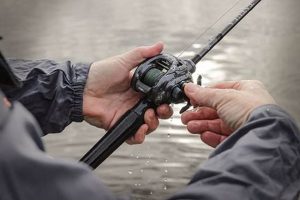
Kayak anglers often utilize specialized tackle and rigging methods tailored to their target species and fishing environment. A fishing kayaks academy covers appropriate rod, reel, and line selection, as well as effective rigging techniques. For instance, using lighter tackle and finesse presentations can be highly effective for targeting specific species in shallow water from a kayak, where stealth and accuracy are paramount. The academy environment allows for hands-on practice with various rigging setups, enhancing angler versatility.
- Fish Fighting and Landing:
Fighting a fish from a kayak requires specific techniques to maintain balance and control. Anglers learn to leverage the kayak’s maneuverability to their advantage, positioning the kayak strategically to tire the fish and prevent line breakage. Landing techniques also differ, often involving nets or specialized grips to secure the catch safely while minimizing stress on both the fish and the angler. Practicing these techniques within the controlled setting of a fishing kayaks academy builds angler confidence and ensures responsible fish handling.
- Electronics and Navigation:
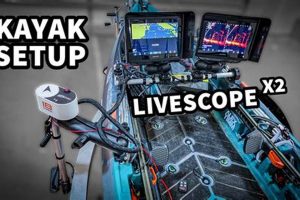
Effective use of electronics, such as fish finders and GPS units, enhances angling success from a kayak. A fishing kayaks academy teaches anglers to interpret sonar readings, identify productive fishing areas, and navigate safely. Integrating this technology with kayak control allows anglers to position themselves precisely over structure or follow contour lines, maximizing fishing opportunities. Furthermore, understanding navigation principles and utilizing GPS ensures safe passage and efficient exploration of new fishing grounds.
These specialized techniques, taught within a structured learning environment, form the foundation for successful kayak angling. A fishing kayaks academy equips anglers with the knowledge and practical skills necessary to navigate effectively, present lures accurately, fight fish successfully, and utilize technology to maximize their angling experience. By mastering these techniques, kayak anglers can confidently explore diverse fishing environments and achieve consistent results while promoting safe and responsible angling practices.
3. Safety Procedures

Safety procedures form a critical component of any reputable fishing kayaks academy. Kayak angling presents inherent risks, and proper training mitigates these dangers, fostering a safe and enjoyable experience. Understanding and practicing these procedures is paramount for all kayak anglers, regardless of skill level.
- Personal Flotation Devices (PFDs):
Consistent PFD use is non-negotiable. A fishing kayaks academy emphasizes the importance of wearing a properly fitted and U.S. Coast Guard-approved PFD at all times while on the water. PFDs provide essential buoyancy in the event of a capsize or accidental immersion, significantly increasing the chances of survival. For example, an angler unexpectedly encountering cold water shock after a capsize benefits greatly from the inherent buoyancy and thermal protection offered by a PFD.
- Communication and Signaling Devices:
Carrying appropriate communication and signaling devices is essential for safety in remote aquatic environments. A fishing kayaks academy educates anglers on the use of VHF radios, whistles, flares, and personal locator beacons (PLBs). These devices enable communication with other boaters or emergency services in case of distress. For instance, an angler experiencing mechanical issues with their kayak far from shore can use a VHF radio to call for assistance.
- Weather Awareness and Trip Planning:
Checking weather forecasts and planning trips accordingly is a fundamental safety practice. A fishing kayaks academy emphasizes the importance of understanding weather patterns, wind conditions, and tides. Avoiding hazardous conditions, such as strong winds, lightning storms, or rapidly changing tides, prevents potentially dangerous situations. For example, an angler aware of an approaching storm front can make the informed decision to postpone their trip, avoiding potentially life-threatening conditions on the water.
- Navigation and Self-Rescue Techniques:
Possessing basic navigation skills and understanding self-rescue techniques are crucial safety considerations. A fishing kayaks academy covers essential navigation principles, chart reading, and GPS use. Furthermore, practicing self-rescue maneuvers, such as re-entering a kayak after a capsize, equips anglers with the skills to handle unexpected situations. For instance, an angler who capsizes in calm water but knows how to perform a self-rescue can quickly regain control and avoid prolonged immersion.
These safety procedures, ingrained through training within a fishing kayaks academy, significantly reduce risks associated with kayak angling. By prioritizing safety education and promoting responsible practices, these academies create a culture of preparedness and enhance the overall angling experience. The integration of these procedures ensures that anglers can enjoy the sport safely and confidently, contributing to a positive and sustainable relationship with the aquatic environment.
4. Equipment Selection

Appropriate equipment selection is crucial for successful and enjoyable kayak angling. A fishing kayaks academy provides guidance on choosing gear tailored to individual needs and fishing styles, covering various aspects from kayak selection to specialized fishing accessories. This informed approach maximizes angler efficiency, comfort, and safety on the water.
- Kayak Choice:
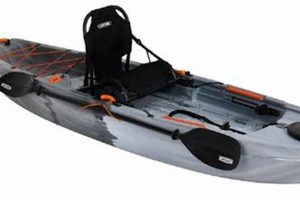
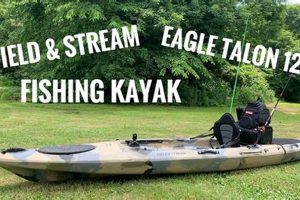
Kayak selection depends on factors such as fishing style, target species, and water conditions. A fishing kayaks academy helps anglers navigate various hull designs (sit-on-top, sit-inside), lengths, widths, and propulsion systems (paddle, pedal, motor). For example, a shorter, wider kayak offers stability for stillwater fishing, while a longer, narrower kayak provides speed and efficiency for covering larger distances in open water. Understanding these design considerations allows anglers to choose a kayak suited to their specific needs and fishing preferences.
- Paddle Selection:
Paddle choice influences paddling efficiency and comfort. A fishing kayaks academy guides anglers on selecting appropriate paddle length, blade shape, and shaft material. For instance, a shorter paddle with wider blades suits anglers with a shorter torso or those paddling in confined spaces, while a longer paddle with narrower blades provides efficiency for open-water paddling. Understanding these factors improves paddling performance and reduces fatigue.
- Fishing Accessories:
Specialized fishing accessories enhance kayak angling efficiency and organization. Rod holders, tackle storage systems, anchor trolleys, and fish finders are examples of equipment covered within a fishing kayaks academy. For example, a well-placed rod holder allows for hands-free trolling or drift fishing, while a fish finder assists in locating fish and identifying underwater structure. Strategic use of these accessories improves angling success and overall on-the-water experience.
- Safety Gear:
Prioritizing safety equipment is paramount. A fishing kayaks academy reinforces the importance of personal flotation devices (PFDs), signaling devices, and first-aid kits. For instance, a brightly colored PFD enhances visibility in open water, while a whistle or air horn provides a means of signaling in case of an emergency. Emphasizing the proper selection and use of safety gear fosters a culture of preparedness and responsible angling.
By providing comprehensive guidance on equipment selection, a fishing kayaks academy equips anglers with the knowledge and resources to make informed decisions. This tailored approach ensures that anglers have the appropriate gear for their specific needs and fishing style, maximizing comfort, efficiency, and safety on the water. The careful consideration of these factors contributes significantly to a positive and successful kayak angling experience.
Navigation skills are essential for safe and successful kayak angling, forming a core component of a comprehensive fishing kayaks academy curriculum. Effective navigation goes beyond simply paddling from point A to point B; it encompasses understanding water dynamics, interpreting charts and maps, utilizing navigational aids, and planning routes strategically. This proficiency allows anglers to explore new fishing grounds, navigate challenging waterways safely, and maximize time on the water. For instance, understanding tidal currents and their influence on kayak movement is crucial for efficient paddling and precise boat positioning, particularly when fishing near inlets, estuaries, or coastal areas. Similarly, interpreting nautical charts allows anglers to identify potential hazards, such as submerged rocks or shallow areas, and plan routes that avoid these obstacles.
A fishing kayaks academy emphasizes practical navigation skills applicable to diverse fishing environments. Instructors might cover topics such as GPS usage, compass navigation, chart reading, and the interpretation of tide tables and current charts. These skills are not merely theoretical; they are practiced on the water, allowing students to gain hands-on experience navigating different waterways and conditions. Consider an angler navigating a mangrove-lined coast; the ability to interpret a nautical chart in conjunction with a compass and GPS ensures accurate positioning and prevents disorientation within the complex network of channels. Furthermore, understanding tidal flows in this environment allows the angler to time their movements efficiently and access prime fishing areas during optimal tidal stages.
Proficient navigation skills enhance both safety and angling success. They allow for efficient exploration of new fishing grounds, reduce the risk of getting lost or stranded, and contribute to a more enjoyable and productive angling experience. Challenges such as navigating in fog, strong winds, or changing tides can be addressed through comprehensive training and practice within the structured environment of a fishing kayaks academy. This emphasis on practical navigation skills empowers anglers to explore diverse aquatic environments confidently and responsibly, maximizing their time on the water while minimizing risks. Integrating these skills within the broader curriculum of a fishing kayaks academy reinforces the interconnectedness of safety, skill development, and responsible angling practices.
6. Environmental Awareness
Environmental awareness is an integral component of responsible kayak angling and a key focus within a fishing kayaks academy. Sustainable interaction with aquatic ecosystems ensures the long-term health of these environments and preserves angling opportunities for future generations. A fishing kayaks academy cultivates this awareness by educating anglers on the ecological impact of their actions and promoting best practices for minimizing that impact. This understanding fosters a deeper appreciation for the natural world and encourages responsible stewardship of aquatic resources.
- Leave No Trace Principles:
Fishing kayaks academies often incorporate Leave No Trace principles into their curriculum. These guidelines emphasize minimizing human impact on the environment by packing out all trash, avoiding disturbing vegetation, and respecting wildlife. For example, anglers learn to properly dispose of fishing line, hooks, and other debris, preventing entanglement of wildlife or pollution of waterways. Practical application of these principles ensures that fishing areas remain pristine and enjoyable for all.
- Catch and Release Practices:
Promoting catch and release practices is a cornerstone of responsible angling education within a fishing kayaks academy. Anglers learn proper handling techniques to minimize stress on fish, ensuring their healthy release back into the ecosystem. This includes using appropriate hooks, minimizing air exposure, and supporting the fish during release. Understanding the importance of selective harvest and adhering to size and bag limits further contributes to sustainable fish populations. For instance, an angler practicing catch and release might utilize barbless hooks to reduce injury to the fish during the unhooking process.
- Habitat Conservation:
A fishing kayaks academy educates anglers on the importance of habitat conservation. Understanding the role of aquatic vegetation, submerged structures, and riparian zones in supporting healthy fish populations fosters respect for these critical habitats. Anglers learn to avoid disturbing these areas, minimizing their impact on sensitive ecosystems. For example, anglers are encouraged to paddle around sensitive vegetation beds rather than through them, preventing damage and preserving essential fish habitat. This awareness extends to responsible anchoring practices, avoiding damage to underwater structures or sensitive bottom habitats.
- Water Quality Awareness:
Understanding water quality and its impact on aquatic life is another key aspect of environmental awareness promoted within a fishing kayaks academy. Anglers learn about the sources and effects of water pollution, including runoff, chemical contamination, and invasive species. This knowledge empowers anglers to make informed decisions and take actions to protect water quality. For example, anglers might participate in local waterway cleanups, advocate for responsible land management practices, or choose eco-friendly fishing gear and products to minimize their environmental footprint.
By integrating environmental awareness into its curriculum, a fishing kayaks academy fosters a culture of responsible angling. This education empowers anglers to make informed decisions, minimize their ecological impact, and contribute to the long-term health of aquatic ecosystems. The combination of practical skills, safety training, and environmental consciousness creates a holistic approach to kayak angling, ensuring the sustainability and enjoyment of the sport for future generations. This comprehensive approach fosters a deeper appreciation for the natural world and empowers anglers to become stewards of the aquatic environments they enjoy.
7. Species-Specific Tactics

A fishing kayaks academy often emphasizes species-specific tactics, recognizing that effective angling requires tailoring techniques to the target species’ behavior, habitat preferences, and feeding patterns. This specialized approach maximizes angling success and promotes ethical fishing practices by minimizing unintended bycatch and reducing environmental impact. Understanding these nuances allows anglers to select appropriate gear, present lures effectively, and fish in the most productive locations.
- Target Species Identification:
Accurate identification of target species is fundamental. A fishing kayaks academy educates anglers on distinguishing characteristics, habitat preferences, and behavioral traits of various fish species. For example, distinguishing between similar-looking species, such as striped bass and white bass, ensures compliance with regulations and allows for targeted angling strategies. This knowledge informs tackle choices, lure selection, and fishing location.
- Habitat and Location Strategies:
Understanding the preferred habitats of target species is crucial for effective kayak angling. A fishing kayaks academy teaches anglers how to identify and locate key structures, such as reefs, drop-offs, weed beds, and submerged timber, where specific species congregate. For instance, targeting redfish in shallow, grassy flats requires different tactics than pursuing offshore pelagic species like tuna or mahi-mahi. Kayak anglers learn to utilize bathymetric charts, sonar technology, and visual cues to pinpoint productive fishing zones.
- Lure and Bait Presentation:
Effective lure and bait presentation techniques vary significantly depending on the target species. A fishing kayaks academy covers various presentation methods, including trolling, jigging, casting, and live bait fishing, tailored to specific species’ feeding habits. For example, presenting a slow-sinking lure near the bottom might be effective for targeting flounder, while a fast-retrieved topwater lure might entice aggressive surface feeders like striped bass. Understanding these nuances maximizes strike rates and enhances angling efficiency.
- Seasonal and Temporal Considerations:
Fish behavior and feeding patterns change throughout the year and even throughout the day. A fishing kayaks academy educates anglers on seasonal migrations, spawning behaviors, and tidal influences that affect target species. For instance, targeting trout in cold, clear streams during the winter requires different tactics than fishing for them in warmer, faster-flowing rivers during the summer. Understanding these temporal and seasonal factors allows anglers to adapt their strategies and maximize their chances of success.
By incorporating species-specific tactics into its curriculum, a fishing kayaks academy equips anglers with the knowledge and skills necessary to pursue diverse species effectively and responsibly. This specialized approach enhances angling success, minimizes environmental impact, and fosters a deeper understanding of aquatic ecosystems. Anglers gain the ability to adapt their techniques to specific species and environmental conditions, transforming them from casual participants into informed and ethical anglers. This comprehensive understanding enhances the overall kayak fishing experience and contributes to the long-term sustainability of fish populations and their habitats.
Frequently Asked Questions
This section addresses common inquiries regarding specialized kayak angling instruction.
Question 1: What distinguishes specialized kayak angling instruction from general fishing education?
Specialized instruction focuses on the unique skills and techniques required for fishing from a kayak, addressing challenges and opportunities specific to this platform. It goes beyond basic fishing knowledge to encompass kayak control, specialized rigging, and safety procedures tailored to the kayak angler.
Question 2: Is prior kayaking experience necessary to benefit from a fishing kayaks academy?
Prior kayaking experience can be beneficial, but it is not always a prerequisite. Many academies offer introductory courses covering fundamental paddling skills and kayak control, catering to anglers of all experience levels. The focus is on integrating kayaking skills with effective angling techniques.
Question 3: What equipment is typically required for participation in a fishing kayaks academy?
Some academies provide kayaks and essential fishing gear, while others require participants to bring their own equipment. It’s crucial to clarify equipment requirements with the specific academy prior to enrollment. Typically, a fishing kayak, paddle, PFD, and appropriate fishing tackle are necessary.
Question 4: How does specialized instruction contribute to improved angling success from a kayak?
Specialized instruction enhances angling success by teaching techniques tailored to the kayak’s unique platform. These techniques address challenges such as limited space, casting from a seated position, and maneuvering the kayak efficiently to target fish effectively. This targeted approach maximizes fishing opportunities.
Question 5: What safety considerations are emphasized within a fishing kayaks academy?
Safety is paramount. Academies emphasize proper use of personal flotation devices (PFDs), communication protocols, navigation skills, and self-rescue techniques. Participants learn to assess weather conditions, understand water dynamics, and respond effectively to emergencies, ensuring a safe and responsible angling experience.
Question 6: How does a fishing kayaks academy address environmental responsibility?
Responsible angling practices are integral to the curriculum. Academies promote Leave No Trace principles, emphasizing minimal environmental impact. Catch and release techniques, proper waste disposal, and respect for aquatic habitats are essential components of the educational experience, fostering environmental stewardship among kayak anglers.
These responses offer insights into the benefits and practical aspects of specialized kayak angling education. Potential participants should research specific academy offerings to find programs aligned with their individual goals and experience levels.
Further exploration of specific academy programs provides additional detail and clarifies individual suitability for participation.
Conclusion
Structured learning environments dedicated to kayak angling provide comprehensive instruction encompassing essential aspects of this specialized pursuit. From kayak control and navigation to species-specific tactics and safety procedures, these structured programs equip anglers with the knowledge and skills necessary for successful and responsible kayak fishing. The curriculum emphasizes not only effective angling techniques but also environmental awareness and sustainable practices, fostering a deeper appreciation for aquatic ecosystems. Proper equipment selection and adaptation of fishing techniques to the kayak’s unique platform are highlighted, maximizing both efficiency and enjoyment on the water.
The growing popularity of kayak angling underscores the importance of accessible and comprehensive educational resources. Continued development and refinement of these programs will contribute to enhanced angling success, improved safety standards, and a greater understanding of responsible interaction with aquatic environments. Ultimately, the focus on specialized instruction elevates kayak angling from a recreational activity to a skilled pursuit, fostering a community of knowledgeable and environmentally conscious anglers dedicated to the long-term sustainability of the sport.