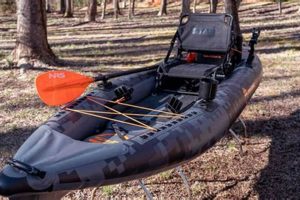
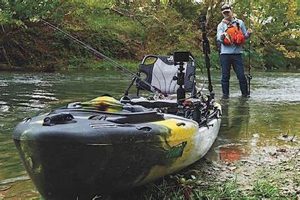
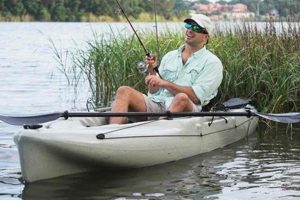
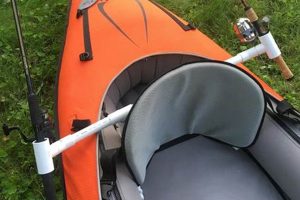
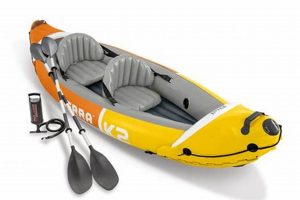
Anglers seeking extended time on the water often prioritize ergonomic design and support. A well-designed seating system in a fishing kayak can significantly enhance comfort, reduce fatigue, and prevent back pain, allowing for longer and more enjoyable fishing trips. Examples include adjustable high-back seats with breathable mesh fabric, lumbar support, and multiple reclining positions. Some models even incorporate shock-absorbing features for enhanced comfort in rough waters.
Historically, kayak seats were basic and offered minimal comfort. However, the growing popularity of kayak fishing has driven innovation in seat design, resulting in a wide range of ergonomic options. Proper seating contributes significantly to angler performance by improving stability, balance, and overall endurance. This allows for more focused fishing and increases the likelihood of a successful outing. Reduced physical strain also promotes better concentration and enjoyment of the natural environment.
This article will delve into the key features of superior kayak seating, explore various types available, and provide guidance on selecting the best option for individual needs and preferences. Topics covered will include materials, adjustability, durability, and compatibility with different kayak styles.
Tips for Selecting a Kayak with Optimal Seat Comfort
Choosing a kayak with a comfortable seat is crucial for prolonged fishing trips. The following tips offer guidance for selecting a kayak that prioritizes angler comfort and support.
Tip 1: Consider Seat Adjustability: Look for seats with adjustable features like height, recline, and lumbar support. These features allow for personalized customization to accommodate individual body types and preferences. The ability to fine-tune seat positioning contributes significantly to long-term comfort and reduces fatigue.
Tip 2: Evaluate Seat Material and Breathability: Mesh or other breathable fabrics offer superior ventilation, preventing overheating and moisture buildup during warm weather. Durable, UV-resistant materials are essential for withstanding prolonged sun exposure and ensuring long-lasting performance.
Tip 3: Assess Seat Padding and Support: Ample padding in high-impact areas, such as the seat bottom and lower back, is essential for cushioning and shock absorption. Evaluate the density and thickness of the padding to ensure adequate support and comfort throughout the fishing trip.
Tip 4: Prioritize Seat Height and Width: Consider the height and width of the seat in relation to the kayak’s dimensions. Sufficient seat height improves visibility and facilitates easier casting and paddling. Adequate width ensures proper support and prevents feeling cramped or restricted.
Tip 5: Examine Seat Durability and Construction: A well-constructed seat should be able to withstand the rigors of regular use and exposure to the elements. Look for reinforced stitching, high-quality hardware, and robust materials that can resist wear and tear.
Tip 6: Test the Seat Before Purchasing: Whenever possible, try out the kayak seat before making a purchase. Sit in the kayak and adjust the seat to different positions to evaluate its comfort and stability. This practical assessment provides valuable insight into the seat’s suitability for individual needs.
Tip 7: Consider Compatibility with Kayak Type: Seat design and features should complement the intended use of the kayak. Sit-on-top kayaks often benefit from higher seats for improved visibility, while sit-inside kayaks may prioritize lower, more supportive seating.
By carefully considering these factors, anglers can select a kayak with a comfortable and supportive seat, ultimately enhancing their overall fishing experience. A well-chosen seat promotes proper posture, reduces fatigue, and allows for longer, more enjoyable time on the water.
This guidance lays the foundation for making informed decisions about kayak seat selection, ultimately leading to a more comfortable and rewarding fishing experience. The following section will conclude with final recommendations and considerations.
1. Ergonomics

Ergonomics plays a vital role in kayak fishing comfort. A properly designed seat, incorporating ergonomic principles, significantly reduces physical strain and fatigue during long hours on the water. Key ergonomic considerations include lumbar support, seat height and width, and adjustability. Effective lumbar support helps maintain natural spinal curvature, preventing back pain and discomfort. Appropriate seat height and width ensure proper weight distribution and reduce pressure points. Adjustability allows anglers to customize the seat position for optimal comfort and paddling efficiency. For example, an adjustable high-back seat with built-in lumbar support and breathable mesh fabric promotes better posture and reduces pressure on the spine, allowing for longer, more comfortable fishing trips.
The application of ergonomic principles extends beyond basic seat design. Features such as adjustable footrests and strategically placed rod holders also contribute to overall comfort and efficiency. Properly positioned footrests enhance stability and paddling power, while well-placed rod holders minimize reaching and strain while fishing. These ergonomic considerations optimize body mechanics and reduce the risk of repetitive strain injuries. Neglecting ergonomic principles can lead to discomfort, fatigue, and potentially long-term musculoskeletal problems. This negatively impacts fishing performance and overall enjoyment.
Understanding the importance of ergonomics in kayak seat design is crucial for maximizing comfort and performance on the water. Prioritizing ergonomic features allows anglers to focus on fishing rather than physical discomfort. This translates to longer, more enjoyable, and ultimately more productive fishing trips. Investing in a kayak with an ergonomically designed seat offers significant long-term benefits for angler health and well-being.
2. Adjustability
Adjustability is a critical factor in determining the comfort of a fishing kayak seat. The ability to customize the seat position directly impacts an angler’s posture, stability, and overall comfort. Adjustable features typically include seat height, recline angle, and lumbar support. These allow individuals to tailor the seat to their specific body type and preferences, accommodating different leg lengths, torso heights, and back support needs. A fixed seat, lacking adjustability, may lead to discomfort, fatigue, and potential long-term physical strain, particularly during extended fishing trips. For instance, an angler with a longer torso might require a higher seat back and adjustable lumbar support to maintain proper posture and prevent backache.
The practical significance of adjustability becomes apparent during various on-the-water scenarios. Changing fishing techniques, transitioning between paddling and casting, or adapting to varying water conditions often necessitate adjustments to seat position. A higher seat position may be preferable for improved visibility when sight fishing, while a lower, more reclined position may be more comfortable for paddling longer distances. The ability to fine-tune seat height, recline, and lumbar support significantly enhances an angler’s ability to maintain comfort and efficiency throughout the fishing trip. Furthermore, adjustable features cater to diverse body types and individual preferences, ensuring a comfortable and supportive seating experience for a wider range of anglers.
In conclusion, adjustability plays a pivotal role in optimizing fishing kayak seat comfort. It empowers anglers to personalize their seating experience, adapting to changing needs and physical characteristics. Investing in a kayak seat with comprehensive adjustability contributes significantly to long-term comfort, reduces the risk of physical strain, and ultimately enhances the overall fishing experience. Neglecting this aspect can compromise comfort and efficiency, potentially leading to fatigue and diminished enjoyment on the water. A focus on adjustability demonstrably leads to improved angler well-being and increased fishing success.
3. Breathability
Breathability is a crucial factor influencing comfort, particularly during warm weather or strenuous paddling. Kayak seats constructed with breathable materials, such as mesh fabric or perforated foam, promote air circulation and prevent heat and moisture buildup. This airflow helps regulate body temperature, reducing discomfort from sweating and overheating. Conversely, non-breathable materials can trap heat and moisture, leading to discomfort, skin irritation, and potentially hindering performance due to overheating. For example, a breathable mesh seat back allows air to circulate around the angler’s back, preventing perspiration buildup and maintaining comfort even on hot days. This can be particularly beneficial during extended fishing trips in warm, humid climates.
The practical significance of breathability extends beyond mere comfort. Reduced sweating and moisture buildup contribute to a drier seating environment, minimizing the potential for chafing and skin irritation. This is particularly important during long fishing trips where prolonged contact with a damp seat can lead to discomfort and skin problems. Moreover, breathable materials often dry more quickly after exposure to water, whether from rain, splashes, or accidental submersion. This faster drying time helps prevent the growth of mold and mildew, preserving the seat’s integrity and extending its lifespan. In contrast, non-breathable materials retain moisture, creating a breeding ground for microorganisms and potentially leading to unpleasant odors and deterioration of the seat material.
In summary, breathability is a key component of a comfortable fishing kayak seat. Materials that facilitate air circulation contribute significantly to temperature regulation, reducing discomfort from heat and moisture. This enhanced comfort translates to improved focus and endurance, allowing anglers to enjoy longer and more productive fishing trips. Prioritizing breathability in seat selection ultimately enhances angler well-being and contributes to a more positive overall fishing experience. Failure to consider breathability can compromise comfort and potentially lead to health issues, highlighting the importance of this often-overlooked aspect of kayak seat design.
4. Durability

Durability is a critical factor in evaluating fishing kayak seats, directly impacting long-term comfort and overall value. A durable seat withstands the rigors of regular use, exposure to the elements, and the inevitable wear and tear associated with kayak fishing. This ensures sustained comfort and support over extended periods, minimizing the need for replacements and maximizing the return on investment. A durable seat maintains its structural integrity and comfort features, contributing to a consistently positive fishing experience.
- Material Selection
High-quality materials are fundamental to seat durability. UV-resistant fabrics, such as marine-grade polyester or solution-dyed acrylic, resist fading and degradation from sun exposure. Rot-resistant and mildew-resistant materials, like closed-cell foam padding, maintain their integrity in wet environments, preventing deterioration and unpleasant odors. Reinforced stitching and heavy-duty hardware further enhance durability, ensuring the seat withstands stress and strain during use. For example, a seat constructed with UV-resistant polyester fabric and stainless steel hardware will likely outperform one made with nylon fabric and standard metal hardware in terms of long-term durability.
- Construction Quality
Robust construction techniques contribute significantly to seat longevity. Double or triple stitching at stress points reinforces seams and prevents premature tearing. Properly sealed seams prevent water ingress, protecting internal padding and structural components from moisture damage. High-quality bonding and lamination techniques ensure that different materials, such as fabric and foam, remain securely attached, preventing delamination and premature wear. A well-constructed seat demonstrates attention to detail and a commitment to long-lasting performance.
- Resistance to Wear and Tear
Resistance to abrasion, punctures, and tears is essential for maintaining seat integrity in challenging fishing environments. Durable fabrics and reinforced stitching protect against snags, abrasions from gear, and accidental punctures. High-density foam padding resists compression and deformation, maintaining its cushioning properties over time. A seat designed to withstand these challenges ensures consistent comfort and support throughout its lifespan. For example, a seat with a reinforced bottom panel will better resist abrasion from dragging the kayak across rough surfaces.
- Maintenance and Care
Proper maintenance and care contribute to the longevity of any kayak seat. Regular cleaning removes dirt, grime, and saltwater residue, which can degrade materials over time. Storing the kayak and seat in a dry, protected location minimizes exposure to the elements, preventing UV damage and moisture buildup. Following manufacturer recommendations for cleaning and storage helps preserve the seat’s condition and extend its lifespan. For instance, rinsing the seat with fresh water after each use and storing it indoors can significantly prolong its functional life.
In conclusion, durability is an essential consideration when selecting a fishing kayak seat. Durable materials, robust construction, resistance to wear and tear, and proper maintenance contribute to a seat’s longevity and sustained comfort. Investing in a durable seat ensures long-term value and a consistently comfortable fishing experience. A comfortable yet poorly constructed seat will quickly deteriorate, negating its initial comfort advantage and necessitating premature replacement. Therefore, prioritizing durability alongside comfort is paramount for anglers seeking a reliable and long-lasting seating solution.
5. Support

Adequate support is fundamental to comfort and functionality in a fishing kayak seat. Proper support maintains healthy posture, reduces fatigue, and enhances stability, enabling anglers to focus on fishing rather than physical discomfort. This encompasses back support, lumbar support, seat pan design, and overall seat construction, each contributing to a comfortable and supportive seating experience.
- Back Support
Back support focuses on maintaining the natural curvature of the spine. High-back seats provide crucial support to the upper back and shoulders, reducing strain and promoting proper posture. Insufficient back support can lead to slouching, which contributes to back pain and fatigue. A well-designed high-back seat conforms to the angler’s back, providing consistent support and promoting comfort throughout the fishing trip. For example, adjustable backrests allow anglers to customize the level of support, catering to individual preferences and physical characteristics.
- Lumbar Support
Lumbar support targets the lower back, a critical area often susceptible to strain during prolonged sitting. Adequate lumbar support helps maintain the natural inward curve of the lower spine, reducing pressure and preventing lower back pain. Adjustable lumbar support systems allow for personalized customization, accommodating different body types and preferences. Effective lumbar support promotes proper posture, reduces fatigue, and enhances overall comfort, particularly during extended fishing trips. Kayaks with adjustable lumbar support systems enable anglers to fine-tune the level of support to their specific needs, ensuring optimal comfort and spinal alignment.
- Seat Pan Design
The seat pan design influences weight distribution and overall comfort. A well-designed seat pan provides even support across the buttocks and thighs, reducing pressure points and preventing discomfort. Ergonomically shaped seat pans conform to the body’s contours, promoting proper posture and reducing fatigue. The seat pan material also contributes to comfort; breathable materials enhance ventilation and prevent overheating, while padded materials provide cushioning and shock absorption. A comfortable and supportive seat pan is crucial for maintaining comfort and stability during long hours on the water. For instance, a seat pan with strategically placed padding and contoured shaping can significantly improve comfort and reduce pressure points.
- Overall Seat Construction
The overall construction of the seat impacts its ability to provide consistent support and comfort. A robust frame and durable materials ensure the seat maintains its structural integrity and supportive qualities over time. Reinforced stitching and high-quality hardware contribute to the seat’s long-term performance and resistance to wear and tear. A well-constructed seat retains its shape and supportive properties, even after prolonged use and exposure to the elements, ensuring consistent comfort and performance. For example, a seat with a reinforced frame and durable, weather-resistant materials will provide reliable support and comfort throughout its lifespan.
In summary, proper support is paramount in achieving optimal comfort and functionality in a fishing kayak seat. Back support, lumbar support, seat pan design, and overall construction each play a critical role in maintaining posture, reducing fatigue, and promoting stability. By prioritizing these elements, anglers can significantly enhance their comfort and enjoyment on the water, allowing them to focus on fishing and maximize their time on the water. A well-supported angler experiences less fatigue, maintains better posture, and can fish more effectively, highlighting the crucial link between support and a positive fishing experience.
Frequently Asked Questions
This section addresses common inquiries regarding selecting a fishing kayak with optimal seat comfort.
Question 1: How does seat design impact long-term fishing comfort?
Ergonomic design, incorporating lumbar support, adjustable features, and breathable materials, significantly influences long-term comfort by reducing strain, promoting proper posture, and preventing heat and moisture buildup. An uncomfortable seat can lead to fatigue, back pain, and decreased fishing enjoyment.
Question 2: What are the key features to look for in a comfortable kayak seat?
Essential features include adjustable height and recline, substantial lumbar support, breathable materials like mesh fabric, ample padding, and durable construction. These features contribute to personalized comfort, proper posture, and long-lasting performance.
Question 3: Are there different types of kayak seats designed specifically for fishing?
Yes, fishing kayak seats often incorporate features like higher backrests for improved visibility, rod holder mounts, and adjustable lumbar support systems tailored to the needs of anglers.
Question 4: How does one determine the appropriate seat height for a fishing kayak?
Appropriate seat height depends on individual preference and fishing style. Higher seats offer better visibility and easier casting, while lower seats provide greater stability. Testing different seat heights is recommended to determine optimal positioning.
Question 5: Can kayak seats be upgraded or replaced for improved comfort?
Many kayaks offer aftermarket seat upgrades or replacement options. Compatibility with the kayak model should be confirmed before purchasing a new seat.
Question 6: How does one maintain and care for a fishing kayak seat to maximize its lifespan?
Regular cleaning with mild soap and water, followed by thorough drying, helps prevent mildew and material degradation. Storing the seat in a dry, protected location when not in use further extends its lifespan.
Careful consideration of these factors facilitates informed decisions regarding kayak seat selection, promoting long-term comfort and fishing enjoyment.
The subsequent section offers concluding remarks and recommendations for selecting a fishing kayak with optimal seat comfort.
Fishing Kayak with Most Comfortable Seat
Selecting a fishing kayak with optimal seat comfort is paramount for prolonged angling excursions. This article explored key factors influencing seat comfort, including ergonomics, adjustability, breathability, durability, and support. Ergonomic design promotes proper posture and reduces strain, while adjustability allows customization for individual needs. Breathable materials enhance comfort, particularly in warm conditions, and durable construction ensures long-lasting performance. Adequate support, encompassing back and lumbar support, is essential for minimizing fatigue and maximizing fishing enjoyment. Each of these elements contributes significantly to the overall comfort and functionality of a fishing kayak seat, enabling anglers to focus on their passion rather than physical discomfort.
Prioritizing seat comfort translates to enhanced fishing experiences and overall well-being. Anglers are encouraged to thoroughly evaluate these key factors when selecting a fishing kayak, ensuring a comfortable and supportive platform for countless hours on the water. Investing in a comfortable seat translates to increased endurance, reduced physical strain, and ultimately, more productive and enjoyable fishing trips. The right seat empowers anglers to pursue their passion with greater comfort and confidence, fostering a deeper connection with the sport and the natural world.