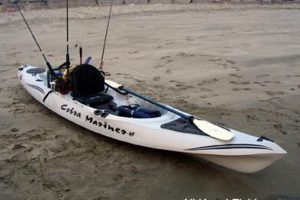
Secure and efficient methods for stowing angling kayaks within a residential garage environment represent a practical solution for enthusiasts. This encompasses a variety of approaches, from simple ceiling hoists and wall cradles to freestanding racks and specialized storage systems. An example would be utilizing a ceiling-mounted hoist system to suspend a kayak above a vehicle, maximizing available floor space.
Properly storing a kayak protects it from damage caused by UV exposure, temperature fluctuations, and accidental impacts, ultimately prolonging its lifespan. Organized storage also optimizes garage space, creating a more functional and accessible area. While historically kayaks might have been left outdoors or in rudimentary shelters, the increasing popularity of the sport and the development of specialized equipment have driven innovation in storage solutions, enhancing convenience and preservation.
This article will delve further into various storage techniques, considering factors such as garage size, ceiling height, kayak weight and dimensions, and budget constraints. It will also explore the advantages and disadvantages of different systems, offering practical guidance to readers seeking optimal solutions for their individual needs.
Tips for Optimizing Kayak Storage in Garages
Effective storage is crucial for maintaining kayak integrity and maximizing garage usability. The following tips offer practical guidance for achieving these goals.
Tip 1: Assess Available Space: Carefully measure the garage dimensions, noting ceiling height, wall space, and any potential obstructions. This assessment informs appropriate storage method selection.
Tip 2: Choose the Right Storage System: Ceiling hoists are ideal for maximizing floor space. Wall cradles offer a secure and accessible option. Freestanding racks accommodate multiple kayaks and are easily repositioned. Consider individual needs and available space when selecting a system.
Tip 3: Utilize Wall Space Effectively: Vertical storage maximizes space utilization. Wall-mounted racks and shelves can hold paddles, life vests, and other accessories, freeing up floor space.
Tip 4: Protect the Kayak: Use padding or covers to prevent scratches and dings during storage. UV-resistant covers shield kayaks from sun damage.
Tip 5: Consider Kayak Weight and Dimensions: Ensure chosen storage systems are rated for the kayak’s weight and length. Overloading a system can lead to equipment failure and damage.
Tip 6: Maintain Proper Ventilation: Adequate ventilation prevents mold and mildew growth. Ensure kayaks are dry before storing and avoid enclosing them in airtight containers.
Tip 7: Secure the Kayak: Use straps or tie-downs to secure the kayak to the chosen storage system, preventing movement or accidental falls.
Tip 8: Regularly Inspect Storage Systems: Periodically check straps, hardware, and mounting points for wear and tear. Replace any damaged components promptly to maintain safety and prevent accidents.
By implementing these strategies, kayak owners can safeguard their investment and enhance garage organization.
These practical considerations contribute to a functional and efficient garage environment, ensuring both kayak preservation and optimal space utilization.
1. Space Optimization

Space optimization is paramount in fishing kayak garage storage. Garages often serve multiple purposes, housing vehicles, tools, and other equipment. Efficient kayak storage maximizes usable space, preventing clutter and ensuring easy access to all items. A well-optimized system allows for convenient retrieval and storage of the kayak without disrupting other garage activities. For example, vertical storage solutions, such as ceiling hoists or wall-mounted racks, free up valuable floor space, accommodating other items or maintaining clear pathways. Conversely, inefficient storage can lead to a cluttered and disorganized environment, hindering access and increasing the risk of damage to both the kayak and surrounding items.
Several factors influence space optimization strategies. Garage dimensions, ceiling height, and the number of kayaks being stored all play a role. The kayak’s dimensions and weight also influence appropriate storage methods. For instance, a longer, heavier fishing kayak may necessitate a more robust ceiling hoist system compared to a shorter, lighter recreational kayak. Furthermore, the availability of wall space dictates the feasibility of wall-mounted cradles or vertical racking systems. Analyzing these factors allows for informed decisions regarding the most space-efficient storage solution. A homeowner with limited wall space but ample ceiling height might opt for a hoist, while someone with ample wall space but lower ceilings might choose wall cradles. Careful planning ensures compatibility and maximizes space utilization.
Effective space optimization contributes significantly to overall garage organization and functionality. It transforms a potentially cluttered space into an efficient and accessible area. Challenges such as limited space or awkward garage layouts can be addressed with thoughtful planning and appropriate storage solutions. Investing time and effort in optimizing kayak storage contributes to a more organized and functional garage, ultimately enhancing both convenience and safety.
2. Protection from Damage

Preserving a fishing kayak’s structural integrity and functionality necessitates appropriate storage practices. Garage storage offers a controlled environment, mitigating potential damage from environmental factors and accidental impacts. Neglecting proper storage can lead to costly repairs, diminished performance, and a shortened lifespan.
- Environmental Factors
Ultraviolet radiation, temperature fluctuations, and moisture contribute to material degradation. Direct sunlight exposure can fade colors and weaken plastic hulls. Extreme temperatures cause expansion and contraction, potentially leading to cracks or warping. Moisture promotes mildew and mold growth, compromising structural integrity. Garage storage shields kayaks from these elements, extending their lifespan. A kayak stored outdoors, exposed to harsh weather, will deteriorate significantly faster than one stored in a garage.
- Physical Damage
Accidental impacts, improper handling, and rodent activity can cause physical damage. Dropping a kayak or storing it on an uneven surface can lead to scratches, dents, or even structural damage. Rodents can chew through wiring, hull material, and stored gear. Secure garage storage, utilizing appropriate racks or hoist systems, minimizes the risk of these occurrences. For example, a kayak stored precariously against a wall is more susceptible to accidental damage than one secured in a wall cradle.
- Security
Theft is a significant concern for kayak owners. Garages offer a degree of security, deterring opportunistic theft. Further security measures, such as locking the garage door and utilizing security systems, enhance protection. Storing a kayak in a locked garage reduces the risk of theft compared to leaving it unsecured outdoors or in an open carport.
- Preservation of Accessories
Fishing kayaks often have specialized accessories, including rod holders, fish finders, and paddle leashes. These items are susceptible to damage from the same environmental and physical factors that affect the kayak itself. Organized garage storage allows for safe and secure storage of accessories, preventing damage, loss, or entanglement. Designated storage areas within the garage for accessories contribute to a more organized and functional space.
Implementing proper garage storage strategies safeguards fishing kayaks from various damage sources, contributing to their longevity and maintaining their performance. This proactive approach minimizes repair costs and ensures the kayak remains in optimal condition for years of enjoyment on the water. Ultimately, investing in appropriate storage solutions is an investment in the longevity and enjoyment of the fishing kayak itself.
3. Accessibility and Ease of Use

Efficient and accessible storage is crucial for maximizing the enjoyment of a fishing kayak. A cumbersome or difficult-to-use storage system can deter frequent use and lead to neglect. Conversely, a well-designed system promotes regular outings by simplifying the process of retrieving and storing the kayak.
- Effortless Retrieval and Storage
Storage systems should facilitate easy retrieval and storage without requiring excessive physical exertion or complex maneuvers. A ceiling hoist with a smooth and reliable lifting mechanism allows single-person operation, even with heavier kayaks. Wall cradles positioned at a comfortable height eliminate awkward lifting and maneuvering. The ease of access encourages spontaneous trips and reduces the likelihood of the kayak being left unused due to storage difficulties.
- Minimizing Preparation Time
Streamlined storage solutions reduce the time and effort required to prepare for a fishing trip. readily accessible kayaks and gear minimize pre-trip preparation, allowing more time on the water. Conversely, a disorganized storage area necessitates time-consuming searches for paddles, life vests, and other essential equipment. Efficient organization promotes quicker launch times and reduces frustration.
- Ergonomic Considerations
Ergonomic principles applied to storage systems minimize strain and potential injury. Lifting a heavy kayak from an awkward position can strain muscles and joints. Systems designed with ergonomic considerations, such as adjustable height cradles or assisted hoist mechanisms, mitigate these risks, promoting user safety and long-term physical well-being. This is particularly important for individuals with physical limitations or those who frequently use their kayaks.
- Adaptability to Changing Needs
Storage needs may evolve over time. A system that can adapt to changing requirements offers long-term value. Modular storage solutions allow for expansion or reconfiguration as needed. For example, a wall-mounted rack system can be expanded with additional cradles to accommodate new kayaks or accessories. This adaptability ensures the storage system remains relevant and efficient despite evolving needs.
Prioritizing accessibility and ease of use in fishing kayak garage storage enhances the overall kayaking experience. By minimizing effort and maximizing convenience, efficient storage solutions encourage regular use, contributing to a more active and enjoyable pursuit of the sport.
4. Security and Stability

Secure and stable storage is fundamental to preserving a fishing kayak’s condition and preventing accidents. Improperly secured kayaks risk damage from falls or shifting, potentially affecting hull integrity, mounted accessories, or other stored items. Stability ensures the kayak remains in its intended position, minimizing stress on the hull and preventing warping. For example, a kayak suspended from a poorly installed ceiling hoist could fall, causing significant damage. A kayak resting precariously against a wall risks tipping, potentially impacting nearby objects or injuring someone. Robust storage solutions, properly installed and maintained, mitigate these risks.
Several factors influence security and stability. The storage system’s construction and weight capacity must be appropriate for the kayak’s size and weight. Installation must adhere to manufacturer guidelines, ensuring proper anchoring and weight distribution. Regular inspection of straps, hardware, and mounting points identifies potential weaknesses before they compromise stability. Environmental factors, such as high winds or seismic activity, warrant additional security measures. For instance, in areas prone to earthquakes, securing the kayak to the storage system with additional straps might be necessary. In high-wind regions, ensuring the garage door is properly secured prevents wind damage to both the kayak and the storage system.
Achieving security and stability requires a comprehensive approach. Careful selection of a storage system matched to the kayak’s specifications, meticulous installation, and ongoing maintenance are essential. Addressing environmental factors specific to the storage location further enhances security and minimizes potential risks. Understanding these interconnected elements ensures the long-term preservation of the kayak and promotes a safe garage environment.
5. Storage System Selection

Storage system selection is paramount for successful fishing kayak garage storage. The chosen system directly impacts accessibility, space utilization, and protection from damage. Careful evaluation of available options, considering individual needs and spatial constraints, ensures optimal functionality and kayak preservation. For example, a ceiling hoist system maximizes floor space but requires adequate ceiling height and structural support. Wall cradles offer convenient access but necessitate sufficient wall space. Freestanding racks provide flexibility but occupy valuable floor space. Matching the system to specific requirements optimizes storage efficacy. An individual with limited garage space might prioritize a ceiling hoist or wall-mounted system, while someone with ample floor space might opt for freestanding racks.
Several factors influence storage system selection. Kayak dimensions and weight dictate the system’s load-bearing capacity. Garage dimensions and available space inform the system’s footprint and configuration. Budget constraints influence material choices and system complexity. Intended usage frequency influences accessibility requirements. A frequently used kayak necessitates a readily accessible storage solution, while a less frequently used kayak might tolerate a more complex storage arrangement. Analyzing these factors clarifies appropriate system choices. A heavier fishing kayak requires a robust hoist system or sturdy wall cradles, while a lighter recreational kayak might suffice with a simpler, less expensive system. Evaluating these variables ensures system compatibility and maximizes long-term satisfaction.
Appropriate storage system selection safeguards the kayak investment, optimizes garage space, and promotes ease of use. Failure to consider these factors can lead to inefficient storage, potential damage, and frustration. A poorly chosen system might be difficult to use, occupy excessive space, or inadequately protect the kayak from damage. Conversely, a well-chosen system enhances convenience, preserves the kayak’s integrity, and contributes to an organized garage environment. Strategic decision-making regarding storage system selection optimizes both kayak preservation and garage functionality.
6. Long-Term Preservation

Long-term preservation represents a critical aspect of fishing kayak garage storage. Proper storage significantly influences the kayak’s lifespan and resale value. Protecting the kayak from environmental degradation, physical damage, and pest infestation contributes to its longevity. Ultraviolet radiation, temperature fluctuations, and moisture can degrade hull materials, leading to cracks, fading, and weakening. Rodents and insects can cause damage to wiring, upholstery, and stored gear. Physical impacts, such as accidental drops or collisions, can compromise structural integrity. Consider a fishing kayak stored outdoors, exposed to the elements. Over time, the sun’s UV rays degrade the plastic, causing it to become brittle and prone to cracking. Rainwater accumulates in the cockpit, promoting mold and mildew growth. Temperature fluctuations cause expansion and contraction, stressing the hull. Conversely, a kayak stored in a garage experiences a more stable environment, minimizing these detrimental effects. This proactive approach preserves the kayak’s condition, extending its usable lifespan.
Implementing appropriate storage strategies safeguards the kayak investment. Utilizing UV-resistant covers shields the hull from harmful radiation. Proper ventilation prevents moisture buildup and mildew formation. Secure storage, using appropriate racks or hoist systems, minimizes the risk of accidental damage. Regular cleaning and maintenance further contribute to preservation efforts. For example, rinsing the kayak after each use removes saltwater residue that can corrode metal components and damage the hull. Applying a UV protectant to the hull helps maintain its color and integrity. These practices, combined with appropriate garage storage, maximize the kayak’s longevity and retain its value over time.
Long-term preservation, achieved through diligent garage storage practices, ensures the kayak remains functional and enjoyable for years to come. This proactive approach minimizes the need for costly repairs and replacements, maximizing the return on investment. Ultimately, proper storage is an investment in the continued enjoyment and value of the fishing kayak. It reflects a commitment to responsible ownership and a dedication to preserving the vessel’s integrity for future use.
Frequently Asked Questions
This section addresses common inquiries regarding fishing kayak garage storage, providing concise and informative responses.
Question 1: What is the most space-efficient storage method for a fishing kayak in a garage?
Ceiling hoists generally offer the most space-efficient solution, maximizing floor space utilization. Wall-mounted systems also conserve floor space, while freestanding racks offer flexibility but may require more area.
Question 2: How can damage from UV radiation be prevented during garage storage?
Utilizing a UV-resistant cover significantly minimizes sun damage, even within a garage environment. This proactive approach preserves hull integrity and color.
Question 3: What are the key considerations when choosing a kayak storage system?
Kayak weight and dimensions, available garage space, ceiling height, budget, and desired access frequency should all inform storage system selection. Careful consideration ensures a suitable match.
Question 4: How can one ensure the stability and security of a stored fishing kayak?
Proper installation according to manufacturer guidelines is crucial. Regular inspection of hardware, straps, and mounting points identifies potential weaknesses. Utilizing additional security measures, such as tie-down straps, further enhances stability.
Question 5: What steps can be taken to protect a fishing kayak from moisture and mildew during storage?
Ensuring the kayak is dry before storing is crucial. Adequate ventilation within the garage minimizes moisture buildup. Periodically airing out the kayak and any storage covers further mitigates mildew risk.
Question 6: Are there specific storage considerations for fishing kayaks with mounted accessories?
Mounted accessories, such as rod holders and fish finders, warrant careful consideration during storage. Padding or protective covers prevent scratches and damage to these components. Choosing a storage system that accommodates these accessories minimizes stress on mounting points.
Addressing these common concerns contributes to informed decision-making and ensures effective fishing kayak storage practices. Implementing these recommendations preserves kayak integrity and promotes safe, efficient garage organization.
The subsequent section will delve deeper into specific storage product recommendations and reviews.
Fishing Kayak Garage Storage
Effective fishing kayak garage storage is paramount for preserving vessel integrity, optimizing space utilization, and promoting convenient access. Strategic system selection, informed by kayak dimensions, garage constraints, and individual needs, ensures compatibility and long-term satisfaction. Prioritizing security and stability through proper installation, regular maintenance, and appropriate security measures safeguards against accidental damage and potential theft. Diligent protection from environmental factors, such as UV radiation and moisture, mitigates material degradation and extends kayak lifespan. Addressing these key aspects contributes to a functional and organized garage environment while maximizing the longevity and enjoyment of the fishing kayak.
Investing in appropriate fishing kayak garage storage solutions represents a commitment to responsible ownership and long-term value preservation. Implementing these best practices ensures the kayak remains readily accessible for future adventures, contributing to continued enjoyment on the water for years to come. Appropriate storage is not merely a practical consideration; it is an investment in the longevity and enjoyment of the sport itself.