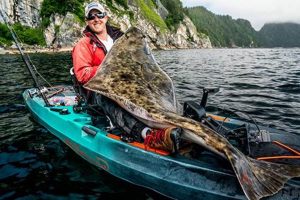
Specialized kayaks designed for angling are often sold by large agricultural and outdoor retailers. These retailers typically offer a wide selection of kayaks suitable for various fishing styles and experience levels, from beginner-friendly sit-on-top models to advanced pedal-powered and motorized versions. Customers can often find a range of related equipment, such as paddles, life vests, fishing rods, and tackle, all in one convenient location.
The availability of fishing kayaks at these retailers provides significant advantages for anglers. Centralized locations offer a one-stop shop for all fishing needs, saving customers time and effort. The wide variety of kayaks available caters to diverse budgets and preferences, ensuring anglers can find a suitable vessel. Furthermore, the expertise of store staff can be invaluable for customers seeking advice on kayak selection, accessories, and local fishing conditions. Historically, acquiring a fishing kayak often involved multiple vendors and specialized outfitters. The emergence of large retailers offering comprehensive selections has simplified the process significantly, making the sport more accessible.
The subsequent sections will delve into specific kayak models, essential features, and factors to consider when choosing a fishing kayak from these types of retailers. Additional topics will cover relevant safety gear, fishing techniques from a kayak, and maintenance tips to ensure the longevity of the investment.
Tips for Selecting and Using a Fishing Kayak
Choosing the right kayak and employing appropriate techniques are crucial for a successful and enjoyable fishing experience. The following tips offer guidance for anglers at all skill levels.
Tip 1: Consider Kayak Type: Different kayak types suit different fishing styles and water conditions. Sit-on-top kayaks offer stability and ease of entry/exit, ideal for calm waters and beginners. Sit-in kayaks provide better protection from the elements and enhanced paddling efficiency, suitable for longer trips and rougher conditions. Pedal kayaks allow hands-free fishing and increased speed, while motorized kayaks offer the greatest range and convenience.
Tip 2: Evaluate Stability and Capacity: Stability is paramount, especially when casting or reeling in a fish. Consider the kayak’s width and hull design. Capacity determines how much gear and equipment can be carried comfortably and safely. Factor in body weight, fishing gear, and any additional accessories.
Tip 3: Choose Appropriate Features: Look for features designed for fishing, such as rod holders, tackle storage compartments, and anchor trolleys. A comfortable seat and adjustable footrests are crucial for longer trips.
Tip 4: Prioritize Safety: Always wear a personal flotation device (PFD). Carry a whistle, signaling device, and a first-aid kit. Check weather conditions before heading out and inform someone of your fishing plans and expected return time.
Tip 5: Practice Paddling and Maneuvering: Familiarize yourself with the kayak’s handling characteristics before venturing into open water. Practice paddling, turning, and maintaining balance. Consider taking a kayaking safety course.
Tip 6: Respect the Environment: Adhere to local fishing regulations and practice catch-and-release whenever possible. Pack out all trash and minimize your impact on the environment.
Tip 7: Learn Basic Kayak Fishing Techniques: Research and practice casting techniques specific to kayak fishing. Understand how wind and currents affect kayak positioning and adjust accordingly.
By considering these tips, anglers can enhance their safety, improve their fishing success, and contribute to a more enjoyable and sustainable experience on the water.
This information provides a foundation for making informed decisions about kayak selection and usage. The concluding section offers further resources and recommendations for continued learning and exploration in the world of kayak fishing.
1. Kayak Types

Understanding the various kayak types available at a retailer like Fleet Farm is fundamental to selecting the right vessel for specific fishing needs. Kayak design significantly influences stability, maneuverability, and overall fishing experience. This section explores the prevalent kayak types commonly found at such retailers.
- Sit-on-Top Kayaks
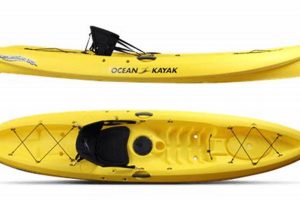
Sit-on-top kayaks are popular choices for beginners due to their inherent stability and ease of entry and exit. Their open design allows for greater freedom of movement and simplifies recovery in case of a capsize. These kayaks are well-suited for calm waters and warm climates. Within the sit-on-top category, retailers like Fleet Farm may offer variations designed specifically for fishing, incorporating features like rod holders and integrated tackle storage. Examples include the Pelican Catch PWR 100 and the Lifetime Tamarack Angler 100. These specialized designs cater to the needs of anglers while retaining the core benefits of sit-on-top construction.
- Sit-Inside Kayaks
Sit-inside kayaks offer greater protection from the elements and enhanced paddling efficiency due to their lower center of gravity and streamlined design. They are suitable for colder conditions and longer paddling distances. While requiring more skill to enter and exit, sit-inside kayaks offer a more connected feel with the water, enhancing maneuverability for experienced paddlers. Retailers often stock sit-inside models specifically outfitted for fishing, with features such as adjustable foot braces for improved paddling control and dedicated storage compartments for fishing gear. Examples include the Perception Pescador Pro 12 and the Wilderness Systems Pungo 120. These models blend performance paddling characteristics with angler-specific features.
- Pedal Kayaks
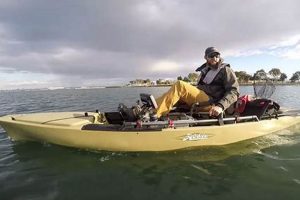
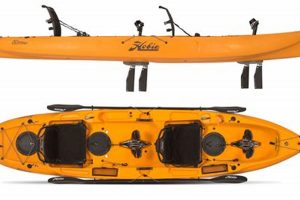
Pedal kayaks utilize a foot-powered propulsion system, allowing anglers to keep their hands free for fishing. These kayaks offer increased speed and efficiency compared to traditional paddle kayaks, enabling anglers to cover greater distances and access more fishing spots. The hands-free operation is particularly advantageous for techniques like trolling or fly fishing. Fleet Farm and similar retailers often carry pedal kayaks from brands like Hobie and Native Watercraft, providing a selection that caters to anglers seeking enhanced mobility on the water. The Hobie Mirage Outback and the Native Watercraft Slayer Propel 10 are representative examples of this category, known for their innovative propulsion systems and angler-friendly designs.
- Inflatable Kayaks
Inflatable kayaks offer a convenient and portable option for anglers. Their compact size when deflated allows for easy transport and storage, making them ideal for those with limited space. While generally less durable than rigid kayaks, inflatable models have improved significantly in recent years, offering surprisingly stable and capable fishing platforms. Retailers frequently offer inflatable kayaks suitable for fishing, featuring reinforced construction and specialized accessories for added stability and functionality. The Advanced Elements AdvancedFrame Sport and the Sea Eagle 330 Sport Kayak are typical examples offered by retailers, providing anglers with portable and versatile options for accessing various fishing locations.
By understanding the distinctions between these kayak types and considering individual fishing needs, anglers can make informed decisions when selecting a kayak from a retailer like Fleet Farm. The choice of kayak significantly impacts fishing effectiveness and overall enjoyment on the water.
2. Sizes and Capacity

Kayak size and capacity are critical factors influencing fishing performance and safety, particularly within the context of a large retail environment like Fleet Farm. Appropriate sizing ensures stability and efficient maneuvering, while sufficient capacity safely accommodates angler weight, fishing gear, and any additional equipment. An improperly sized or overloaded kayak compromises stability, increasing the risk of capsizing, especially during casting, reeling, or navigating challenging water conditions. Fleet Farm’s diverse inventory necessitates careful consideration of these factors to match the kayak to individual needs and intended fishing styles. For instance, a smaller, lighter kayak might suit a solo angler fishing calm ponds, while a larger, higher-capacity kayak is necessary for tackling open water or accommodating multiple anglers and gear. The correlation between kayak dimensions and weight capacity is directly relevant to angler safety and fishing efficacy.
Consider a scenario where an angler selects a kayak with insufficient weight capacity from Fleet Farm’s inventory. Overloading the kayak reduces freeboard, increasing the risk of water intrusion and potentially leading to capsize. Conversely, an excessively large kayak can be cumbersome to maneuver, hindering efficient paddling and navigation, especially in confined spaces. Understanding the relationship between kayak length, width, and weight capacity is crucial for optimizing performance and safety. For solo anglers fishing in protected waters, a shorter kayak (10-12 feet) with a moderate capacity (300-350 lbs) may suffice. Anglers venturing into open water or requiring additional storage for gear should consider longer kayaks (12-14 feet) with higher weight capacities (400-500 lbs). Fleet Farm’s selection likely includes models across this spectrum, underscoring the importance of informed decision-making based on individual needs and anticipated fishing environments.
Selecting the appropriate size and capacity contributes significantly to a safe and successful fishing experience. Understanding the interplay of these factors with intended fishing locations and anticipated gear load empowers informed purchasing decisions at retailers like Fleet Farm. Failure to consider size and capacity can lead to compromised stability, reduced maneuverability, and potentially dangerous situations on the water. By carefully evaluating these parameters, anglers can maximize their fishing kayak investment and ensure a safe and enjoyable experience.
3. Features (Rod Holders, etc.)

Specialized features distinguish fishing kayaks from recreational models, directly influencing angling efficacy and overall experience. Retailers like Fleet Farm offer a diverse selection of fishing kayaks equipped with varying features, requiring careful consideration based on individual fishing styles and preferences. Rod holders, a ubiquitous feature, secure fishing rods, freeing hands for paddling, baiting hooks, or landing fish. Multiple rod holders allow anglers to employ diverse fishing techniques simultaneously. Flush-mounted rod holders minimize interference with paddling, while adjustable rod holders offer versatility in positioning rods at optimal angles. The availability of specific rod holder types and configurations within Fleet Farm’s inventory allows anglers to tailor their kayak selection to specific fishing needs. For example, an angler targeting trolling applications might prioritize adjustable rod holders, while a fly fisherman may prefer flush-mounted configurations. Understanding these nuances enhances informed decision-making at the point of purchase.
Beyond rod holders, integrated tackle storage compartments within fishing kayaks offer organized storage for lures, hooks, and other essential gear. Dry storage compartments safeguard electronics and valuables from water damage. Features like anchor trolleys facilitate controlled drifting and precise positioning in desired fishing locations. Paddle parks provide secure storage for paddles during fishing, preventing loss or interference with fishing lines. The presence and quality of these features within Fleet Farm’s selection significantly impact the functionality and overall value of the fishing kayak. An angler specializing in lure fishing benefits from ample tackle storage, while an angler frequently fishing in currents values a reliable anchor trolley system. Evaluating these features based on individual fishing practices is essential for maximizing the utility of the kayak. The availability of specific features at Fleet Farm influences purchasing decisions, as anglers seek kayaks equipped to meet their specific needs and enhance their on-the-water experience.
In conclusion, the availability and configuration of specialized features like rod holders, storage compartments, and anchor systems are pivotal considerations when selecting a fishing kayak from a retailer such as Fleet Farm. Understanding the functional implications of these features in relation to specific fishing techniques and environments is essential for making informed purchasing decisions. Evaluating these features based on individual needs ensures a kayak optimized for fishing success and overall enjoyment on the water. The diversity of features available at Fleet Farm presents anglers with choices that directly influence their fishing experience, highlighting the importance of careful consideration and informed selection based on individual fishing styles and preferences.
4. Pricing and Budget

Budget considerations play a crucial role in selecting a fishing kayak, especially within the context of a large retailer like Fleet Farm, known for its diverse inventory and price points. Fishing kayaks span a wide price range, influenced by factors such as size, features, materials, and brand reputation. Establishing a realistic budget before exploring Fleet Farm’s selection allows for focused browsing and prevents overspending. A clear budget facilitates comparison shopping within the desired price bracket, enabling informed decisions based on value and features rather than impulse purchases. Understanding the relationship between price and features within Fleet Farm’s fishing kayak offerings allows anglers to prioritize essential features within their budget constraints. For example, an angler with a limited budget might prioritize stability and basic features over advanced electronics or pedal-drive systems, opting for a more affordable sit-on-top model within their price range. Conversely, an angler with a larger budget may prioritize advanced features and higher-end construction materials, selecting a premium fishing kayak equipped with integrated electronics and a comfortable seating system. This budget-conscious approach maximizes value and ensures alignment between expenditure and desired features.
Fleet Farm’s pricing strategies, such as seasonal sales, clearance events, and promotional offers, can significantly impact purchasing decisions. Monitoring these opportunities allows budget-conscious anglers to acquire higher-quality kayaks at reduced prices. Comparing Fleet Farm’s prices with those of other retailers, both online and brick-and-mortar, provides a comprehensive understanding of market value and ensures competitive pricing. Researching price history and utilizing price comparison tools can reveal potential savings and inform purchasing decisions. For example, an angler might discover that a specific kayak model is consistently offered at a lower price during Fleet Farm’s annual spring sale, allowing them to plan their purchase strategically. Similarly, comparing prices across multiple retailers may reveal that Fleet Farm offers a particular kayak model at a more competitive price than competitors, further informing the purchasing decision. This proactive approach to price awareness maximizes budget efficiency and ensures optimal value for the investment.
In conclusion, establishing a realistic budget and understanding Fleet Farm’s pricing dynamics are essential for making informed purchasing decisions. A well-defined budget facilitates focused browsing, prevents overspending, and enables informed choices based on value and desired features. Leveraging Fleet Farm’s pricing strategies, comparing prices across retailers, and utilizing price comparison tools empower budget-conscious anglers to maximize their purchasing power. By carefully considering budget constraints in relation to desired features and available pricing, anglers can acquire a fishing kayak that aligns with their financial resources and fishing aspirations, ensuring a satisfying and cost-effective purchase.
5. Fleet Farm's Selection

Fleet Farm’s selection of fishing kayaks represents a critical component of the “fishing kayak fleet farm” concept. The retailer’s offerings directly influence consumer access to specialized fishing kayaks, impacting purchase decisions and overall fishing experiences. Examining specific facets of Fleet Farm’s selection provides valuable insights into the retailer’s role in facilitating kayak fishing. This exploration considers key aspects, including brand diversity, kayak specialization, accessory availability, and the potential influence on local fishing communities.
- Brand Diversity
The range of brands offered by Fleet Farm directly impacts consumer choice and access to various kayak designs and technologies. Offering established brands like Pelican, Lifetime, and Sun Dolphin alongside specialized fishing kayak brands like Hobie and Old Town provides consumers with a spectrum of options, catering to diverse budgets and fishing styles. A broad brand selection ensures access to varying price points, features, and construction materials, empowering informed purchasing decisions based on individual needs. For instance, an angler seeking a budget-friendly recreational fishing kayak might opt for a Pelican model, while a serious angler prioritizing advanced features and performance could choose a Hobie MirageDrive kayak. This diversity within Fleet Farm’s selection reflects the broader market landscape and caters to the diverse needs of the “fishing kayak fleet farm” consumer base.
- Kayak Specialization
Fleet Farm’s selection likely encompasses various specialized fishing kayak models, catering to specific fishing disciplines and environments. This specialization may include kayaks designed for bass fishing, ocean kayaking, or river fishing, each incorporating features tailored to the specific demands of the activity. For example, bass fishing kayaks might feature swivel seats, ample storage for tackle boxes, and dedicated transducer mounts for fish finders. Ocean fishing kayaks prioritize stability and seaworthiness, often incorporating specialized features like rudder systems and high-capacity storage. This specialization within Fleet Farm’s inventory reflects the diverse needs of anglers and supports various “fishing kayak fleet farm” applications, ensuring consumers can find kayaks suited to their preferred fishing styles and environments.
- Accessory Availability
The availability of essential kayak fishing accessories at Fleet Farm streamlines the purchasing process and enhances overall customer experience. Offering paddles, life vests, fishing rods, tackle boxes, and other related gear alongside kayaks provides a convenient one-stop shopping experience for anglers. This integrated approach simplifies outfitting a fishing kayak, eliminating the need to source accessories from multiple vendors. For example, an angler purchasing a fishing kayak at Fleet Farm can simultaneously acquire appropriate paddles, a life vest, and essential fishing gear, streamlining the preparation process and enhancing the overall “fishing kayak fleet farm” experience. This convenience contributes to customer satisfaction and strengthens Fleet Farm’s position as a comprehensive outfitter for kayak anglers.
- Impact on Local Fishing Communities
Fleet Farm’s presence and kayak selection can influence local fishing communities by providing accessible resources and fostering participation in the sport. Offering a range of kayaks and accessories makes kayak fishing more accessible to individuals who might not otherwise have considered it. This increased accessibility can contribute to the growth of local fishing communities, fostering connections among anglers and supporting local fishing ecosystems. For instance, Fleet Farm’s introductory kayak models and accessible pricing might encourage novice anglers to explore the sport, contributing to the growth and vitality of local “fishing kayak fleet farm” enthusiasts. This influence extends beyond individual purchases, potentially impacting local fishing clubs, tournaments, and conservation efforts, fostering a sense of community and shared passion for kayak fishing.
In summary, Fleet Farm’s selection of fishing kayaks significantly influences the “fishing kayak fleet farm” landscape. The retailer’s brand diversity, kayak specialization, accessory availability, and potential impact on local fishing communities are interconnected elements that contribute to consumer choice, accessibility, and overall fishing experiences. By offering a diverse and well-equipped inventory, Fleet Farm facilitates participation in kayak fishing and plays a vital role in shaping the “fishing kayak fleet farm” experience for anglers of all levels.
6. Accessories Availability

Accessory availability is integral to the “fishing kayak fleet farm” concept, directly influencing angler preparedness and overall fishing experience. A retailer’s accessory offerings determine the convenience and comprehensiveness of outfitting a fishing kayak, impacting angler satisfaction and potentially influencing purchasing decisions. Exploring key facets of accessory availability within this context reveals its significance within the “fishing kayak fleet farm” landscape.
- Essential Safety Gear
The availability of essential safety gear, such as personal flotation devices (PFDs), whistles, and first-aid kits, is paramount for responsible kayak fishing. Retailers stocking these items alongside fishing kayaks promote angler safety and contribute to a more responsible “fishing kayak fleet farm” environment. Offering a range of PFD sizes and styles ensures proper fit and encourages compliance with safety regulations. The presence of signaling devices and first-aid supplies further equips anglers for unforeseen circumstances, fostering a culture of safety within the “fishing kayak fleet farm” community. For example, an angler purchasing a fishing kayak can readily acquire a suitable PFD and safety kit at the same location, simplifying the process and reinforcing the importance of safety precautions.
- Paddles and Propulsion Accessories
Paddles are fundamental to kayak navigation, and their availability directly impacts fishing kayak usability. Retailers offering a variety of paddle lengths, blade shapes, and materials cater to diverse angler preferences and paddling styles. The availability of specialized propulsion accessories, such as pedal drives and electric motors, further expands options for anglers seeking enhanced mobility and hands-free fishing. For example, an angler targeting larger bodies of water might opt for a longer, more efficient paddle or a pedal-drive system, while an angler fishing in shallow, confined areas might prefer a shorter, more maneuverable paddle. This variety within a retailer’s inventory supports diverse “fishing kayak fleet farm” applications.
- Fishing-Specific Accessories
The availability of fishing-specific accessories directly enhances kayak angling functionality. Rod holders, anchor trolleys, fish finders, and tackle storage solutions are essential components of a well-equipped fishing kayak. Retailers offering these specialized accessories facilitate customization and optimize kayak setups for specific fishing techniques. For instance, an angler specializing in trolling might require multiple rod holders and a downrigger, while an angler focused on bottom fishing values a reliable anchor trolley system and a fish finder. The presence of these specialized accessories within the retail environment supports diverse “fishing kayak fleet farm” approaches.
- Storage and Transportation Solutions
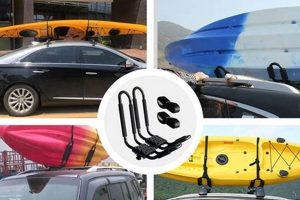
Kayak storage and transportation solutions are crucial for angler convenience and kayak longevity. Retailers offering roof racks, kayak carts, and storage covers simplify transport and protect kayaks from damage during storage. The availability of these solutions enhances the overall “fishing kayak fleet farm” experience by addressing practical considerations beyond the on-the-water activities. For example, an angler with limited storage space might require a kayak hoist or a compact storage solution, while an angler frequently transporting their kayak benefits from a high-quality roof rack system and kayak cart. These practical considerations contribute to the overall ease and enjoyment of “fishing kayak fleet farm” pursuits.
In summary, accessory availability is intrinsically linked to the “fishing kayak fleet farm” experience. The comprehensive provision of safety gear, paddles, fishing-specific accessories, and storage solutions enhances angler preparedness, expands fishing capabilities, and simplifies logistical aspects of kayak ownership. The availability of these items within the retail environment directly influences angler satisfaction and contributes to a more complete and enjoyable “fishing kayak fleet farm” experience. A well-equipped retailer fosters a supportive environment for anglers, enabling them to fully embrace the diverse possibilities of kayak fishing.
7. In-Store Expertise

In-store expertise forms a critical link within the “fishing kayak fleet farm” ecosystem, bridging the gap between product selection and successful angling experiences. Knowledgeable staff contribute significantly to informed purchasing decisions, impacting customer satisfaction and fostering a positive relationship between anglers and the retail environment. This expertise translates into practical guidance, assisting customers in navigating the often-complex landscape of fishing kayak selection, features, and accessories. A well-trained staff can effectively assess individual needs, matching anglers with appropriate kayak types, sizes, and features, ultimately enhancing on-the-water experiences. This direct interaction addresses the inherent complexities of choosing among various kayak types, such as sit-on-top versus sit-inside models, pedal-driven versus paddle kayaks, and understanding the nuances of hull design, weight capacity, and stability considerations. For example, a novice angler seeking guidance might benefit from expert advice on kayak stability and ease of use, while a seasoned angler might seek insights into advanced features like rudder systems or integrated fish finder compatibility. This tailored guidance distinguishes informed purchasing from uninformed acquisition, maximizing the likelihood of a satisfying purchase and fostering positive associations with the retail experience.
Practical applications of in-store expertise extend beyond product selection. Knowledgeable staff can provide valuable insights into local fishing conditions, recommending suitable fishing locations, and suggesting appropriate rigging and tackle configurations. This localized knowledge enhances the overall fishing experience, increasing the likelihood of successful outings and fostering a sense of community among anglers. Sharing insights on local fishing regulations, waterway access points, and prevailing weather patterns empowers anglers with valuable information often unavailable through online resources. For instance, staff familiar with local waterways can advise anglers on optimal launch sites, prevailing currents, and potential hazards, enhancing safety and maximizing fishing opportunities. Furthermore, in-store experts can recommend suitable fishing gear, lures, and bait based on local fish species and prevailing fishing conditions. This localized knowledge elevates the “fishing kayak fleet farm” experience beyond mere product acquisition, fostering a comprehensive and supportive environment for anglers.
In summary, in-store expertise serves as a vital component of the “fishing kayak fleet farm” concept. Knowledgeable staff bridge the gap between product selection and successful angling experiences, guiding customers toward appropriate kayak choices and providing valuable insights into local fishing conditions. This personalized guidance enhances customer satisfaction, fosters a positive relationship between anglers and the retailer, and contributes to a more informed and enjoyable fishing experience. Challenges may include maintaining consistent staff training and expertise across multiple store locations and adapting to the evolving landscape of fishing kayak technology and techniques. However, the fundamental value of in-store expertise remains a cornerstone of the “fishing kayak fleet farm” concept, ensuring that anglers receive the guidance and support necessary for successful and fulfilling on-the-water adventures.
Frequently Asked Questions about Fishing Kayaks at Fleet Farm
This FAQ section addresses common inquiries regarding the selection, use, and maintenance of fishing kayaks purchased from retailers like Fleet Farm. The information provided aims to clarify potential uncertainties and empower informed purchasing decisions.
Question 1: What type of fishing kayak is best suited for beginners at Fleet Farm?
Stable and user-friendly sit-on-top kayaks are generally recommended for beginners. These kayaks offer ease of entry and exit, inherent stability, and simplified recovery in case of capsize. Fleet Farm likely offers a selection of sit-on-top models specifically designed for fishing, incorporating features like rod holders and integrated tackle storage.
Question 2: How does one determine the appropriate kayak weight capacity?
Kayak weight capacity should comfortably exceed the combined weight of the angler, fishing gear, and any additional equipment. Exceeding the specified capacity compromises stability and increases the risk of capsizing. Fleet Farm provides weight capacity information for each kayak model, enabling informed selection based on individual needs.
Question 3: What essential features should anglers consider when selecting a fishing kayak at Fleet Farm?
Essential features include rod holders, adjustable seating systems, ample storage compartments for tackle and gear, and an anchor trolley system. The presence and configuration of these features influence fishing functionality and overall comfort. Fleet Farm’s staff can provide guidance on feature selection based on individual fishing styles and preferences.
Question 4: What safety precautions should be taken when operating a fishing kayak purchased from Fleet Farm?
Always wear a properly fitted personal flotation device (PFD). Inform someone of planned fishing locations and expected return times. Check weather conditions before embarking on fishing trips. Carry essential safety gear, including a whistle, signaling device, and a first-aid kit. Adhering to these precautions enhances safety on the water.
Question 5: How does one transport and store a fishing kayak purchased from Fleet Farm?
Fleet Farm likely offers various kayak transportation and storage solutions. Roof racks facilitate secure transport on vehicles. Kayak carts simplify movement from vehicle to launch site. Storage covers protect kayaks from the elements during storage. Selecting appropriate solutions ensures convenient transport and preserves kayak longevity.
Question 6: How does Fleet Farm’s in-store expertise contribute to the selection of a fishing kayak?
Fleet Farm’s staff can provide valuable guidance on kayak selection, features, and accessories. Their expertise can assist anglers in choosing appropriate kayak types, sizes, and configurations based on individual needs and fishing styles. This personalized guidance enhances informed purchasing decisions.
By addressing these common inquiries, this FAQ section aims to equip prospective kayak anglers with the information necessary to make informed decisions when selecting and using a fishing kayak purchased from Fleet Farm. Careful consideration of these factors contributes to a safe, enjoyable, and successful fishing experience.
The following section delves into specific kayak models available at Fleet Farm, highlighting key features and differentiating characteristics to further assist in the selection process.
Fishing Kayak Fleet Farm
Careful consideration of factors influencing fishing kayak selection at retailers like Fleet Farm is crucial for optimizing on-the-water experiences. Kayak type, size, features, and budget considerations are paramount. Fleet Farm’s selection, accessory availability, and in-store expertise further shape purchasing decisions. Understanding these elements empowers informed choices, aligning angler needs with appropriate kayak characteristics and enhancing fishing success and overall satisfaction. The exploration of these factors emphasizes the importance of a thoughtful approach to kayak acquisition within the retail environment exemplified by Fleet Farm.
The “fishing kayak fleet farm” concept represents a confluence of angler aspirations and retail provisions. Successful integration of these elements necessitates informed decision-making, emphasizing the importance of research, product knowledge, and leveraging available resources. The pursuit of enhanced fishing experiences through specialized kayak selection underscores the evolving landscape of angling and the critical role retailers play in facilitating these pursuits. Careful consideration of the factors discussed herein contributes not only to individual angling success but also to the continued growth and evolution of the sport within the broader context of outdoor recreation.