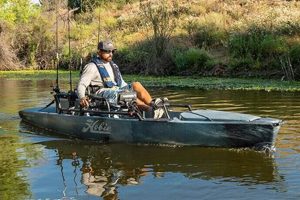
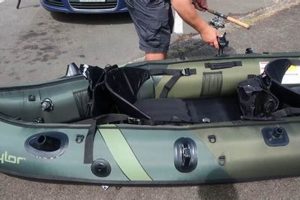
Acquiring a kayak designed for angling through online marketplaces offers a convenient way to compare various brands, models, and price points. This approach provides access to both new and used equipment, often from individual sellers and retailers alike, expanding the potential for finding specific features or securing a deal. For example, a buyer might locate a lightly used, high-end fishing kayak at a significant discount compared to purchasing new from a retail store.
Utilizing online marketplaces for these purchases benefits consumers by offering a broader selection and increased price competition. It also empowers sellers, providing a platform to reach a wider audience. The growth of e-commerce has significantly impacted the outdoor sporting goods market, creating new avenues for both buyers and sellers to connect and exchange goods. This shift has led to greater transparency and accessibility within the market.
The subsequent sections will delve into specific strategies for maximizing the benefits of purchasing a specialized kayak online. Topics covered will include effective search techniques, evaluating seller reputation, assessing product condition, understanding shipping logistics, and navigating secure payment methods.
Tips for Acquiring a Fishing Kayak via Online Marketplaces
Locating a suitable fishing kayak through online marketplaces requires careful consideration of several factors. The following tips provide guidance for navigating the process effectively.
Tip 1: Refine Search Queries: Employ specific search terms, including kayak brand, model, length, material (e.g., “Perception Pescador 12 sit-on-top”), and desired features (e.g., “rudder,” “fish finder mount”).
Tip 2: Scrutinize Seller Profiles: Review seller ratings, feedback comments, and return policies. Prioritize established sellers with positive reputations.
Tip 3: Inspect Product Descriptions and Images: Examine provided photographs closely for signs of wear, damage, or modifications. Clarify any ambiguities within the description by contacting the seller.
Tip 4: Factor in Shipping Costs and Logistics: Confirm shipping methods, costs, and delivery timeframes before committing to a purchase. Large items may require freight shipping or local pickup.
Tip 5: Utilize Secure Payment Methods: Opt for secure payment gateways offering buyer protection in case of disputes or non-delivery.
Tip 6: Compare Prices Across Multiple Listings: Research similar kayaks from different sellers to ensure a competitive price. Consider the age, condition, and included accessories when comparing.
Tip 7: Inquire About Warranty and Return Policies: Check whether the kayak remains under warranty and understand the seller’s return policy in case the item arrives damaged or does not match the description.
By adhering to these guidelines, prospective buyers can significantly increase their chances of securing a suitable fishing kayak at a fair price while mitigating potential risks associated with online transactions. These steps ensure informed decision-making and contribute to a positive buying experience.
The concluding section will offer additional resources and recommendations for maintaining and equipping a fishing kayak for optimal performance.
1. Finding the right model
Model selection represents a critical step when procuring a fishing kayak through online marketplaces. Numerous kayak designs cater to various fishing styles, body types, and water conditions. Aligning the kayak’s features with individual needs ensures optimal performance and enjoyment. For example, an angler targeting large game fish in offshore waters requires a stable, ocean-worthy kayak with ample storage, unlike an angler fishing small lakes or rivers, who might prioritize maneuverability and portability. Effectively leveraging search filters and refining queries based on specific criteria like length, weight capacity, hull design (sit-on-top vs. sit-inside), and included features significantly improves the search process. Careful consideration of these factors ensures the chosen model aligns with the intended fishing environment and style.
Marketplaces offer a diverse selection of fishing kayaks, ranging from entry-level recreational models to high-end, feature-rich designs. Understanding the nuances of each model’s capabilities and limitations empowers informed decisions. Researching manufacturer specifications, reading online reviews, and comparing models within a similar price range assists in identifying the optimal choice. This research-driven approach mitigates the risk of acquiring an unsuitable kayak and maximizes long-term satisfaction. Furthermore, considering factors like storage space, transportation methods, and desired accessories allows for a more comprehensive evaluation. Thinking holistically about these practical elements ensures compatibility with existing equipment and lifestyle.
Selecting the appropriate fishing kayak model directly impacts the overall angling experience. A properly matched kayak enhances stability, comfort, and efficiency on the water. Conversely, an unsuitable model can lead to instability, discomfort, and limited functionality. Investing time in thorough research and careful model selection yields a more productive and enjoyable fishing experience, maximizing the value of the purchase. This informed approach represents a crucial step in acquiring a fishing kayak that meets individual angling needs and enhances overall performance.
2. Assessing Seller Reputation

Evaluating seller reputation constitutes a critical aspect of acquiring a fishing kayak through online marketplaces. A seller’s history and customer feedback provide valuable insights into their reliability, trustworthiness, and the likelihood of a smooth transaction. Neglecting this due diligence exposes buyers to potential risks, including misrepresented product descriptions, shipping delays, or difficulties with returns. Thorough seller assessment mitigates these risks and contributes significantly to a positive buying experience.
- Feedback Score and Rating:
Numerical ratings and feedback scores offer a quantifiable measure of a seller’s past performance. High ratings and positive feedback generally indicate a reliable seller with satisfied customers. Conversely, low ratings or negative feedback warrant further investigation. Examining the specific comments within the feedback section provides context and highlights potential recurring issues. This quantitative and qualitative analysis informs purchasing decisions and helps identify trustworthy sellers.
- Transaction History and Longevity:
A seller’s transaction history reflects their experience and engagement within the marketplace. Established sellers with a substantial history of successful transactions demonstrate a higher level of reliability compared to newer sellers with limited history. Longevity within the platform can indicate a commitment to customer satisfaction and ethical business practices. This historical perspective adds another layer of confidence in the purchasing process.
- Return Policy and Customer Service:
A clear and comprehensive return policy provides recourse in case the received kayak does not meet expectations or arrives damaged. Sellers offering reasonable return windows and straightforward return processes demonstrate a commitment to customer satisfaction. Furthermore, responsive and helpful customer service contributes to a positive buying experience. Checking for contact information and responsiveness to inquiries provides additional insights into seller reliability.
- Verification and Badges:
Online marketplaces often implement seller verification programs or award badges to recognize reputable sellers who consistently meet specific criteria. These verifications and badges offer an additional layer of trust and assurance to buyers. Prioritizing sellers with these designations can further mitigate potential risks. Understanding the specific criteria associated with these recognitions adds valuable context to the seller assessment process.
By meticulously evaluating these facets of seller reputation, prospective buyers significantly reduce the risks associated with online transactions. This careful consideration contributes to a more secure and informed purchasing decision, ultimately enhancing the likelihood of acquiring a fishing kayak that meets expectations and facilitates a positive buying experience. This due diligence proves invaluable, especially with high-value purchases like fishing kayaks.
3. Verifying Kayak Condition

Verifying the condition of a fishing kayak purchased through online marketplaces like eBay is paramount. The inherent limitations of remote transactions necessitate a thorough evaluation process to mitigate the risk of receiving a damaged or misrepresented product. Unlike in-person purchases, where physical inspection is readily available, online buyers rely heavily on seller-provided information, including descriptions and images. A meticulous approach to condition verification protects buyers from potentially costly repairs or returns.
Several factors contribute to the importance of condition verification. Firstly, kayaks are susceptible to various forms of damage, including hull cracks, scratches, UV degradation, and hardware corrosion. Secondly, the seller’s description might not fully capture the extent of wear or potential hidden defects. For example, a minor scratch described in the listing could conceal a deeper structural issue. Similarly, a kayak advertised as “lightly used” might exhibit more extensive wear than anticipated. Therefore, relying solely on textual descriptions presents inherent risks. Supplementing textual information with detailed photographs, ideally from multiple angles and close-ups of critical areas, becomes essential. Requesting additional images or videos from the seller, focusing on specific areas of concern, further enhances the verification process.
Practical applications of thorough condition verification include scrutinizing images for signs of repair work, assessing the condition of seating, hatches, and other hardware, and verifying the presence and functionality of key features like rudders or fish finder mounts. Furthermore, inquiring about the kayak’s storage history, usage frequency, and any previous repairs empowers informed decision-making. Investing time in this detailed evaluation process ultimately contributes to a more secure and satisfactory purchasing experience. Failure to adequately verify condition can lead to disputes, returns, and financial losses. Therefore, meticulous condition verification stands as a crucial component of acquiring a fishing kayak through online marketplaces. This proactive approach minimizes potential risks and maximizes the probability of receiving a kayak that meets expectations.
4. Calculating Shipping Costs

Shipping costs represent a significant factor when purchasing a fishing kayak through online marketplaces like eBay. Due to the item’s size and weight, shipping expenses can vary considerably and significantly impact the overall purchase price. Accurately calculating these costs upfront is essential for informed budgeting and avoiding unexpected expenditures. Neglecting this aspect can lead to unpleasant surprises and potentially derail a purchase.
- Shipping Method:
Shipping methods for kayaks typically include freight shipping, specialized kayak carriers, or standard courier services. Each method carries distinct cost implications and delivery timeframes. Freight shipping, while potentially more economical for long distances, often involves slower delivery times and requires buyers to arrange pickup from a designated freight terminal. Specialized kayak carriers, catering specifically to oversized items like kayaks, may offer more convenient door-to-door delivery but at a premium cost. Standard courier services, if applicable, might be suitable for smaller, modular kayaks but are generally less common for larger, single-piece models. Choosing the appropriate shipping method requires careful consideration of cost, convenience, and delivery speed.
- Distance and Location:
Shipping distance significantly influences cost. Greater distances invariably translate to higher shipping fees. Furthermore, shipping to or from remote locations can incur additional surcharges due to logistical complexities. Buyers should utilize the provided shipping calculator or contact the seller directly to obtain accurate shipping quotes based on specific locations. Comparing shipping costs from multiple sellers within a reasonable geographic proximity can potentially yield substantial savings.
- Packaging and Handling:
Sellers may charge additional fees for packaging materials and handling. These fees can vary depending on the seller’s practices and the extent of packaging required to protect the kayak during transit. Clarifying these costs with the seller before finalizing the purchase helps avoid unexpected additions to the total expense. Some sellers may offer different packaging options, ranging from basic wrapping to specialized crating, each impacting the final shipping cost.
- Insurance and Tracking:
Shipping insurance safeguards against potential damage or loss during transit. While not always mandatory, it provides valuable protection, especially for high-value items like fishing kayaks. Tracking information allows buyers to monitor the shipment’s progress and anticipate delivery. Sellers may include these services within the shipping cost or offer them as optional add-ons. Understanding these options allows buyers to make informed decisions regarding protection and peace of mind during the shipping process.
Accurately calculating shipping costs is integral to the overall eBay fishing kayak purchase process. Factoring in these variables empowers informed decision-making and prevents financial surprises. A comprehensive understanding of shipping options, distance-based pricing, packaging fees, and additional services ensures a smooth transaction and facilitates a positive buying experience. Ignoring these elements can result in unexpected costs, potentially exceeding the initial budget allocated for the kayak purchase.
5. Understanding Payment Security
Secure payment processing forms a critical component of online transactions, particularly for higher-value items like fishing kayaks often found on platforms such as eBay. Understanding payment security protocols protects buyers from potential fraud, phishing attempts, and unauthorized access to financial information. This understanding becomes particularly relevant in the context of “fishing kayak eBay” due to the potential financial implications associated with such purchases. A lapse in payment security can lead to significant financial losses and compromise personal data. For example, using unverified payment gateways or sharing financial details outside of secure platforms exposes buyers to potential exploitation. Conversely, utilizing established and secure payment methods minimizes these risks. Reputable online marketplaces typically offer buyer protection programs, adding a layer of security against fraudulent sellers or transactions. Understanding these protections and how to invoke them becomes crucial in the event of disputes or non-delivery.
Practical applications of understanding payment security include verifying the legitimacy of the payment gateway used during checkout, avoiding direct bank transfers or unsecured payment methods, and scrutinizing the website’s security features, such as SSL encryption (indicated by a padlock icon in the browser’s address bar). Furthermore, utilizing strong and unique passwords for online accounts, enabling two-factor authentication where available, and regularly monitoring financial statements for unauthorized activity contribute to a more secure online transaction environment. Being aware of common phishing tactics, such as suspicious emails or links requesting financial information, also minimizes vulnerability. Educating oneself about these security measures strengthens online safety and reduces the risk of financial compromise.
In conclusion, understanding payment security is not merely a supplementary aspect of online transactions but rather a fundamental requirement, especially when purchasing items like fishing kayaks through online marketplaces. Failure to prioritize payment security exposes buyers to substantial financial and personal risks. Conversely, adopting secure practices and remaining vigilant against potential threats fosters a safe and trustworthy online buying experience. This proactive approach safeguards financial information and contributes to a positive and secure transaction process, regardless of the purchased item.
6. Comparing Listed Prices
Price comparison constitutes a crucial step in acquiring a fishing kayak through online marketplaces like eBay. The platform’s diverse seller base and range of product conditions create an environment where prices can fluctuate significantly. A methodical comparison of listed prices empowers informed purchasing decisions, ensuring buyers secure the desired kayak at the most competitive price. Neglecting this comparative analysis can lead to overspending or missing out on potentially better deals.
- Assessing Fair Market Value:
Determining the fair market value for a specific fishing kayak model requires researching recent sales data, considering the kayak’s age, condition, and included accessories. This research establishes a baseline price, enabling buyers to identify overpriced listings and recognize potentially undervalued opportunities. Resources like completed listings on eBay or price aggregation websites provide valuable data points for assessing fair market value. For instance, a new model consistently selling for $1000 should raise concerns if listed for $1500, even with minor upgrades. Conversely, a similar model listed significantly below market value, say $600, might warrant closer inspection for potential undisclosed defects.
- Factoring in Total Cost:
Comparing listed prices extends beyond the initial asking price. Total cost encompasses shipping fees, taxes, and any additional charges for accessories or handling. Failing to account for these supplementary expenses can create a misleading price comparison. A seemingly lower-priced kayak with exorbitant shipping fees can ultimately prove more expensive than a slightly higher-priced kayak with free or discounted shipping. Thoroughly evaluating the total cost ensures accurate price comparisons and prevents unforeseen budget overruns. For example, two identical kayaks listed at $800 and $850 respectively require careful consideration of shipping costs. If the $800 kayak incurs $150 shipping while the $850 kayak offers free shipping, the latter represents a better overall value.
- Evaluating Seller Reputation alongside Price:
While price remains a primary consideration, balancing it against seller reputation is crucial. Opting for the absolute lowest price from a seller with consistently negative feedback might ultimately prove more costly in the long run due to potential complications with shipping, returns, or product misrepresentation. Prioritizing reputable sellers with positive feedback, even at a marginally higher price, often mitigates these risks and contributes to a smoother transaction. For instance, choosing a slightly more expensive kayak from a highly rated seller offering robust buyer protection and a clear return policy often outweighs the risks associated with an extremely low price from a seller with numerous negative reviews and a history of disputes.
- Utilizing Price Tracking Tools:
Several online tools and browser extensions facilitate price tracking, alerting buyers to price drops or fluctuations on specific items. Leveraging these tools enhances price comparison efficiency, particularly for high-demand or seasonally priced items like fishing kayaks. These tools can monitor multiple listings simultaneously and provide notifications when prices fall within a specified range, allowing buyers to seize opportune moments for purchase. This proactive approach maximizes savings and ensures buyers remain informed about market price trends.
In the context of “fishing kayak eBay,” comparing listed prices represents a crucial stage in the purchasing process. Meticulous price comparison, considering not just the initial price but also total cost and seller reputation, empowers informed decisions and maximizes the likelihood of acquiring the desired fishing kayak at the optimal price point. Neglecting this step can lead to financial regrets and a less satisfactory buying experience. This comprehensive evaluation ultimately contributes to a more strategic and financially sound purchase.
7. Reviewing Return Policies

Reviewing return policies is a critical aspect of purchasing a fishing kayak through online marketplaces like eBay. Given the inherent challenges of assessing a product remotely, a comprehensive return policy provides crucial buyer protection. It mitigates the risks associated with receiving a kayak that doesn’t match its description, arrives damaged, or simply doesn’t meet the buyer’s expectations. Failing to scrutinize the return policy before committing to a purchase can lead to significant difficulties and financial losses should the need for a return arise.
- Seller-Specific Policies vs. Platform Policies:
eBay offers certain buyer protections, but individual sellers also establish their own return policies. It is essential to understand both. Some sellers offer more generous return windows or cover return shipping costs, while others adhere strictly to the platform’s minimum requirements. For example, a seller might offer a 30-day return window compared to eBay’s standard 14-day policy, or they might offer free return shipping, which is not mandated by the platform. Discrepancies between seller and platform policies require careful consideration.
- Restocking Fees:
Sellers may impose restocking fees, a percentage of the purchase price deducted from the refund amount upon return. These fees, typically ranging from 10% to 20%, compensate the seller for processing the return and potentially relisting the item. Understanding the restocking fee policy beforehand helps buyers accurately assess the potential cost implications of a return. For instance, a 20% restocking fee on a $1000 kayak translates to a $200 deduction from the refund. Such fees can significantly impact the financial outcome of a return.
- Return Shipping Responsibility:
Clarifying who bears the responsibility for return shipping costs is crucial, especially for bulky items like kayaks. In some cases, the seller might provide prepaid return shipping labels, while in others, the buyer assumes the full cost of returning the kayak. Given the potentially high cost of shipping large items, this aspect significantly influences the feasibility and financial implications of a return. A buyer might reconsider a purchase if they are responsible for return shipping on a heavy item like a kayak, especially if the seller is located far away.
- Condition Requirements for Returns:
Sellers often stipulate specific conditions for accepted returns, such as requiring the kayak to be returned in its original packaging, with all accessories, and in the same condition as received. Failure to meet these conditions can result in denial of the return or a reduced refund amount. Thoroughly understanding these requirements before initiating a purchase ensures a smooth return process if necessary. For example, if the seller requires the original packaging and the buyer discarded it, the return might be rejected. Therefore, retaining all original packaging and documentation is advisable until the buyer is fully satisfied with the purchase.
In the context of purchasing a fishing kayak on eBay, a thorough review of the return policy is paramount. Understanding the nuances of seller-specific policies, restocking fees, return shipping responsibilities, and condition requirements empowers informed purchasing decisions and mitigates potential financial risks. This due diligence protects buyers from unforeseen complications and contributes to a more confident and secure online buying experience. Overlooking this critical aspect can lead to significant financial implications and dissatisfaction with the overall purchase process.
Frequently Asked Questions
This section addresses common inquiries regarding the acquisition of fishing kayaks through online marketplaces, specifically eBay. Clarity on these points facilitates informed purchasing decisions and contributes to a positive buying experience.
Question 1: What are the typical price ranges for fishing kayaks on eBay?
Prices vary significantly based on brand, model, condition, and included accessories. New fishing kayaks can range from several hundred dollars for basic recreational models to several thousand dollars for high-end, feature-rich options. Used kayaks generally offer lower price points, with discounts varying depending on condition and age.
Question 2: How can one assess the condition of a used fishing kayak remotely?
Thorough examination of seller-provided photographs is essential. Requesting additional images or videos focusing on specific areas of concern can provide a more comprehensive assessment. Detailed inquiries about the kayak’s history, usage, and any previous repairs also contribute to a more informed evaluation.
Question 3: What shipping options are typically available for fishing kayaks purchased through eBay?
Common options include freight shipping, specialized kayak carriers, and standard courier services for smaller, modular kayaks. Shipping costs vary depending on the method, distance, and seller’s packaging practices. Clarifying these details with the seller beforehand prevents unforeseen expenses.
Question 4: What payment methods are recommended for secure transactions on eBay?
Utilizing eBay’s recommended payment gateways provides buyer protection and secure transaction processing. Avoiding direct bank transfers or sharing financial information outside of the platform’s secure channels mitigates potential risks.
Question 5: How can buyers protect themselves from fraudulent sellers or misrepresented listings?
Thorough seller research, focusing on feedback ratings, transaction history, and return policies, helps identify reputable sellers and mitigate potential risks. Utilizing secure payment methods and understanding eBay’s buyer protection program further safeguards against fraudulent activity.
Question 6: What recourse do buyers have if a received kayak does not match the listing description or arrives damaged?
Reviewing the seller’s return policy before purchase is crucial. If a discrepancy or damage occurs, contacting the seller promptly and initiating a return or refund request through eBay’s resolution center facilitates a structured process for addressing the issue.
Careful consideration of these frequently asked questions ensures a more informed and secure purchasing experience. Proactive research and communication with sellers minimize potential risks and contribute to a positive outcome.
The following section offers a concluding summary and additional resources for optimizing the fishing kayak ownership experience.
Conclusion
Acquiring a fishing kayak through online marketplaces presents distinct advantages, including access to a wider selection, competitive pricing, and convenient browsing. However, navigating this process requires careful consideration of several key factors. Thorough product research, focusing on model specifications and features aligned with individual angling needs, forms the foundation of a successful purchase. Diligent evaluation of seller reputation, scrutinizing feedback ratings, transaction history, and return policies, mitigates potential risks associated with online transactions. Meticulous verification of kayak condition, utilizing available images and supplementing with seller inquiries, ensures the received product aligns with expectations. Accurate calculation of shipping costs, factoring in distance, method, and additional fees, prevents unforeseen budget overruns. Prioritizing secure payment methods and understanding platform buyer protection programs safeguards financial information and reinforces transaction security. Finally, a comprehensive review of return policies provides recourse in case of unforeseen issues or dissatisfaction with the purchased item.
Strategic and informed decision-making maximizes the benefits of online kayak acquisition. Adhering to these guidelines empowers informed choices, contributing to a positive buying experience and ultimately enhancing enjoyment on the water. The evolving landscape of online marketplaces continues to reshape the acquisition of sporting goods, emphasizing the ongoing need for informed purchasing practices and diligent consumer awareness. Empowered with knowledge and proactive strategies, prospective kayak owners can confidently navigate this landscape, securing the ideal vessel for their angling pursuits.