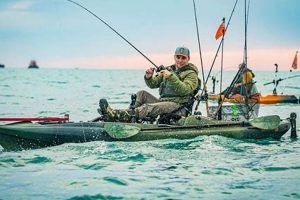
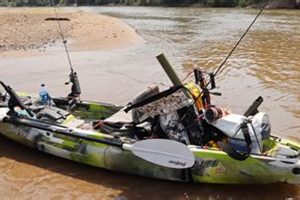
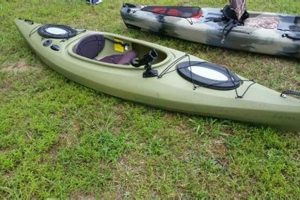
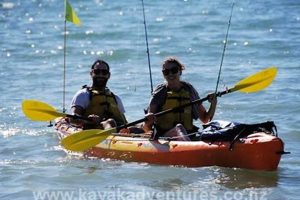
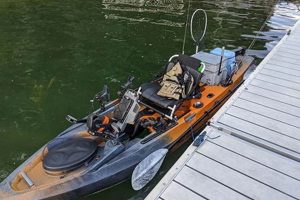
Customizing kayaks for angling involves adding, altering, or fabricating components to improve functionality and the overall fishing experience. Examples include mounting rod holders, installing fish finders, creating storage solutions, and integrating livewells. These adjustments cater to individual preferences and specific fishing styles.
Enhanced angling performance is a primary driver behind these personalized kayak modifications. Tailored setups contribute to greater efficiency, comfort, and success on the water. From improved organization and readily accessible gear to specialized features supporting particular fishing techniques, modifications empower anglers to optimize their kayaks for specific needs and environments. Historically, kayak anglers adapted existing watercraft. The emergence of purpose-built fishing kayaks, coupled with the growing popularity of DIY culture, has fostered a thriving community of tinkerers and innovators who share their creations and inspire others.
This article will delve into various categories of modifications, offering detailed explorations of popular projects, practical advice, and insightful tips for maximizing the potential of a fishing kayak.
Tips for Kayak Fishing Modifications
Careful planning and execution are crucial for successful kayak modifications. These tips offer guidance for achieving functional and durable enhancements.
Tip 1: Prioritize Stability: Modifications should not compromise kayak stability. Consider the impact of added weight and wind resistance on balance, especially when adding elevated components.
Tip 2: Choose Marine-Grade Materials: Saltwater environments demand corrosion-resistant hardware and UV-resistant materials. Selecting appropriate materials ensures longevity and reliable performance.
Tip 3: Plan Thoroughly Before Modification: Measure twice, cut once. Thorough planning, including precise measurements and detailed sketches, prevents costly mistakes and ensures proper fit.
Tip 4: Distribute Weight Evenly: Balance is essential for kayak performance. Distribute added weight evenly to maintain stability and prevent tipping. Consider the placement of gear and accessories during the modification process.
Tip 5: Test Modifications in Calm Water: Before venturing into challenging conditions, test modifications in a controlled environment. This allows for adjustments and ensures the kayak performs as expected.
Tip 6: Research and Learn from Others: The online kayaking community offers a wealth of information and inspiration. Researching existing projects and learning from others’ experiences can provide valuable insights and prevent common pitfalls.
Tip 7: Consider Resale Value: While personalization is key, excessive or poorly executed modifications can negatively impact resale value. Maintain a balance between customization and maintaining the kayak’s overall appeal.
By following these tips, modifications can enhance fishing kayak functionality without compromising safety or performance. A well-planned and executed modification project contributes to a more enjoyable and productive fishing experience.
The subsequent section will explore specific modification projects in detail, providing step-by-step instructions and practical advice for achieving optimal results.
1. Planning

Effective modifications to fishing kayaks hinge on meticulous planning. A well-conceived plan mitigates potential issues, optimizes resource utilization, and ensures modifications align with the angler’s specific needs and the kayak’s design. This preemptive approach reduces the likelihood of costly rework, irreversible damage to the kayak, and compromised safety on the water. For instance, installing a fish finder requires considering transducer placement to avoid interference with the hull or other accessories, wiring routes for a clean and functional setup, and battery placement for optimal weight distribution and accessibility. Without a comprehensive plan, such a modification could lead to suboptimal performance, structural instability, or even safety hazards.
The planning process encompasses several crucial stages. Initial assessment involves evaluating the kayak’s existing features, identifying areas for improvement, and defining modification goals. Researching available options, considering compatibility with the kayak’s design, and evaluating different materials and techniques inform decision-making. Creating a detailed schematic, including precise measurements and a list of required materials, ensures accurate execution. For example, planning a custom storage compartment requires assessing available space, determining the desired size and shape of the compartment, selecting appropriate construction materials, and outlining the fabrication process. This detailed roadmap minimizes the risk of errors and ensures efficient project completion.
In conclusion, planning acts as a cornerstone of successful fishing kayak modifications. Thorough preparation, informed decision-making, and a detailed plan translate to a customized kayak that enhances angling performance, improves safety, and maximizes enjoyment on the water. Challenges such as limited space, weight capacity, and maintaining stability can be effectively addressed through careful planning, leading to a more rewarding and productive fishing experience.
2. Customization
Customization lies at the heart of fishing kayak DIY modifications. It transforms a standard kayak into a personalized fishing platform, optimized for individual angling styles, target species, and preferred waterways. This bespoke approach addresses specific needs and preferences unattainable with off-the-shelf solutions. For example, a bass angler might prioritize modifications for shallow-water fishing, such as adding anchor trolleys and shallow-water anchors, while an offshore angler might focus on incorporating rod holders for trolling and mounting a fish finder for locating deeper structures. These tailored adjustments reflect the diverse nature of fishing and the importance of customization in maximizing angling effectiveness.
The ability to personalize a fishing kayak extends beyond mere aesthetics. It directly impacts functionality and performance on the water. Customizing storage solutions allows anglers to organize tackle and equipment efficiently, ensuring quick access to essential gear. Modifying seating arrangements enhances comfort and reduces fatigue during long fishing trips. Integrating specialized mounts for electronics, such as fish finders and GPS units, provides critical information for navigation and fish location. Practical examples include adding custom-sized trays for specific lure types, installing adjustable footrests for improved paddling ergonomics, and incorporating rod holders angled for preferred retrieval techniques. These modifications enhance the overall fishing experience and contribute to increased success on the water.
In summary, customization empowers anglers to optimize their kayaks for specific fishing scenarios. It represents a key driver behind the popularity of DIY modifications, allowing for personalized adjustments that improve functionality, comfort, and overall fishing performance. While challenges such as maintaining stability and ensuring structural integrity exist, the benefits of a truly customized fishing kayak, tailored to individual needs and preferences, outweigh the difficulties. This pursuit of personalized performance drives the continuous innovation and evolution within the fishing kayak DIY community.
3. Functionality
Functionality represents the core objective of most fishing kayak modifications. These alterations aim to improve the kayak’s performance as a fishing platform, enhancing efficiency, comfort, and overall angling success. Modifications directly impact how effectively anglers can utilize their kayaks for fishing, addressing specific needs and challenges encountered on the water. This focus on practical improvements distinguishes modifications from purely aesthetic alterations.
- Storage Solutions
Limited storage space often hinders kayak anglers. DIY modifications address this constraint by incorporating custom storage compartments, crates, and mounting systems for tackle boxes, rods, and other gear. Examples include adding milk crates secured with bungee cords for readily accessible tackle, installing rod holders along the gunwales, and creating under-seat storage for larger items. These modifications improve organization, reduce clutter, and ensure essential equipment remains within easy reach, maximizing fishing time and efficiency.
- Stability and Maneuverability
Kayak stability is paramount, particularly when fishing. Modifications such as outriggers or stabilizers can enhance stability, particularly in challenging conditions. Adding a rudder system improves maneuverability, allowing for precise control in currents or wind. These adjustments enable anglers to fish confidently in various environments, enhancing safety and expanding fishing opportunities.
- Hands-Free Fishing
Modifications promoting hands-free fishing significantly improve angling efficiency. Anchor trolleys allow for controlled anchor deployment and retrieval from the seated position, while drift chutes assist in maintaining position in moving water. These adaptations enable anglers to focus on fishing rather than kayak management, increasing the likelihood of successful catches.
- Electronics Integration
Integrating electronics enhances fishing effectiveness by providing crucial information and navigational assistance. Mounting fish finders, GPS units, and other electronic devices requires careful planning and execution to ensure proper functionality and accessibility. Custom mounts, wiring solutions, and battery placements are common modifications supporting electronic integration. This added functionality allows anglers to locate fish, navigate effectively, and gather environmental data, improving overall fishing success.
The interplay between these functional modifications demonstrates the interconnected nature of kayak customization. While each modification addresses a specific need, their combined effect transforms the kayak into a highly specialized fishing platform. This pursuit of enhanced functionality drives the ongoing innovation and experimentation within the fishing kayak DIY community.
4. Installation
Proper installation is paramount in fishing kayak DIY modifications. It directly impacts the functionality, safety, and longevity of enhancements. Incorrect installation can compromise stability, damage the kayak, and render modifications ineffective. A meticulous approach ensures modifications perform as intended, contributing to a safe and enjoyable fishing experience.
- Secure Mounting
Securing modifications firmly to the kayak is crucial for stability and preventing equipment loss. Using appropriate fasteners, such as marine-grade screws, bolts, and rivets, ensures a robust and durable connection. Examples include through-bolting rod holders to the gunwales and using rivets to attach anchor trolleys. Properly secured mounts withstand the stresses of fishing activities and maintain their integrity over time.
- Waterproofing
Protecting modifications from water damage is essential for longevity and preventing leaks. Applying sealant to screw holes, using waterproof connectors for wiring, and employing waterproof enclosures for electronics are crucial steps. For instance, sealing around a fish finder transducer cable prevents water intrusion into the kayak hull. Effective waterproofing ensures modifications remain functional and prevents damage to both the kayak and installed components.
- Weight Distribution
Maintaining proper weight distribution is critical for kayak stability and performance. Modifications should be positioned to minimize impact on balance and prevent tipping. Distributing weight evenly, considering both added equipment and the angler’s weight, ensures a stable and manageable fishing platform. For example, positioning a battery for a fish finder near the center of the kayak helps maintain equilibrium. Careful consideration of weight distribution during installation enhances safety and improves overall kayak handling.
- Structural Integrity
Modifications should not compromise the structural integrity of the kayak. Drilling holes in stress points or weakening the hull can lead to damage and potential failure. Reinforcing areas around modifications with backing plates or additional layers of material strengthens the kayak and prevents structural weakening. For instance, reinforcing the area around a rudder installation prevents stress fractures in the hull. Maintaining structural integrity ensures the kayak remains safe and seaworthy.
These facets of installation demonstrate the interconnected nature of successful DIY modifications. A secure mount is ineffective if not waterproofed, and proper weight distribution relies on maintaining structural integrity. A holistic approach to installation, considering all these elements, ensures modifications enhance the fishing kayak’s functionality, safety, and longevity. Meticulous installation practices contribute significantly to a rewarding and trouble-free fishing experience.
5. Materials

Material selection is a critical aspect of fishing kayak DIY modifications. Appropriate materials ensure the longevity, functionality, and safety of enhancements. The marine environment presents unique challenges, including exposure to saltwater, UV radiation, and physical stress. Choosing materials that withstand these conditions is essential for successful and durable modifications.
- Marine-Grade Hardware
Corrosion resistance is paramount in saltwater environments. Marine-grade stainless steel fasteners, such as screws, bolts, and rivets, prevent rust and ensure long-term structural integrity. Using non-marine-grade hardware can lead to rapid deterioration, compromising the safety and functionality of modifications. For example, attaching rod holders with stainless steel hardware ensures they remain securely fastened, even after prolonged exposure to saltwater.
- UV-Resistant Plastics and Polymers
Sunlight exposure degrades many plastics, leading to cracking and weakening. UV-resistant plastics and polymers, such as high-density polyethylene (HDPE) and marine-grade polycarbonate, maintain their strength and durability under prolonged sun exposure. These materials are ideal for constructing storage compartments, mounting plates, and other modifications exposed to the elements. Using UV-resistant materials ensures modifications remain functional and aesthetically pleasing over time.
- Marine-Grade Sealants and Adhesives
Creating waterproof seals is crucial for preventing leaks and protecting modifications from water damage. Marine-grade sealants and adhesives, specifically designed for marine applications, provide a durable and watertight bond. These products are essential for sealing screw holes, joining different materials, and creating waterproof enclosures for electronics. Using appropriate sealants and adhesives ensures the longevity and functionality of modifications in wet environments.
- Corrosion-Resistant Fabrics and Straps
Securing gear and creating tie-down points often involves using fabrics and straps. Choosing corrosion-resistant materials, such as nylon webbing and marine-grade rope, prevents deterioration and ensures reliable performance. These materials are suitable for creating anchor trolleys, securing storage compartments, and attaching gear to the kayak. Using durable and corrosion-resistant fabrics and straps ensures modifications remain functional and safe over time.
The careful selection of appropriate materials is fundamental to the success of fishing kayak DIY modifications. Choosing materials designed to withstand the harsh marine environment ensures the longevity, functionality, and safety of enhancements. Using inferior materials can lead to premature failure, compromising the kayak’s structural integrity and potentially jeopardizing the angler’s safety. Investing in high-quality, marine-grade materials is essential for creating durable, reliable, and safe modifications that enhance the fishing experience.
6. Safety
Safety is paramount when undertaking do-it-yourself modifications on fishing kayaks. Modifications, while offering enhanced functionality, can introduce potential hazards if not executed with careful consideration for stability, structural integrity, and water safety. A poorly planned or implemented modification can compromise the kayak’s performance, increasing the risk of capsizing, equipment failure, or personal injury. For example, excessive weight added high on a kayak without considering stability can create a top-heavy condition, making it more prone to tipping. Similarly, drilling holes in structurally critical areas without proper reinforcement can weaken the hull, increasing the risk of cracks or even catastrophic failure.
Several factors contribute to safe modification practices. Thorough planning is essential, encompassing stability calculations, material selection, and installation procedures. Understanding the kayak’s structural design and stress points is crucial before undertaking any modifications that involve drilling or cutting. Using appropriate marine-grade materials ensures durability and resistance to corrosion, minimizing the risk of equipment failure. Proper installation techniques, including using appropriate fasteners and sealants, are critical for maintaining watertight integrity and preventing structural weakening. For instance, installing a rudder system requires careful consideration of placement and reinforcement to avoid compromising the hull’s integrity and ensuring proper weight distribution for balanced steering. Testing modifications in a controlled environment before venturing into open water allows for adjustments and verification of stability and performance.
Prioritizing safety in DIY modifications ensures that enhancements contribute to a more enjoyable and secure fishing experience, rather than introducing unnecessary risks. Ignoring safety considerations can have severe consequences, ranging from equipment loss to life-threatening situations. A comprehensive understanding of safety principles, coupled with meticulous planning and execution, ensures modifications enhance the fishing kayak’s functionality without compromising the angler’s well-being. This safety-conscious approach fosters confidence on the water and contributes to a more positive and productive angling experience.
7. Testing
Rigorous testing is a critical stage in the process of modifying fishing kayaks. It validates the effectiveness and safety of modifications before deployment in real-world fishing scenarios. Testing ensures modifications function as intended, do not compromise the kayak’s stability or structural integrity, and enhance rather than hinder the fishing experience. Neglecting thorough testing can lead to equipment failure, compromised safety, and a diminished fishing experience. For example, a poorly installed rudder system might function adequately in calm water but fail under the stress of strong currents, highlighting the importance of testing modifications under realistic conditions.
- On-Water Stability Assessment
Evaluating stability after modifications is crucial. Testing in calm, shallow water allows assessment of balance, tipping points, and maneuverability. This initial assessment identifies potential instability issues before venturing into more challenging conditions. Simulating fishing activities, such as casting and retrieving, while on the water provides a realistic evaluation of stability under typical fishing scenarios. For example, adding a raised fishing platform might shift the center of gravity, requiring on-water testing to ensure stability is not compromised.
- Stress Testing of Modifications
Modifications should withstand the stresses encountered during fishing. Stress testing involves applying realistic forces to installed components, such as rod holders, anchor trolleys, and storage compartments. This can involve simulating heavy loads, strong currents, or impacts from waves. Stress testing identifies weak points and potential failure points before they lead to equipment damage or safety hazards. For example, tugging forcefully on installed rod holders simulates the stress of fighting a fish, revealing any weaknesses in the mounting system.
- Watertight Integrity Evaluation
Modifications should not compromise the kayak’s watertight integrity. Testing for leaks involves inspecting all seams, joints, and screw holes after installation. This can involve filling the kayak with water or using a spray bottle to simulate rain and wave action. Identifying and addressing leaks before open-water excursions prevents water intrusion and potential damage to gear or the kayak itself. For instance, testing the waterproof seal around a fish finder transducer cable ensures no water enters the hull through the cable entry point.
- Functional Performance Assessment
Modifications should enhance the kayak’s functionality. Testing in realistic fishing scenarios evaluates the effectiveness of modifications in improving fishing efficiency, comfort, and overall performance. This might involve testing rod holder placement for optimal casting angles, evaluating the accessibility of storage compartments, and assessing the ease of deploying and retrieving anchors. For example, testing a newly installed anchor trolley system in flowing water verifies its functionality in maintaining position and controlling drift.
These testing procedures are integral to successful fishing kayak modifications. Thorough testing verifies the functionality, durability, and safety of enhancements, ensuring modifications contribute positively to the fishing experience. By identifying and addressing potential issues before venturing into open water, testing mitigates risks and ensures modifications enhance, rather than detract from, fishing enjoyment and success. This careful validation process contributes to a safer, more productive, and ultimately more rewarding fishing experience.
Frequently Asked Questions
This section addresses common inquiries regarding fishing kayak modifications, providing concise and informative responses to clarify potential uncertainties and misconceptions.
Question 1: How does modifying a fishing kayak affect its warranty?
Modifications can potentially void manufacturer warranties, particularly those involving structural alterations. Consulting the warranty terms and contacting the manufacturer before undertaking modifications is advisable.
Question 2: What safety precautions should be observed when modifying a fishing kayak?
Prioritizing safety is paramount. Thorough planning, proper material selection, correct installation techniques, and testing in a controlled environment are essential safety measures. Understanding the kayak’s structural limitations is crucial before undertaking modifications.
Question 3: What are the most common mistakes to avoid when undertaking DIY kayak modifications?
Common errors include inadequate planning, improper material selection, neglecting weight distribution, compromising structural integrity, and insufficient testing. Thorough research and careful execution mitigate these risks.
Question 4: Are there legal restrictions regarding kayak modifications?
Regulations vary by jurisdiction. Researching local laws and regulations concerning kayak modifications, particularly those related to navigation lights and safety equipment, is essential before making alterations.
Question 5: Where can one find reliable information and resources for DIY kayak modifications?
Reputable online forums, kayaking communities, and manufacturer websites offer valuable resources. Consulting experienced kayak anglers can also provide practical insights and guidance.
Question 6: How can one ensure modifications enhance, rather than detract from, kayak performance?
Careful planning, appropriate material selection, proper installation techniques, and thorough testing are crucial for ensuring modifications improve functionality, stability, and safety. Prioritizing these factors contributes to a positive and productive fishing experience.
Understanding these frequently addressed concerns equips individuals to approach modifications thoughtfully and safely, maximizing the benefits of customization while minimizing potential risks.
The next section will delve into specific modification projects, offering step-by-step guidance and practical advice.
Fishing Kayak DIY Modifications
Modifying fishing kayaks offers significant potential for enhancing functionality and personalizing the angling experience. Careful consideration of planning, customization, functionality, installation, materials, safety, and testing is crucial for successful outcomes. Prioritizing stability and structural integrity ensures modifications do not compromise safety. Selecting appropriate materials ensures durability and longevity in harsh marine environments. Thorough testing validates modifications before deployment in real-world scenarios. Addressing these aspects comprehensively allows modifications to contribute positively to fishing effectiveness, comfort, and safety.
The exploration of fishing kayak modifications underscores the dynamic nature of kayak angling. Continuous innovation within the DIY community drives the development of new techniques and solutions for optimizing kayak performance. A thoughtful approach to modifications unlocks the full potential of fishing kayaks, empowering anglers to tailor their watercraft to individual needs and preferences, ultimately enriching the overall fishing experience.