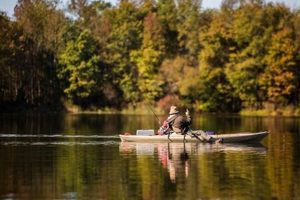
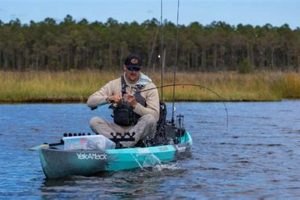
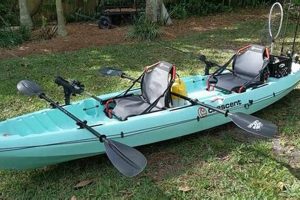
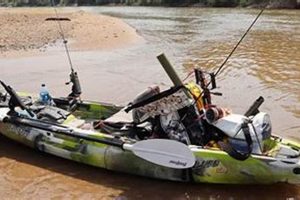
Specialized kayaks designed for angling in Australian waters offer features like rod holders, storage compartments, and stability enhancements. These vessels cater to diverse fishing styles, from freshwater rivers and lakes to coastal and offshore environments. An example would be a sit-on-top kayak equipped with multiple rod holders and a built-in fish finder, ideal for targeting species like barramundi or snapper.
The popularity of angling from these specialized watercraft stems from the enhanced access they provide to otherwise difficult-to-reach fishing spots. Australia’s vast coastline and diverse inland waterways become more accessible, leading to greater angling opportunities. Furthermore, the relatively low environmental impact and quiet operation of human-powered watercraft contributes to a more immersive and sustainable fishing experience. This form of angling has evolved alongside advancements in kayak design and materials, leading to increasingly specialized and capable vessels.
Further exploration will delve into topics such as selecting the right vessel for specific fishing needs, essential safety equipment and practices, popular fishing locations across Australia, and sustainable fishing techniques. This comprehensive approach aims to equip anglers with the knowledge and resources necessary for a rewarding and responsible experience on Australian waters.
Tips for Kayak Fishing in Australia
Effective kayak angling requires careful planning and preparation. The following tips provide guidance for a safe and successful experience.
Tip 1: Choose the Right Kayak: Kayak selection depends on intended fishing locations and target species. Ocean kayaks prioritize stability and seaworthiness, while smaller, more maneuverable designs suit sheltered waters. Consider features such as rod holders, storage capacity, and comfort.
Tip 2: Prioritize Safety: Always wear a personal flotation device (PFD) and carry essential safety equipment, including a signaling device, first-aid kit, and communication tools. Check weather forecasts before embarking and inform someone of the intended fishing location and return time.
Tip 3: Understand Local Regulations: Familiarize oneself with fishing license requirements, size and bag limits, and any area-specific restrictions. Practice responsible angling techniques to minimize environmental impact.
Tip 4: Plan Your Fishing Trip: Research potential fishing spots, considering factors such as tides, currents, and water depth. Pack appropriate tackle and bait for target species. A fish finder and GPS unit can enhance the experience.
Tip 5: Practice Kayak Handling Skills: Develop proficiency in paddling and maneuvering the kayak, especially in varying wind and water conditions. Practice self-rescue techniques in a safe environment.
Tip 6: Respect the Environment: Adhere to Leave No Trace principles. Properly dispose of all waste, avoid disturbing wildlife, and minimize impact on sensitive habitats.
Tip 7: Stay Hydrated and Sun-Protected: Carry ample drinking water and apply sunscreen regularly. Wear appropriate clothing for sun and weather protection.
By adhering to these guidelines, anglers can maximize their chances of a successful and enjoyable fishing experience while prioritizing safety and environmental responsibility.
This information serves as a foundation for responsible kayak fishing practices in Australia. Further exploration into specific techniques, locations, and species-specific information can enhance angling proficiency and enjoyment.
1. Kayak Selection

Appropriate kayak selection is paramount for successful fishing in Australian waters. The chosen vessel must align with the intended fishing environment, target species, and individual angler needs. Careful consideration of kayak characteristics ensures safety, efficiency, and overall fishing enjoyment.
- Hull Design
Hull design significantly impacts stability and maneuverability. Flat-bottom hulls offer excellent stability, ideal for calm waters and stand-up fishing. V-shaped hulls provide better tracking and speed, suited for open water and covering longer distances. A rounded hull offers a compromise between stability and speed. Choosing a hull design appropriate for the intended fishing locationwhether sheltered estuaries or exposed coastlinesis crucial for a safe and efficient experience. For example, a stable flat-bottom hull offers advantages in shallow, calm waters while targeting species like bream, whereas a V-shaped hull is better suited to navigating choppy conditions while pursuing pelagic fish offshore.
- Length and Width
Kayak dimensions directly influence performance. Longer kayaks track better and achieve higher speeds, while shorter kayaks offer superior maneuverability in tight spaces. Wider kayaks provide greater stability but sacrifice speed. The chosen length and width should balance speed, maneuverability, and stability requirements. For example, a shorter, wider kayak is ideal for navigating mangrove-lined creeks, while a longer, narrower kayak is better suited for traversing larger bodies of water like lakes or open bays.
- Storage and Features
Ample storage capacity is crucial for carrying fishing gear, tackle, and safety equipment. Features like rod holders, anchor trolleys, and fish finders enhance functionality and fishing efficiency. The specific storage needs and desired features depend on individual fishing styles and target species. Anglers targeting larger pelagic species may prioritize rod holders and storage for larger tackle, while those fishing for smaller species in estuaries may value a smaller, more agile kayak with less storage but greater maneuverability.
- Propulsion System
Kayaks utilize various propulsion systems, each with advantages and disadvantages. Paddle kayaks offer simplicity and affordability, while pedal-powered kayaks allow hands-free fishing and increased speed. Motorized kayaks offer the greatest range but require additional maintenance and considerations. The chosen propulsion system should align with individual preferences, fishing style, and physical capabilities. A paddle kayak offers a traditional experience, while a pedal or motor-driven option might suit anglers covering larger distances or requiring hands-free operation for specific techniques.
By carefully considering these facets of kayak selection, anglers can choose a vessel optimized for the unique conditions and demands of fishing in Australia. Matching the kayak to the specific fishing environment, target species, and angler preferences contributes significantly to safety, efficiency, and overall fishing enjoyment on Australia’s diverse waterways.
2. Safety Gear

Safety gear is paramount for kayak fishing in Australia, directly impacting angler wellbeing and successful trip outcomes. The Australian environment presents unique challenges, from remote locations and unpredictable weather patterns to diverse marine life. Appropriate safety equipment mitigates potential risks, enabling anglers to enjoy the experience while minimizing hazards. A critical link exists between safety gear and responsible kayak angling in Australia, encompassing legal requirements and ethical considerations. For instance, carrying a personal flotation device (PFD) isn’t merely a legal obligation but a fundamental safety precaution, crucial should an angler capsize in remote waters.
Several factors influence safety gear choices. Fishing location plays a key role; offshore excursions necessitate more comprehensive safety equipment compared to sheltered estuaries. Target species also influence gear choices; anglers targeting large, powerful fish might require specialized safety measures to handle the catch and maintain kayak stability. Weather conditions are another crucial consideration. Unpredictable changes in weather can create hazardous situations, emphasizing the need for appropriate safety gear such as waterproof communication devices and emergency flares. Furthermore, individual angler experience and physical capabilities influence appropriate safety gear selection. Less experienced anglers might benefit from additional safety measures tailored to their skill level. For example, an angler fishing for marlin off the coast of Queensland requires significantly different safety equipment than someone fishing for trout in a Tasmanian lake. Understanding these nuances allows for informed decisions regarding appropriate safety gear.
Practical application of this understanding translates to a comprehensive safety checklist. Essential items include a properly fitted PFD, a waterproof communication device (e.g., VHF radio or satellite phone), signaling devices (e.g., flares and a whistle), a first-aid kit equipped for marine-related injuries, navigation tools (e.g., charts, compass, GPS), and appropriate clothing for sun and weather protection. Regularly inspecting and maintaining safety gear ensures optimal functionality when needed. Furthermore, understanding how to use the equipment effectively is crucial. Practical training in safety procedures, such as self-rescue techniques and emergency communication protocols, enhances preparedness and response capabilities in unforeseen circumstances. This proactive approach to safety ensures not only a legal and ethical angling experience but also contributes significantly to angler wellbeing and enjoyable fishing trips in Australia’s diverse aquatic environments.
3. Fishing Regulations
Adhering to fishing regulations is crucial for the sustainability of aquatic ecosystems and the longevity of recreational fishing in Australia. Regulations, while varying across states and territories, provide a framework for responsible angling practices within the context of “fishing kayak Australia.” Understanding and complying with these rules ensures the preservation of fish stocks and habitats, allowing future generations to enjoy the unique angling opportunities Australia offers. Ignoring regulations not only risks environmental damage but also carries potential legal consequences, highlighting the interconnectedness between legal compliance and environmental stewardship within the “fishing kayak Australia” landscape.
- Licensing Requirements
Fishing licenses are mandatory in most Australian states and territories for recreational anglers. These licenses, often specific to the type of fishing and location, contribute to fishery management and conservation efforts. For kayak anglers, possessing the correct license for the intended fishing area is paramount. For example, fishing in a designated marine park might require a different license than fishing in inland waters. Failing to comply with licensing regulations can result in fines and other penalties, underscoring the importance of obtaining the correct license before embarking on a fishing kayak excursion in Australia.
- Size and Bag Limits
Size and bag limits dictate the minimum size and maximum number of specific fish species that an angler can legally keep. These limits ensure the protection of breeding populations and prevent overfishing. Kayak anglers must familiarize themselves with these limits for their target species and fishing location. For instance, the legal size for keeping a flathead in New South Wales differs from the size limit in Victoria. Adhering to size and bag limits ensures the sustainability of fish populations, a cornerstone of responsible fishing kayak practices in Australia.
- Closed Seasons and Areas
Specific fish species might have closed seasons during breeding periods to protect vulnerable populations. Similarly, certain areas might be designated as no-fishing zones to preserve sensitive habitats. Kayak anglers must be aware of these closures, which are often implemented to protect breeding grounds or vulnerable ecosystems. Fishing in a closed area, even unintentionally, can result in penalties. Respecting closed seasons and areas is essential for minimizing environmental impact, a key consideration for “fishing kayak Australia” enthusiasts.
- Gear Restrictions
Fishing regulations might also stipulate permitted fishing gear and methods. Restrictions on net sizes, hook types, or fishing lines aim to minimize bycatch and ensure ethical fishing practices. Kayak anglers should be aware of these gear restrictions, as they vary depending on location and target species. For example, using specific types of nets might be prohibited in certain estuaries to protect local fish populations. Understanding and adhering to gear restrictions contributes to responsible angling practices within the “fishing kayak Australia” context.
Compliance with these regulations is not merely a legal obligation but an integral aspect of responsible “fishing kayak Australia.” By understanding and adhering to these rules, kayak anglers contribute to the long-term health of Australian fisheries and the sustainability of this popular recreational activity. Ultimately, responsible angling practices ensure that future generations can continue to enjoy the diverse fishing opportunities available across Australia’s vast waterways.
4. Location Scouting
Effective location scouting is integral to successful fishing kayak excursions in Australia. Identifying productive fishing spots maximizes angling opportunities and contributes to a more rewarding experience. Australia’s diverse waterways offer a range of environments, each with unique characteristics influencing fish distribution and behavior. Thorough location scouting considers these factors, increasing the likelihood of encountering target species. This process involves researching potential locations, understanding environmental influences, and employing appropriate tools and techniques to pinpoint promising fishing areas.
- Tidal Influence
Tides significantly impact fish behavior in coastal and estuarine environments. Incoming tides bring baitfish and other prey, attracting larger predatory species. Outgoing tides can concentrate fish in channels and deeper pools. Understanding tidal flows and their influence on fish movement is crucial for effective location scouting. For example, fishing the shallow flats of a mangrove estuary during an incoming tide can be highly productive for species like whiting and flathead. Conversely, fishing deeper channels during an outgoing tide might yield better results for species like bream and mulloway. Integrating tidal information into location scouting enhances the likelihood of encountering target species in these environments.
- Structure and Habitat
Fish often congregate around structures providing shelter, ambush points, and access to food sources. Submerged reefs, rock formations, drop-offs, and weed beds are prime examples of such structures. Identifying these features through maps, charts, or sonar technology assists in locating potential fishing hotspots. For example, using a fish finder to identify a submerged reef off the coast can lead anglers to concentrations of snapper or coral trout. Similarly, targeting areas with fallen timber in a freshwater lake might yield success for species like Murray cod or golden perch. Understanding the relationship between fish habitat and location scouting is crucial for maximizing angling opportunities in various aquatic environments.
- Water Temperature and Clarity
Water temperature significantly influences fish metabolism and behavior. Different species thrive in specific temperature ranges. Water clarity affects light penetration and, consequently, fish feeding patterns. Location scouting often involves considering these factors, particularly when targeting specific species. For example, pelagic fish like tuna and marlin prefer warmer, clearer waters, while some bottom-dwelling species thrive in cooler, murkier conditions. Utilizing tools like temperature gauges and water clarity meters can aid in identifying suitable areas for target species. Integrating this information into location scouting practices improves the chances of a successful fishing kayak trip in Australia.
- Currents and Wind
Currents influence baitfish movement and create feeding opportunities for larger fish. Wind can also affect water movement and surface conditions. Understanding prevailing currents and wind patterns assists in predicting fish location and behavior. For example, fishing the up-current side of a headland can be productive, as baitfish and other prey are often swept into these areas. Similarly, strong winds can create choppy conditions, making certain locations unsuitable for kayak fishing. Considering currents and wind patterns during location scouting enhances safety and improves the chances of finding productive fishing spots.
By integrating these facets of location scouting into pre-fishing planning, kayak anglers increase their chances of success in Australia’s diverse waterways. Effective location scouting not only maximizes fishing opportunities but also contributes to a more informed and enjoyable experience on the water. It empowers anglers to make strategic decisions based on environmental factors, ultimately leading to more rewarding fishing kayak adventures in Australia.
5. Target Species

Target species selection significantly influences equipment choices, location scouting, and overall fishing strategies within the “fishing kayak Australia” context. Australia’s diverse aquatic ecosystems support a wide array of fish species, each with unique habitat preferences, feeding behaviors, and seasonal patterns. Understanding these nuances is crucial for effective targeting and maximizing angling success from a kayak. Matching species-specific characteristics with appropriate kayak fishing techniques enhances catch rates and promotes responsible angling practices.
- Species-Specific Tackle and Techniques
Different target species require specialized tackle and techniques. For example, pursuing pelagic species like marlin or tuna necessitates heavy-duty rods, reels, and lures, along with specific trolling techniques. Conversely, targeting bottom-dwelling species like snapper or flathead requires lighter tackle, different bait presentations, and knowledge of bottom structure and habitat. Matching tackle and techniques to target species is crucial for successful kayak fishing in Australia. Using inappropriate gear can lead to lost fish, damaged equipment, and increased risk to the angler.
- Habitat Preferences and Location Scouting
Target species habitat preferences directly influence location scouting efforts. Pelagic species often inhabit open ocean areas, requiring kayaks equipped for offshore conditions and navigation skills to locate productive areas. Estuarine species, like bream or mangrove jack, prefer sheltered waterways and structures such as mangroves, rock bars, and submerged timber. Understanding these habitat preferences is essential for effective location scouting and maximizing fishing opportunities from a kayak in specific Australian environments.
- Seasonal Patterns and Behavior
Fish behavior and distribution often change seasonally, influenced by factors such as water temperature, breeding cycles, and prey availability. Target species might congregate in specific areas during certain times of the year, offering optimal fishing windows. For example, barramundi move into estuaries and rivers during the wet season, while snapper aggregate in deeper offshore waters during cooler months. Understanding these seasonal patterns informs location selection and timing for kayak fishing trips, maximizing the chances of encountering target species.
- Legal Considerations and Conservation
Legal size and bag limits, closed seasons, and protected species regulations vary depending on the target species and location within Australia. Adhering to these regulations is crucial for sustainable fishing practices and preserving fish populations for future generations. For example, catching and releasing undersized fish, adhering to bag limits, and respecting closed seasons for specific species contribute to the long-term health of Australian fisheries. Responsible angling practices are essential for the continued enjoyment of “fishing kayak Australia.”
By understanding the specific characteristics and requirements of target species, kayak anglers can refine their approach, optimize their gear selection, and enhance their overall fishing success in Australia’s diverse aquatic environments. This knowledge not only improves catch rates but also contributes to responsible angling practices, ensuring the sustainability of Australia’s valuable fisheries for future generations of kayak fishing enthusiasts.
6. Kayak Accessories
Kayak accessories play a crucial role in optimizing the functionality and safety of fishing kayaks in Australia. These specialized additions enhance the angling experience by providing practical solutions for gear storage, fish finding, stability, and angler comfort. The connection between kayak accessories and “fishing kayak Australia” is symbiotic; the right accessories transform a standard kayak into a dedicated fishing platform tailored to the unique demands of Australian waters. This relationship is driven by the need for efficiency, safety, and enhanced angling performance. For example, incorporating rod holders allows hands-free operation while paddling or maneuvering, while a fish finder provides crucial information about water depth, structure, and fish location, directly impacting angling success in diverse Australian environments.
Several key accessories contribute significantly to successful kayak fishing in Australia. Rod holders secure fishing rods, freeing the angler’s hands for paddling, navigation, and other tasks. Fish finders employ sonar technology to locate fish, map underwater terrain, and identify promising fishing spots. Anchor trolleys facilitate controlled anchoring and drifting, especially in challenging conditions like currents or wind. Storage crates and dry bags provide waterproof compartments for essential gear, electronics, and personal items, crucial for extended trips in varied Australian climates. Outriggers enhance stability, particularly valuable in offshore conditions or when fighting larger fish. These accessories, while not mandatory, significantly enhance the safety, efficiency, and enjoyment of fishing from a kayak in Australia. For instance, an angler targeting barramundi in a remote Northern Territory river benefits greatly from a stable kayak platform provided by outriggers, coupled with the navigational precision offered by a GPS and chart plotter. This tailored approach optimizes the fishing experience while prioritizing safety in challenging environments.
Effective utilization of kayak accessories requires careful selection and integration based on individual fishing styles, target species, and environmental conditions. Choosing appropriate accessories enhances safety and efficiency on the water. For instance, an angler fishing in sheltered estuaries might prioritize maneuverability and lightweight accessories, while someone fishing offshore requires robust, seaworthy accessories designed for challenging conditions. Understanding the practical implications of accessory choices is crucial for maximizing their benefits within the “fishing kayak Australia” context. Ultimately, the thoughtful selection and application of kayak accessories contribute significantly to a more productive, safe, and enjoyable fishing experience in Australia’s diverse and demanding aquatic environments. Addressing the challenges posed by varying water conditions, target species, and individual angling preferences through appropriate accessory choices ensures a tailored and optimized experience on the water.
7. Environmental Awareness

Environmental awareness is paramount for sustainable kayak fishing practices in Australia. The “fishing kayak Australia” experience intertwines closely with the health of the nation’s diverse aquatic ecosystems. Responsible angling practices minimize environmental impact, preserving these valuable resources for future generations. Understanding the interconnectedness between kayak fishing and environmental health fosters a deeper appreciation for the Australian natural environment and promotes sustainable interactions within it. This awareness translates into practical actions that mitigate potential harm and contribute to the long-term health of Australia’s waterways.
- Minimizing Disturbance to Aquatic Habitats
Kayak fishing offers a low-impact approach to angling, but responsible practices further minimize potential disturbance to sensitive habitats. Avoiding shallow-water areas with sensitive vegetation, such as seagrass beds or coral reefs, prevents damage from kayaks and anchors. Practicing catch-and-release fishing minimizes stress on fish populations and preserves their natural environment. For example, carefully navigating around mangrove forests minimizes damage to these vital nurseries for many fish species. Similarly, avoiding anchoring on coral reefs protects these fragile ecosystems from physical harm. These conscious efforts contribute to preserving the ecological integrity of Australia’s diverse aquatic habitats.
- Responsible Waste Disposal
Proper waste disposal is essential for preventing pollution and maintaining the pristine quality of Australian waterways. Disposing of fishing line, hooks, and other tackle responsibly prevents entanglement of wildlife and minimizes plastic pollution. Carrying all trash back to shore ensures it doesn’t contaminate the water or shoreline. For example, collecting discarded fishing line prevents seabirds and marine mammals from becoming entangled. Properly disposing of bait and food scraps prevents attracting unwanted pests and maintains the natural balance of the ecosystem. These actions contribute to the overall cleanliness and health of the Australian aquatic environment.
- Respecting Wildlife Interactions
Kayak fishing provides opportunities for close encounters with Australian wildlife. Respecting these encounters ensures minimal disturbance to animals in their natural habitat. Observing marine mammals, seabirds, and other wildlife from a safe distance prevents stress and disruption of their natural behaviors. Avoiding feeding wildlife maintains their natural foraging habits and prevents dependence on human interaction. For example, keeping a respectful distance from nesting seabirds protects their vulnerable young. Similarly, refraining from feeding dolphins or other marine mammals maintains their natural hunting behaviors and prevents potential health problems associated with human food. Respectful wildlife interactions contribute to a balanced and thriving ecosystem.
- Understanding Local Ecosystems
Gaining knowledge about local ecosystems enhances environmental awareness and informs responsible fishing practices. Learning about the specific flora, fauna, and environmental challenges in the chosen fishing area promotes informed decision-making. Supporting local conservation initiatives contributes to the long-term health of these ecosystems. For example, understanding the role of seagrass beds in providing habitat for juvenile fish reinforces the importance of avoiding these areas while kayaking. Supporting local mangrove restoration projects contributes directly to the health of estuarine ecosystems. This understanding fosters a sense of stewardship and encourages responsible interactions with the Australian aquatic environment.
By integrating these principles of environmental awareness into kayak fishing practices, anglers contribute to the preservation of Australia’s unique aquatic ecosystems. Responsible angling within the “fishing kayak Australia” context ensures the sustainability of this popular recreational activity while minimizing environmental impact. This approach fosters a deeper appreciation for the natural environment and encourages a sense of stewardship among kayak anglers, safeguarding these valuable resources for future generations to enjoy.
Frequently Asked Questions
This section addresses common inquiries regarding kayak fishing in Australia, providing concise and informative responses to facilitate informed decision-making and enhance the overall angling experience.
Question 1: What type of kayak is best suited for fishing in Australian conditions?
Kayak selection depends on intended fishing locations and target species. Stable, sit-on-top models are generally preferred for calm waters and estuaries, while longer, seaworthy designs are necessary for offshore fishing. Specialized fishing kayaks often feature built-in rod holders, storage compartments, and anchor trolleys.
Question 2: What essential safety equipment is required for kayak fishing in Australia?
Essential safety gear includes a personal flotation device (PFD), a signaling device (whistle, flares, or mirror), a waterproof communication device (VHF radio or satellite phone), a first-aid kit, navigation tools (chart, compass, GPS), and appropriate sun protection.
Question 3: Are fishing licenses required for kayak fishing in Australia?
Fishing licenses are generally required in all Australian states and territories. Specific license requirements vary depending on location and target species; anglers must consult local regulations before fishing.
Question 4: Where can information regarding fishing regulations and size/bag limits be found?
State and territory government fisheries departments provide detailed information regarding fishing regulations, including size and bag limits, closed seasons, and permitted fishing methods. This information is often available online or through local fishing tackle shops.
Question 5: What environmental considerations are relevant for kayak fishing in Australia?
Minimizing environmental impact is crucial. Anglers should adhere to Leave No Trace principles, dispose of waste responsibly, avoid disturbing sensitive habitats (e.g., seagrass beds and coral reefs), and respect wildlife interactions.
Question 6: What are some recommended resources for learning more about kayak fishing in Australia?
Several resources offer valuable information, including local kayak fishing clubs, online forums, instructional videos, and guidebooks specific to Australian waters. These resources often provide insights into local fishing spots, techniques, and species-specific advice.
Careful consideration of these frequently asked questions enhances angler preparedness and promotes safe and responsible kayak fishing practices in Australia. Understanding local regulations, prioritizing safety, and minimizing environmental impact contribute to a positive and sustainable angling experience.
The following section will provide detailed information on popular kayak fishing destinations across Australia, highlighting specific species, techniques, and local regulations for each region.
Conclusion
Exploration of specialized kayaks designed for angling in Australian waters reveals distinct advantages related to accessibility and environmental impact. Careful consideration of vessel selection, safety protocols, regulatory compliance, and location-specific knowledge optimizes fishing success and promotes responsible angling practices. Furthermore, understanding target species behavior, utilizing appropriate accessories, and prioritizing environmental stewardship contribute significantly to a rewarding and sustainable fishing experience.
The future of fishing from specialized kayaks in Australia relies on continued adherence to sustainable practices and responsible environmental stewardship. Anglers equipped with comprehensive knowledge and a commitment to conservation ensure the longevity of this unique recreational pursuit while preserving Australias valuable aquatic ecosystems. Thoughtful engagement with the sport fosters a deeper appreciation for the intricate connection between angler, environment, and the pursuit of angling excellence.