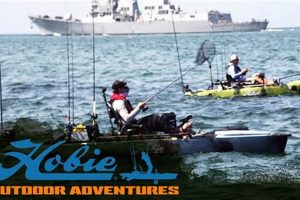
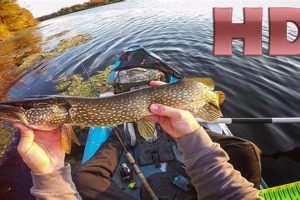
This activity involves angling from a small, human-powered watercraft. It offers a unique blend of outdoor recreation, combining the tranquility of paddling with the excitement of angling. Individuals new to this pursuit can access previously unreachable fishing spots, enjoying a closer connection with nature.
The accessibility and affordability of this approach to angling contribute to its growing popularity. Kayaks allow anglers to explore shallow waters, navigate narrow inlets, and reach secluded areas often inaccessible by larger boats. This method can be less disruptive to aquatic life compared to motorized vessels, promoting a more sustainable fishing practice. Historically, kayaks played a crucial role in indigenous fishing practices, highlighting the method’s deep-rooted connection with human interaction with aquatic environments.
This introduction serves as a gateway to a deeper exploration of key topics relevant to novice kayak anglers. These topics include choosing the right kayak and essential gear, mastering paddling techniques, understanding fundamental fishing strategies, and prioritizing safety procedures.
Tips for Kayak Fishing Beginners
Effective preparation and mindful execution enhance the kayak angling experience. The following tips offer valuable guidance for novice anglers.
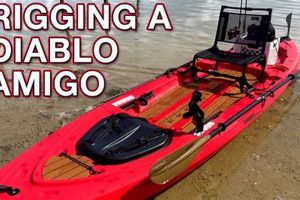
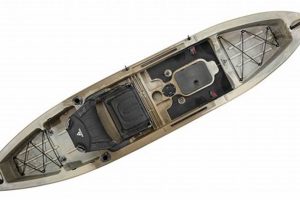
Tip 1: Select a Stable Kayak: Wider, flatter-bottomed kayaks offer enhanced stability, particularly important for beginners. Sit-on-top kayaks are generally recommended for their self-bailing capabilities and ease of re-entry if capsizing occurs.
Tip 2: Prioritize Safety Gear: A personal flotation device (PFD) is non-negotiable. A whistle, signaling mirror, and first-aid kit should also be included. Inform someone of the planned fishing location and estimated return time.
Tip 3: Pack Light and Secure Gear: Keep essential gear within easy reach and secure all equipment to prevent loss in case of capsize. Dry bags protect vulnerable items from water damage.
Tip 4: Practice Paddling and Maneuvering: Before venturing into open water, familiarize oneself with basic paddling strokes and maneuvering techniques in a calm environment. This builds confidence and control.
Tip 5: Start with Basic Fishing Techniques: Begin with simple fishing methods like still fishing or trolling. Master these before attempting more complex techniques.
Tip 6: Understand Local Regulations: Obtain the necessary fishing licenses and familiarize oneself with local fishing regulations, including size and catch limits.
Tip 7: Check Weather Conditions: Always check the weather forecast before heading out. Avoid fishing in strong winds, thunderstorms, or other hazardous conditions.
Tip 8: Respect the Environment: Practice Leave No Trace principles by packing out all trash, minimizing disturbance to wildlife, and respecting other water users.
Adherence to these guidelines contributes to a safer and more enjoyable experience, allowing anglers to focus on the rewarding aspects of kayak fishing.
These tips provide a solid foundation for novice kayak anglers, preparing them for the challenges and rewards inherent in this unique pursuit. Careful planning and mindful execution ensure a successful and fulfilling experience.
1. Stable Kayak Selection

Kayak stability forms the foundation of a successful fishing experience, especially for beginners. A stable platform allows anglers to focus on casting, reeling, and landing fish without the constant worry of capsizing. This is crucial for building confidence and enjoying the overall experience. Choosing the right kayak significantly influences not only safety but also fishing effectiveness.
- Hull Design and Stability
Kayak hull design directly impacts stability. Wider, flatter hulls offer greater primary stability, meaning they resist tipping initially. Longer kayaks generally track straighter, beneficial for trolling. Shorter kayaks tend to be more maneuverable, ideal for navigating tight spaces. A beginner might consider a sit-on-top kayak with a wide, flat hull for optimal initial stability.
- Weight Capacity and Gear Storage
The kayak’s weight capacity should accommodate the angler’s weight plus the combined weight of all gear, including rods, tackle boxes, and safety equipment. Insufficient weight capacity compromises stability and can lead to swamping. Ample storage space, including dedicated rod holders and dry compartments, is essential for keeping gear organized and accessible, further contributing to a stable and efficient fishing platform.
- Sit-On-Top vs. Sit-Inside Kayaks
Sit-on-top kayaks are generally preferred by beginner anglers due to their inherent stability and self-bailing capabilities. Their open design makes them easier to enter and exit, and they are less likely to fully capsize. Sit-inside kayaks offer a drier ride and better protection from the elements, but they require more skill to handle and can be more challenging to recover from a capsize.
- Testing and Evaluating Stability
Before purchasing a kayak, it’s essential to test its stability in the water. Many retailers offer demo days or rentals, providing an opportunity to experience the kayak firsthand. Testing different models allows beginners to assess stability, maneuverability, and overall comfort. This hands-on experience is invaluable in making an informed decision based on individual needs and preferences.
Selecting a stable kayak is paramount for novice anglers. A stable platform enables comfortable casting, enhances safety, and contributes to a more enjoyable fishing experience. Considering hull design, weight capacity, kayak type, and conducting thorough testing allows beginners to choose a kayak that best suits their individual needs and skill level, ultimately increasing their chances of a successful and rewarding fishing trip.
2. Essential Safety Gear

Safety gear is paramount when fishing from a kayak, especially for beginners. The inherent risks associated with on-water activities are amplified due to the smaller size and lower profile of a kayak. Essential safety equipment mitigates these risks, allowing for a more secure and enjoyable experience. A critical component of this equipment is the personal flotation device (PFD). A properly fitted PFD provides buoyancy and can prevent drowning in the event of a capsize. Additional safety gear includes a whistle for signaling in emergencies, a signaling mirror for attracting attention over long distances, and a waterproof first-aid kit for addressing minor injuries. Carrying a communication device, such as a VHF radio or a waterproof cell phone in a floating pouch, enables contact with emergency services if needed. Neglecting safety gear can have severe consequences. For instance, an angler without a PFD who capsizes in cold water faces a significantly increased risk of hypothermia and drowning. A readily accessible first-aid kit can prevent minor injuries from becoming serious infections. These items are not mere accessories but crucial components of responsible kayak angling.
Beyond the core safety items, other gear contributes to overall safety. A paddle leash prevents losing the paddle after a capsize, crucial for self-rescue or reaching safety. Properly secured gear, including rods, tackle boxes, and other equipment, prevents items from shifting during paddling or becoming entangled during a fish landing. A dry bag for personal belongings, such as a wallet, keys, and phone, safeguards them from water damage. Planning a float plan, informing someone of the intended fishing location and expected return time, adds another layer of safety. This allows for a timely response in case of an unexpected delay. Understanding and utilizing this equipment contributes significantly to risk mitigation, transforming a potentially hazardous situation into a manageable one.
Prioritizing safety gear demonstrates a commitment to responsible angling. It not only protects individual anglers but also contributes to the overall safety of the waterways. By equipping themselves properly and adhering to safe practices, kayak anglers minimize potential risks and contribute to a positive and sustainable angling environment. The consequences of neglecting safety can range from minor inconveniences to life-threatening situations. A comprehensive understanding of essential safety gear and its practical application is fundamental to a safe and enjoyable kayak fishing experience. This preparedness transforms potential hazards into manageable situations, fostering confidence and allowing anglers to focus on the rewarding aspects of this unique pursuit.
3. Efficient Gear Management

Efficient gear management is crucial for a successful and enjoyable kayak fishing experience, particularly for beginners. Limited space and the dynamic nature of the on-water environment necessitate a systematic approach to organizing and accessing essential equipment. Effective gear management contributes directly to both safety and fishing success. A cluttered kayak compromises stability and hinders quick reactions, while readily accessible gear allows anglers to adapt to changing conditions and capitalize on fishing opportunities.
- Organization and Accessibility
Strategic placement of rods, tackle boxes, and other essential gear within easy reach is paramount. Utilizing designated rod holders and readily accessible storage compartments keeps the deck clear, minimizing the risk of entanglement and maximizing fishing efficiency. A clear deck also enhances stability, especially important for beginners still developing their balance. For example, placing frequently used lures and tools in a small tackle box secured to the angler’s PFD allows for quick changes without rummaging through larger storage compartments.
- Minimizing Gear and Weight
Carrying only essential gear reduces clutter, enhances stability, and conserves energy. Beginners often overpack, adding unnecessary weight and complexity. A pre-fishing assessment of target species and fishing techniques helps determine the truly necessary gear. For instance, targeting panfish requires a different set of lures and tackle compared to pursuing larger game fish. Minimizing gear not only enhances efficiency but also improves the overall paddling experience, particularly during longer trips or against currents.
- Securing Gear against Loss
The dynamic nature of kayak fishing, including potential capsizes or unexpected waves, necessitates securing all gear against loss. Utilizing lanyards, clips, and dry bags safeguards valuable equipment from sinking or drifting away. This is especially important for electronic devices, such as fish finders and GPS units, which can be expensive to replace. Securing gear also minimizes the environmental impact of lost equipment and prevents potential hazards to other water users.
- Dry Storage and Waterproofing
Protecting vulnerable items, such as phones, wallets, and cameras, from water damage is essential. Waterproof bags and containers safeguard these items from splashes, rain, and even submersion. Properly sealed containers also protect important documents, such as fishing licenses and identification, ensuring they remain legible and accessible throughout the trip. This preparedness minimizes the impact of unexpected events and contributes to a more worry-free experience.
Efficient gear management is not merely an organizational practice but an integral component of safe and successful kayak fishing. By prioritizing organization, minimizing gear, securing equipment, and utilizing waterproofing techniques, beginners create a more streamlined and enjoyable experience. This allows them to focus on the core elements of fishing enjoying the tranquility of the water and the thrill of the catch without the distractions and potential hazards of a cluttered and disorganized kayak. This approach fosters a safer and more productive fishing environment, contributing significantly to the overall success and enjoyment of the experience for novice kayak anglers.
4. Basic Paddling Skills

Effective paddling forms the cornerstone of successful kayak fishing. Proficiency in basic paddling techniques allows novice anglers to maneuver efficiently, position themselves strategically for casting, and maintain stability in various water conditions. These skills are essential for accessing prime fishing locations, maximizing fishing time, and ensuring a safe and enjoyable experience.
- Forward Stroke
The forward stroke propels the kayak forward. Proper technique involves a combination of core rotation and arm extension, maximizing power and efficiency while minimizing fatigue. A strong forward stroke enables anglers to cover greater distances, reach desired fishing spots quickly, and maintain position against currents or wind. Incorrect form can lead to wasted energy and potential strain.
- Reverse Stroke
The reverse stroke stops forward momentum and allows for backward movement. This skill is crucial for repositioning the kayak quickly, avoiding obstacles, and controlling drift in tight spaces. Mastering the reverse stroke enhances maneuverability and control, vital for precise boat positioning when targeting specific fish or structure. Quick and controlled reversals are especially valuable in shallow water or near vegetation.
- Sweep Stroke
The sweep stroke turns the kayak. This maneuver involves a wide, arcing paddle motion, pivoting the boat efficiently. Sweep strokes are essential for changing direction, navigating around obstacles, and positioning the kayak for optimal casting angles. Precise turning allows anglers to adjust to changing wind or current conditions and maintain optimal presentation of lures or bait.
- Draw Stroke
The draw stroke moves the kayak sideways. This technique involves pulling the paddle towards the kayak, creating lateral movement. The draw stroke is useful for precise adjustments in position, approaching fish subtly, and navigating tight quarters. Mastery of the draw stroke allows for fine-tuned control and maneuverability in challenging environments.
Proficiency in these basic paddling skills is foundational to successful kayak angling. These skills empower anglers to navigate efficiently, position effectively, and maintain control, ultimately enhancing the overall fishing experience. Mastery of these techniques not only contributes to fishing success but also increases safety and enjoyment on the water, allowing beginners to focus on the rewarding aspects of kayak fishing.
5. Fundamental Fishing Techniques
Fundamental fishing techniques are integral to a successful and rewarding experience for novice kayak anglers. The confined space and dynamic nature of a kayak necessitate a streamlined approach to fishing. Mastering basic techniques like still fishing, trolling, and casting allows beginners to focus on fish behavior and environmental factors, maximizing their chances of success while minimizing complexity. Understanding these techniques empowers anglers to adapt to different species and fishing locations, increasing their versatility and enjoyment.
Still fishing, a technique where the kayak remains stationary, is ideal for targeting specific structures or depths. This approach allows for precise bait or lure presentation and minimizes disturbance, crucial when targeting wary fish. For example, anchoring near a submerged log and presenting live bait can be highly effective for catching catfish or bass. Trolling, where the kayak moves slowly while trailing a lure or bait, covers a wider area, increasing the likelihood of encountering active fish. This technique is particularly effective in open water or when searching for schools of fish. A slow troll with a crankbait can entice strikes from various predatory species. Casting from a kayak requires adaptation to maintain balance and accuracy. Short, controlled casts minimize the risk of capsizing while maximizing lure placement near structure or cover. A precise cast with a soft plastic lure near overhanging vegetation can trigger aggressive strikes from bass or panfish. These fundamental techniques provide a solid foundation for novice kayak anglers, enabling them to adapt to diverse fishing scenarios and species.
Mastery of fundamental fishing techniques significantly enhances the overall kayak fishing experience. These skills allow beginners to focus on the nuances of fishing, improving their understanding of fish behavior, lure presentation, and environmental influences. The ability to employ these techniques effectively increases the likelihood of success, fostering a sense of accomplishment and encouraging further exploration of this rewarding pursuit. Furthermore, understanding these core techniques provides a framework for learning more advanced methods, paving the way for continued growth and enjoyment in kayak fishing. While challenges like maintaining balance while casting or adapting to varying water conditions exist, they can be overcome through practice and mindful application of these techniques.
6. Respectful Environmental Practices
Respectful environmental practices are integral to sustainable kayak fishing. Minimizing environmental impact ensures the preservation of natural resources for future generations of anglers and contributes to the overall health of aquatic ecosystems. Beginners, particularly, benefit from understanding and implementing these practices from the outset, fostering a responsible approach to angling that minimizes disturbance and maximizes the long-term enjoyment of this recreational activity. Cause and effect relationships are readily apparent in this context. Discarded fishing line, for instance, can entangle wildlife, leading to injury or death. Improperly disposed of bait containers can introduce invasive species, disrupting the balance of the ecosystem. Noise pollution from careless kayaking can disturb nesting birds and other wildlife. These examples underscore the direct link between human actions and environmental consequences.
Respectful environmental practices are not merely an optional component of kayak fishing; they are essential to its long-term viability. Leaving no trace behind is a core principle. This involves packing out all trash, including fishing line, hooks, and bait containers. Avoiding disturbing vegetation and wildlife is crucial. Kayaking quietly, maintaining a safe distance from nesting areas, and refraining from harassing animals ensures minimal disruption to their natural behaviors. Proper disposal of fish remains minimizes attractants for scavengers and reduces the risk of disease transmission. Practical examples illustrate the significance of these practices. Using biodegradable fishing line reduces the long-term impact of lost or discarded line. Carrying a reusable water bottle minimizes plastic waste. Practicing catch-and-release fishing, when appropriate, helps maintain healthy fish populations. These actions, while seemingly small, collectively contribute to a healthier and more sustainable angling environment.
Integrating respectful environmental practices into the beginner’s kayak fishing experience establishes a foundation for responsible angling. These practices safeguard the delicate balance of aquatic ecosystems, ensuring their continued health and productivity for future generations. Challenges, such as navigating through sensitive habitats or encountering improperly disposed of waste, highlight the ongoing need for education and awareness. By prioritizing environmental stewardship, kayak anglers contribute to the preservation of these valuable natural resources, ensuring the long-term sustainability of the sport and fostering a deeper appreciation for the interconnectedness of human actions and environmental well-being.
Frequently Asked Questions
This section addresses common inquiries regarding kayak fishing for beginners. Clear and concise answers aim to provide practical guidance and dispel potential misconceptions.
Question 1: What type of kayak is best suited for a beginner angler?
Wider, stable platforms, such as sit-on-top kayaks, are generally recommended for beginners due to their enhanced stability and ease of use.
Question 2: What essential safety gear is required?
A personal flotation device (PFD), whistle, signaling mirror, and first-aid kit are considered essential. A communication device and paddle leash are also highly recommended.
Question 3: How does one manage fishing gear effectively in a kayak?
Prioritizing organization, minimizing carried gear, and utilizing secure storage solutions maximize space and accessibility while maintaining stability.
Question 4: What basic paddling techniques should beginners learn?
The forward stroke, reverse stroke, sweep stroke, and draw stroke are fundamental for maneuvering and positioning a kayak effectively.
Question 5: What are suitable fishing techniques for novice kayak anglers?
Still fishing, trolling, and casting are effective techniques for beginners, allowing for adaptation to various fishing environments and target species.
Question 6: How can anglers minimize their environmental impact while kayak fishing?
Adhering to Leave No Trace principles, including packing out all trash, minimizing disturbance to wildlife, and using appropriate fishing practices, promotes environmental stewardship.
Understanding these frequently asked questions equips prospective kayak anglers with the foundational knowledge necessary for a safe, enjoyable, and environmentally responsible experience.
This FAQ section serves as a starting point for further exploration of specific topics related to kayak fishing. Consulting local resources and experienced anglers can provide additional valuable insights.
Conclusion
This exploration of fishing from a kayak for beginners has highlighted key elements essential for a successful and enjoyable experience. Selecting a stable kayak, prioritizing safety gear, managing equipment effectively, mastering basic paddling techniques, employing fundamental fishing strategies, and adhering to respectful environmental practices collectively contribute to a rewarding and sustainable approach to this unique pursuit. Each component plays a crucial role in maximizing fishing success while minimizing potential risks and environmental impact. The interconnectedness of these elements underscores the importance of a holistic approach for novice anglers.
The accessibility and versatility of kayak fishing offer a compelling pathway to exploring the natural world and connecting with aquatic environments. Careful preparation and mindful execution empower individuals to experience the tranquility of paddling combined with the excitement of angling. Embracing these principles fosters a deeper appreciation for the sport and promotes responsible engagement with the natural world, ensuring its preservation for future generations. The potential for personal growth and enriching experiences underscores the enduring appeal of kayak fishing.