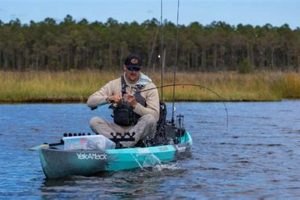
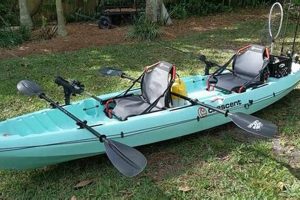
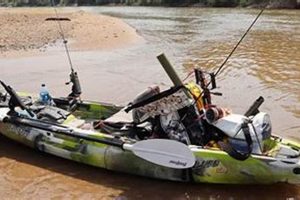
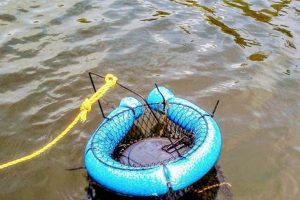
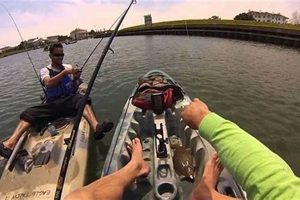
The combination of angling from a small, human-powered boat offers a unique approach to experiencing the outdoors. This method allows for access to shallow or otherwise difficult-to-reach waters, providing opportunities to target various fish species. It can involve specialized equipment like rod holders, anchor trolleys, and fish finders adapted for kayak use.
This blended activity provides several advantages. The quiet movement of a kayak allows for stealthy approach to fish, minimizing disturbance and maximizing catch potential. It offers a low-impact way to explore natural environments, promoting physical activity and a deeper connection with nature. The evolution of lightweight, durable kayaks and specialized fishing gear has increased the accessibility and popularity of this pursuit in recent decades.
The subsequent sections will delve into specific techniques, equipment recommendations, safety considerations, and responsible practices for enjoying this rewarding pastime.
Tips for Combining Angling and Kayaking
Maximizing success and safety on the water requires careful planning and execution. The following tips offer guidance for a more rewarding experience.
Tip 1: Stability is Paramount: Choose a kayak designed for stability, especially when fishing in moving water or standing to cast. Wider kayaks and those with outriggers offer increased stability.
Tip 2: Essential Gear Selection: A well-organized tackle box with essential lures, hooks, and lines, along with a landing net and appropriate safety gear like a personal flotation device and whistle, are crucial.
Tip 3: Paddle and Rod Management: Practice efficient paddle strokes and learn techniques for managing both the paddle and fishing rod simultaneously. Secure the rod when paddling or landing fish.
Tip 4: Mindful Anchoring: Utilize an anchor trolley system to control drift and maintain position while fishing. Consider the water depth and current when selecting an anchor point.
Tip 5: Respect Wildlife and the Environment: Practice catch-and-release whenever possible, handle fish gently, and minimize disturbance to natural habitats. Pack out all trash and fishing line.
Tip 6: Weather Awareness is Key: Check weather forecasts before embarking and be prepared for changing conditions. Dress in layers and carry appropriate rain gear. Avoid lightning storms.
Tip 7: Navigation and Communication: Carry a map, compass or GPS, and a fully charged communication device. Inform someone of your planned route and expected return time.
Careful preparation and adherence to safety guidelines contribute significantly to a positive and successful outing. These practices ensure not only a productive fishing experience but also the preservation of the environment for future enjoyment.
By following these recommendations, individuals can engage in this activity safely and responsibly, contributing to the long-term health of aquatic ecosystems.
1. Stable Kayak Platform

A stable kayak platform is fundamental to successful angling from a kayak. It provides the foundation upon which all other aspects of this activity are built, directly impacting safety, efficiency, and overall enjoyment. A lack of stability compromises casting accuracy, fish fighting control, and the ability to perform essential tasks such as landing a fish or changing lures. This section explores key facets of kayak stability relevant to angling.
- Hull Design and Stability:
Kayak hull design significantly influences stability. Wider hulls generally offer greater initial stability, resisting tipping when stationary or making small movements. However, they may be slower and less maneuverable. Longer kayaks tend to track straighter but can be less responsive to turning. Specialized fishing kayaks often incorporate features like pontoon hulls or outriggers to maximize stability. Choosing a hull design appropriate for the intended fishing environment and style is crucial. For example, a wider, more stable platform is preferable for fishing in calm lakes or rivers, whereas a longer, narrower hull may be more suitable for navigating open water or covering larger distances.
- Weight Capacity and Distribution:
Understanding a kayak’s weight capacity and proper weight distribution are crucial for maintaining stability. Exceeding the specified weight limit significantly reduces stability and increases the risk of capsizing. Distributing weight evenly within the kayak also impacts balance. Placing heavier items lower in the hull enhances stability. For instance, positioning tackle boxes and coolers near the center of gravity improves overall balance. Anglers should also consider their own weight and the weight of their gear when selecting a kayak with appropriate capacity.
- Environmental Factors and Stability:
Wind, waves, and currents can significantly impact kayak stability. Strong winds can catch the broadside of a kayak and cause it to tip. Waves can destabilize a kayak if approached from the side. Currents can push a kayak off course, making it difficult to maintain position. Understanding how these factors affect stability and adjusting accordingly is critical for safety and effective fishing. For example, in windy conditions, positioning the kayak bow into the wind enhances stability. In currents, utilizing an anchor or drift sock can help maintain position.
- Seating Position and Stability:
The angler’s seating position also influences stability. Sitting upright and maintaining a balanced posture enhances stability. Leaning too far to one side or reaching too far beyond the kayak’s gunwales can compromise balance and potentially lead to capsizing. Some fishing kayaks offer elevated seating positions that provide improved visibility and casting angles while also influencing the center of gravity and overall stability. Practicing entering, exiting, and moving around in the kayak in calm water helps develop balance and confidence.
By carefully considering these facets of kayak stability, anglers can enhance their safety, improve fishing efficiency, and maximize enjoyment on the water. A stable platform allows for focused casting, effective fish fighting, and overall confidence in maneuvering the kayak, ultimately contributing to a more successful and rewarding fishing experience.
2. Specialized fishing gear

Specialized fishing gear plays a crucial role in the effectiveness and enjoyment of kayak angling. Standard fishing equipment often requires adaptation for use in a kayak’s confined space and dynamic environment. This specialized gear enhances efficiency, improves safety, and maximizes the angler’s ability to target and land fish from a kayak. The connection between specialized gear and kayak fishing lies in addressing the unique challenges and opportunities this combined activity presents. For instance, rod holders secure rods while paddling or landing fish, preventing loss and maximizing fishing time. Similarly, anchor trolleys allow for precise positioning in currents, enhancing fishing effectiveness. Fish finders designed for kayak use provide crucial underwater information without requiring complex installations.
Several categories of specialized gear significantly impact kayak fishing. Rod holders, available in various mounting styles, secure rods, freeing hands for paddling and other tasks. Anchor trolleys enable controlled drifting and positioning in current. Specialized kayak fish finders offer compact, portable units with transducer mounts adaptable to kayak hulls. Tackle storage solutions designed for kayaks maximize limited space while ensuring easy access to essential gear. Floating nets prevent sinking if dropped overboard, while specialized kayak fishing pliers often include features like line cutters and crimping tools. These adaptations address the specific constraints and demands of fishing from a kayak, optimizing both efficiency and safety. For example, a well-designed tackle crate system keeps essential lures and tools within easy reach, minimizing disruption while fishing.
Understanding the function and benefits of specialized fishing gear empowers anglers to make informed choices, enhancing their kayak fishing experience. Choosing appropriate gear directly impacts safety, efficiency, and overall success on the water. While some standard fishing gear can be adapted for kayak use, investing in specialized equipment specifically designed for this purpose significantly enhances the angler’s ability to navigate the challenges and capitalize on the opportunities presented by combining angling with kayaking. This specialized equipment transforms the kayak into a highly effective fishing platform, allowing anglers to explore diverse waters and target a wide range of species with greater success. The selection and proper use of this gear contributes significantly to a safe, efficient, and ultimately more rewarding experience.
3. Efficient Paddle Techniques

Efficient paddle techniques are essential for successful kayak angling. They allow for seamless integration of paddling and fishing, maximizing both maneuverability and fishing time. Proficiency in these techniques enhances boat control, reduces fatigue, and minimizes disturbance to fish. This section explores key facets of efficient paddling relevant to kayak fishing.
- Forward Stroke:
The forward stroke propels the kayak efficiently. A proper forward stroke utilizes core muscles for power, minimizing strain on arms and shoulders. The paddle enters the water near the feet and exits near the hips, maximizing propulsion with each stroke. In kayak fishing, a smooth, quiet forward stroke is crucial for approaching fish stealthily. Uneven or splashing strokes can spook fish, reducing fishing success.
- Turning Strokes:
Turning strokes enable precise maneuvering, crucial for navigating tight spaces and positioning the kayak effectively for fishing. Sweep strokes, performed by sweeping the paddle wide in an arc, turn the kayak away from the paddle side. Draw strokes, pulling the paddle towards the kayak, turn the kayak towards the paddle side. Mastering these strokes allows for quick adjustments in position, essential for following fish or navigating around obstacles. For instance, a quick draw stroke can position the kayak for an ideal cast at a surfacing fish.
- Reverse Stroke:
The reverse stroke stops the kayak or moves it backward. Its essential for controlling drift, backing away from obstacles, or maintaining position in current. In fishing situations, the reverse stroke can be used to back away from snags or to reposition the kayak slightly after a cast. A controlled reverse stroke minimizes disturbance to the water, important when fishing in shallow areas.
- Paddle Management while Fishing:
Efficient paddle management is crucial for smooth transitions between paddling and fishing. Securing the paddle while fishing prevents loss and minimizes interference with casting and reeling. Many fishing kayaks have designated paddle parks or leashes. Developing a system for quickly and quietly securing and retrieving the paddle maximizes fishing time and minimizes disruption to the fishing process. For example, having a readily accessible paddle park allows an angler to quickly secure the paddle and grab a rod when a fish strikes.
Mastering these paddling techniques significantly enhances the kayak angler’s ability to navigate effectively, position precisely, and minimize disturbance to fish. Efficient paddling contributes not only to fishing success but also to overall enjoyment and safety on the water. By integrating these skills, anglers can seamlessly transition between paddling and fishing, maximizing their time on the water and optimizing their chances of a successful catch.
4. Safety Precautions

Safety precautions are paramount when combining angling and kayaking. The inherent risks associated with aquatic environments are amplified when incorporating the complexities of fishing activities. Neglecting safety protocols can lead to serious consequences, ranging from equipment loss to life-threatening situations. Understanding and implementing appropriate safety measures significantly mitigates these risks, ensuring a more enjoyable and secure experience. The connection between safety and this combined activity lies in the potential for unforeseen circumstances, such as sudden weather changes, equipment malfunctions, or unexpected encounters with wildlife. For example, a sudden gust of wind can easily capsize a kayak, especially if the angler is off-balance while casting or reeling. Similarly, an improperly secured fishing hook can cause injury. A thorough understanding of potential hazards and consistent adherence to safety guidelines are crucial for mitigating these risks.
Several key safety precautions warrant particular attention. Wearing a personal flotation device (PFD) is non-negotiable. A PFD provides essential buoyancy in the event of a capsize, significantly increasing the chances of survival. Carrying a communication device, such as a waterproof VHF radio or a charged mobile phone in a waterproof case, enables communication in emergencies. Checking weather forecasts before embarking and being prepared for changing conditions are crucial. Sudden storms or shifts in wind or current can create hazardous situations. Carrying essential safety gear, including a whistle, a first-aid kit, and a signaling device, further enhances preparedness. Informing someone of the planned route and expected return time is a fundamental safety practice. This information allows for timely assistance in case of an overdue return. File a float plan with local authorities or a trusted individual, detailing your planned route, departure and return times, and emergency contact information.
Prioritizing safety precautions is essential for responsible enjoyment of angling from a kayak. Consistent adherence to these guidelines mitigates risks, fosters a safer environment, and contributes to a more positive experience. A comprehensive understanding of potential hazards and proactive implementation of safety measures ensure not only personal well-being but also the preservation of this rewarding pastime. Neglecting safety precautions can have severe consequences, potentially impacting not only the individual angler but also search and rescue personnel who may be called upon for assistance. A proactive approach to safety fosters a culture of responsibility within the angling and kayaking community, ensuring the long-term sustainability and enjoyment of this combined activity.
5. Environmental Responsibility

Environmental responsibility is integral to the sustainable practice of angling and kayaking. These activities offer unique access to natural environments, placing anglers and kayakers in a position of stewardship. Respecting these environments ensures their preservation for future generations and sustains the very resources that support these recreational pursuits. Ignoring environmental considerations can lead to habitat degradation, pollution, and depletion of fish populations, ultimately undermining the long-term viability of these activities. This section explores key facets of environmental responsibility relevant to angling and kayaking.
- Leave No Trace Principles:
Adhering to Leave No Trace principles minimizes human impact on natural environments. These principles encompass packing out all trash, minimizing campfire impacts, staying on designated trails, respecting wildlife, and leaving what is found. In the context of angling and kayaking, this translates to retrieving lost fishing line, properly disposing of fish remains, avoiding disturbing nesting birds, and respecting sensitive riparian areas. For example, discarded fishing line can entangle wildlife, causing injury or death. Proper disposal of fish entrails prevents attracting scavengers and maintains water quality.
- Catch-and-Release Practices:
Catch-and-release fishing promotes the conservation of fish populations. Handling fish gently, minimizing air exposure, and using appropriate hooks and tackle reduce stress and injury, increasing the likelihood of survival upon release. Practicing catch-and-release helps maintain healthy fish populations, ensuring the sustainability of the fishery. For instance, using barbless hooks reduces tissue damage, facilitating quicker and less stressful releases.
- Respect for Aquatic Ecosystems:
Kayaks offer access to shallow and sensitive aquatic ecosystems. Avoiding disturbing bottom habitats, refraining from paddling through spawning beds, and respecting closures or restricted areas protect these fragile environments. These actions preserve biodiversity and maintain the health of aquatic ecosystems. For example, paddling through spawning beds can damage eggs and disrupt breeding cycles, impacting fish populations.
- Invasive Species Awareness:
Invasive species pose a significant threat to aquatic ecosystems. Anglers and kayakers can help prevent the spread of invasive species by cleaning their boats and gear thoroughly after each use, draining bilge water, and disposing of bait properly. These actions prevent the introduction or spread of invasive plants, animals, and pathogens that can disrupt native ecosystems. For example, failing to clean a kayak after use can transport invasive zebra mussels to a new water body, where they can outcompete native species.
By embracing environmental responsibility, anglers and kayakers contribute to the long-term health and sustainability of the natural resources they enjoy. These practices demonstrate respect for the environment, preserve biodiversity, and ensure the continuation of these rewarding recreational pursuits for future generations. A commitment to environmental stewardship fosters a sense of responsibility within the angling and kayaking communities, promoting a harmonious relationship between human activities and the natural world. The integration of these principles ensures the sustainable enjoyment of these activities while preserving the integrity of aquatic ecosystems.
Frequently Asked Questions
This section addresses common inquiries regarding the combined activity of fishing and kayaking, providing concise and informative responses to facilitate understanding and enhance safety and enjoyment.
Question 1: What type of kayak is best suited for fishing?
Several kayak types accommodate fishing, each with varying advantages. Sit-on-top kayaks offer stability and ease of re-entry after a capsize, while sit-in kayaks provide protection from the elements and drier storage. Inflatable kayaks offer portability and affordability, while pedal-powered kayaks free hands for fishing. Selecting a kayak depends on individual needs, fishing style, and intended water conditions. Factors such as stability, storage capacity, and maneuverability should influence the decision.
Question 2: What essential safety equipment should one carry while kayak fishing?
Essential safety equipment includes a personal flotation device (PFD), a whistle, a communication device (VHF radio or mobile phone in a waterproof case), a first-aid kit, a signaling device (mirror or flare), and navigation tools (map, compass, or GPS). A bilge pump, paddle leash, and spare paddle are also recommended. Local regulations may mandate additional safety equipment.
Question 3: How does one manage a fishing rod and paddle simultaneously?
Efficient paddle and rod management requires practice. Securing the rod in a rod holder while paddling frees hands for boat control. Learning to paddle with one hand while holding the rod in the other allows for simultaneous fishing and maneuvering. Specialized techniques, like using the paddle blade as a rudder while fighting a fish, enhance control. Prioritizing boat control and personal safety remains paramount.
Question 4: What are the legal requirements for kayak fishing?
Legal requirements vary by jurisdiction. Obtaining necessary fishing licenses and permits is mandatory. Adhering to local regulations regarding catch limits, size restrictions, and permitted fishing methods is essential. Some areas require specific safety equipment, such as navigation lights or registration for kayaks. Consulting local authorities or wildlife agencies provides comprehensive information on specific requirements.
Question 5: How can one minimize environmental impact while kayak fishing?
Minimizing environmental impact involves adhering to Leave No Trace principles, practicing catch-and-release whenever possible, properly disposing of fishing line and tackle, avoiding disturbing wildlife and habitats, and respecting closures or restricted areas. Cleaning kayaks and gear thoroughly after each use prevents the spread of invasive species.
Question 6: What are the best practices for handling fish caught from a kayak?
Best practices for handling fish prioritize minimizing stress and injury. Using wet hands or a landing net minimizes removal of the fish’s protective slime coat. Keeping fish in the water as much as possible, particularly during hook removal, reduces air exposure. Using appropriate hooks and tackle minimizes tissue damage. Reviving fish gently before release ensures their survival.
Careful consideration of these frequently asked questions equips individuals with the knowledge and awareness to enhance safety, promote environmental responsibility, and maximize enjoyment while kayak fishing. Responsible and informed participation ensures the long-term sustainability of this rewarding activity.
The following section delves into advanced techniques for [mention the next topic, e.g., choosing the right fishing gear for specific species].
Fishing and Kayaking
This exploration has highlighted the multifaceted nature of combining angling and kayaking. From equipment selection and paddling techniques to safety precautions and environmental stewardship, various factors contribute to a successful and responsible experience. The advantages of this combined activity, including access to secluded waters and a close connection with nature, are balanced by the inherent responsibilities of navigating aquatic environments and interacting with their delicate ecosystems. Proper preparation, informed decision-making, and a commitment to safety and conservation are essential for maximizing the rewards and minimizing the potential impacts.
The future of fishing and kayaking rests on the continued adoption of sustainable practices and responsible engagement with the natural world. By prioritizing safety, minimizing environmental impact, and promoting ethical angling principles, individuals contribute to the long-term preservation of these activities and the aquatic ecosystems they depend upon. The continued growth and evolution of this combined pursuit rely on a collective commitment to responsible stewardship and a shared understanding of the delicate balance between human recreation and environmental preservation.