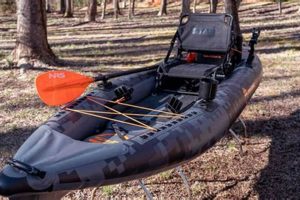
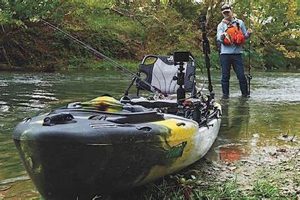
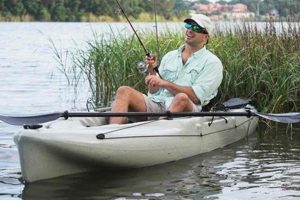
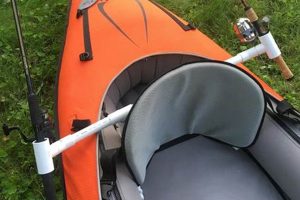
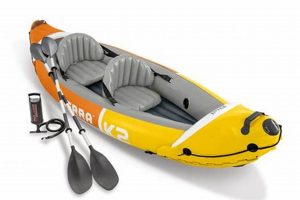
A kayak designed for fishing in both rivers and lakes, typically 12 feet in length, offers stability and ample storage for gear. This style of kayak often features specialized seating, rod holders, and other accessories catered to anglers.
The combination of length and design in such kayaks provides a balance between maneuverability in moving water and stability in calm lakes. This versatility makes them suitable for diverse fishing environments and caters to a wide range of angling styles. Historically, fishing kayaks have evolved from simple, open designs to the sophisticated, specialized vessels available today. The development of specialized features like integrated rod holders and gear tracks has significantly enhanced the angler’s experience.
This article will further explore the advantages of this kayak type, discussing specific design features, materials, and popular models available to anglers. Additional topics will include essential accessories, safety considerations, and techniques for effective fishing from these versatile watercraft.
Tips for Fishing Kayak Selection and Use
Selecting and utilizing a fishing kayak effectively involves careful consideration of several factors. These tips offer guidance for maximizing on-the-water success and safety.
Tip 1: Consider Water Conditions: Different kayaks perform better in specific environments. A shorter, wider kayak offers superior stability for calm lakes, while a longer, narrower kayak tracks better in rivers and streams. Hull design also plays a crucial role; a flat bottom provides stability, while a V-shaped hull offers better tracking and speed.
Tip 2: Evaluate Storage Capacity: Ample storage is crucial for carrying fishing gear, safety equipment, and personal items. Consider both open storage with bungee cords and enclosed hatches for protecting valuables from water.
Tip 3: Prioritize Seating Comfort: Long hours on the water necessitate a comfortable seat. Look for adjustable seating options with adequate back support and padding.
Tip 4: Choose Appropriate Propulsion: Paddle kayaks offer excellent exercise and maneuverability, while pedal-powered kayaks provide hands-free fishing and increased speed. Consider personal preferences and fishing styles when selecting a propulsion method.
Tip 5: Inspect Rod Holders and Gear Tracks: Ensure the kayak offers sufficient rod holders for different fishing techniques and gear tracks for mounting accessories like fish finders and cameras.
Tip 6: Prioritize Safety Equipment: Always wear a personal flotation device (PFD) and carry essential safety gear, including a whistle, signaling device, and first-aid kit.
Tip 7: Practice Launching and Landing: Become proficient in launching and landing your kayak in various conditions before venturing into unfamiliar waters.
Tip 8: Respect Wildlife and the Environment: Practice Leave No Trace principles by packing out all trash and minimizing disturbance to wildlife and their habitats.
By considering these tips, anglers can select the right kayak for their needs and enhance their overall fishing experience, ensuring both safety and success on the water.
This information provides a foundation for informed decision-making when selecting and using a fishing kayak. Further research and practical experience will contribute to continued growth and enjoyment of the sport.
1. Stability

Stability forms a cornerstone of a successful fishing experience in a 12-foot kayak designed for field and stream use. A stable platform allows anglers to cast, retrieve, and land fish effectively without compromising balance. This becomes especially critical in moving water or when battling larger fish, where unexpected shifts in weight distribution can easily lead to capsizing. Consider the scenario of hooking a strong fish in a fast-flowing stream; a stable kayak provides the necessary foundation to fight the fish without jeopardizing the angler’s safety. Conversely, a less stable kayak increases the risk of tipping, resulting in lost gear, potential injury, and a disrupted fishing experience.
Several factors contribute to kayak stability. Hull design plays a significant role; wider, flatter hulls generally offer greater initial stability, making them suitable for calmer waters. However, they can be less maneuverable in currents. Longer kayaks tend to track better in moving water but can feel less stable initially. The distribution of weight within the kayak also impacts stability. Properly distributing gear and maintaining a low center of gravity enhances overall stability. For instance, storing heavier items closer to the bottom of the kayak and evenly distributing weight fore and aft contribute to a more balanced and stable platform. Features like outriggers and stabilizers can further enhance stability, particularly for anglers who prioritize standing while fishing.
Understanding the relationship between stability and kayak design empowers informed decisions when selecting a fishing kayak. Evaluating specific fishing needs and anticipated water conditions guides the selection process. Anglers prioritizing still-water fishing may favor stability over maneuverability, while those navigating rivers and streams might prioritize a balance between the two. Recognizing the impact of weight distribution and utilizing stabilizing features allows anglers to maximize stability and safety on the water, contributing to a more enjoyable and productive fishing experience.
2. Maneuverability

Maneuverability in a 12-foot field and stream fishing kayak directly impacts an angler’s ability to navigate diverse water conditions effectively. Rivers and streams often present challenges such as narrow passages, overhanging branches, submerged logs, and swift currents. A highly maneuverable kayak allows anglers to navigate these obstacles efficiently, accessing prime fishing spots and avoiding potential hazards. Consider a shallow, winding creek choked with fallen branches; a kayak with responsive handling characteristics allows precise adjustments to course and position, enabling access to otherwise unreachable pockets of water where fish may congregate. Conversely, a less maneuverable kayak restricts access to these areas, limiting fishing opportunities and increasing the risk of collision or entanglement.
Several factors influence kayak maneuverability. Hull design plays a crucial role; a shorter, narrower hull with a defined keel tends to turn more quickly and efficiently than a longer, wider, flatter-bottomed hull. However, this trade-off often comes at the expense of stability. The type of propulsion also affects maneuverability. Paddle kayaks offer excellent control and responsiveness, allowing for quick turns and adjustments in direction. Pedal-driven kayaks provide hands-free operation but may have a larger turning radius. Water conditions also influence maneuverability. Strong currents and wind can significantly impact a kayak’s tracking and responsiveness, requiring greater skill and effort to maintain desired course and position. For example, navigating a fast-flowing river requires constant adjustments to compensate for the current’s influence, highlighting the importance of responsive handling in dynamic water environments.
Understanding the factors influencing kayak maneuverability allows anglers to make informed choices based on their specific fishing needs and the anticipated water conditions. Selecting a kayak with appropriate handling characteristics for the intended environment maximizes access to fishing locations and enhances safety. Recognizing the interplay between hull design, propulsion type, and water conditions contributes to a more effective and enjoyable fishing experience. Further considerations include the angler’s experience and paddling skills, as these factors also play a role in effectively maneuvering a kayak in challenging conditions.
3. Storage Capacity

Adequate storage capacity in a 12-foot field and stream fishing kayak directly impacts an angler’s preparedness and efficiency on the water. Carrying essential gear, tackle, safety equipment, and personal items requires thoughtful storage solutions. Insufficient storage can lead to a cluttered cockpit, hindering movement and potentially compromising safety. Conversely, well-designed storage compartments allow for organized gear placement, maximizing space utilization and ensuring easy access to essential items.
- Tackle Storage:
Dedicated tackle storage compartments within easy reach facilitate efficient lure and bait changes. These compartments may include removable trays or boxes for organizing various lures, hooks, weights, and other small items. Quick access to tackle enhances fishing efficiency, allowing anglers to adapt to changing conditions or fish behavior without disrupting their flow. For instance, readily accessible tackle boxes enable swift transitions between different fishing techniques, such as switching from topwater lures to bottom-dwelling baits. Furthermore, secure storage prevents tackle from shifting or becoming tangled during transport or while navigating challenging water conditions.
- Rod Storage:
Secure rod storage solutions, such as flush-mounted rod holders or integrated rod tubes, protect valuable fishing rods while keeping them readily accessible. These features prevent rods from becoming entangled or damaged during transport or while maneuvering through obstacles. Dedicated rod storage also frees up cockpit space, enhancing angler comfort and mobility. For example, integrated rod tubes safeguard rods from impact during transport and prevent them from interfering with paddling strokes, ensuring a streamlined and efficient fishing experience.
- Dry Storage:
Dry storage compartments protect essential items like phones, wallets, keys, and cameras from water damage. These compartments typically feature watertight seals or hatches, ensuring that valuables remain dry even in the event of splashes, capsizing, or submersion. Maintaining dry gear contributes to safety and peace of mind, allowing anglers to focus on fishing without worrying about potential damage to sensitive electronic devices or important personal documents.
- Gear Storage:
Ample gear storage space accommodates larger items like extra clothing, food, water, and safety equipment. This may include open storage areas with bungee cords for securing larger items or dedicated compartments for specific gear. Sufficient gear storage capacity ensures anglers are prepared for various conditions and eventualities, enhancing both comfort and safety. For example, carrying extra layers of clothing allows anglers to adapt to changing weather conditions, while ample water supplies maintain hydration during long hours on the water.
The strategic integration of these storage solutions significantly enhances the overall functionality and practicality of a field and stream fishing kayak. Efficient storage facilitates organized gear management, maximizes space utilization, and contributes to a safer and more productive fishing experience. By considering these factors, anglers can select a kayak that meets their specific storage needs and supports their individual fishing styles. An organized kayak allows for a more focused and enjoyable experience, allowing anglers to concentrate on the task at handcatching fish.
4. Specialized Features
Specialized features distinguish fishing kayaks from recreational models, enhancing functionality and angler performance in field and stream environments. These features cater specifically to the needs of anglers, improving efficiency, comfort, and overall fishing success. Careful consideration of these features is crucial when selecting a 12-foot fishing kayak intended for diverse water conditions.
- Rod Holders:
Rod holders secure fishing rods, freeing hands for paddling, landing fish, or other tasks. Various types exist, including flush-mounted, adjustable, and rotating rod holders. Multiple rod holders allow anglers to employ diverse fishing techniques simultaneously, such as trolling with one rod while casting with another. Secure rod storage also prevents rod loss or damage during navigation through challenging environments like narrow creeks or areas with overhanging vegetation. The number, type, and placement of rod holders significantly impact fishing versatility and efficiency.
- Gear Tracks:
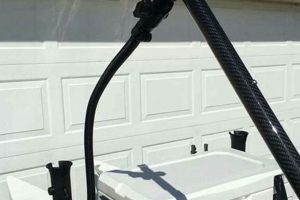
Gear tracks provide versatile mounting points for accessories such as fish finders, GPS units, cameras, and rod holders. These tracks allow for customized setups tailored to individual fishing preferences. For instance, mounting a fish finder provides crucial underwater information, while a strategically placed camera captures memorable catches. The flexibility offered by gear tracks allows anglers to adapt their kayak to specific fishing styles and target species. This adaptability enhances overall fishing effectiveness and allows for personalized configurations.
- Anchor Systems:
Anchor systems, including stake-out poles and anchor trolleys, maintain kayak position in current or wind. Stake-out poles allow for quick anchoring in shallow water, while anchor trolleys control drift in deeper areas. Maintaining position is crucial for targeted fishing in specific locations, such as along weed beds or near submerged structures. Effective anchoring enables anglers to focus on fishing rather than constantly adjusting position, optimizing fishing time and increasing the likelihood of success.
- Paddle Holders/Leashes:
Paddle holders or leashes secure paddles when not in use, preventing loss and minimizing interference with fishing activities. A secure paddle ensures it remains readily available when needed, preventing disruptions during critical moments like hooking a fish. This feature also contributes to a clutter-free cockpit, enhancing both safety and angler comfort. The convenience and security offered by paddle management systems improve the overall fishing experience, allowing for seamless transitions between paddling and fishing.
These specialized features, while seemingly minor individually, contribute significantly to the overall performance and effectiveness of a 12-foot field and stream fishing kayak. The strategic integration of these features transforms a standard kayak into a specialized fishing platform, enhancing angler comfort, efficiency, and success on the water. Choosing a kayak equipped with appropriate features for the intended fishing environment and style greatly impacts the overall experience and outcomes. The synergy between these features creates a cohesive and functional system optimized for diverse fishing scenarios.
5. Durability

Durability represents a critical factor in the lifespan and performance of a 12-foot field and stream fishing kayak. These kayaks encounter a variety of challenging conditions, from rocky riverbeds and submerged logs to fluctuating temperatures and UV exposure. A durable kayak withstands these rigors, ensuring reliable performance and longevity, ultimately maximizing investment value and minimizing repair or replacement costs.
- Hull Material:
Hull material significantly influences kayak durability. Common materials include high-density polyethylene (HDPE), rotomolded polyethylene, and composites like fiberglass or carbon fiber. HDPE offers excellent impact resistance and affordability, making it suitable for navigating rocky rivers or shallow creeks. Composites provide higher strength-to-weight ratios, resulting in lighter and more responsive kayaks, but often at a higher price point. Material selection depends on anticipated usage and budget considerations. A kayak intended for frequent use in harsh environments benefits from a robust material like HDPE, while a lighter composite construction might suit calmer waters and easier transport.
- Construction Quality:
Construction quality directly impacts long-term durability. Well-constructed kayaks feature reinforced seams, robust hardware, and UV-resistant coatings. Careful attention to detail during manufacturing ensures the kayak withstands stresses encountered during use, transport, and storage. Features like reinforced keel strips and impact-resistant bow and stern sections further enhance durability in challenging environments. Examining construction details, such as seam quality and hardware robustness, aids in assessing overall durability and potential longevity.
- Maintenance and Care:
Proper maintenance and care extend kayak lifespan. Regular cleaning, UV protection, and timely repairs prevent degradation and maintain structural integrity. Storing the kayak properly, protected from extreme temperatures and sunlight, further contributes to longevity. Diligent maintenance practices, such as rinsing after each use and applying UV protectant, safeguard the kayak from environmental damage and preserve its appearance and functionality over time.
- Impact Resistance:
Impact resistance becomes paramount in field and stream environments where contact with rocks, logs, and other obstacles is common. A kayak with high impact resistance minimizes damage from collisions, preserving structural integrity and preventing leaks. Features like reinforced hulls and impact-resistant bumpers provide added protection in high-impact areas. Evaluating a kayak’s ability to withstand impacts is essential for anglers frequently navigating challenging water conditions.
Durability, encompassing material selection, construction quality, maintenance practices, and impact resistance, directly influences the long-term value and performance of a field and stream fishing kayak. A durable kayak withstands the rigors of diverse environments, providing reliable service over extended periods. Prioritizing durability ensures a sound investment and contributes to a more enjoyable and productive fishing experience, allowing anglers to focus on the sport rather than equipment concerns. Choosing a durable kayak ultimately equates to a longer lifespan, reduced maintenance costs, and enhanced on-the-water confidence.
Frequently Asked Questions
This section addresses common inquiries regarding 12-foot fishing kayaks designed for field and stream use. Clear and concise answers provide essential information for informed decision-making.
Question 1: What are the key advantages of a 12-foot length for a fishing kayak in field and stream environments?
A 12-foot length offers a balance between maneuverability and tracking performance. This length facilitates navigation through tight spaces in streams while maintaining adequate tracking in open water. It also provides sufficient storage capacity for essential gear.
Question 2: How does hull design impact performance in different water conditions?
Hull design significantly influences stability and maneuverability. Wider, flatter hulls offer greater initial stability but may sacrifice maneuverability. V-shaped hulls track better in moving water but can be less stable initially. Understanding the trade-offs between stability and maneuverability is crucial for selecting an appropriate hull design.
Question 3: What are the essential safety considerations for using a fishing kayak in rivers and streams?
Essential safety considerations include wearing a personal flotation device (PFD), carrying a whistle and signaling device, informing someone of planned routes and estimated return times, and understanding water conditions and potential hazards. Checking weather forecasts and water levels prior to departure is also crucial.
Question 4: How does one choose between a paddle kayak and a pedal-powered kayak for fishing?
The choice depends on individual preferences and fishing styles. Paddle kayaks offer greater maneuverability and affordability, while pedal kayaks provide hands-free fishing and increased speed, but often at a higher price point. Consider fishing locations, target species, and physical limitations when making this decision.
Question 5: What are the key features to look for in a fishing kayak designed for field and stream use?
Key features include multiple rod holders, ample storage compartments, a comfortable and adjustable seat, gear tracks for mounting accessories, and a durable hull construction. Consider specific fishing needs and target species when evaluating these features.
Question 6: How does one transport and store a 12-foot fishing kayak effectively?
Transporting a 12-foot kayak typically requires roof racks or a trailer. Securely strapping the kayak to the transport system is crucial for safe transport. Storing the kayak in a covered area, protected from sunlight and extreme temperatures, extends its lifespan. Proper storage practices maintain hull integrity and prevent material degradation.
Understanding these frequently asked questions empowers informed decisions regarding kayak selection, usage, and maintenance. Further research and consultation with experienced anglers can provide additional insights and enhance overall fishing experiences.
This FAQ section serves as a starting point for understanding key considerations related to field and stream fishing kayaks. The subsequent section will delve into specific kayak models and their respective features.
Conclusion
Exploration of the 12-foot fishing kayak designed for field and stream use reveals key factors influencing performance and angler experience. Hull design, impacting stability and maneuverability, necessitates careful consideration based on anticipated water conditions. Adequate storage capacity and specialized features like rod holders and gear tracks contribute significantly to fishing efficiency. Durability, influenced by material selection and construction quality, ensures long-term value and reliable performance in challenging environments. Understanding these interconnected elements empowers informed decisions, optimizing kayak selection for individual needs and fishing styles.
The evolving landscape of fishing kayak design and technology promises further advancements in performance and functionality. Continued exploration of innovative materials, construction techniques, and specialized features will undoubtedly enhance the angler’s experience in field and stream environments. Careful evaluation of these advancements, coupled with a thorough understanding of individual fishing needs, remains crucial for maximizing on-the-water success and enjoyment.