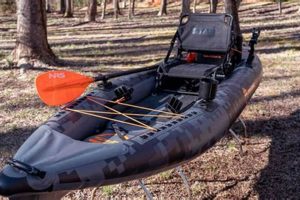
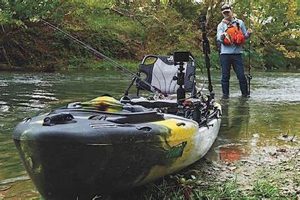
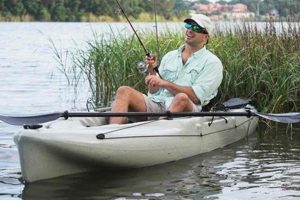
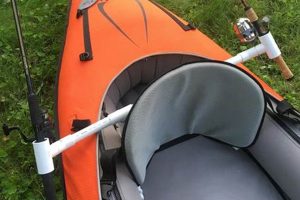
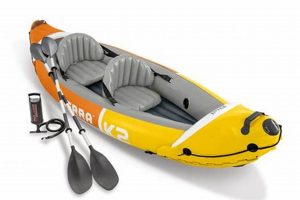
Competitive angling from human-powered vessels represents a specialized and rapidly growing segment of the sport. This pursuit demands advanced skills in boat control, fish location, and efficient tackle management, often in challenging conditions. Participants typically utilize specialized kayaks designed for stability, speed, and storage capacity, incorporating advanced fish-finding electronics and specialized rigging. A hypothetical example would be an angler competing in a tournament targeting specific species within a defined boundary, utilizing a kayak equipped with GPS, sonar, and livewells.
The evolution of this niche sport has been driven by factors including increased accessibility to high-quality kayaks and related gear, advancements in fish-finding technology, and a growing appreciation for the unique challenges and rewards inherent in this style of fishing. It offers a close-to-the-water experience, promoting physical fitness and environmental awareness. The competitive aspect fosters camaraderie and pushes anglers to refine their techniques while contributing to scientific understanding of fish populations through catch-and-release practices.
The following sections will delve into specific aspects of this demanding pursuit, including essential equipment, effective techniques, prominent tournaments, and the conservation considerations central to responsible angling.
Elite Kayak Fishing Tips
Success in competitive kayak angling hinges on meticulous preparation and strategic execution. The following insights offer guidance for enhancing performance and maximizing catch potential.
Tip 1: Master Boat Control: Precise maneuvering is paramount. Proficiency in paddle strokes, rudder deployment (if applicable), and anchor positioning allows anglers to hold position in current or wind, approach target areas stealthily, and present lures effectively. Practice in diverse conditions is essential.
Tip 2: Optimize Tackle Organization: Efficient tackle management is crucial. A well-organized system minimizes time spent searching for lures and maximizes fishing time. Consider waterproof storage solutions, readily accessible tackle boxes, and pre-rigged setups.
Tip 3: Leverage Technology: Modern fish-finding electronics provide a significant advantage. Understanding sonar, GPS, and mapping technologies allows anglers to identify productive areas, pinpoint fish locations, and navigate efficiently.
Tip 4: Refine Species-Specific Techniques: Adapt techniques to target species. Research preferred habitats, feeding patterns, and effective lure presentations. This knowledge allows anglers to tailor their approach for optimal results.
Tip 5: Prioritize Safety: Safety should always be paramount. Wear a personal flotation device, carry communication devices, inform others of fishing plans, and monitor weather conditions closely.
Tip 6: Understand Tournament Rules: Familiarize oneself with tournament-specific regulations regarding target species, boundaries, permitted fishing methods, and catch-and-release protocols. This knowledge ensures compliance and fair competition.
Tip 7: Practice Catch and Release Techniques: Proper handling and release techniques minimize stress on fish, promoting their survival. Use appropriate tools for hook removal, minimize handling time, and revive fish as necessary.
Tip 8: Network with Experienced Anglers: Learning from experienced competitors provides valuable insights into effective strategies, local knowledge, and tournament preparation.
By incorporating these principles, anglers can significantly improve their performance, maximize their catch potential, and enhance their overall experience in the demanding arena of competitive kayak fishing.
The subsequent conclusion will synthesize the key elements discussed and emphasize the importance of ethical and sustainable angling practices.
1. Advanced Techniques

Within the realm of competitive kayak angling, mastery of advanced techniques distinguishes high-performing anglers. These refined skills, honed through dedicated practice and strategic adaptation, contribute significantly to success in challenging tournament environments.
- Precise Boat Control:
Precise boat control is fundamental. Maneuvering a kayak effectively in varying wind and current conditions allows anglers to maintain optimal position for lure presentation, approach target areas stealthily, and execute controlled drifts. Examples include utilizing advanced paddle strokes for subtle adjustments, deploying rudder systems for directional stability, and employing anchor techniques for stationary positioning. Mastery of these skills enables efficient coverage of fishing zones and maximizes opportunities for success.
- Advanced Casting Techniques:
Accurate and efficient casting is paramount. Techniques such as skip casting, pitching, and flipping allow anglers to deliver lures precisely under overhanging structures, into tight pockets, and around obstacles. These skills enable targeted presentations to fish holding in difficult-to-reach locations, increasing the likelihood of strikes. Proficiency in these techniques significantly enhances lure placement and maximizes fishing effectiveness.
- Strategic Fish-Finding:
Effective utilization of fish-finding electronics and interpretation of environmental cues are essential skills. Understanding sonar readings, interpreting bottom contours, and recognizing subtle changes in water temperature or clarity enable anglers to identify productive areas and pinpoint fish locations with greater accuracy. This strategic approach minimizes wasted time and increases the probability of encountering target species.
- Efficient Tackle Management:
Efficient tackle management is crucial in the fast-paced environment of tournament fishing. Organized tackle storage, pre-rigged setups, and quick lure changes minimize downtime and maximize fishing time. This streamlined approach allows anglers to adapt to changing conditions rapidly and capitalize on fleeting opportunities.
These interconnected advanced techniques, combined with a deep understanding of fish behavior and environmental dynamics, contribute significantly to success in the demanding arena of elite kayak fishing. Consistent refinement and adaptation of these skills are essential for competitive anglers seeking to elevate their performance and achieve consistent results.
2. Specialized Equipment

Success in the demanding arena of elite kayak fishing hinges significantly on the strategic selection and utilization of specialized equipment. These purpose-built tools and technologies provide competitive advantages, enhancing performance and maximizing catch potential. The following facets illustrate the critical role of specialized equipment in this demanding pursuit.
- High-Performance Kayaks:
Specifically designed fishing kayaks offer enhanced stability, speed, and maneuverability. Features such as adjustable seating systems, integrated rod holders, and ample storage compartments contribute to angler comfort and efficient tackle organization. Examples include Hobie’s Mirage Pro Angler series, known for its pedal-driven propulsion system, and Old Town’s Predator series, favored for its stability and fishing-specific features. Selecting the appropriate kayak based on individual fishing style and target species is crucial for optimal performance.
- Advanced Electronics:
Cutting-edge electronics play a pivotal role in locating fish and navigating efficiently. High-resolution sonar units, GPS chartplotters, and underwater mapping systems provide detailed information about bottom structure, water depth, fish location, and other environmental factors. Examples include Humminbird’s HELIX series and Garmin’s ECHOMAP series, which offer advanced features such as side-imaging and down-imaging sonar. Effective utilization of these technologies significantly enhances the angler’s ability to identify productive fishing zones.
- Specialized Tackle:
Tailored tackle selections optimize catch rates for target species. Rods, reels, lines, lures, and terminal tackle are carefully chosen based on the specific fishing techniques employed and the species pursued. Examples include lightweight baitcasting reels spooled with braided line for finesse presentations, and heavy-duty spinning reels paired with fluorocarbon leader for targeting larger gamefish. Strategic tackle selection is crucial for maximizing effectiveness and achieving consistent results.
- Safety and Comfort Gear:
Prioritizing safety and comfort enhances focus and endurance. Essential equipment includes personal flotation devices (PFDs), communication devices, weatherproof clothing, and specialized paddling apparel. Examples include comfortable PFDs designed for fishing, waterproof and breathable jackets, and polarized sunglasses for reducing glare and improving visibility. Investing in quality safety and comfort gear contributes to a positive and productive fishing experience.
The strategic integration of these specialized equipment components elevates the angler’s capabilities, maximizing their potential in the competitive landscape of elite kayak fishing. Understanding the nuances of each element and selecting the appropriate gear for specific fishing scenarios is paramount for achieving consistent success. This careful consideration of equipment, combined with honed skills and strategic planning, forms the foundation for excellence in this demanding and rewarding sport.
3. Strategic Location Selection

Strategic location selection stands as a cornerstone of success in elite kayak fishing. Competitive anglers understand that maximizing catch potential hinges on identifying and exploiting prime fishing zones. This involves a nuanced understanding of environmental factors, fish behavior, and the dynamic interplay between these elements. Cause and effect relationships are central to this process. For instance, understanding how current and tide influence baitfish movement allows anglers to predict predator ambush points. Similarly, recognizing the impact of water temperature and clarity on fish activity informs decisions about lure selection and presentation depth. A practical example would be targeting a specific species, such as striped bass, near a river mouth during an outgoing tide, where the confluence of fresh and saltwater creates a nutrient-rich environment that attracts baitfish, subsequently drawing in predatory fish.
The importance of strategic location selection as a component of elite kayak fishing cannot be overstated. It’s a differentiating factor that separates consistently successful anglers from those who rely on chance encounters. Analyzing maps, studying historical data, observing environmental cues, and networking with local experts all contribute to informed decision-making. Consider an angler preparing for a tournament. Detailed map study reveals potential hotspots, such as underwater structures, drop-offs, and vegetation beds. Combining this information with real-time observations of wind direction, current flow, and water temperature allows for precise positioning and targeted presentations, significantly increasing the likelihood of success. Conversely, neglecting location selection often results in wasted time and diminished results, highlighting the practical significance of this understanding.
In summary, strategic location selection represents a critical skill set within elite kayak fishing. It’s a proactive process that requires continuous learning, adaptation, and a deep understanding of the aquatic environment. Mastering this aspect of the sport empowers anglers to consistently locate and target fish effectively, maximizing their competitive edge and contributing to sustained success. The ability to analyze, interpret, and respond effectively to environmental dynamics significantly influences outcomes in tournament settings and reinforces the fundamental connection between strategic location selection and achievement in elite kayak fishing.
4. Tournament Expertise

Tournament expertise represents a critical differentiator within elite kayak fishing. Success in competitive environments demands not only angling proficiency but also a nuanced understanding of tournament dynamics, strategic planning, and effective execution under pressure. This expertise encompasses a range of specialized knowledge and skills that contribute significantly to consistent performance and achievement at the highest levels of competition.
- Pre-Tournament Preparation:
Thorough pre-tournament preparation lays the foundation for success. This includes meticulous research of the target water body, analysis of historical data, identification of potential hotspots, and development of a strategic fishing plan. Examples include studying maps, analyzing weather patterns, researching prevailing seasonal fish behavior, and pre-rigging tackle for anticipated scenarios. This proactive approach allows anglers to maximize efficiency and adapt effectively to changing conditions during the tournament.
- Rule Knowledge and Compliance:
In-depth knowledge of tournament rules and regulations is paramount. Understanding boundaries, permitted fishing methods, size and bag limits, and catch-and-release protocols ensures compliance and fair competition. Examples include familiarizing oneself with species-specific regulations, adhering to designated fishing zones, and utilizing approved measuring and weighing procedures. Failure to comply with rules can result in penalties or disqualification, underscoring the importance of meticulous attention to detail.
- Time Management and Efficiency:
Effective time management is crucial during tournaments. Maximizing fishing time, minimizing travel time between locations, and efficiently executing transitions between techniques optimize opportunities for success. Examples include developing a strategic route plan, utilizing efficient boat control techniques to navigate quickly between spots, and streamlining tackle organization for rapid lure changes. Efficient time management allows anglers to cover more water, explore diverse areas, and adapt to changing fish behavior throughout the competition.
- Mental Fortitude and Adaptability:
Competitive fishing demands mental resilience and adaptability. Remaining focused under pressure, maintaining a positive attitude during challenging periods, and adapting strategies based on real-time observations contribute significantly to consistent performance. Examples include maintaining composure during slow periods, adjusting lure presentations based on fish activity, and remaining open to exploring new areas or techniques if initial strategies prove ineffective. Mental fortitude and adaptability enable anglers to overcome obstacles, capitalize on opportunities, and perform at their best under pressure.
These interconnected facets of tournament expertise combine to form a critical component of elite kayak fishing. Proficiency in these areas, coupled with refined angling skills and strategic decision-making, empowers competitive anglers to navigate the complexities of tournament environments, maximize their potential, and achieve consistent success at the highest levels of the sport. This specialized knowledge base distinguishes elite competitors and reinforces the integral connection between tournament expertise and achievement in the demanding world of competitive kayak angling.
5. Physical & Mental Endurance
Elite kayak fishing presents significant physical and mental demands, setting it apart from recreational angling. Sustained paddling, often against currents or wind, requires significant upper body strength and cardiovascular fitness. Repeated casting, retrieving, and fighting fish throughout a competition day adds to the physical strain. Furthermore, maneuvering and controlling the kayak in challenging conditions, such as rough water or strong winds, necessitates core strength and balance. These physical demands can be exacerbated by external factors like weather conditions, requiring anglers to adapt and persevere. Consider a multi-day tournament scenario: An angler might face changing weather patterns, from intense sun and heat to sudden wind and rain, all while maintaining physical exertion and focus on fishing. This underscores the direct link between physical preparedness and competitive success in elite kayak fishing.
Mental endurance plays an equally crucial role. Long hours on the water, often with limited catches, can test an angler’s focus and patience. Strategic decision-making under pressure, adapting to changing fish behavior, and maintaining composure during challenging moments require significant mental resilience. The ability to remain focused and positive, even when faced with adversity, distinguishes elite competitors. For example, an angler might experience equipment malfunctions, lose a large fish, or face unexpected changes in weather conditions during a crucial moment in a tournament. The ability to manage these challenges mentally, maintain focus, and adapt strategies accordingly directly impacts performance and outcomes.
In conclusion, physical and mental endurance are integral components of success in elite kayak fishing. Dedicated physical training, including strength conditioning, cardiovascular exercise, and on-the-water practice, builds the necessary physical foundation. Cultivating mental resilience through mindfulness, visualization techniques, and maintaining a positive mindset enhances an angler’s ability to navigate the mental challenges inherent in competitive fishing. Recognizing and addressing both the physical and mental demands of this sport are essential for achieving peak performance and distinguishes elite kayak anglers from recreational participants. These interconnected facets of endurance, combined with technical skills and strategic acumen, contribute significantly to consistent achievement in the demanding arena of elite kayak fishing.
6. Conservation Commitment

Conservation commitment represents a crucial aspect of elite kayak fishing, extending beyond competitive pursuits to encompass responsible stewardship of aquatic ecosystems. Elite anglers recognize the importance of preserving fish populations and their habitats, ensuring the long-term sustainability of the sport. This commitment manifests through active participation in conservation initiatives and adherence to ethical angling practices. It is a core value that underscores the interconnectedness between competitive success and environmental responsibility within the elite kayak fishing community.
- Catch-and-Release Practices:
Proper catch-and-release techniques are fundamental to conservation. Minimizing handling time, using appropriate hooks and dehooking tools, and reviving fish as needed minimize stress and maximize post-release survival rates. These practices contribute directly to maintaining healthy fish populations and ensuring the future of the sport. Examples include employing barbless hooks for easier removal, utilizing lip-gripping devices to minimize handling stress, and supporting fish horizontally in the water until they regain strength before release.
- Habitat Preservation and Restoration:
Elite anglers often actively participate in habitat restoration projects, recognizing the importance of healthy ecosystems for thriving fish populations. This involvement may include participating in shoreline cleanups, removing debris from waterways, or supporting organizations dedicated to habitat restoration and conservation. Examples include volunteering for local river cleanup initiatives, advocating for responsible development practices that minimize habitat destruction, and supporting organizations like the Coastal Conservation Association or Trout Unlimited.
- Responsible Waste Management:
Minimizing environmental impact through responsible waste management is a key element of conservation commitment. Proper disposal of fishing line, plastic packaging, and other debris prevents pollution and protects aquatic ecosystems. Examples include carrying reusable water bottles and food containers, packing out all trash generated during fishing trips, and participating in organized cleanup events to remove existing debris from waterways.
- Advocacy and Education:
Elite anglers often serve as advocates for conservation, promoting responsible fishing practices and educating others about the importance of environmental stewardship. Sharing knowledge, mentoring new anglers, and supporting conservation organizations amplify the impact of individual efforts. Examples include participating in educational outreach programs, speaking at fishing clubs or community events about conservation best practices, and supporting legislation that protects fish populations and their habitats.
These interconnected facets of conservation commitment demonstrate that elite kayak fishing extends beyond competitive pursuits to encompass a deep respect for the environment and a dedication to preserving the sport’s future. By actively engaging in conservation initiatives, promoting responsible angling practices, and advocating for environmental stewardship, elite anglers contribute significantly to maintaining healthy aquatic ecosystems and ensuring the sustainability of kayak fishing for generations to come. This commitment reinforces the integral link between competitive excellence and environmental responsibility, defining a core value within the elite kayak fishing community.
Frequently Asked Questions about Elite Kayak Fishing
This section addresses common inquiries regarding the specialized pursuit of elite kayak fishing, offering insights into its unique characteristics, demands, and rewards.
Question 1: How does elite kayak fishing differ from recreational kayak fishing?
Elite kayak fishing distinguishes itself through its competitive focus, demanding skill set, specialized equipment, and unwavering commitment to conservation. It requires advanced techniques, strategic planning, and a deep understanding of fish behavior and environmental dynamics. Recreational fishing, conversely, prioritizes leisure and personal enjoyment.
Question 2: What type of specialized equipment is essential for elite kayak fishing?
High-performance fishing kayaks designed for stability, speed, and maneuverability are essential. Advanced electronics, including sonar, GPS, and mapping systems, play a crucial role in locating fish. Specialized tackle, tailored to target species and fishing techniques, optimizes catch rates.
Question 3: What role does physical fitness play in competitive kayak angling?
Physical fitness is paramount. Sustained paddling, often against currents or wind, demands significant strength and endurance. Casting, retrieving, and fighting fish throughout a competition day adds to the physical strain. Proper conditioning is crucial for maintaining performance and preventing injuries.
Question 4: How important is strategic location selection in tournament success?
Strategic location selection is a cornerstone of competitive success. Analyzing maps, studying historical data, observing environmental cues, and understanding fish behavior enable anglers to identify and exploit prime fishing zones, maximizing catch potential.
Question 5: What mental attributes contribute to success in elite kayak fishing?
Mental fortitude, focus, and adaptability are essential. Long hours on the water, challenging conditions, and the pressure of competition demand mental resilience. Maintaining composure, adapting strategies, and remaining positive under pressure are crucial for consistent performance.
Question 6: How does conservation factor into elite kayak fishing?
Conservation is a core value within the elite kayak fishing community. Anglers are committed to responsible practices, including catch-and-release techniques, habitat preservation, and minimizing environmental impact. This commitment ensures the long-term sustainability of the sport and the health of fish populations.
Understanding these key aspects of elite kayak fishing provides a comprehensive overview of its unique demands and rewards. This specialized pursuit requires dedication, skill, and a deep respect for the aquatic environment.
For further exploration, the following section provides additional resources and information related to elite kayak fishing.
Elite Kayak Fishing
Elite kayak fishing represents a demanding yet rewarding pursuit, pushing the boundaries of angling skill and strategic thinking. This exploration has highlighted the multifaceted nature of this specialized sport, encompassing advanced techniques, specialized equipment, strategic location selection, tournament expertise, physical and mental endurance, and a steadfast commitment to conservation. Each element contributes significantly to the overall pursuit of excellence in competitive kayak angling. The intricate interplay between these factors underscores the complexity and dedication required to succeed at the highest levels of competition. From mastering precise boat control and leveraging cutting-edge electronics to understanding fish behavior and adapting to dynamic environmental conditions, elite kayak anglers demonstrate a unique blend of technical proficiency, strategic thinking, and unwavering perseverance.
The future of elite kayak fishing rests on the continued dedication to responsible angling practices and the ongoing pursuit of knowledge and skill refinement. As technology advances and the sport continues to evolve, the commitment to conservation and ethical angling will remain paramount, ensuring the sustainability of fish populations and the preservation of aquatic ecosystems. The pursuit of excellence in elite kayak fishing represents not only a competitive endeavor but also a responsibility to protect the resources that sustain this demanding and rewarding sport. Continued growth and development within the community hinge on fostering a culture of respect for the environment, promoting ethical angling practices, and inspiring future generations of kayak anglers to embrace the challenges and rewards of this dynamic and evolving sport.