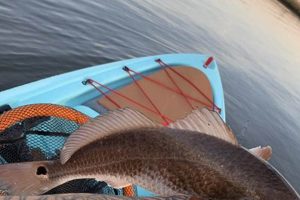
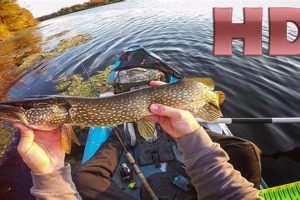
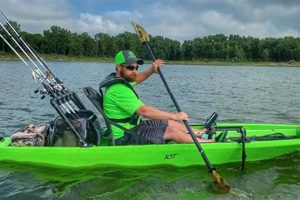
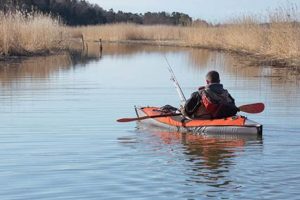
A homemade device for securing caught fish while kayak fishing typically consists of a line or cord with clips or other fasteners to attach fish, keeping them alive and in the water until they are brought ashore. Examples include simple rope and clip systems, paracord stringers, and more elaborate designs incorporating floats and specialized hardware.
Maintaining the freshness and quality of a catch is paramount in kayak fishing, where keeping fish on ice is often impractical. A personally crafted securing device offers a convenient, customizable, and affordable solution tailored to individual needs and kayak setups. This practice has a long history, evolving from basic methods used by anglers across generations. By retaining the catch in its natural environment, anglers ensure better taste and uphold ethical fishing practices by minimizing waste.
This article will delve into the advantages of handcrafted solutions, explore various design options and materials, provide step-by-step construction guides, and offer tips for safe and effective usage while kayak fishing.
Tips for Creating and Using a Homemade Fish Stringer for Kayaking
Careful planning and execution are essential for constructing and utilizing a secure and effective fish-holding device. The following tips offer guidance for maximizing utility and ensuring responsible fishing practices.
Tip 1: Material Selection is Key: Durable, non-corrosive materials are crucial. Stainless steel hardware resists rust in saltwater environments. Marine-grade rope or paracord provides strength and longevity.
Tip 2: Consider Stringer Length and Capacity: The length should accommodate the anticipated catch size and kayak dimensions. Avoid excessive length, which can become cumbersome. Capacity should align with local fishing regulations.
Tip 3: Prioritize Secure Fasteners: Clips should securely hold fish without causing excessive injury. Evaluate different clip designs for effectiveness and ease of use. Test clips thoroughly before use.
Tip 4: Float Integration Improves Visibility and Accessibility: Incorporating a buoyant float keeps the stringer visible and prevents entanglement. This also reduces stress on the fish.
Tip 5: Proper Fish Handling Ensures Freshness: Dispatch fish quickly and humanely before attaching them to the stringer. Minimize handling to preserve quality. Avoid overcrowding the stringer.
Tip 6: Regular Maintenance Extends Lifespan: Rinse the stringer with freshwater after each use. Inspect for damage or wear and replace components as needed. Proper care ensures long-term functionality.
Tip 7: Adhere to Local Regulations: Familiarize oneself with all applicable fishing rules and regulations, including stringer usage and catch limits. Responsible angling benefits the environment and preserves fish populations.
By following these guidelines, anglers can create a highly effective and customized fish-holding solution for their kayak fishing adventures while promoting responsible angling practices.
These practical considerations ensure an effective and enjoyable kayak fishing experience. The next section offers concluding thoughts and emphasizes the overall importance of responsible fishing practices.
1. Material Selection

Material selection is paramount when constructing a durable and effective homemade fish stringer for kayak fishing. The chosen materials directly impact the stringer’s longevity, functionality, and safety. Careful consideration of the aquatic environment, potential catch weight, and overall design complexity informs appropriate material choices.
- Cordage
The cordage forms the backbone of the stringer. Options include nylon paracord, braided fishing line, or specialized stringer cord. Paracord offers high strength and abrasion resistance, while braided fishing line provides excellent knot security. Choosing a cordage unsuitable for aquatic environments, such as natural fiber rope, can lead to rapid deterioration and stringer failure.
- Fasteners
Fasteners secure the fish to the stringer. Stainless steel clips are preferred due to their corrosion resistance in saltwater. Alternatives include purpose-built fish stringer clips or even large safety pins. Using non-stainless steel fasteners in saltwater environments can result in rust, weakening the clips and potentially leading to fish loss. The size and strength of the fasteners should correspond to the expected size and weight of the catch.
- Floats
Floats provide buoyancy and visibility. Closed-cell foam, cork, or even repurposed plastic bottles can serve as effective floats. The float’s size should be proportional to the stringer’s length and anticipated load. A float that is too small may not adequately support the weight of the catch, while one that is too large can create drag and hinder maneuverability.
- Additional Hardware
Additional hardware might include crimps, swivels, or thimbles, depending on the stringer design’s complexity. Crimps secure cordage ends, swivels prevent line twisting, and thimbles reinforce loops subjected to high stress. Selecting high-quality, marine-grade hardware ensures long-term durability and reliability. For simpler designs, these additional components might not be necessary.
Appropriate material selection ensures a functional, durable, and safe homemade fish stringer. Balancing cost-effectiveness with performance requirements is essential. A well-constructed stringer enhances the kayak fishing experience by providing a reliable method for retaining the catch while minimizing environmental impact through the use of robust, long-lasting materials.
2. Construction Techniques
Construction techniques significantly influence the effectiveness and durability of a homemade fish stringer for kayak fishing. Proper techniques ensure the stringer’s strength, functionality, and longevity. Understanding and applying these techniques correctly is crucial for a safe and successful fishing experience. The following facets detail essential construction considerations.
- Knot Tying
Secure knots are essential for attaching fasteners and joining cordage sections. Appropriate knots, such as the Palomar or Improved Clinch Knot for attaching clips, and the Double Fisherman’s or Surgeon’s Knot for joining lines, ensure structural integrity. Incorrect knot selection or improper tying can lead to stringer failure, resulting in fish loss. Practicing and mastering these knots is vital for constructing a reliable stringer. For instance, using a simple overhand knot where a stronger knot is required would compromise the stringer’s overall strength.
- Clip Attachment
Securely attaching clips to the cordage is critical. Methods include using crimps or incorporating loops reinforced with thimbles. Crimping requires specialized tools but provides a permanent, highly secure attachment. Loops offer flexibility but must be carefully constructed to avoid slippage. Incorrectly attached clips can detach, leading to lost fish and wasted effort. Choosing the appropriate attachment method depends on the materials used and the builder’s skill level.
- Float Placement and Attachment
Float placement and attachment affect the stringer’s visibility, balance, and ease of use. Distributing floats evenly along the stringer provides optimal buoyancy and prevents tangling. Secure attachment methods, such as lashing or incorporating the floats into the cordage structure itself, are crucial. Incorrectly placed or poorly attached floats can hinder retrieval, create drag, and reduce the stringers effectiveness.
- Stringer Length and Configuration
The stringer’s length and configuration should suit the angler’s specific needs and local regulations. A shorter stringer is easier to manage in a kayak but may limit the number of fish that can be retained. A longer stringer offers greater capacity but requires more careful handling. Determining the optimal length requires balancing capacity with practicality and considering legal limits on catch size and quantity. Some anglers may opt for a chain stringer design, while others prefer a single line with individual clips.
Employing proper construction techniques is crucial for creating a functional and durable fish stringer for kayak fishing. Each aspect, from knot tying to stringer configuration, contributes to the overall effectiveness and longevity of the finished product. A well-constructed stringer enhances the angling experience by providing a reliable and efficient means of retaining the catch while minimizing environmental impact through responsible construction practices.
3. Kayak Integration
Kayak integration is a crucial design consideration for a DIY fish stringer. Effective integration ensures the stringer remains manageable and doesn’t interfere with paddling, fishing, or other on-the-water activities. A poorly integrated stringer can create entanglement hazards, impede movement, and potentially compromise safety. Several factors influence successful integration, including stringer length, attachment points, and storage solutions.
Stringer length directly impacts maneuverability. An excessively long stringer can become tangled in the kayak’s paddle, rudder, or other gear. A shorter stringer, appropriately sized for the anticipated catch, minimizes entanglement risks. Attachment points are equally critical. Securing the stringer to the kayak using designated attachment points, such as D-rings or paddle clips, keeps it readily accessible while preventing it from drifting into the paddle stroke or interfering with casting. Dedicated storage solutions, like a small mesh bag or a section of bungee cord, keep the stringer organized and out of the way when not in use. For example, attaching a stringer to the rear of a kayak can create drag and hinder paddling efficiency. Alternatively, attaching it too close to the angler risks entanglement with fishing lines. Careful consideration of these factors ensures the stringer complements the kayak fishing experience rather than detracting from it.
Successful kayak integration enhances safety, efficiency, and overall enjoyment. A well-integrated stringer remains unobtrusive during paddling and fishing, minimizing the risk of accidents. It also allows for efficient fish retrieval and storage, streamlining the angling process. By addressing these integration aspects, anglers can create a DIY fish stringer that seamlessly integrates into their kayak setup, improving the overall fishing experience. This careful planning and execution translates to a more streamlined and enjoyable experience on the water.
4. Fish Handling

Proper fish handling is essential when using a DIY fish stringer for kayak fishing. Effective handling techniques ensure fish remain healthy and fresh until they are processed, maximizing quality and minimizing waste. Improper handling can lead to spoilage, reducing the enjoyment and ethical implications of the fishing experience.
- Minimizing Air Exposure
Minimizing a fish’s exposure to air is crucial for maintaining freshness. Air exposure dries out the fish’s gills and skin, accelerating deterioration. Quickly transferring a fish from the hook to the stringer while keeping it submerged in water preserves its quality. For example, allowing a fish to flop on the kayak’s deck or holding it out of the water for extended periods compromises its freshness. This careful approach to air exposure directly impacts the overall quality of the catch.
- Humane Dispatch
Humane dispatch is an ethical imperative. Swiftly and effectively ending a fish’s suffering minimizes stress and ensures a more humane harvest. Techniques such as iki jime or a sharp blow to the head are effective methods. Delaying dispatch or employing ineffective methods prolongs suffering, compromising ethical fishing practices. A quick and humane dispatch contributes to a respectful and responsible approach to angling. For example, using a blunt object or slowly suffocating a fish are inhumane practices to be avoided. Swift, decisive action prioritizes the fish’s well-being.
- Proper Stringer Placement
Proper stringer placement contributes to fish health and preservation. Positioning the stringer in an area with adequate water flow and avoiding overcrowding reduces stress on the fish and maximizes oxygen availability. Placing the stringer in stagnant or shallow water can lead to oxygen depletion and stress, compromising the fish’s condition. For example, placing the stringer in the kayak’s wake, where water is churned and aerated, provides better oxygenation compared to placing it in calm, shallow water.
- Temperature Management
Temperature significantly impacts fish quality. Keeping the fish cool slows down enzymatic and bacterial activity, preserving freshness. In warmer climates, periodically cooling the stringer by submerging it in deeper, cooler water helps maintain fish quality. Allowing the stringer to remain in direct sunlight or warm, shallow water accelerates spoilage. This attention to temperature management is particularly critical in warmer environments. Using an insulated container or periodically refreshing the water surrounding the stringer can significantly extend the freshness of the catch.
Effective fish handling is integral to successful kayak fishing with a DIY stringer. These techniques, ranging from minimizing air exposure to temperature management, contribute significantly to preserving fish quality and upholding ethical fishing practices. By incorporating these practices, anglers maximize enjoyment and ensure a responsible and sustainable approach to their fishing endeavors. This conscientious approach demonstrates respect for the resource and enhances the overall experience.
5. Regulations Compliance

Regulations compliance is paramount when using a DIY fish stringer for kayak fishing. Disregarding regulations can lead to legal penalties, damage fish populations, and negatively impact the overall health of aquatic ecosystems. Understanding and adhering to local fishing regulations ensures a sustainable and responsible approach to angling.
- Catch Limits and Size Restrictions
Catch limits dictate the number of fish an angler can legally retain. Size restrictions specify the minimum or maximum size of fish that can be kept. A DIY stringer facilitates compliance by providing a visible and accountable method for storing caught fish. However, anglers must remain mindful of these limits and release any fish exceeding the allowed quantity or falling outside the prescribed size range. For example, exceeding the catch limit for trout, even if unintentionally, can result in fines and jeopardize future fishing privileges.
- Species Restrictions
Certain species may be protected or subject to specific regulations. These regulations often vary depending on the location and time of year. Using a DIY stringer requires awareness of these restrictions to avoid inadvertently retaining prohibited species. For instance, catching a protected species of bass during its spawning season, even if immediately released, could disrupt breeding patterns and harm the population. Anglers must familiarize themselves with local regulations regarding protected or restricted species.
- Gear Restrictions
Some areas may have regulations regarding fishing gear, including stringers. These regulations might specify allowable stringer materials, lengths, or configurations. DIY stringer construction must consider these restrictions. For example, using barbed hooks or a stringer made from non-biodegradable materials might be prohibited in certain areas. Researching and adhering to local gear regulations is crucial for responsible angling.
- Designated Fishing Areas
Certain bodies of water or specific areas within them may be designated as no-fishing zones, sanctuaries, or areas with special regulations. Using a DIY stringer, even if complying with other regulations, is prohibited in these designated areas. For example, fishing in a designated spawning area, even with a compliant stringer and within catch limits, can disrupt fish reproduction and violate local regulations.
Regulations compliance is an integral aspect of responsible kayak fishing with a DIY stringer. By adhering to these regulations, anglers contribute to the long-term health of fish populations and the sustainability of aquatic ecosystems. Understanding and complying with local fishing regulations is not merely a legal obligation but a demonstration of respect for the environment and a commitment to ethical angling practices. This responsible approach ensures future generations can enjoy the sport and the natural resources it relies upon.
6. Maintenance Procedures
Maintenance procedures are essential for maximizing the lifespan and effectiveness of a DIY fish stringer for kayak fishing. Neglecting maintenance can lead to premature deterioration, material failure, and potential safety hazards. Regular upkeep ensures the stringer remains functional, reliable, and safe, contributing to a positive and responsible fishing experience. The connection between maintenance and stringer performance is direct and significant. For example, a saltwater-exposed stainless steel clip, if not rinsed regularly, can corrode and weaken, potentially leading to fish loss. Similarly, neglecting to inspect the cordage for fraying could result in a break, jeopardizing the entire catch.
Specific maintenance tasks depend on the materials used in the stringer’s construction. Nylon paracord requires regular cleaning and inspection for wear. Stainless steel components benefit from rinsing with fresh water after each use to remove salt and other corrosive elements. Wooden components, if used, might require occasional oiling or sealing to prevent rot and maintain buoyancy. Addressing these specific material requirements ensures the longevity and effectiveness of each component, contributing to the overall durability of the stringer. For instance, failing to rinse a stainless-steel clip after saltwater exposure can lead to rapid corrosion, significantly shortening its lifespan. Similarly, neglecting to dry and store a nylon cord properly can promote mildew growth and weaken its structure. These practical examples underscore the direct impact of maintenance on the stringer’s performance and longevity.
Implementing a regular maintenance schedule preserves the stringer’s functionality and contributes to safe and responsible fishing practices. A well-maintained stringer minimizes the risk of equipment failure, ensuring a secure and reliable method for retaining the catch. Furthermore, proper maintenance reduces the environmental impact by extending the stringer’s lifespan, minimizing the need for replacements and reducing waste. This proactive approach aligns with the principles of responsible angling, promoting conservation and minimizing environmental footprint. Ultimately, consistent maintenance practices reflect a commitment to responsible fishing and contribute to a more sustainable and enjoyable angling experience.
Frequently Asked Questions
This section addresses common inquiries regarding the construction and utilization of homemade fish stringers for kayak fishing. Clear and concise answers provide practical guidance for anglers seeking effective and responsible fish handling solutions.
Question 1: What are the most suitable materials for constructing a DIY fish stringer?
Durable and corrosion-resistant materials are recommended. Stainless steel clips and marine-grade rope or paracord are preferred for their longevity and resistance to saltwater environments. Alternative materials like high-strength braided fishing line can also be considered.
Question 2: How long should a kayak fishing stringer be?
Stringer length should balance capacity with manageability. An excessively long stringer can become cumbersome and create entanglement hazards. A shorter stringer, tailored to the anticipated catch and kayak dimensions, is generally preferred. Local fishing regulations may also dictate maximum allowable stringer lengths.
Question 3: What type of clips are most effective for securing fish to a stringer?
Stainless steel clips designed specifically for fish stringers are recommended. These clips are typically designed to securely hold fish without causing excessive injury. Large safety pins can serve as an alternative but should be used with caution to avoid injury to both the fish and the angler. The clip size and strength should correspond to the expected size and weight of the catch.
Question 4: Are floats necessary for a kayak fish stringer?
Floats are highly recommended. They increase stringer visibility, prevent entanglement, and reduce stress on the fish by suspending the catch off the bottom. Suitable float materials include closed-cell foam, cork, or repurposed plastic bottles. Float size should be proportionate to the stringer’s length and anticipated weight load.
Question 5: How should fish be handled when using a stringer?
Fish should be dispatched quickly and humanely before being attached to the stringer. Minimizing handling and air exposure preserves freshness. Overcrowding the stringer should be avoided to reduce stress on the fish and maintain water quality around the catch.
Question 6: What maintenance is required for a DIY fish stringer?
Regular maintenance is essential. Rinsing the stringer with fresh water after each use removes salt and other corrosive elements. Inspecting the cordage and clips for wear and tear and replacing damaged components ensures continued functionality and safety. Proper storage in a dry, ventilated area prevents mildew and prolongs the stringer’s lifespan.
Careful consideration of these frequently asked questions equips anglers with the knowledge necessary to construct, utilize, and maintain a DIY fish stringer effectively. Responsible and informed practices maximize both enjoyment and sustainability in kayak fishing.
The subsequent section will offer a concluding summary and emphasize the importance of ethical and sustainable kayak fishing practices.
Conclusion
Constructing and utilizing a homemade fish-holding device for kayak angling presents an opportunity for enhanced angling experiences through customization and cost-effectiveness. Careful consideration of material selection, construction techniques, kayak integration, fish handling, regulations compliance, and maintenance procedures ensures a functional, durable, and ethically sound approach to retaining catches. Each element plays a crucial role in the overall effectiveness and responsibility of this practice. From selecting corrosion-resistant hardware to employing humane dispatch methods, these considerations contribute to a more sustainable and enjoyable fishing experience. Ignoring these aspects can lead to equipment failure, compromised fish quality, and potential legal consequences.
Prioritizing responsible angling practices safeguards aquatic ecosystems and ensures the longevity of this recreational pursuit. Applying informed decision-making to every aspect of fish handling, from construction to disposal, reflects a commitment to conservation and respect for natural resources. This dedication to ethical angling not only benefits the environment but also enhances the overall angling experience, fostering a deeper appreciation for the sport and the natural world it relies upon. The future of kayak fishing hinges on the widespread adoption of sustainable practices, ensuring generations to come can enjoy the thrill of the catch and the tranquility of the water.