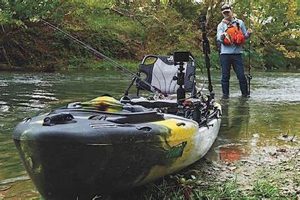
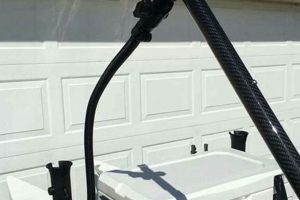
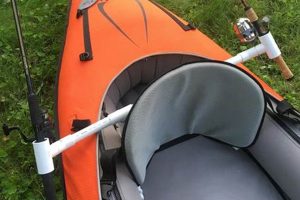
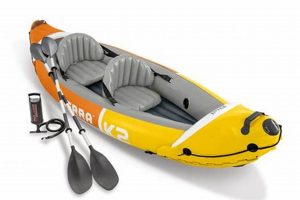
Specialized kayaks designed for angling come in various forms, each tailored to specific fishing styles and water conditions. These vessels may feature distinct hull designs, specialized storage options, and integrated features like rod holders and mounting points for fish finders.
Choosing the right kayak significantly enhances angling effectiveness and enjoyment. A stable platform optimized for fishing provides comfort and convenience, allowing anglers to focus on the task at hand. This specialization also enables access to shallower waters and secluded fishing spots often unreachable by larger boats. Furthermore, kayaks offer a stealthy approach, minimizing disturbance to fish and maximizing catch potential.
The following sections will delve into the specific characteristics of sit-on-top, sit-inside, inflatable, and pedal-powered fishing kayaks, exploring their individual advantages, disadvantages, and ideal usage scenarios.
Tips for Selecting a Fishing Kayak
Choosing among the variety of available fishing kayaks requires careful consideration of individual needs and intended usage. These tips offer guidance for making an informed decision.
Tip 1: Consider Water Conditions. Ocean kayaks require greater stability and length than those intended for calm lakes or rivers. Shorter kayaks offer superior maneuverability in tight spaces, while longer kayaks track better in open water.
Tip 2: Evaluate Storage Capacity. Ample storage is crucial for carrying tackle, safety gear, and potential catches. Consider built-in storage compartments, tank wells, and the capacity to mount additional storage accessories.
Tip 3: Prioritize Stability and Comfort. A stable platform is essential for casting, reeling, and landing fish. Consider seat design, kayak width, and hull shape for optimal comfort during long hours on the water.
Tip 4: Factor in Transportation and Storage. Kayak weight and length impact ease of transport and storage. Inflatable kayaks offer a convenient solution for limited storage space, while rigid kayaks may require roof racks or trailers.
Tip 5: Determine Propulsion Preference. Paddle kayaks offer a traditional experience and excellent exercise, while pedal-powered kayaks allow hands-free fishing and faster speeds. Consider physical capabilities and fishing style.
Tip 6: Research Specific Features. Rod holders, anchor trolleys, and fish finder mounts enhance fishing efficiency. Evaluate the availability and placement of these features to optimize your on-the-water experience.
Tip 7: Establish a Budget. Kayak prices vary significantly based on features, materials, and construction. Set a realistic budget and prioritize essential features within your price range.
By carefully considering these factors, anglers can select a kayak that perfectly complements their individual needs and maximizes their fishing success. This informed decision will lead to a more enjoyable and productive time on the water.
Ultimately, the optimal fishing kayak is one that seamlessly integrates with an angler’s individual preferences and fishing style. The following conclusion offers a final overview and reinforces the importance of selecting the right vessel.
1. Sit-on-top Kayaks

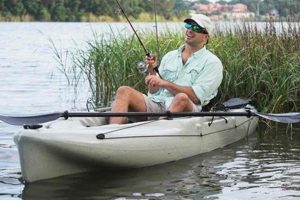
Sit-on-top kayaks represent a significant category within the diverse range of fishing kayaks. Their defining characteristic, an open deck allowing anglers to sit on top of the hull rather than inside a cockpit, offers distinct advantages and disadvantages that influence their suitability for specific fishing styles and environments. This design contributes significantly to the broader spectrum of “different types of fishing kayaks,” offering a unique blend of stability, ease of access, and specialized features.
The open design of sit-on-top kayaks offers inherent stability, particularly beneficial for anglers who value a secure platform for casting, fighting fish, and re-entering the kayak after a swim. This stability makes them well-suited for activities like sight fishing in shallow water or fly fishing, where balance and maneuverability are paramount. Self-bailing scupper holes further enhance their performance in rougher conditions, allowing water to drain quickly and preventing the kayak from swamping. A real-world example of this advantage is their popularity among anglers fishing in surf zones or navigating choppy bays. However, the open deck exposes anglers to the elements, making them less suitable for cold-water fishing without specialized gear. Anglers often choose sit-on-tops for warmer climates or equip themselves with appropriate clothing for colder conditions. The lack of a closed cockpit also limits storage options compared to sit-inside kayaks, necessitating careful gear selection and potentially influencing the duration and range of fishing trips.
In summary, sit-on-top kayaks occupy a prominent position within the spectrum of fishing kayaks. Their stability, ease of access, and self-bailing capabilities cater to specific fishing styles and environmental conditions. While the open deck presents some limitations regarding weather protection and storage, its inherent advantages make sit-on-top kayaks a popular and practical choice for many anglers. Understanding these characteristics allows anglers to make informed decisions based on individual needs and preferences, contributing to a more enjoyable and successful fishing experience. The choice between a sit-on-top and other types ultimately depends on a careful evaluation of individual priorities and the specific demands of the intended fishing environment.
2. Sit-inside Kayaks

Sit-inside kayaks represent a distinct category within the diverse landscape of fishing kayaks. Characterized by a closed cockpit where the angler sits within the hull, these kayaks offer a contrasting set of advantages and disadvantages compared to their sit-on-top counterparts. Understanding these characteristics is crucial for discerning the optimal kayak type for specific fishing needs and conditions, further highlighting the importance of exploring “different types of fishing kayaks.”
- Protection from the Elements:
The enclosed cockpit of a sit-inside kayak provides a degree of protection from wind, rain, and cold water, making them suitable for colder climates or extended fishing trips in varied weather conditions. Spray skirts can further enhance this protection, creating a dry and comfortable environment within the cockpit. This characteristic is particularly relevant for anglers fishing in colder regions or during shoulder seasons. The enhanced protection allows for longer and more comfortable fishing sessions, potentially increasing fishing success.
- Enhanced Storage Capacity:
Sit-inside kayaks generally offer more storage space than sit-on-tops, owing to the enclosed cockpit and potential for internal compartments. This increased capacity allows anglers to carry more gear, including tackle boxes, extra clothing, and safety equipment. This can be advantageous for longer expeditions or when carrying specialized fishing gear. For example, anglers targeting larger species might require heavier tackle and equipment, making the ample storage of sit-inside kayaks highly beneficial.
- Increased Tracking and Speed:
The lower center of gravity and streamlined design of many sit-inside kayaks contribute to improved tracking and paddling efficiency. This allows anglers to cover greater distances with less effort, making them suitable for larger bodies of water or when exploring extensive stretches of coastline. For instance, anglers targeting pelagic fish species might benefit from the increased speed and range offered by a sit-inside kayak. However, this design characteristic can make them slightly less maneuverable than sit-on-tops in tight quarters like shallow creeks or mangrove forests.
- Potential for Entrapment:
While the enclosed cockpit offers protection, it also presents a potential safety concern regarding entrapment in the event of a capsize. Proper training in self-rescue techniques and the use of safety equipment, like a spray skirt and bilge pump, are essential for mitigating this risk. Understanding and practicing these skills are paramount for ensuring angler safety, particularly in challenging conditions. This consideration is especially important for those new to kayaking or fishing in unpredictable environments.
In conclusion, sit-inside kayaks offer distinct advantages and disadvantages compared to other fishing kayak types. Their suitability depends on individual preferences, fishing styles, and prevailing environmental conditions. Factors like weather protection, storage capacity, tracking performance, and safety considerations all play a significant role in the selection process. By carefully evaluating these aspects, anglers can choose a kayak that aligns with their specific needs and contributes to a safe and successful fishing experience, ultimately demonstrating the value of exploring “different types of fishing kayaks.”
3. Inflatable Kayaks

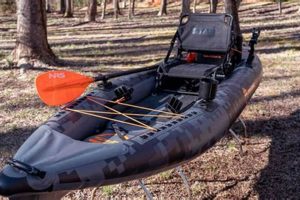
Inflatable kayaks represent a significant segment within the diverse category of fishing kayaks. Their portability, affordability, and ease of storage distinguish them from rigid alternatives, making them a practical option for anglers with limited storage space or transportation constraints. This unique set of characteristics contributes significantly to the broader theme of “different types of fishing kayaks,” offering a distinctive approach to angling access and convenience.
The portability of inflatable kayaks stems from their ability to be deflated and packed into a compact form. This characteristic significantly simplifies transportation and storage, eliminating the need for roof racks or specialized trailers often required for rigid kayaks. Anglers residing in apartments or possessing limited vehicle space find this convenience particularly appealing. Furthermore, the reduced weight of inflatable kayaks enhances their portability, allowing for easier transport to remote fishing locations, including those inaccessible by larger watercraft. For example, anglers seeking secluded mountain lakes or navigating shallow streams benefit from the lightweight and maneuverable nature of inflatable kayaks. However, inflatable kayaks generally exhibit lower tracking performance and speed compared to rigid designs. Their susceptibility to wind and current requires careful consideration of environmental conditions before embarking on a fishing trip. Though durable materials and construction techniques mitigate the risk of punctures, anglers operating in environments with submerged debris or sharp rocks must exercise caution.
The practical significance of understanding inflatable kayaks within the context of “different types of fishing kayaks” lies in their ability to expand angling opportunities for individuals facing logistical challenges. Their unique portability and affordability remove significant barriers to entry, enabling greater access to the sport. While acknowledging their limitations regarding performance and durability, the distinct advantages offered by inflatable kayaks solidify their valuable role within the diverse range of fishing kayaks available to modern anglers. Choosing the right type, whether inflatable or rigid, ultimately depends on a careful assessment of individual needs, fishing style, and the specific demands of the intended fishing environment.
4. Pedal Kayaks

Pedal kayaks represent a specialized category within the diverse range of fishing kayaks, distinguished by their propulsion system. Unlike traditional paddle kayaks, pedal kayaks utilize foot pedals to drive a propeller or flipper system, offering hands-free operation and several distinct advantages. This focus on pedal-powered propulsion significantly contributes to the broader context of “different types of fishing kayaks,” offering a unique approach to on-the-water mobility and fishing efficiency.
- Hands-Free Fishing:
The primary advantage of pedal kayaks lies in their ability to provide hands-free operation. This allows anglers to focus entirely on fishing, manipulating rods, lures, and lines without the interruption of paddling. This is particularly beneficial for techniques requiring precise lure presentations or frequent adjustments, such as fly fishing or trolling. For example, anglers targeting species requiring constant lure retrieval or subtle manipulation benefit significantly from the continuous hands-free control offered by pedal kayaks.
- Increased Speed and Range:
Pedal-powered propulsion often generates higher speeds and allows for greater distances covered compared to traditional paddling. This expands fishing access to wider areas, enabling anglers to reach distant fishing grounds or cover more water during a single outing. Anglers targeting offshore reefs or exploring large lakes find this extended range particularly advantageous. Furthermore, the consistent speed maintained through pedaling allows for efficient trolling, enhancing the chances of locating and attracting fish.
- Enhanced Maneuverability (in certain designs):
Certain pedal kayak designs, particularly those employing flipper propulsion systems, offer enhanced maneuverability in shallow water or tight spaces. The ability to quickly change direction or navigate through obstacles, such as submerged vegetation or shallow channels, becomes highly advantageous. For instance, anglers pursuing fish in mangrove forests or shallow flats benefit significantly from this precise maneuverability, allowing access to prime fishing spots otherwise difficult to reach.
- Physical Considerations and Cost:
While pedal kayaks offer distinct advantages, their higher cost compared to traditional paddle kayaks warrants consideration. The complex propulsion systems contribute to increased weight and require more maintenance. Additionally, the physical demands of pedaling might not suit all anglers, particularly those with physical limitations. Therefore, careful consideration of budget and physical capabilities is necessary when evaluating pedal kayaks against other options within the diverse spectrum of fishing kayaks.
In conclusion, the integration of pedal propulsion systems significantly distinguishes pedal kayaks within the broader category of fishing kayaks. The hands-free operation, increased speed and range, and potential for enhanced maneuverability offer unique advantages for specific fishing styles and environments. However, the associated cost and physical demands require careful consideration. By understanding these aspects within the context of “different types of fishing kayaks,” anglers can make informed decisions based on individual needs, fishing preferences, and target species, ultimately contributing to a more efficient and enjoyable fishing experience.
5. Motorized Kayaks

Motorized kayaks represent a distinct category within the diverse landscape of fishing kayaks, characterized by the integration of an outboard motor or electric trolling motor. This motorized propulsion system fundamentally alters the dynamic of kayak fishing, offering distinct advantages and disadvantages compared to traditional paddle or pedal-powered alternatives. Understanding the implications of motorized propulsion within the context of “different types of fishing kayaks” is crucial for anglers seeking to optimize their fishing experience based on individual needs and target environments.
The most significant advantage of motorized kayaks lies in their enhanced speed and range. Outboard motors, particularly gas-powered variants, provide significantly greater power and speed compared to human-powered propulsion, enabling anglers to cover vast distances and access remote fishing grounds previously unreachable within reasonable timeframes. This expanded range opens up new fishing opportunities, particularly in larger lakes, reservoirs, and coastal areas. For example, anglers targeting offshore species or exploring extensive river systems benefit significantly from the increased range offered by motorized kayaks. Electric trolling motors, while generally less powerful than gas outboards, still offer a substantial increase in range and speed compared to paddling, with the added advantage of quieter operation, often preferred for stealthy approaches in shallower waters. However, the integration of a motor introduces additional considerations, including weight, cost, and maintenance. Motorized kayaks are inherently heavier due to the motor and associated components like batteries and fuel tanks. This added weight can impact portability and maneuverability, especially when launching or landing in shallow water or transporting the kayak on land. The cost of purchasing and maintaining a motor also represents a significant investment, potentially exceeding the budget of some anglers. Furthermore, regulations regarding motorized watercraft vary by location, necessitating careful research and adherence to local laws. These practical considerations underscore the importance of evaluating motorized kayaks within the broader framework of “different types of fishing kayaks,” enabling informed decisions based on individual needs and environmental constraints.
In conclusion, motorized kayaks offer a unique approach to fishing, expanding access and range through powered propulsion. While the increased speed and range offer distinct advantages for certain fishing styles and environments, the associated cost, weight, and maintenance requirements necessitate careful consideration. By evaluating these factors within the context of “different types of fishing kayaks,” anglers can make informed decisions that align with their individual fishing goals, budgetary constraints, and the specific characteristics of their target fishing environments. The optimal choice, whether motorized or human-powered, ultimately depends on a balanced assessment of these considerations, ensuring a safe, efficient, and enjoyable fishing experience.
Frequently Asked Questions about Fishing Kayaks
This FAQ section addresses common inquiries regarding the selection and use of fishing kayaks, providing concise and informative responses to assist anglers in making informed decisions.
Question 1: What is the most stable type of fishing kayak?
Generally, wider kayaks with flatter hulls offer greater primary stability, making them less prone to tipping. Sit-on-top kayaks are often favored for their inherent stability, particularly in calm water conditions. However, stability also depends on factors like kayak length, hull design, and weight distribution.
Question 2: How much storage space do I need in a fishing kayak?
Storage needs depend on the length of fishing trips and the amount of gear required. Longer expeditions or specialized fishing techniques necessitate greater storage capacity. Consider the size and quantity of tackle boxes, rods, safety equipment, and potential catches when evaluating storage options like hatches, tank wells, and bungee systems.
Question 3: Are inflatable fishing kayaks durable enough for regular use?
Modern inflatable kayaks utilize durable materials and construction techniques, making them surprisingly resilient. While punctures are possible, they are relatively rare. Proper care and avoidance of sharp objects or abrasive surfaces contribute significantly to the longevity of inflatable kayaks.
Question 4: What are the advantages of a pedal-powered fishing kayak?
Pedal kayaks offer hands-free fishing, enabling anglers to focus on casting and retrieving lines without interrupting paddling. They often provide increased speed and range compared to paddle kayaks, allowing access to wider fishing areas. However, they typically come at a higher price point.
Question 5: What safety precautions should be taken when using a fishing kayak?
Wearing a personal flotation device (PFD) is paramount. Carrying essential safety gear, including a whistle, signaling device, and first-aid kit, is also crucial. Informing someone of your fishing plans, including location and expected return time, is a recommended safety practice. Understanding basic self-rescue techniques is advisable, especially for sit-inside kayaks.
Question 6: What is the best way to transport a fishing kayak?
Transportation methods depend on kayak size and type. Roof racks are commonly used for rigid kayaks, while inflatable kayaks can be deflated and transported in a vehicle’s trunk or storage area. Trailers are an option for transporting multiple kayaks or larger, heavier models. Securely fastening the kayak during transport is crucial to prevent damage or accidents.
Careful consideration of these frequently asked questions, along with individual fishing preferences and target environments, facilitates informed decision-making regarding the optimal fishing kayak selection. Prioritizing safety and understanding the unique characteristics of each kayak type contribute significantly to a successful and enjoyable fishing experience.
Beyond these frequently asked questions, further research into specific kayak models and features is highly recommended. Consulting with experienced anglers or kayak retailers can provide valuable insights and personalized guidance, ultimately leading to the optimal kayak choice.
Conclusion
The diverse landscape of fishing kayaks offers specialized vessels tailored to various fishing styles, budgets, and physical capabilities. From the stability of sit-on-tops to the protective nature of sit-ins, the portability of inflatables, the efficiency of pedal-powered designs, and the extended range of motorized options, each type presents unique advantages and disadvantages. Careful evaluation of these characteristics, considering factors such as intended fishing environment, storage capacity requirements, and propulsion preferences, is essential for selecting the appropriate vessel.
Ultimately, the optimal fishing kayak selection hinges on a thorough understanding of these diverse options and their alignment with individual angler needs and aspirations. This informed approach empowers anglers to maximize their on-the-water experiences, fostering increased enjoyment and success in their pursuit of targeted species. Continuous exploration of advancements in kayak design and technology will undoubtedly further refine the choices available, enhancing fishing opportunities for anglers of all skill levels and further diversifying the landscape of specialized fishing watercraft.