Exploring the diverse waterways of the Carolinas by kayak offers a unique blend of angling and outdoor experience. From the sounds and estuaries of the coast to the rivers and lakes of the Piedmont, this pursuit allows close contact with nature while targeting a variety of fish species. For instance, anglers might paddle through tranquil blackwater swamps in search of largemouth bass or navigate coastal marshes to pursue redfish and speckled trout. The self-propelled nature of kayaking grants access to shallow, secluded areas often unreachable by larger motorized boats, expanding fishing opportunities.
This type of angling promotes a low-impact approach to enjoying the natural environment, fostering appreciation for conservation and responsible resource management. Historically, small, human-powered craft have been integral to fishing traditions in the region, and the modern kayak angler carries on this legacy. The physical challenge combined with the reward of a successful catch creates a fulfilling experience that connects individuals with the outdoors on a deeper level.
The following sections delve into specific aspects of this activity, including suitable locations, essential equipment, recommended techniques, and important safety considerations. Furthermore, the environmental aspects and conservation efforts related to maintaining healthy fisheries within the Carolinas will be addressed.
Tips for Kayak Fishing in the Carolinas
Successful kayak fishing excursions in the Carolinas require preparation and adherence to best practices. The following tips offer guidance for enhancing safety and improving angling success.
Tip 1: Plan according to tides and weather. Coastal fishing is heavily influenced by tidal fluctuations and wind conditions. Consult tide charts and weather forecasts before embarking on any trip. Launching during calmer periods, particularly around slack tide, is recommended.
Tip 2: Utilize appropriate safety gear. A personal flotation device (PFD) is essential and should be worn at all times. Carry a whistle for signaling, a first-aid kit, and communication devices such as a VHF radio or waterproof cell phone.
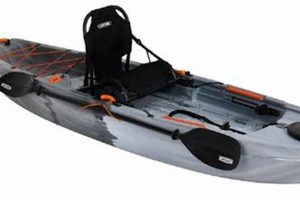
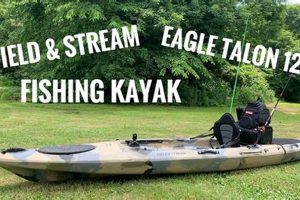
Tip 3: Choose the right kayak and equipment. Select a kayak designed for stability and fishing functionality. Consider features like rod holders, storage compartments, and anchor systems. Fishing gear should be tailored to target species and local regulations.
Tip 4: Master basic paddling and maneuvering techniques. Practice paddling strokes and maneuvering skills before venturing into open water. Learn how to effectively position the kayak for casting and retrieving in different conditions.
Tip 5: Respect wildlife and the environment. Practice catch-and-release whenever possible, minimizing handling time for fish. Adhere to Leave No Trace principles by packing out all trash and avoiding disturbing natural habitats.
Tip 6: Be aware of local regulations. Obtain necessary fishing licenses and familiarize oneself with size and catch limits for target species. Respect designated no-fishing zones and protected areas.
Tip 7: Pack light and efficiently. Organize gear within the kayak for easy access and weight distribution. Avoid overloading the vessel, which can compromise stability.
By following these guidelines, anglers can enhance both the enjoyment and safety of their kayak fishing experiences in the Carolinas. Responsible preparation and execution contribute to a sustainable and fulfilling pursuit.
These tips provide a foundation for a successful outing. The concluding section offers further resources for enhancing knowledge and connecting with the broader kayak fishing community.
1. Coastal Exploration

Coastal exploration forms an integral component of Carolina kayak fishing adventures. The extensive network of estuaries, sounds, and marshes characteristic of the Carolina coastline provides a rich and varied environment for anglers. Kayaks, due to their shallow draft and maneuverability, grant access to areas inaccessible to larger vessels, enabling exploration of secluded creeks, protected inlets, and shallow flats. This accessibility expands fishing opportunities, allowing anglers to target species such as redfish, speckled trout, flounder, and other inshore species. The ability to navigate shallow waters and silently approach fish-holding areas contributes significantly to angling success.
For instance, navigating the tidal creeks of Cape Lookout National Seashore by kayak allows anglers to explore vast expanses of salt marsh and oyster beds, prime habitat for redfish. Similarly, paddling through the sounds of the Outer Banks provides access to shallow-water flats where speckled trout often congregate. Understanding tidal influences and currents becomes crucial during coastal exploration. Planning trips according to tide charts optimizes fishing success by positioning anglers in productive areas during peak feeding periods. Furthermore, knowledge of local geography and navigational markers enhances safety and facilitates efficient exploration.
Coastal exploration by kayak extends beyond merely reaching fishing grounds. It fosters a deeper connection with the natural environment, allowing observation of diverse coastal ecosystems and wildlife. Understanding the interplay of tides, currents, and habitats enriches the overall experience and promotes responsible stewardship of these valuable resources. Challenges such as changing weather conditions and navigating complex waterways necessitate careful planning and preparation. However, the rewards of accessing pristine fishing locations and experiencing the unique beauty of the Carolina coast make coastal exploration a defining element of kayak fishing adventures in the region.
2. Diverse Fishing Opportunities

Diverse fishing opportunities represent a cornerstone of Carolina kayak fishing adventures. The region’s varied aquatic ecosystems, encompassing freshwater rivers and lakes, brackish estuaries, and saltwater marshes and sounds, support a wide array of fish species. This ecological diversity translates into angling opportunities for both freshwater and saltwater species, enhancing the appeal of kayak fishing within the Carolinas. The ability to transition seamlessly between different fishing environments contributes significantly to the overall experience. For example, anglers can target largemouth bass in a blackwater swamp one day and then pursue redfish in a coastal salt marsh the next.
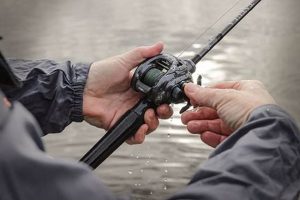
This diversity extends beyond simply the number of species available. It also encompasses variations in fishing techniques and the types of equipment employed. Anglers might utilize fly fishing gear for trout in a mountain stream, then switch to baitcasting tackle for striped bass in a coastal sound. This adaptability allows anglers to customize their approach based on target species and preferred fishing styles. The availability of diverse fishing experiences throughout different seasons further enhances the appeal. Springtime offers excellent opportunities for shad and striped bass in rivers, while summer months provide prime conditions for redfish and speckled trout along the coast. Fall fishing can be productive for largemouth bass in cooling lakes, and winter presents opportunities for targeting saltwater species in nearshore ocean waters.
Understanding the nuances of each fishing environment and the specific techniques required to target particular species contributes significantly to angling success. Accessing online resources, consulting local fishing guides, and engaging with local angling communities offer valuable insights into optimal fishing strategies and locations. The diverse fishing opportunities available within the Carolinas represent a significant draw for anglers of all skill levels. The ability to explore a wide range of environments and target a variety of species contributes to the overall richness and appeal of kayak fishing adventures in the region.
3. Specialized Kayak Selection
Specialized kayak selection plays a crucial role in successful Carolina kayak fishing adventures. The chosen vessel directly impacts maneuverability, stability, and overall fishing efficacy within the diverse environments encountered throughout the Carolinas. A well-suited kayak enhances angler comfort, safety, and the ability to access productive fishing areas. Careful consideration of kayak features and their alignment with specific fishing needs contributes significantly to a positive and productive experience.
- Hull Design
Hull design influences kayak performance characteristics. A wider, flatter hull provides greater stability, benefiting anglers fishing in calm waters or when standing to cast. A narrower, V-shaped hull offers enhanced speed and tracking, advantageous for covering longer distances or navigating currents. For example, a stable sit-on-top kayak excels in the calmer waters of inland sounds, while a longer, touring-style kayak might prove more efficient for traversing open stretches of coastal waters.
- Propulsion Systems
Propulsion systems dictate how the kayak is maneuvered through the water. Paddle kayaks offer excellent control and maneuverability in tight spaces, beneficial for navigating shallow creeks or maneuvering around structure. Pedal-driven kayaks allow hands-free fishing and increased speed, advantageous for covering larger areas or contending with currents. Motorized kayaks provide the greatest range and speed, suitable for exploring extensive waterways or distant fishing grounds. Choosing a propulsion system aligns with the specific demands of targeted fishing environments and the angler’s physical capabilities.
- Features and Accessories
Specialized features and accessories enhance a kayak’s fishing functionality. Rod holders, integrated tackle storage, anchor systems, and fish finders contribute to angler efficiency and success. For example, flush-mounted rod holders keep fishing rods secure during transport, while a built-in livewell maintains the health of caught baitfish. Selecting appropriate accessories enhances comfort, organization, and overall fishing effectiveness.
- Material and Construction
Kayak materials and construction impact durability, weight, and performance. Polyethylene kayaks offer excellent durability and affordability, while composite kayaks prioritize lighter weight and increased speed. Inflatable kayaks provide portability and ease of storage. The choice of material balances performance requirements with transportation and storage considerations. For instance, a durable polyethylene kayak might be preferred for navigating oyster beds or rocky shorelines, while a lighter composite kayak might be chosen for easier portage over longer distances.
The choice of kayak directly influences the types of fishing environments accessible and the overall effectiveness of angling efforts. Matching kayak features to specific fishing needs within the Carolinas, whether targeting redfish in coastal marshes, trout in mountain streams, or bass in inland lakes, optimizes the overall kayak fishing adventure.
4. Essential Safety Precautions

Essential safety precautions form an integral component of successful Carolina kayak fishing adventures. The inherent risks associated with on-water activities, compounded by the often-remote nature of kayaking excursions, necessitate meticulous planning and preparation. Neglecting safety protocols can transform an enjoyable outing into a hazardous situation. Understanding and implementing appropriate safety measures ensures angler well-being and allows for a more focused and fulfilling fishing experience.
Several factors underscore the importance of safety precautions. Changing weather conditions, particularly along the coast, can rapidly create challenging situations. Sudden winds, storms, and shifting tides can pose significant risks to kayakers. Navigating unfamiliar waterways, encountering other vessels, and dealing with potential wildlife interactions require preparedness and vigilance. Equipment malfunctions, such as paddle breakage or rudder failure, can also create unexpected challenges. For example, a sudden squall can capsize an unprepared kayaker, while an encounter with a powerboat in a narrow channel necessitates quick and decisive action. Carrying essential safety gear, such as a personal flotation device (PFD), a whistle, a first-aid kit, and communication devices, proves crucial in such circumstances. Furthermore, informing someone about trip plans, including intended launch and return times and planned routes, provides an additional layer of security.
Knowledge of self-rescue techniques and basic first aid enhances preparedness for potential incidents. Practicing re-entry into a kayak after capsizing builds confidence and essential skills. Understanding how to treat minor injuries, administer CPR, and signal for help equips anglers to handle emergencies effectively. Continual assessment of weather conditions and water traffic remains paramount throughout the duration of any kayak fishing trip. Adjusting plans based on changing circumstances demonstrates prudent decision-making and prioritizes safety. Adhering to established safety protocols transforms potential risks into manageable challenges, contributing to safer and more enjoyable Carolina kayak fishing adventures.
5. Respectful Angling Practices
Respectful angling practices constitute a fundamental aspect of sustainable and ethical Carolina kayak fishing adventures. These practices extend beyond mere adherence to regulations; they encompass a deeper understanding of the interconnectedness between angling activities and the health of the aquatic ecosystems. Minimizing environmental impact, promoting conservation, and ensuring the long-term viability of fish populations are key tenets of respectful angling. Implementing these principles enhances the overall fishing experience and contributes to the preservation of these valuable resources for future generations.
- Catch-and-Release Fishing
Catch-and-release fishing serves as a cornerstone of respectful angling, particularly in managing populations of popular game fish. Proper handling techniques, including minimizing air exposure and using appropriate hooks and tackle, maximize post-release survival rates. For example, employing barbless hooks reduces tissue damage during removal, increasing the likelihood of a fish thriving after release. In Carolina kayak fishing, where anglers often target vulnerable species such as redfish or speckled trout, catch-and-release practices become essential for maintaining healthy fish stocks.
- Minimizing Habitat Disturbance
Minimizing habitat disturbance demonstrates respect for the delicate balance within aquatic ecosystems. Avoiding anchoring in sensitive areas, such as seagrass beds or spawning grounds, protects essential fish habitat. Similarly, refraining from disturbing vegetation along shorelines preserves crucial breeding and nursery areas. Kayak anglers, due to their close proximity to the water and ability to access shallow areas, bear a particular responsibility to minimize their impact on these fragile environments. For instance, paddling quietly through shallow marshes minimizes disturbance to wading birds and other wildlife.
- Proper Waste Disposal
Proper waste disposal prevents pollution and maintains the aesthetic quality of fishing environments. Discarded fishing line, hooks, and other debris pose entanglement hazards for wildlife and contribute to the degradation of aquatic habitats. Respectful anglers adhere to Leave No Trace principles, packing out all trash and ensuring that nothing is left behind. In Carolina kayak fishing, where access often extends to remote and pristine areas, proper waste disposal becomes paramount for preserving the natural beauty of these environments. For example, collecting discarded fishing line encountered during a trip actively contributes to a cleaner and healthier ecosystem.
- Adherence to Regulations
Adherence to fishing regulations, including size and catch limits, licensing requirements, and seasonal closures, demonstrates respect for the legal framework designed to manage fish populations sustainably. Understanding and complying with these regulations contributes to the long-term health of fisheries and ensures equitable access for all anglers. In Carolina kayak fishing, where a diverse range of species and fishing environments exist, familiarity with specific regulations applicable to each location and targeted species becomes crucial for responsible angling. For example, adhering to slot size limits for redfish, allowing for the harvest of fish within a specific size range, contributes to the maintenance of a healthy and balanced population structure.
By integrating these respectful angling practices into Carolina kayak fishing adventures, anglers contribute actively to the conservation of these valuable resources. These practices enhance the overall fishing experience, fostering a deeper appreciation for the natural environment and promoting responsible stewardship of aquatic ecosystems. This commitment to ethical angling ensures the sustainability of Carolina kayak fishing for generations to come.
6. Environmental Awareness

Environmental awareness constitutes a critical element of responsible Carolina kayak fishing adventures. The intimate interaction with the natural environment inherent in this activity necessitates a heightened understanding of ecological principles and the potential impacts of human actions on these delicate ecosystems. Promoting environmental awareness among kayak anglers fosters stewardship and contributes to the long-term health and sustainability of the aquatic resources that support this recreational pursuit.
- Understanding Aquatic Ecosystems
Understanding the complex interplay of factors influencing aquatic ecosystems is crucial. Knowledge of water quality parameters, habitat requirements of various species, and the impacts of pollution or habitat degradation informs responsible angling practices. For instance, recognizing the importance of seagrass beds as nursery areas for juvenile fish reinforces the need to avoid anchoring or traversing these sensitive habitats. In the context of Carolina kayak fishing, this understanding translates into actively minimizing disturbance to these vital ecological components.
- Minimizing Pollution and Waste
Minimizing pollution and waste represents a direct application of environmental awareness. Proper disposal of fishing line, hooks, and other debris prevents entanglement hazards for wildlife and reduces plastic accumulation in waterways. Disposing of waste properly, even biodegradable materials, prevents nutrient loading and maintains water quality. Kayak anglers, often venturing into pristine and less-accessible areas, play a critical role in preserving the natural integrity of these environments through diligent waste management. For example, carrying a reusable bag for collecting discarded fishing line encountered during a trip actively contributes to a cleaner ecosystem.
- Respecting Wildlife and Habitats
Respecting wildlife and their habitats demonstrates a commitment to responsible environmental stewardship. Observing wildlife from a distance, avoiding disturbance of nesting areas, and refraining from harassing or feeding animals contribute to maintaining natural behaviors and ecological balance. Kayak anglers, with their quiet approach and close proximity to wildlife, have a unique opportunity to observe animals in their natural environment without causing undue stress. For instance, paddling quietly past a rookery allows observation of nesting birds without disrupting their breeding activities.
- Promoting Conservation Efforts
Promoting conservation efforts extends environmental awareness beyond individual actions. Supporting organizations dedicated to habitat restoration, advocating for responsible fishing regulations, and participating in citizen science initiatives contribute to broader conservation goals. Kayak anglers, with their intimate knowledge of local waterways and their vested interest in healthy ecosystems, can play a significant role in advocating for policies and practices that protect these resources. For example, participating in a coastal cleanup event organized by a local conservation group actively contributes to broader environmental restoration efforts.
By integrating environmental awareness into all aspects of Carolina kayak fishing adventures, anglers contribute to the long-term health and sustainability of these valuable ecosystems. This awareness fosters a deeper appreciation for the natural environment and strengthens the connection between recreational pursuits and responsible stewardship. The continued enjoyment of Carolina kayak fishing depends on the active engagement of anglers in preserving the ecological integrity of these unique and diverse aquatic environments. This commitment to environmental awareness benefits not only the natural world but also enhances the overall quality and sustainability of the kayak fishing experience itself.
7. Serene Natural Immersion
Serene natural immersion forms an intrinsic element of Carolina kayak fishing adventures. The self-propelled, quiet nature of kayaking allows for a unique connection with the natural world, distinct from the noise and commotion often associated with motorized watercraft. This immersion contributes significantly to the overall experience, offering a sense of tranquility and escape from the pressures of daily life. The absence of engine noise enhances the sounds of nature, from the gentle lapping of water against the hull to the calls of wading birds and the rustling of leaves in the surrounding vegetation. This heightened sensory awareness deepens the connection with the surrounding environment. For example, paddling silently through a secluded blackwater creek at dawn allows one to observe wildlife awakening in its natural habitat, undisturbed by human intrusion.
This sense of serenity further enhances the fishing experience itself. The quiet approach afforded by kayaking allows anglers to access shallow, secluded areas often teeming with fish. The absence of engine noise minimizes disturbance, increasing the likelihood of successful catches. Moreover, the slower pace of kayak fishing encourages patience and observation, fostering a deeper appreciation for the nuances of the natural world. For instance, drifting silently along a grassy shoreline provides ample opportunity to observe fish behavior and feeding patterns, enhancing angling strategy and success. Furthermore, the physical exertion of paddling combined with the mental focus required for fishing creates a meditative state, promoting relaxation and reducing stress. This combination of physical activity and mental engagement fosters a sense of mindfulness and connection with the present moment, enhancing the overall restorative quality of the experience.
The serene natural immersion offered by Carolina kayak fishing contributes significantly to its appeal as a recreational pursuit. This connection with nature fosters a sense of peace, tranquility, and rejuvenation. While challenges such as changing weather conditions or navigating complex waterways can arise, the rewards of experiencing the natural world from the unique perspective of a kayak create a lasting and fulfilling connection with the Carolina landscape. This understanding underscores the importance of responsible kayaking practices, minimizing environmental impact and preserving the natural beauty of these environments for future generations. The ability to experience this serene natural immersion contributes significantly to the overall value and appeal of Carolina kayak fishing adventures.
Frequently Asked Questions about Carolina Kayak Fishing Adventures
This section addresses common inquiries regarding kayak fishing in the Carolinas, providing concise and informative responses to facilitate informed decision-making and enhance the overall experience.
Question 1: What essential gear is recommended for Carolina kayak fishing?
Essential gear includes a properly fitted personal flotation device (PFD), a paddle, an appropriately sized kayak, fishing rods and reels suited to target species, tackle, appropriate clothing, and safety equipment such as a whistle, first-aid kit, and communication device. Navigation tools, including charts and a GPS device, are also recommended, especially in coastal environments.
Question 2: Are fishing licenses required for kayak fishing in the Carolinas?
Yes, fishing licenses are required. Regulations vary depending on whether one is fishing in freshwater or saltwater and whether fishing from a privately owned or publicly accessed kayak. Consulting the North Carolina Wildlife Resources Commission or the South Carolina Department of Natural Resources websites provides detailed information regarding licensing requirements.
Question 3: What safety precautions should be considered when kayak fishing in the Carolinas?
Prioritizing safety includes checking weather forecasts and tidal conditions before embarking, informing someone of trip plans, wearing a PFD consistently, carrying essential safety gear, understanding basic paddling and self-rescue techniques, and adhering to navigational rules. Awareness of potential hazards such as changing weather, boat traffic, and wildlife interactions is crucial.
Question 4: What are the best locations for kayak fishing in the Carolinas?
Optimal locations vary depending on target species and preferred fishing styles. Coastal areas such as the Outer Banks, Cape Lookout National Seashore, and the ACE Basin offer excellent inshore saltwater fishing opportunities. Inland lakes and rivers, including Lake Norman, Lake Murray, and the Catawba River, provide diverse freshwater fishing experiences.
Question 5: What types of fish can be caught while kayak fishing in the Carolinas?
The diverse ecosystems support a wide variety of fish species. Saltwater targets include redfish, speckled trout, flounder, striped bass, and various other inshore species. Freshwater opportunities include largemouth bass, smallmouth bass, crappie, catfish, and trout.
Question 6: What are the benefits of kayak fishing compared to fishing from larger boats?
Kayak fishing offers access to shallow, secluded waters often inaccessible to larger vessels, enhancing fishing opportunities. The quiet, non-motorized approach minimizes disturbance to fish and allows for a more immersive natural experience. Kayaks are also generally less expensive to purchase and maintain than motorized boats.
Careful planning, appropriate gear selection, and adherence to safety protocols contribute significantly to successful and enjoyable Carolina kayak fishing adventures. Understanding local regulations, respecting the environment, and employing ethical angling practices ensure the sustainability of this rewarding recreational pursuit.
The following section explores specific kayak fishing techniques suitable for the diverse environments encountered throughout the Carolinas.
Carolina Kayak Fishing Adventures
Carolina kayak fishing adventures offer a unique blend of angling pursuit and immersive natural experience. Exploration of diverse coastal and inland waterways provides access to a wide array of fish species and habitats. Specialized kayak selection, informed by individual angler needs and target environments, enhances fishing efficacy and overall enjoyment. Adherence to essential safety precautions ensures responsible engagement with these activities, while respectful angling practices contribute to the long-term sustainability of aquatic ecosystems. Environmental awareness fosters a deeper appreciation for the natural world and promotes responsible stewardship of these valuable resources.
The serene natural immersion inherent in kayak fishing fosters a profound connection with the Carolina landscape. This pursuit offers not only the thrill of angling but also the opportunity for quiet reflection and rejuvenation within pristine natural settings. Continued exploration of Carolina kayak fishing adventures holds the potential to enrich individual experiences while promoting conservation and fostering a deeper understanding of the delicate balance within these unique aquatic environments.