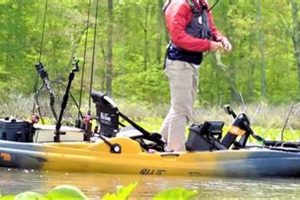
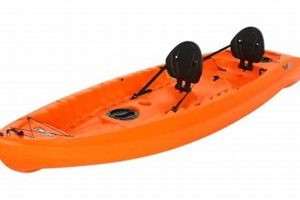
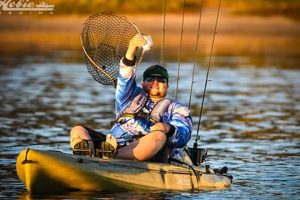
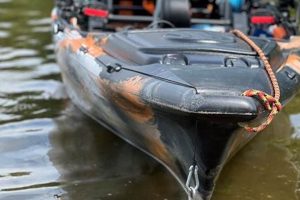
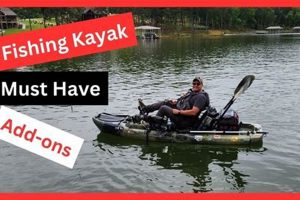
Affordable kayaks designed specifically for angling represent a significant entry point into the sport of kayak fishing. These vessels typically incorporate features tailored to the needs of anglers, such as rod holders, storage compartments for tackle, and sometimes even specialized seating. An example would be a sit-on-top kayak under $500 equipped with two flush-mounted rod holders and a rear storage well.
The availability of lower-priced fishing kayaks has broadened participation in the sport by removing a significant financial barrier. This accessibility allows more individuals to experience the unique combination of angling and paddling, promoting outdoor recreation and connection with nature. Historically, specialized fishing kayaks were a significant investment, limiting access for many aspiring anglers. The rise of more affordable options has democratized the activity, leading to a surge in its popularity.
Understanding the defining characteristics of less expensive fishing kayaks, including common materials, construction techniques, and features, empowers consumers to make informed decisions. The following sections will explore key considerations when selecting an affordable fishing kayak, covering topics such as stability, tracking, and essential accessories.
Tips for Selecting Affordable Fishing Kayaks
Choosing a less expensive fishing kayak requires careful consideration of various factors to ensure suitability for individual needs and preferences. The following tips offer guidance for navigating the selection process.
Tip 1: Prioritize Stability: Stability is paramount, particularly for anglers standing to cast. Wider kayaks generally offer greater stability than narrower designs. Consider the intended fishing environment; calmer waters may allow for a less stable, faster hull design.
Tip 2: Evaluate Tracking Performance: Tracking refers to a kayak’s ability to maintain a straight course. Longer kayaks typically track better than shorter ones. A kayak that tracks well requires less effort to paddle straight, conserving energy for fishing.
Tip 3: Assess Storage Capacity: Adequate storage is crucial for carrying tackle, safety gear, and personal items. Consider the types of fishing anticipated and the necessary equipment. Look for kayaks with well-designed storage compartments, including dry storage options for sensitive items.
Tip 4: Inspect Rod Holders and Mounting Options: Ensure the kayak includes sufficient rod holders and mounting points for accessories like fish finders or GPS units. Consider the placement and type of rod holders; flush-mounted holders offer a streamlined profile while adjustable holders provide greater flexibility.
Tip 5: Consider the Seat and Comfort: A comfortable seat is essential for longer fishing trips. Look for adjustable seating systems and breathable materials to enhance comfort and prevent fatigue. Consider the kayak’s weight capacity and ensure it aligns with the angler’s weight and gear.
Tip 6: Research Materials and Construction: Common materials include high-density polyethylene (HDPE) and rotomolded plastic. Understand the durability and weight characteristics of different materials. Inspect the kayak’s construction for signs of quality workmanship.
Tip 7: Test Paddle When Possible: If feasible, test paddle different kayak models to assess stability, maneuverability, and comfort. This hands-on experience provides invaluable insights into a kayak’s performance on the water.
By carefully considering these factors, individuals can select an affordable fishing kayak that meets their specific needs and enhances their angling experience.
The next section will delve into specific models and manufacturers offering value-oriented fishing kayaks, providing further resources for making an informed purchase decision.
1. Stability

Stability is a critical factor in evaluating budget fishing kayaks, directly impacting safety and angling effectiveness. A stable platform allows anglers to cast confidently, fight fish effectively, and remain comfortable throughout the fishing experience. Compromised stability can lead to frustrating spills, lost gear, and potentially dangerous situations, particularly in challenging conditions. This section explores key facets contributing to stability in affordable fishing kayaks.
- Hull Design:
Hull design significantly influences stability. Wider hulls generally provide more initial stability, making them suitable for calmer waters and stand-up fishing. Pontoon-style hulls offer exceptional stability but can sacrifice maneuverability. Kayaks with flatter bottoms provide more initial stability than those with rounded or V-shaped hulls. Understanding the trade-offs between stability and maneuverability is crucial when selecting a budget fishing kayak.
- Width and Length:
Wider kayaks offer increased stability, while longer kayaks tend to track better in a straight line. Shorter, wider kayaks are generally more stable but may be slower and less efficient for covering distance. Longer, narrower kayaks sacrifice some stability for speed and tracking performance. The ideal balance depends on the intended fishing environment and angler preferences.
- Center of Gravity:
A lower center of gravity enhances stability. Kayaks with lower seating positions generally offer improved stability compared to those with higher seating. Proper weight distribution within the kayak is also essential for maintaining stability. Distributing gear evenly and avoiding overloading the kayak contributes to a stable and safe fishing experience.
- Water Conditions:
Calm, flat water requires less stability than choppy conditions or moving water. Anglers fishing in rougher environments should prioritize stability over speed or maneuverability. Understanding the prevailing conditions in the intended fishing area informs the selection of a kayak with appropriate stability characteristics.
By considering these factors, anglers can select budget-friendly fishing kayaks that offer a suitable balance of stability, performance, and value. Prioritizing stability ensures a safe and enjoyable fishing experience, enabling anglers to focus on the sport rather than constantly battling to maintain balance. Choosing a kayak with appropriate stability for the intended environment is a crucial step in maximizing enjoyment and success on the water.
2. Tracking

Tracking, the ability of a kayak to maintain a straight course with minimal corrective strokes, is a crucial performance characteristic impacting paddling efficiency and angler experience. In budget fishing kayaks, where design simplicity and material choices can influence tracking, understanding its contributing factors becomes particularly relevant. Effective tracking minimizes paddling effort, conserves energy for fishing, and allows anglers to cover greater distances. This section explores the key facets influencing tracking performance in affordable fishing kayaks.
- Hull Design:
Hull design plays a significant role in tracking performance. Longer, narrower hulls generally track better than shorter, wider designs. A longer waterline provides more directional stability, reducing the tendency to yaw (deviate from the intended course). A pronounced keel, or a defined ridge along the bottom of the hull, also enhances tracking by providing a point of resistance against lateral movement. Budget kayaks often feature simplified hull designs to reduce manufacturing costs, which can sometimes compromise tracking performance. However, some budget-friendly models incorporate design elements that improve tracking without significantly increasing cost.
- Length and Width:
Longer kayaks generally exhibit superior tracking compared to shorter kayaks. A longer waterline provides greater directional stability, reducing the kayak’s tendency to turn off course. Wider kayaks tend to be more stable but can sacrifice some tracking performance due to increased water resistance. Finding a balance between stability and tracking is essential when selecting a budget fishing kayak. Anglers prioritizing covering distance should prioritize length, while those fishing in calmer waters may opt for a wider, more stable hull.
- Skeg or Rudder:
Skegs and rudders are tracking aids that can significantly improve a kayak’s ability to maintain a straight course. A skeg is a fixed fin that extends from the bottom of the hull, providing directional stability. A rudder is a movable fin controlled by foot pedals, allowing the paddler to steer the kayak. While some budget kayaks include a molded-in skeg, rudders are less common in this price range due to the added complexity and cost. The presence of a skeg can be a significant advantage for enhancing tracking performance in affordable kayaks.
- Water Conditions:
Water conditions, such as wind and current, can significantly impact tracking performance. Strong winds or currents can push a kayak off course, requiring more corrective strokes to maintain direction. Kayaks with better tracking performance are less susceptible to being blown off course in windy conditions. Anglers frequently encountering windy conditions should prioritize tracking when selecting a budget kayak. Consider the typical fishing environment when assessing a kayak’s tracking capabilities.
Understanding the interplay of these factors empowers informed decisions when selecting budget fishing kayaks. While price remains a primary concern, evaluating tracking performance alongside stability, storage capacity, and other features ensures a balanced selection that meets individual angling needs and enhances on-the-water efficiency. Prioritizing tracking can significantly improve the fishing experience, particularly in challenging conditions or when covering longer distances.
3. Storage Capacity

Storage capacity is a critical consideration in budget fishing kayaks, directly impacting practicality and the overall angling experience. Limited storage can restrict the amount of gear carried, potentially compromising safety, comfort, and fishing effectiveness. Conversely, ample storage allows anglers to bring essential equipment, including tackle boxes, safety gear, personal items, and even fish catches. The balance between cost and storage capacity is often a key decision point for budget-conscious anglers. For example, a smaller, less expensive kayak may offer limited storage suitable for short trips and minimal gear, while a slightly larger, more expensive option may provide the capacity needed for longer excursions and diverse fishing styles.
Practical considerations regarding storage capacity include the types of fishing pursued, anticipated trip duration, and the need for specialized storage solutions. Anglers targeting larger species or employing multiple fishing techniques require greater storage for larger tackle boxes and specialized equipment. Longer trips necessitate storage for food, water, and additional safety gear. Specific storage features, such as dry storage compartments for electronics or dedicated rod holders, further enhance organization and efficiency. Understanding these factors enables anglers to select budget fishing kayaks that meet their specific storage requirements without exceeding budget constraints. A kayak with well-designed storage compartments maximizes space utilization, enabling anglers to carry essential gear while maintaining stability and maneuverability.
Effective storage solutions in budget fishing kayaks contribute significantly to angler success and enjoyment. Adequate storage minimizes clutter, keeps essential gear readily accessible, and enhances overall organization. This allows anglers to focus on fishing rather than managing equipment. While budget constraints often necessitate trade-offs, prioritizing storage capacity within a realistic budget ultimately enhances the fishing experience. Careful evaluation of storage options, including the type, size, and accessibility of compartments, empowers informed purchase decisions aligned with individual angling needs and budget limitations. Choosing a kayak with appropriate storage capacity directly contributes to a more efficient, comfortable, and ultimately successful fishing experience.
4. Rod Holders

Rod holders are essential features in budget fishing kayaks, directly influencing angling convenience and efficiency. Their presence allows anglers to secure rods while paddling, preparing tackle, or landing fish, preventing loss and facilitating multitasking. In budget-friendly models, rod holder design and materials often reflect cost considerations, impacting durability and functionality. Understanding the types, placement, and construction of rod holders empowers informed decisions aligned with specific fishing needs and budget constraints.
- Types of Rod Holders:
Common types include flush-mounted, adjustable, and rotating rod holders. Flush-mounted holders offer a streamlined profile, minimizing interference while paddling. Adjustable holders allow customization of rod angles, catering to different fishing techniques. Rotating holders provide further flexibility, enabling quick adjustments while fighting fish. Budget kayaks often feature simpler, less expensive flush-mounted holders, while adjustable or rotating options may appear in higher-priced models within the budget category.
- Placement and Number:
Rod holder placement and quantity significantly impact fishing effectiveness. Kayaks designed for trolling often feature rear-mounted holders, while those intended for casting may include forward-mounted or side-mounted options. The number of rod holders dictates the number of rods readily available, influencing versatility and the ability to switch between different techniques quickly. Budget kayaks typically offer two to four rod holders, balancing functionality with cost considerations.
- Materials and Construction:
Rod holder construction impacts durability and longevity. High-quality materials, such as reinforced plastics or stainless steel, withstand wear and tear, ensuring reliable performance over time. Budget kayaks often utilize less expensive materials, potentially compromising long-term durability. Inspecting rod holder construction for robust design and secure mounting is crucial when evaluating budget-friendly options.
- Integration with Other Features:
Rod holder placement and design often integrate with other kayak features, such as storage compartments or accessory mounting tracks. Well-integrated rod holders enhance overall functionality and ergonomics. Budget kayak manufacturers sometimes prioritize basic functionality over seamless integration to minimize costs. Assessing the interplay between rod holders and other features provides insights into a kayak’s overall design and practicality.
Careful consideration of rod holder features empowers informed decisions when selecting budget fishing kayaks. While cost remains a primary factor, evaluating rod holder types, placement, materials, and integration with other features ensures a balanced selection optimized for specific fishing styles and preferences. Prioritizing functionality within budget constraints ultimately enhances the fishing experience.
5. Comfort

Comfort in budget fishing kayaks significantly impacts angling enjoyment and endurance, directly influencing time spent on the water. While cost considerations often drive design choices in this category, comfort remains a crucial factor affecting angler performance and overall satisfaction. Discomfort can curtail fishing trips, limiting opportunities and diminishing returns on investment. Conversely, a comfortable kayak promotes extended fishing sessions, maximizing enjoyment and increasing the likelihood of success. For example, an angler experiencing back pain due to an uncomfortable seat is less likely to fish effectively or remain on the water for extended periods, potentially impacting catch rates and overall satisfaction with the kayak.
Several factors contribute to comfort in budget fishing kayaks. Seat design, including cushioning, back support, and adjustability, plays a crucial role. Legroom and footrests impact posture and circulation, particularly during long paddling sessions. Kayak width and stability influence comfort by affecting angler movement and balance. Material choices, such as breathable fabrics and textured surfaces, further enhance comfort, particularly in warmer climates. Practical considerations include the ease of entry and exit, especially for anglers with mobility limitations. Evaluating these factors holistically empowers informed decisions aligned with individual comfort requirements and angling goals.
Understanding the interplay between comfort and cost empowers anglers to make informed decisions when selecting budget fishing kayaks. While price remains a primary concern, prioritizing essential comfort features within budget constraints enhances the overall fishing experience. A comfortable kayak enables anglers to focus on fishing rather than battling discomfort, maximizing enjoyment and promoting longer, more productive outings. Choosing a kayak with appropriate comfort features, such as adjustable seating and ample legroom, directly contributes to a more satisfying and successful angling experience.
6. Durability
Durability is a critical factor influencing the long-term value and overall performance of budget fishing kayaks. Material selection, construction methods, and design features directly impact a kayak’s ability to withstand the rigors of regular use, including exposure to UV radiation, impacts with rocks or submerged objects, and the stresses of paddling and transporting. Compromised durability can lead to premature wear and tear, costly repairs, and ultimately, a shortened lifespan. For example, a budget kayak constructed from thin, low-quality plastic may crack or deform under stress, requiring repairs or replacement sooner than a kayak built from more robust materials. Conversely, a durable kayak, even at a slightly higher initial cost, can provide years of reliable service, representing a better long-term investment.
Material selection plays a pivotal role in determining a budget fishing kayak’s durability. Common materials include high-density polyethylene (HDPE) and rotomolded plastic. HDPE offers a balance of affordability, impact resistance, and UV resistance, making it a popular choice for budget-friendly kayaks. Rotomolded plastic provides superior durability and impact resistance compared to other construction methods, albeit often at a slightly higher price point. Construction techniques, such as the thickness and layering of materials, also influence overall durability. Reinforced areas, particularly in high-stress zones like the hull and deck, contribute to increased impact resistance and longevity. Design features, such as molded-in handles and well-secured fittings, further enhance durability by minimizing potential points of failure.
Understanding the factors influencing durability empowers informed decisions when selecting budget fishing kayaks. While cost remains a primary constraint, prioritizing durable materials and construction within a realistic budget ensures a sound investment that provides years of reliable performance. Evaluating material quality, construction methods, and design features alongside other essential considerations, such as stability and tracking, allows for a balanced selection that meets individual angling needs and maximizes long-term value. A durable kayak minimizes the risk of premature wear and tear, reducing maintenance costs and maximizing time spent on the water. This focus on durability ultimately contributes to a more cost-effective and enjoyable fishing experience.
7. Price Point

Price point represents a defining characteristic of budget fishing kayaks, directly influencing accessibility and purchase decisions. The price range typically associated with this category allows a broader audience to participate in kayak fishing, removing a significant financial barrier. This affordability opens opportunities for individuals seeking entry-level options or those prioritizing value over premium features. However, the lower price point often necessitates trade-offs regarding materials, features, and performance. For instance, a budget fishing kayak might utilize less expensive materials like high-density polyethylene (HDPE) instead of rotomolded plastic, impacting durability and weight. Feature sets might also be more basic, with fewer rod holders, less sophisticated seating systems, and simpler storage solutions. Understanding these compromises empowers informed decisions aligned with individual needs and budgetary constraints. A prospective buyer might prioritize stability and storage capacity over advanced features like a rudder or premium seating, accepting these limitations in exchange for affordability.
The relationship between price point and value requires careful consideration. While a lower price is attractive, assessing the kayak’s overall features, durability, and performance relative to its cost determines its true value. A less expensive kayak lacking essential features or exhibiting poor durability might represent a false economy in the long run. Conversely, a slightly more expensive kayak offering enhanced stability, superior tracking, or ample storage could provide better value over time. Researching different models, comparing features and materials, and reading reviews helps discern value within the budget segment. Practical considerations, such as intended fishing environment, frequency of use, and required storage capacity, influence the evaluation of a kayak’s value proposition. A kayak intended for occasional use in calm waters might prioritize affordability over advanced features, while one intended for frequent use in challenging conditions might justify a slightly higher investment in durability and performance.
Navigating the budget fishing kayak market requires a balanced approach. Understanding the relationship between price point, features, and performance empowers informed decisions that align with individual angling needs and budgetary realities. While price remains a primary driver, prioritizing essential features, durability, and long-term value ensures a satisfying and cost-effective purchase. Accepting certain compromises within a defined budget allows a wider audience to experience the enjoyment and rewards of kayak fishing.
Frequently Asked Questions about Budget Fishing Kayaks
This section addresses common inquiries regarding affordable fishing kayaks, providing concise and informative responses to assist prospective buyers in making informed decisions.
Question 1: What is the typical price range for a budget fishing kayak?
Budget fishing kayaks generally fall within the $300 to $800 price range. Prices vary based on features, materials, and brand. Kayaks at the lower end of this spectrum may offer basic functionality, while those at the higher end may include additional features like adjustable seating or multiple rod holders.
Question 2: Are budget fishing kayaks durable enough for regular use?
Durability varies depending on the materials and construction methods employed. Many budget kayaks utilize high-density polyethylene (HDPE), which offers reasonable durability for recreational use. However, impacts with rocks or other hard objects can cause damage. Proper care and storage contribute significantly to a kayak’s lifespan.
Question 3: What are the key features to look for in an affordable fishing kayak?
Essential features include stability, tracking, sufficient storage capacity, strategically placed rod holders, and a comfortable seat. Prioritizing these features ensures a balanced combination of performance, practicality, and comfort within a budget-friendly price range.
Question 4: Are budget fishing kayaks suitable for all types of fishing?
While suitable for many types of fishing, limitations exist. Smaller, less stable budget kayaks may not be ideal for challenging conditions or larger bodies of water. Anglers targeting larger species or requiring specialized features might consider higher-end models. Careful consideration of fishing style and environment informs selection.
Question 5: How do budget fishing kayaks compare to higher-priced models?
Higher-priced kayaks often utilize premium materials like rotomolded plastic, offering enhanced durability and performance. They frequently incorporate advanced features such as adjustable seating systems, rudders, and integrated electronics. Budget kayaks prioritize affordability, often compromising on some features and material quality.
Question 6: Where can one purchase budget fishing kayaks?
Retailers specializing in outdoor gear, sporting goods stores, and online marketplaces offer a variety of budget fishing kayaks. Comparing prices, reading reviews, and considering warranty options facilitates informed purchasing decisions.
Careful consideration of these frequently asked questions empowers informed decisions within the budget fishing kayak market. Prioritizing essential features, durability, and overall value ensures a satisfying and cost-effective purchase.
The following section explores popular models and brands within the budget fishing kayak category, providing further guidance for prospective buyers.
Conclusion
Affordable, purpose-built fishing kayaks offer a viable entry point into the sport, enabling broader participation by reducing financial barriers. Careful consideration of factors such as stability, tracking, storage capacity, rod holders, comfort, durability, and price point empowers informed purchasing decisions. Understanding the inherent compromises associated with budget-conscious selections allows anglers to prioritize essential features aligned with individual needs and angling styles. Thorough research, product comparisons, and attention to construction quality ensure a balanced selection that maximizes value and on-the-water enjoyment.
The increasing accessibility of specialized kayaks continues to shape the landscape of recreational fishing. As technology advances and manufacturing processes evolve, the potential for further innovation in affordable fishing kayak design remains significant. This evolution promises continued expansion of opportunities for anglers to experience the unique blend of paddling and angling, fostering deeper connections with nature and promoting sustainable outdoor recreation.