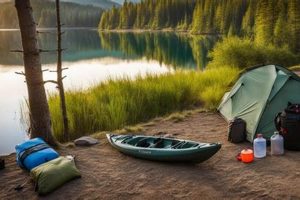
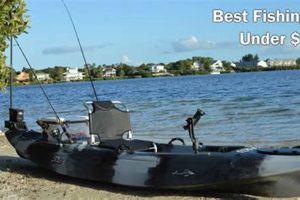
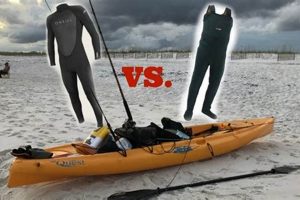
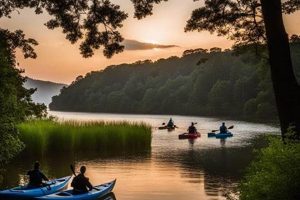
Prime locations for this activity typically offer a combination of calm, accessible waters, diverse fish populations, and scenic beauty. Factors such as water clarity, the presence of structures like reefs or vegetation, and proximity to launching points contribute to a location’s suitability. For instance, a sheltered bay with clear water, abundant seagrass, and a nearby boat ramp would be considered advantageous.
Choosing appropriate locations significantly enhances the angler’s experience. Calm waters improve stability and maneuverability, enabling precise casting and retrieval. Rich ecosystems with diverse fish species increase the chances of a successful catch, offering a more rewarding experience. Scenic beauty adds to the overall enjoyment, providing a peaceful and immersive connection with nature. Historically, kayaks have been utilized for fishing in various cultures, evolving from a primary mode of sustenance to a popular recreational pursuit.
This article will explore various factors contributing to ideal fishing environments from coastlines to inland waterways, offering insights into selecting suitable locations based on targeted species, skill level, and desired experience.
Tips for Selecting Prime Kayak Fishing Locations
Strategic location selection is paramount for a successful and enjoyable kayak fishing experience. The following tips offer guidance for identifying optimal fishing spots.
Tip 1: Research Local Regulations: Thoroughly investigate licensing requirements and fishing regulations specific to the chosen area. Regulations often dictate catch limits, permitted fishing methods, and seasonal restrictions.
Tip 2: Consider Water Conditions: Evaluate water conditions such as currents, tides, and wind patterns. Calm, sheltered waters are generally preferred, particularly for less experienced anglers. Strong currents or choppy waters can present challenges for kayak control.
Tip 3: Target Specific Species: Research the preferred habitats of target fish species. Different species thrive in varying environments, such as rocky reefs, grassy flats, or deeper channels. Tailoring location choices to the target species increases the likelihood of success.
Tip 4: Prioritize Accessibility: Ensure convenient access to launch points. Boat ramps, docks, or accessible shorelines simplify launching and retrieval processes. Consider parking availability and potential fees associated with launch sites.
Tip 5: Utilize Mapping Tools: Leverage online mapping resources and nautical charts to identify potential fishing spots. These tools often provide valuable information regarding water depth, bottom structure, and the presence of vegetation or other fish-attracting features.
Tip 6: Observe Local Anglers: Observe the practices and locations of experienced local anglers. Local knowledge can provide valuable insights into productive fishing areas and effective techniques.
Tip 7: Check Weather Forecasts: Consult weather forecasts prior to each outing. Avoid fishing during periods of inclement weather, including strong winds, thunderstorms, or extreme temperatures.
By adhering to these guidelines, anglers can significantly improve their chances of a productive and enjoyable experience, maximizing both catch rates and overall satisfaction.
These tips provide a foundation for successful kayak fishing. The following section will delve into specific recommended locations categorized by region and fish species.
1. Calm Waters

Calm water conditions are fundamental to identifying prime kayak fishing locations. Kayaks, being relatively small and lightweight vessels, are susceptible to wind and wave action. Turbulent water significantly hinders maneuverability, making paddling, casting, and retrieving lines challenging. Moreover, rough conditions can compromise stability, increasing the risk of capsizing. This is particularly critical for anglers focused on techniques requiring precise boat control, such as sight fishing or presenting lures in specific currents. Sheltered bays, estuaries, slow-moving rivers, and small lakes often provide the calm conditions conducive to a productive and safe fishing experience. For example, the protected waters of Florida’s Everglades offer excellent kayak fishing opportunities due to their generally calm nature.
The advantages of calm water extend beyond mere boat control. Clearer water in calm conditions improves visibility, enabling anglers to spot fish, observe underwater structures, and select optimal casting locations. This is especially beneficial in shallow-water environments where sight fishing is prevalent. Furthermore, calm water facilitates the accurate detection of subtle bites and reduces the likelihood of line tangles or snags. The reduced physical exertion required in calm conditions also allows anglers to focus on fishing rather than battling the elements, leading to a more enjoyable and less fatiguing experience. For instance, anglers targeting bonefish in the shallow flats of the Bahamas rely heavily on calm water for spotting these elusive fish.
In summary, calm water is a critical component of ideal kayak fishing locations. It enhances boat control, improves visibility, facilitates bite detection, and contributes to a more comfortable and enjoyable experience. While experienced anglers might venture into more challenging conditions, prioritizing calm waters remains a key factor in successful and safe kayak fishing, particularly for those newer to the sport. Understanding the significance of water conditions allows anglers to make informed decisions regarding location selection, ultimately maximizing their chances of success and enjoyment on the water.
2. Fish Diversity

Locations exhibiting high fish diversity are naturally attractive to kayak anglers. A diverse ecosystem offers increased opportunities to target multiple species, enhancing the overall fishing experience. Varied fish populations often indicate a healthy and productive aquatic environment, supporting a robust food web and providing ample foraging opportunities for predatory species. This biodiversity translates into a higher likelihood of successful catches and a more dynamic angling experience. For example, estuaries, where freshwater rivers meet the saltwater ocean, are renowned for their high fish diversity, attracting anglers seeking a variety of species. Such locations often harbor species like redfish, snook, speckled trout, and flounder, all within a relatively confined area.
The relationship between fish diversity and angler satisfaction extends beyond mere catch numbers. Targeting different species often requires employing diverse fishing techniques and tackle, adding an element of challenge and skill development. This variety keeps the experience engaging and prevents monotony, appealing to anglers seeking continuous learning and refinement of their techniques. Furthermore, diverse fish populations often provide opportunities for both novice and experienced anglers, catering to a wider range of skill levels. Beginners can target readily available species, while seasoned anglers can pursue more challenging game fish within the same ecosystem. For instance, the Chesapeake Bay, known for its diverse fish populations, offers opportunities for anglers to target striped bass, bluefish, croaker, and spot, each requiring different approaches.
Understanding the importance of fish diversity in selecting kayak fishing locations is crucial for maximizing angling success and enjoyment. Researching the prevalent species in a given area allows anglers to prepare appropriate gear and refine their techniques accordingly. Consulting local fishing reports, online forums, or engaging with local bait and tackle shops can provide valuable insights into current fish activity and species distribution. Ultimately, selecting locations with high fish diversity contributes significantly to a more rewarding and dynamic kayak fishing experience, offering a greater chance of connecting with a variety of species and honing a wider range of angling skills.
3. Easy Access

Convenient access plays a crucial role in determining optimal kayak fishing locations. The ease of entering and exiting the water directly impacts the overall fishing experience, influencing both logistical efficiency and overall enjoyment. Difficult launches involving arduous portages or navigating treacherous terrain detract from valuable fishing time and can present safety hazards. Effortless access, conversely, streamlines the process, allowing anglers to focus on the primary objective: fishing.
- Launch Sites:
Designated kayak launch sites, including boat ramps, docks, and improved shoreline access points, simplify the launching process. Well-maintained ramps minimize the risk of damage to kayaks during entry and exit. Docks provide stable platforms for embarking and disembarking, particularly beneficial for anglers with mobility limitations. Clearly marked access points along shorelines facilitate easy entry and exit in areas without designated ramps or docks. Examples include public boat ramps found in coastal parks or designated kayak launch areas within wildlife preserves.
- Parking & Transport:
Ample parking near launch sites is essential, especially in popular fishing areas. Proximity to parking minimizes the distance kayaks need to be transported, reducing physical strain and potential damage to equipment. The availability of kayak carts or trolleys further simplifies transport, particularly for longer distances. Adequate parking infrastructure contributes significantly to a smoother and more efficient pre- and post-fishing experience. Examples include designated parking areas within state parks or designated kayak launch areas with adjacent parking facilities.
- Terrain Considerations:
The terrain surrounding launch sites significantly impacts accessibility. Steep inclines, rocky shorelines, or dense vegetation can create obstacles, particularly when transporting kayaks. Level, clear terrain simplifies navigation and reduces the risk of slips, trips, and falls. Careful consideration of terrain conditions prior to selecting a fishing location contributes to a safer and more manageable experience. Examples include sandy beaches offering easy access compared to rocky, uneven shorelines.
- Water Entry Points:
The characteristics of water entry points directly affect launch ease. Shallow, gradually sloping entries are ideal for launching kayaks. Steep drop-offs or areas with submerged obstacles, such as rocks or logs, can complicate the process and pose risks. Calm water conditions at the entry point further facilitate a smooth and controlled launch. Examples include gently sloping sandy beaches compared to abrupt rocky drop-offs.
Considering these access-related factors during location selection contributes significantly to a more efficient and enjoyable kayak fishing experience. Easy access streamlines logistics, minimizes potential hazards, and allows anglers to maximize time spent on the water. Prioritizing accessibility ultimately enhances the overall fishing experience, allowing for a more focused and rewarding pursuit of targeted species.
4. Scenic Beauty

Scenic beauty plays a significant role in the overall kayak fishing experience. While catching fish remains a primary objective, the aesthetic appeal of the surrounding environment significantly enhances enjoyment and contributes to a more fulfilling outing. The visual appeal of a location can transform a successful fishing trip into a truly memorable experience. Integrating natural beauty into location selection elevates kayak fishing beyond a purely sporting activity, fostering a deeper connection with nature.
- Natural Surroundings:
The presence of unspoiled natural landscapes contributes significantly to the scenic beauty of a kayak fishing location. Lush vegetation, dramatic rock formations, pristine shorelines, and clear waters enhance the visual appeal and create a sense of tranquility. Pristine environments offer a more immersive and rewarding experience, fostering a deeper appreciation for the natural world. Examples include kayaking through mangrove tunnels in Florida or paddling alongside towering cliffs in the Pacific Northwest.
- Wildlife Viewing Opportunities:
The opportunity to observe wildlife enhances the scenic beauty of a kayak fishing location. Kayaks offer a non-intrusive platform for viewing aquatic and terrestrial wildlife in their natural habitats. Encounters with birds, marine mammals, or other aquatic creatures enrich the overall experience and provide unique opportunities for observation and photography. Examples include spotting dolphins while fishing offshore or observing wading birds in coastal marshes.
- Water Clarity and Color:
Clear water contributes significantly to scenic beauty, offering glimpses into the underwater world. Observing fish, aquatic vegetation, and bottom structures enhances the visual experience and provides valuable insights into the ecosystem. The color of the water, influenced by factors such as mineral content and depth, also adds to the aesthetic appeal. Examples include the crystal-clear waters of the Caribbean or the emerald-green hues of mountain lakes.
- Tranquility and Solitude:
Kayak fishing often provides opportunities for solitude and immersion in nature. The quiet nature of paddling allows for peaceful contemplation and a deeper connection with the environment. Locations offering tranquility and escape from urban noise enhance the scenic beauty and contribute to a more restorative experience. Examples include paddling through secluded coves or exploring remote stretches of river.
These facets of scenic beauty combine to create a more enriching and memorable kayak fishing experience. While the pursuit of fish remains a central focus, the aesthetic appeal of the surrounding environment adds another layer of enjoyment. Choosing locations offering both productive fishing and scenic beauty elevates the activity beyond a mere sport, fostering a deeper connection with nature and creating lasting memories.
5. Safety Considerations
Safety considerations are paramount when selecting optimal kayak fishing locations. Choosing locations with inherent safety features significantly mitigates potential risks and contributes to a more enjoyable and worry-free experience. Prioritizing safety not only protects anglers from potential harm but also allows for a more focused and productive fishing outing. Neglecting safety protocols can lead to accidents, injuries, or even fatalities, transforming a recreational activity into a hazardous undertaking. For example, choosing a location with calm waters and predictable weather patterns over an exposed area known for strong currents and sudden storms demonstrates prudent safety consciousness.
Several factors contribute to enhanced safety in kayak fishing locations. These include water conditions, weather patterns, accessibility of emergency services, and the presence of potential hazards. Calm waters reduce the risk of capsizing and facilitate easier navigation. Predictable weather patterns minimize the likelihood of encountering unexpected storms or strong winds. Proximity to emergency services, such as readily accessible shorelines or nearby boat ramps, ensures swift assistance in case of an emergency. Awareness of potential hazards, such as submerged obstacles, strong currents, or areas with heavy boat traffic, allows anglers to make informed decisions and avoid risky situations. For instance, choosing a location with a designated kayak launch area and nearby cell phone service over a remote area with limited access and no communication infrastructure demonstrates a proactive approach to safety.
Integrating safety considerations into location selection is crucial for responsible kayak fishing. Thorough research, careful planning, and adherence to safety guidelines contribute significantly to a secure and enjoyable experience. Consulting weather forecasts, familiarizing oneself with local regulations, wearing appropriate safety gear (such as a personal flotation device), and informing someone of fishing plans are essential safety practices. Understanding the interplay between safety and location choice enhances enjoyment, allowing anglers to focus on the sport with peace of mind. Neglecting these crucial aspects can jeopardize not only the fishing trip but also the angler’s well-being. Ultimately, prioritizing safety ensures a more positive and rewarding experience on the water.
Frequently Asked Questions
This section addresses common inquiries regarding optimal kayak fishing locations, providing concise and informative responses.
Question 1: What are the primary factors to consider when selecting a kayak fishing location?
Key factors include water conditions (calmness, clarity), fish species diversity and abundance, accessibility (launch points, parking), safety considerations (currents, weather patterns, emergency access), and the presence of scenic natural surroundings.
Question 2: Are there specific resources available for identifying suitable kayak fishing locations?
Nautical charts, online mapping tools, local fishing reports, and engagement with local angling communities (bait shops, forums) provide valuable insights into potential locations.
Question 3: How does weather impact location suitability for kayak fishing?
Adverse weather conditions, including strong winds, storms, and extreme temperatures, can significantly impact safety and fishing success. Consulting weather forecasts and avoiding inclement weather are crucial.
Question 4: What safety precautions should one take when kayak fishing?
Essential safety measures include wearing a personal flotation device, informing someone of fishing plans, carrying communication devices, and being aware of local regulations and potential hazards.
Question 5: How does experience level influence location choice?
Less experienced anglers should prioritize calm, sheltered waters and accessible launch points. More experienced anglers might consider locations with challenging conditions or remote access.
Question 6: What are the benefits of choosing a location with diverse fish species?
Fish diversity enhances angling opportunities, allowing anglers to target various species and employ diverse fishing techniques, leading to a more dynamic and rewarding experience.
Careful consideration of these factors contributes to a safer, more productive, and enjoyable kayak fishing experience. Prioritizing safety and conducting thorough research are crucial for successful outings.
For further information on specific locations and regional recommendations, consult the following section.
Conclusion
Optimal locations for this pursuit require careful consideration of various factors. Water conditions, fish diversity, accessibility, scenic beauty, and safety considerations all contribute significantly to a successful and rewarding experience. Prioritizing calm waters enhances stability and maneuverability, while diverse fish populations offer increased angling opportunities. Convenient access simplifies logistics, and scenic beauty elevates the overall enjoyment. Adhering to safety guidelines ensures a secure and responsible outing.
Strategic location selection is paramount for maximizing the potential of kayak fishing. By carefully evaluating these critical factors, anglers can elevate their experience, fostering a deeper connection with nature and ensuring a more productive and fulfilling time on the water. Successful angling relies not only on skill and technique but also on the informed selection of prime locations that offer both opportunity and enjoyment.