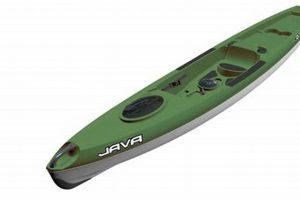
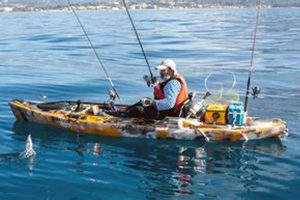
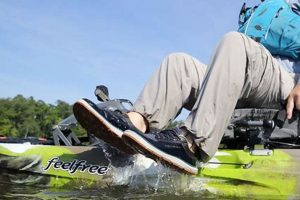
This specific model of recreational watercraft is designed for angling activities. It combines a compact, manageable size with features tailored for fishing, such as rod holders, storage compartments, and often a stable hull design. This type of vessel offers a balance between portability and functionality, allowing anglers to access various fishing locations, from calm lakes to slow-moving rivers.
Small, maneuverable fishing kayaks provide advantages for anglers seeking access to shallow waters or areas difficult to reach with larger boats. Their compact size simplifies transport and storage, often eliminating the need for trailers or large storage spaces. The specialized design elements contribute to an efficient and enjoyable fishing experience. Such vessels have become increasingly popular as a practical and accessible means of engaging with the sport.
Further exploration will delve into the specifics of this kayak model, including materials, design features, performance characteristics, and its suitability for various fishing environments. Considerations for choosing appropriate paddling accessories and safety equipment will also be addressed.
Tips for Utilizing Compact Fishing Kayaks
Effective use of compact fishing kayaks requires attention to preparation and technique. The following tips offer guidance for maximizing stability, efficiency, and safety on the water.
Tip 1: Weight Distribution: Proper weight distribution is crucial for stability. Gear should be evenly distributed throughout the vessel, with heavier items placed low and centrally. Avoid overloading, as this compromises stability and maneuverability.
Tip 2: Paddle Selection: Choose a paddle appropriate for the kayak’s width and the user’s height. A properly sized paddle improves efficiency and reduces fatigue.
Tip 3: Launching and Landing: Selecting a suitable launch site, preferably with calm, shallow water, simplifies entry and exit. Entering and exiting the kayak smoothly minimizes the risk of capsizing.
Tip 4: Navigation and Maneuvering: Practice basic paddling strokes to control direction and speed. Understanding how wind and currents affect the kayak’s movement is essential for efficient navigation.
Tip 5: Safety Gear: Always wear a personal flotation device (PFD). Carry essential safety equipment, including a whistle, signaling device, and first-aid kit.
Tip 6: Fishing Techniques: Employ fishing techniques appropriate for the kayak’s stability. Avoid sudden movements or leaning excessively, which could lead to capsizing.
Tip 7: Environmental Awareness: Be mindful of weather conditions and water traffic. Respect wildlife and adhere to local regulations.
By adhering to these guidelines, users can enhance their experience and ensure safety while utilizing compact fishing kayaks.
These preparatory steps and practical techniques contribute to a more rewarding and secure on-the-water experience, allowing for greater focus on the activity itself.
1. Sit-on-top Design

The sit-on-top design is a defining characteristic of the bali 10 ss fishing kayak, significantly influencing its functionality and suitability for angling. This design choice directly impacts stability, comfort, and accessibility, key factors for anglers.
- Self-Bailing System:
Sit-on-top kayaks incorporate scupper holes that allow water to drain away, preventing accumulation and maintaining buoyancy. This self-bailing feature is advantageous in fishing scenarios where the kayak might take on water from waves, splashes, or rain. This contributes to enhanced safety and stability in various water conditions.
- Ease of Entry and Exit:
The open design simplifies entry and exit compared to traditional sit-inside kayaks. This is particularly beneficial for anglers who may need to enter or exit the kayak quickly in various situations, such as changing fishing locations or landing a fish. The open cockpit also allows for greater freedom of movement.
- Stability and Comfort:
The wider hull design typical of sit-on-top kayaks contributes to enhanced stability, crucial for casting lines and reeling in fish. The open cockpit allows for comfortable seating positions and accommodates anglers of varying sizes. The ability to easily adjust seating position contributes to a more comfortable and less restrictive angling experience.
- Versatility and Accessibility:
The sit-on-top design lends itself to versatile use, accommodating various fishing styles and equipment. Its ease of access allows for quick adjustments and retrieval of gear. This adaptability makes it suitable for both novice and experienced anglers across diverse fishing environments.
The sit-on-top design of the bali 10 ss contributes significantly to its overall suitability as a fishing platform. The combination of self-bailing capabilities, ease of access, stability, and versatility creates a user-friendly and functional kayak ideal for a range of angling experiences. This design element is integral to the kayak’s intended purpose and significantly influences its performance on the water.
2. Compact Dimensions

The compact dimensions of the bali 10 ss fishing kayak directly influence its portability, maneuverability, and suitability for specific fishing environments. The length and width of the kayak affect its transportability, storage requirements, and ability to navigate narrow waterways or shallow areas often favored by anglers targeting specific fish species. This size characteristic distinguishes it from larger, less agile vessels, offering advantages in accessing confined locations.
Reduced length enhances maneuverability, enabling swift turns and precise positioning within confined spaces. This is particularly advantageous in environments such as small creeks, narrow rivers, or areas with dense vegetation. The shorter length also contributes to easier handling on land, simplifying launching and landing. The width of the kayak influences stability, balancing maneuverability with a stable platform for casting and reeling. The compact size allows for transport on roof racks of standard vehicles, eliminating the need for specialized trailers and expanding accessibility to diverse fishing locations. Storage within garages or limited spaces becomes more feasible due to the reduced footprint.
The compact dimensions of the bali 10 ss represent a deliberate design choice prioritizing accessibility and maneuverability in specific fishing scenarios. While potentially limiting storage capacity compared to larger kayaks, this design prioritizes access and agility within confined environments. Understanding this balance is crucial for selecting appropriate fishing locations and maximizing the kayak’s intended purpose. This careful consideration of size contributes to the kayak’s effectiveness as a specialized fishing platform.
3. Stability
Stability is a critical performance characteristic for fishing kayaks, directly impacting safety and effectiveness on the water. For the bali 10 ss, stability influences the angler’s ability to cast, retrieve, and land fish without compromising balance or risking capsize. A stable platform allows for comfortable and confident movements while engaging in fishing activities. This characteristic is particularly important in challenging conditions such as windy days or when reeling in larger fish. The hull design, width, and weight distribution contribute significantly to the kayak’s overall stability.
Several factors contribute to the stability of the bali 10 ss. The hull design, often featuring a flat bottom or shallow-V shape, provides a wide base of support. The width of the kayak also plays a key role, with wider kayaks generally offering greater stability. Weight distribution within the kayak influences stability, emphasizing the importance of proper loading and balance. Strategic placement of gear and the angler’s position contribute to a balanced center of gravity, minimizing the risk of tipping. For example, an angler shifting weight to one side while casting can significantly impact stability, highlighting the importance of maintaining a balanced posture. The kayak’s inherent stability allows for greater freedom of movement while fishing, enabling activities like casting, fighting fish, and even standing in certain models without compromising balance.
Understanding the factors that influence stability is crucial for safe and effective use of the bali 10 ss fishing kayak. Appropriate weight distribution and awareness of body movements contribute significantly to maintaining balance. Selecting suitable water conditions, avoiding overly turbulent waters or strong currents, also enhances stability. Ultimately, stability directly impacts the angler’s confidence and control, allowing for a more focused and enjoyable fishing experience. Recognizing the connection between stability and kayak performance empowers anglers to make informed decisions regarding usage and environmental suitability.
4. Fishing Features
Specialized features distinguish fishing kayaks from recreational models, enhancing their functionality and effectiveness on the water. These features are integral to the design of the bali 10 ss fishing kayak, directly contributing to its suitability for angling activities. Understanding these features and their purpose is crucial for maximizing the kayak’s potential and optimizing the fishing experience.
- Rod Holders:
Integrated rod holders, typically flush-mounted or adjustable, secure fishing rods while paddling or when not actively in use. These holders free the angler’s hands for paddling, navigating, or other tasks, contributing to efficiency and safety. The number and placement of rod holders vary depending on the kayak model and intended fishing style. For instance, dedicated trolling rod holders may be positioned differently than those intended for casting.
- Storage Compartments:
Dedicated storage compartments, including hatches, tank wells, and storage pockets, accommodate tackle boxes, fishing gear, and other essential items. These compartments keep equipment organized, accessible, and protected from the elements. Dry storage compartments safeguard sensitive electronics and personal items from water damage. The size and configuration of storage areas vary depending on the kayak model, impacting its suitability for different fishing expeditions.
- Paddle Parks/Clips:
Paddle parks or clips secure the paddle to the kayak when not in use, preventing loss and freeing the angler’s hands for fishing. This feature is essential for maintaining control and preventing the paddle from drifting away. The placement and design of paddle parks contribute to efficient retrieval and storage.
- Anchor Trolley System:
An anchor trolley system allows for controlled anchoring and positioning of the kayak in various water conditions and currents. This system enables the angler to adjust the anchor point along the kayak’s length, optimizing positioning for specific fishing locations or techniques. This control over positioning enhances fishing effectiveness and stability, particularly in flowing water or windy conditions.
These fishing-specific features collectively contribute to the bali 10 ss kayak’s effectiveness as a dedicated fishing platform. The thoughtful integration of these features enhances functionality, organization, and overall fishing performance. The availability and configuration of these features influence the kayak’s suitability for specific fishing styles and environments. Understanding the purpose and benefits of each feature contributes to a more informed selection process and ultimately, a more productive and enjoyable fishing experience.
5. Portability

Portability significantly impacts the accessibility and usability of the bali 10 ss fishing kayak. The ease with which the kayak can be transported and stored directly influences its suitability for diverse fishing locations and individual lifestyles. Reduced weight and compact dimensions contribute to simplified handling, allowing for transport on vehicle roof racks, reducing reliance on trailers, and facilitating storage in confined spaces. This portability expands access to remote fishing spots and simplifies logistical challenges often associated with larger, less maneuverable watercraft. For example, an angler can easily transport the kayak to a secluded lake or riverbank without requiring specialized equipment or assistance.
Consider the practical implications. A lightweight, easily transportable kayak broadens the range of accessible fishing environments. Individuals without dedicated storage space for larger vessels benefit from the compact dimensions, allowing storage in garages, sheds, or even apartments. The reduced weight simplifies handling for a wider range of users, regardless of physical strength. Transporting the kayak to and from the water becomes a manageable task, expanding fishing opportunities and minimizing logistical constraints. This enhances the overall fishing experience by reducing the burden of transport and storage, allowing greater focus on the activity itself.
The portability of the bali 10 ss fishing kayak directly contributes to its versatility and appeal. This characteristic expands accessibility to a wider range of users and fishing environments, enhancing the overall practicality and enjoyment of the sport. While portability may necessitate certain trade-offs in terms of storage capacity or onboard features, it directly aligns with the kayak’s intended purpose as a compact, accessible, and highly maneuverable fishing platform. This balance between portability and functionality influences angler choice and underscores the importance of considering individual needs and fishing preferences when selecting appropriate equipment.
6. Durability

Durability is a critical factor influencing the lifespan and overall value of the bali 10 ss fishing kayak. A durable kayak withstands the rigors of regular use, including exposure to various environmental conditions and potential impacts. This characteristic directly impacts the long-term cost of ownership and the kayak’s suitability for diverse fishing environments. Understanding the factors contributing to durability enables informed purchasing decisions and contributes to responsible kayak maintenance.
- Material Selection:
The primary material used in the kayak’s construction significantly impacts its durability. High-density polyethylene (HDPE) is a common choice due to its impact resistance, UV stability, and overall resilience. Other materials, such as rotomolded polyethylene or composites, offer varying degrees of durability and performance characteristics. The material’s resistance to abrasion, punctures, and UV degradation influences the kayak’s ability to withstand regular use and exposure to sunlight, saltwater, and other environmental factors.
- Construction Quality:
Manufacturing processes and construction techniques influence the kayak’s structural integrity and resistance to wear and tear. Proper welding, molding, and assembly contribute to a robust and durable final product. Attention to detail during construction minimizes weak points and ensures consistent quality throughout the kayak’s structure. Reinforced areas, such as the hull and deck, enhance resistance to impacts and abrasion in high-stress areas.
- Hardware and Fittings:
The quality and durability of hardware components, such as handles, latches, and deck fittings, contribute to the overall longevity of the kayak. Corrosion-resistant materials, like stainless steel or marine-grade hardware, are essential for withstanding exposure to saltwater and other corrosive elements. Durable hardware ensures reliable functionality over time and minimizes the need for frequent replacements.
- Maintenance and Care:
Proper maintenance practices, including regular cleaning, storage, and minor repairs, significantly extend the lifespan of a kayak. Protecting the kayak from excessive sun exposure, rinsing with freshwater after use in saltwater environments, and addressing minor scratches or damage promptly contribute to maintaining its structural integrity and overall appearance. Diligent care minimizes wear and tear, preserving the kayak’s value and ensuring its continued performance over time.
The durability of the bali 10 ss fishing kayak influences its long-term value and suitability for frequent use in diverse environments. Careful consideration of material selection, construction quality, hardware, and maintenance practices allows for informed purchasing decisions and ensures responsible kayak ownership. Investing in a durable kayak minimizes the need for frequent repairs or replacements, contributing to a more cost-effective and enjoyable fishing experience over time.
7. Performance

Performance characteristics significantly influence the suitability of the bali 10 ss fishing kayak for specific fishing environments and techniques. Evaluating performance requires consideration of factors such as tracking, speed, maneuverability, and stability in various water conditions. Understanding these elements allows for informed decisions regarding appropriate usage and expected performance capabilities. Performance directly impacts the angler’s effectiveness and overall experience on the water.
- Tracking:
Tracking refers to the kayak’s ability to maintain a straight course with minimal corrective paddling. Efficient tracking conserves energy and allows for greater focus on fishing, particularly during longer paddling distances. The hull design and keel configuration influence tracking performance, impacting efficiency and directional control. A kayak with excellent tracking minimizes the need for constant course correction, allowing the angler to cover greater distances with less effort.
- Speed:
Speed, while not always paramount for fishing kayaks, influences the ability to cover water efficiently and reach desired fishing locations. Hull design, waterline length, and paddling technique contribute to the kayak’s overall speed. While not a racing vessel, reasonable speed allows for efficient travel, particularly when navigating larger bodies of water or covering significant distances between fishing spots.
- Maneuverability:
Maneuverability, crucial for navigating tight spaces and changing direction quickly, is essential for accessing shallow areas, maneuvering around obstacles, and positioning the kayak effectively for fishing. Shorter kayaks with a wider turning radius generally offer enhanced maneuverability. This characteristic proves advantageous in complex environments such as narrow creeks, rivers with obstacles, or areas with dense vegetation. Quick turns and precise positioning enhance fishing effectiveness and allow for exploration of diverse habitats.
- Stability in Various Conditions:
Stability, influenced by hull design and width, directly impacts the angler’s comfort and safety while fishing. Maintaining balance while casting, reeling, and landing fish is crucial, particularly in challenging conditions such as windy days or choppy water. A stable platform allows for confident movement and minimizes the risk of capsize. The kayak’s performance in various water conditions, from calm lakes to flowing rivers, influences its suitability for diverse fishing environments. Understanding stability limitations ensures safe and responsible usage.
Evaluating the performance characteristics of the bali 10 ss fishing kayak provides crucial insights into its suitability for specific fishing needs. Understanding how tracking, speed, maneuverability, and stability interact allows anglers to make informed decisions regarding usage, target fishing locations, and anticipated performance on the water. Matching these characteristics with individual preferences and fishing styles contributes to a more productive and enjoyable fishing experience.
Frequently Asked Questions
This section addresses common inquiries regarding kayaks designed for fishing, providing concise and informative responses to facilitate informed decision-making.
Question 1: What weight capacity can be expected?
Weight capacity varies among models but generally ranges from 300 to 400 pounds. Exceeding the specified weight limit compromises stability and performance.
Question 2: What materials are typically used in construction?
High-density polyethylene (HDPE) is commonly used due to its durability and affordability. Some models incorporate higher-grade polyethylene or composite materials for enhanced performance characteristics.
Question 3: Are these kayaks suitable for ocean use?
While designed primarily for calm waters and slow-moving rivers, some models can handle moderate ocean conditions. Careful consideration of weather forecasts and water conditions is essential.
Question 4: How is storage managed in these kayaks?
Storage solutions typically include integrated compartments, hatches, and tank wells designed to accommodate fishing gear and essential equipment. Dry storage compartments safeguard sensitive items from water damage.
Question 5: What factors influence stability?
Hull design, width, and weight distribution contribute to stability. Proper loading and a balanced center of gravity are essential for maintaining stability on the water.
Question 6: What maintenance is required?
Regular cleaning, rinsing with freshwater after saltwater use, and proper storage contribute to longevity. Inspecting and addressing minor damage promptly prevents further deterioration.
Careful consideration of these frequently asked questions provides valuable insights for prospective purchasers, contributing to informed decisions aligned with individual needs and intended usage.
Further sections will explore specific models, accessories, and advanced fishing techniques.
Conclusion
Exploration of the bali 10 ss fishing kayak reveals a vessel designed for accessibility and maneuverability within specific fishing environments. Compact dimensions facilitate transport and storage, while specialized features enhance angling functionality. Understanding performance characteristics, including stability, tracking, and speed, allows for informed decisions regarding appropriate usage and expected capabilities. Durability considerations emphasize the importance of material selection, construction quality, and maintenance practices for long-term value and performance. The sit-on-top design offers distinct advantages for anglers seeking ease of entry, stability, and versatile use. Addressing common inquiries clarifies practical aspects related to weight capacity, material selection, and suitability for various water conditions.
Careful consideration of these elements empowers informed purchasing decisions and fosters responsible kayak ownership. Matching individual needs and fishing preferences with the kayak’s inherent capabilities contributes to a more rewarding and productive experience on the water. Ultimately, appreciating the design philosophy and intended usage of the bali 10 ss fishing kayak maximizes its potential as a specialized angling platform.