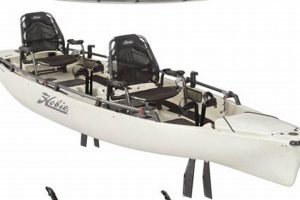
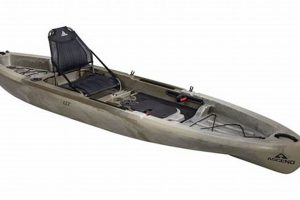
Purchasing a kayak designed for fishing through a buy-now-pay-later service allows consumers to acquire often costly equipment with greater financial flexibility. This approach breaks down the total cost into smaller, manageable installments, typically paid over a short period. For example, an angler can obtain a suitable vessel for their fishing expeditions without a large upfront investment.
Accessibility to higher-quality fishing kayaks can significantly enhance the angling experience. Improved stability, specialized features like rod holders, and increased storage capacity are often found in more expensive models. Enabling the purchase of these kayaks through installment plans opens opportunities for a wider range of anglers to benefit from such features. This payment method can also contribute to growth within the fishing kayak industry by reducing the barrier to entry for potential buyers.
This article will further explore the advantages and disadvantages of utilizing installment payment services for fishing kayak purchases. Topics covered include an overview of available kayak types suited for fishing, factors to consider when selecting a payment plan, and responsible financial planning for such acquisitions.
Tips for Acquiring a Fishing Kayak through Installment Plans
Careful consideration is recommended before committing to an installment plan for a fishing kayak. The following tips offer guidance for navigating this process responsibly.
Tip 1: Research Kayak Options Thoroughly: Determine the desired features and specifications before exploring financing. Understanding specific needs, such as kayak type (sit-on-top, sit-in, inflatable), size, and weight capacity will ensure a suitable purchase.
Tip 2: Compare Installment Plans Carefully: Different providers offer varying terms and conditions. Pay close attention to interest rates, fees, and repayment schedules. A seemingly attractive short-term plan might have higher overall costs due to elevated interest.
Tip 3: Budget Realistically: Evaluate current financial obligations to ensure the installment payments fit comfortably within the budget. Account for additional costs associated with kayak ownership, including paddles, life vests, and potential maintenance.
Tip 4: Read the Fine Print: Thoroughly review the terms and conditions of the installment agreement. Understand the implications of late payments and potential penalties. Clarity upfront prevents unexpected financial burdens later.
Tip 5: Consider Long-Term Costs: Calculate the total cost of the kayak after all installments are paid. Compare this figure to the upfront purchase price to assess the overall expense. Factor in potential interest rate fluctuations if applicable.
Tip 6: Explore Alternative Financing: Compare installment plans with other financing options like personal loans or credit cards. Consider factors such as interest rates, loan terms, and potential benefits offered by different financial institutions.
Tip 7: Factor in Ongoing Expenses: Remember ongoing costs such as storage, transportation, and maintenance. Ensure the overall budget accommodates these expenses in addition to installment payments.
Adhering to these tips facilitates informed decision-making, enabling prospective buyers to obtain a suitable fishing kayak through a manageable payment structure while maintaining financial stability.
By understanding the nuances of installment plans and making prudent financial choices, anglers can confidently equip themselves for successful fishing expeditions.
1. Budgeting

Budgeting plays a critical role in responsible acquisition of a fishing kayak through installment payment services. A comprehensive budget ensures affordability and prevents potential financial strain associated with such purchases. Careful financial planning is essential for a positive and sustainable ownership experience.
- Assessing Affordability:
Before committing to a purchase, a thorough evaluation of current income and expenses is essential. This assessment determines the available funds for installment payments without compromising existing financial obligations. For example, a prospective buyer should calculate monthly disposable income after accounting for essential expenses like rent, utilities, and groceries. This determines the maximum affordable installment payment.
- Forecasting Long-Term Costs:
Installment plans extend payments over time, impacting the total cost due to interest and potential fees. Calculating the total cost, including all installments and additional charges, provides a realistic picture of the overall expense. Comparing this total cost to the upfront purchase price allows for informed decision-making. This comparison highlights the financial implications of choosing an installment plan versus an outright purchase.
- Incorporating Additional Expenses:
Kayak ownership involves expenses beyond the purchase price itself. These include essential accessories like paddles and life vests, as well as ongoing costs like storage, transportation, and maintenance. Factoring these expenses into the budget ensures a complete financial picture. For example, allocating funds for routine maintenance or unforeseen repairs prevents unexpected financial burdens.
- Contingency Planning:
Unforeseen circumstances can impact financial stability. A budget should incorporate a contingency plan for potential income fluctuations or unexpected expenses. This might involve setting aside a small emergency fund or adjusting spending habits to accommodate unforeseen events. This proactive approach mitigates the risk of missed payments or financial hardship.
Integrating these budgetary considerations into the purchase decision ensures financial responsibility and contributes to a positive fishing kayak ownership experience. A well-defined budget allows prospective buyers to enjoy their new acquisition without the burden of undue financial strain, fostering a sustainable and enjoyable pastime.
2. Payment Plans

Payment plans are integral to the concept of acquiring a fishing kayak through services like Afterpay. They provide a structured framework for purchasing relatively expensive recreational equipment without requiring full upfront payment. This facilitates access to higher-quality kayaks, potentially enhancing the fishing experience. The availability of payment plans directly influences purchasing decisions, making desirable kayaks attainable for a wider range of consumers. For example, an angler operating on a fixed budget can acquire a specialized fishing kayak equipped with features like rod holders and livewells through manageable installments, rather than deferring the purchase or settling for a less suitable option due to cost constraints. This accessibility fosters growth within the recreational fishing market.
The structure of a payment plan significantly impacts the overall cost of the kayak. Factors such as the installment period, interest rates, and associated fees directly influence the final price. A longer installment period typically results in higher overall cost due to accumulated interest, while shorter periods reduce the total interest paid but require larger individual installments. Understanding these variables is crucial for making informed decisions and selecting the most appropriate payment plan based on individual financial circumstances. For instance, comparing plans offered by different retailers or financial institutions can reveal substantial variations in total cost for the same kayak model. Careful analysis of interest rates, fees, and installment durations empowers consumers to minimize expenses and maximize value.
Effective utilization of payment plans requires responsible financial management. Realistic budgeting and assessment of long-term affordability are paramount. Failing to account for the ongoing financial commitment of installment payments can lead to missed payments, penalties, and potential damage to credit scores. Conversely, selecting a suitable payment plan and adhering to its terms enables consumers to enjoy the benefits of their purchase while maintaining financial stability. Integrating the installment payments into a comprehensive budget ensures a positive ownership experience, avoiding the potential for financial strain. Prudent financial planning transforms payment plans from potential liabilities into valuable tools for acquiring desired equipment and enhancing recreational pursuits.
3. Kayak Selection
Kayak selection is paramount when utilizing a buy-now-pay-later service for a fishing kayak purchase. The choice significantly impacts long-term satisfaction and ensures the investment aligns with individual fishing needs and budgetary constraints. Careful consideration of various kayak types and features is crucial for a successful purchase.
- Kayak Type:
Fishing kayaks generally fall into three categories: sit-on-top, sit-in, and inflatable. Sit-on-tops offer stability and ease of access, ideal for calmer waters and warmer climates. Sit-ins provide better protection from the elements and increased storage, suitable for colder conditions or longer trips. Inflatable kayaks prioritize portability and storage convenience, ideal for anglers with limited storage space or those requiring easy transport. Selecting the appropriate type influences fishing effectiveness and overall enjoyment. For example, an angler frequently fishing in cold, choppy waters would benefit from a sit-in kayak’s stability and protection, while someone prioritizing portability might prefer an inflatable option. This choice directly impacts the utility and enjoyment derived from the purchase.
- Size and Weight Capacity:
Kayak dimensions and weight capacity must align with the angler’s physique and intended use. A kayak too small may be unstable, while one too large can be cumbersome to maneuver. Weight capacity encompasses the angler’s weight plus gear, ensuring safe and efficient operation. Exceeding the weight limit compromises stability and performance. An angler planning to carry substantial fishing gear requires a kayak with ample weight capacity, while a lighter individual can opt for a smaller, more agile model. Choosing the correct size ensures comfort, safety, and efficient use on the water.
- Features and Accessories:
Fishing kayaks often incorporate specialized features such as rod holders, tackle storage compartments, and anchor trolleys. These features enhance fishing functionality and convenience. Evaluating these features based on individual fishing styles and preferences is essential. An angler targeting specific species might require specialized rod holders or mounting points for fish finders. Selecting a kayak pre-equipped with these features can reduce the need for aftermarket modifications, potentially impacting the overall cost and convenience. This informed selection maximizes the kayak’s utility for the intended fishing style.
- Material and Durability:
Kayak construction materials significantly influence durability, performance, and price. Common materials include polyethylene, fiberglass, and composites. Polyethylene kayaks offer durability and affordability, while fiberglass and composite kayaks prioritize lighter weight and enhanced performance, often at a higher price point. Considering the anticipated fishing environment and usage frequency aids in material selection. An angler frequently navigating rocky terrain or shallow waters would prioritize a durable polyethylene kayak, whereas someone focused on speed and efficiency might opt for a lighter fiberglass model. Choosing the appropriate material ensures the kayak’s longevity and suitability for the intended fishing environment.
Careful consideration of these factors ensures the selected fishing kayak aligns with individual needs and preferences. Coupled with a responsible approach to financing through buy-now-pay-later services, this informed selection leads to a satisfying and sustainable ownership experience, enhancing enjoyment on the water.
4. Feature Comparison
Feature comparison is crucial when selecting a fishing kayak, especially when utilizing a service like Afterpay. Evaluating various kayak features against individual needs and budget constraints ensures a prudent purchase decision. This process empowers consumers to maximize value and acquire a kayak suited for their specific fishing style and financial circumstances.
- Stability
Stability is paramount for fishing kayaks, particularly in challenging conditions. Wider kayaks generally offer increased primary stability (resistance to tipping), while longer kayaks provide better secondary stability (recovery from tipping). Hull design also plays a significant role, with features like pontoon hulls or catamaran designs enhancing stability. Comparing stability features across different kayak models enables informed decisions based on anticipated fishing environments. For anglers frequently fishing in rough waters or standing to cast, prioritizing stability is crucial. This feature impacts safety and fishing effectiveness, influencing kayak selection within a given budget.
- Storage Capacity
Storage capacity directly affects the amount of gear an angler can carry. Larger storage compartments accommodate tackle boxes, fishing rods, and other essential equipment. Features like dry hatches protect sensitive items from water damage. Evaluating storage capacity relative to anticipated fishing trips is crucial. Anglers embarking on multi-day expeditions require ample storage, while shorter trips necessitate less space. Balancing storage needs with other features like maneuverability and weight influences kayak selection, especially when considering the overall cost through an installment plan.
- Comfort and Ergonomics
Comfort directly impacts fishing enjoyment, particularly during longer trips. Features like adjustable seats, footrests, and backrests enhance comfort and reduce fatigue. Evaluating seating systems and ergonomics relative to individual physical needs and preferences is essential. Anglers with back problems might prioritize adjustable lumbar support, while taller individuals require ample legroom. Considering comfort features within the context of the kayak’s price and installment payments helps prioritize essential features for a satisfying fishing experience.
- Specialized Features
Specialized features like rod holders, paddle clips, anchor trolleys, and integrated fish finders enhance fishing functionality. Evaluating these features based on individual fishing styles and target species is essential. A kayak angler targeting specific species might require specialized rod holders or mounting points for electronics. Considering these features during the comparison process ensures the selected kayak aligns with the angler’s needs, justifying the investment made through Afterpay or similar services.
By carefully comparing these features across various kayak models, anglers can make informed decisions that align with their individual needs, fishing style, and budget, ultimately leading to a satisfying purchase through Afterpay and an enhanced on-the-water experience.
5. Terms and Conditions
Understanding the terms and conditions associated with installment payment services is crucial when acquiring a fishing kayak through platforms like Afterpay. These terms govern the payment agreement and dictate the consumer’s responsibilities, impacting the overall cost and potential financial implications. Thorough review of these terms is essential for responsible financial planning and a positive ownership experience.
- Payment Schedule:
Payment schedules outline the frequency and amount of each installment payment. These schedules vary depending on the service provider and the agreed-upon terms. For example, Afterpay typically divides the purchase price into four equal installments due every two weeks. Adhering to the payment schedule is crucial to avoid late payment fees and potential negative impacts on credit scores. Understanding the payment schedule allows for effective budgeting and ensures timely payments, preventing financial complications.
- Interest Rates and Fees:
Installment payment services often impose interest charges and fees, impacting the total cost of the kayak. These charges vary significantly between providers. Some services offer interest-free periods, while others apply interest from the purchase date. Late payment fees are common and can accumulate quickly if payments are missed. Thoroughly reviewing the terms and conditions related to interest rates and fees allows for informed decision-making, potentially reducing the overall expense and preventing unexpected financial burdens.
- Late Payment Consequences:
The consequences of late payments are clearly outlined in the terms and conditions. These consequences may include late payment fees, suspension of the service, and potential reporting to credit bureaus. Understanding the implications of late payments encourages timely payments and responsible financial management. This awareness minimizes the risk of negative repercussions and maintains a positive credit history.
- Dispute Resolution:
The terms and conditions typically outline the process for resolving disputes related to the purchase or payment process. This information provides recourse for consumers encountering issues with the product or the service. Understanding the dispute resolution process empowers consumers to address problems effectively and protect their rights. This knowledge facilitates a smooth and transparent purchasing experience.
Careful consideration of these terms and conditions ensures a transparent and financially responsible approach to acquiring a fishing kayak through installment payment services. This informed approach minimizes the risk of unexpected costs and potential financial difficulties, contributing to a positive ownership experience. By understanding the terms and conditions, consumers can confidently navigate the purchase process and enjoy their new kayak without financial strain.
6. Responsible Spending

Responsible spending is paramount when considering purchasing a fishing kayak through installment payment services like Afterpay. While these services offer convenient access to recreational equipment, careful financial planning is crucial to avoid potential debt and ensure a sustainable approach to leisure activities. Understanding the principles of responsible spending in this context safeguards financial well-being and promotes a positive ownership experience.
- Budgetary Constraints:
A realistic budget that accounts for existing financial obligations is fundamental. Evaluating current income and expenses determines the affordability of installment payments without compromising essential needs. Exceeding budgetary limits can lead to missed payments and financial strain. For example, an individual with significant existing debt should carefully assess whether additional installment payments for a kayak are financially viable. Ignoring budgetary constraints can lead to a cycle of debt and detract from the enjoyment of the purchase.
- Long-Term Financial Planning:
Installment payments extend over time, impacting the total cost due to interest and potential fees. Calculating the complete cost, including all installments and additional charges, provides a clear understanding of the financial commitment. This foresight allows for informed decisions and comparison with alternative purchase methods. For instance, comparing the total cost through Afterpay with the upfront purchase price or alternative financing options, such as personal loans, allows for a comprehensive evaluation of long-term financial implications.
- Needs versus Wants:
Differentiating between essential needs and discretionary wants is crucial for responsible spending. While a fishing kayak offers recreational benefits, it is essential to assess its priority relative to other financial obligations. Prioritizing needs over wants ensures financial stability and prevents unnecessary debt accumulation. For example, an individual facing essential home repairs should prioritize those expenses over a recreational purchase, even if an installment plan makes the kayak seemingly affordable in the short term. Responsible spending involves prioritizing essential needs and avoiding impulsive purchases.
- Impulse Control:
The ease of installment payments can sometimes encourage impulsive purchases. Resisting the temptation to acquire items without thorough consideration of long-term financial implications is crucial for responsible spending. Careful evaluation of the purchase’s necessity and affordability prevents unnecessary debt and potential regret. For example, taking time to research various kayak models, compare prices, and assess the true need for the purchase before committing to an installment plan promotes responsible spending habits. Avoiding impulsive decisions based solely on the convenience of installment payments is essential for maintaining financial health.
By integrating these principles of responsible spending into the decision-making process, individuals can enjoy the benefits of acquiring a fishing kayak through services like Afterpay while mitigating potential financial risks. This mindful approach promotes sustainable recreational spending and ensures a positive ownership experience without the burden of excessive debt or financial strain. Responsible spending fosters financial well-being and allows for guilt-free enjoyment of leisure activities.
7. Long-Term Costs
Evaluating long-term costs is essential when considering a fishing kayak purchase through an installment service. While initial payments may appear manageable, the cumulative expense over the payment period often exceeds the immediate purchase price due to interest and potential fees. This cost difference significantly impacts financial planning. For instance, a $1,000 kayak purchased through a 12-month installment plan with a 10% annual percentage rate (APR) ultimately costs approximately $1,050. This seemingly small difference can accumulate with other purchases and impact overall financial health. Accurately assessing long-term costs facilitates informed decision-making, ensuring affordability within broader financial goals. This proactive evaluation prevents potential overspending and promotes responsible financial management.
Beyond the purchase price, long-term costs encompass additional expenses inherent in kayak ownership. These include necessary accessories like paddles, life jackets, and storage solutions. Ongoing maintenance, transportation costs, and potential repair expenses further contribute to the total cost of ownership. For example, annual maintenance, including cleaning, inspections, and potential repairs, can average $100-$200 per year. Transporting the kayak necessitates roof racks or trailers, adding to the overall expense. Failing to account for these recurring costs can lead to unexpected financial burdens. Incorporating these expenses into the long-term cost assessment provides a comprehensive financial overview, enabling realistic budgeting and sustainable ownership.
Understanding the complete financial commitment associated with acquiring a fishing kayak through installment payments enables informed purchasing decisions. This understanding facilitates responsible spending habits and promotes long-term financial stability. By considering the full scope of costs, consumers can confidently enjoy their recreational pursuits without the burden of unforeseen financial strain. This informed approach supports a balanced and sustainable lifestyle, where recreational purchases complement, rather than compromise, financial well-being.
Frequently Asked Questions
This section addresses common inquiries regarding the acquisition of fishing kayaks through installment payment services.
Question 1: What are the advantages of using an installment service for a fishing kayak?
Installment services offer accessibility to higher-quality kayaks without the immediate financial burden of a full upfront payment. This enables acquisition of desirable models potentially enhancing the fishing experience.
Question 2: What are the potential disadvantages?
Potential disadvantages include accruing interest charges, potentially increasing the total cost compared to an upfront purchase. Missed or late payments can lead to fees and negatively impact credit scores.
Question 3: What factors should be considered when choosing a kayak through an installment plan?
Consider kayak type (sit-on-top, sit-in, inflatable), size, weight capacity, features (rod holders, storage), and material (polyethylene, fiberglass). Align these factors with individual fishing needs and budget constraints.
Question 4: How do installment payments affect long-term budgeting?
Installment payments require consistent allocation of funds over an extended period. Incorporate these payments into a long-term budget to ensure affordability and prevent financial strain.
Question 5: What are the typical terms and conditions associated with these services?
Terms typically include a predetermined payment schedule (e.g., four payments every two weeks), potential interest rates and fees, late payment consequences, and dispute resolution processes. Review these carefully before committing to a purchase.
Question 6: How can one ensure responsible spending when using installment services for recreational purchases?
Establish a realistic budget, calculate long-term costs including interest and fees, prioritize essential needs over discretionary wants, and avoid impulsive purchases driven solely by the convenience of installment payments.
Careful consideration of these factors promotes informed decision-making and ensures a positive ownership experience while maintaining financial responsibility.
The subsequent section delves into specific installment service providers and their respective offerings.
Conclusion
Acquiring a fishing kayak through an installment service offers a pathway to enjoying this popular pastime without a significant upfront financial outlay. Careful consideration of factors such as kayak selection, payment plan terms, and responsible spending habits is crucial for a positive ownership experience. A thorough understanding of the long-term costs associated with both the purchase and ongoing ownership ensures financial stability and informed decision-making. Comparison of available options, features, and payment structures empowers consumers to select the most suitable kayak and payment plan aligned with individual needs and budgetary constraints. This approach fosters sustainable recreational spending and maximizes enjoyment on the water.
Ultimately, successful integration of installment services into recreational purchases relies on informed choices and responsible financial planning. This approach transforms convenient payment options into valuable tools for pursuing leisure activities without compromising long-term financial well-being. Empowered consumers contribute to a thriving recreational market while maintaining financial stability and enjoying the pursuit of their chosen pastimes.