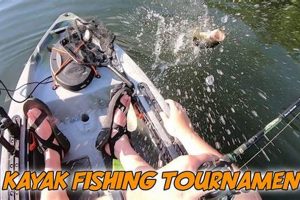
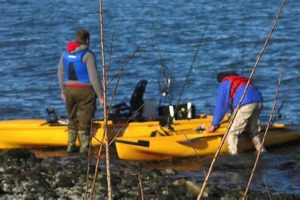
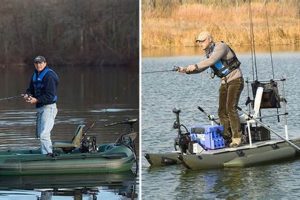
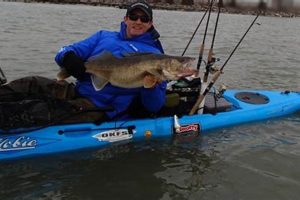
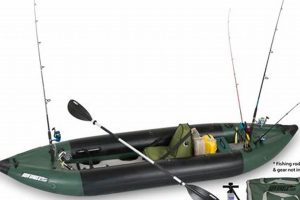
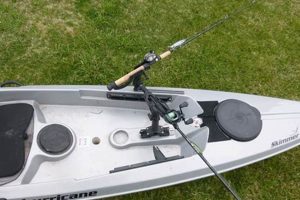
A retail chain specializing in sporting goods and outdoor recreation offers a selection of kayaks designed specifically for angling. These watercraft typically feature specialized seating, rod holders, and storage compartments tailored to the needs of anglers. For example, one might find a sit-on-top model with ample storage for tackle boxes and a built-in cooler for keeping catches fresh.
Specialized kayaks for fishing offer several advantages. Their stability and design features contribute to a more comfortable and efficient fishing experience. Built-in features, like rod holders and storage compartments, free up the angler’s hands and keep essential gear organized. Historically, fishing kayaks have evolved from basic, adapted recreational kayaks to highly specialized vessels designed to meet the demands of serious anglers. This evolution reflects the growing popularity of kayak fishing and the increasing demand for performance-driven features.
This discussion will further explore key factors in selecting a suitable fishing kayak, including hull design, propulsion systems, and essential accessories. Considerations such as budget, intended fishing environment, and angler experience level will also be addressed.
Tips for Selecting and Using a Fishing Kayak
Choosing and utilizing a fishing kayak effectively involves careful consideration of various factors to ensure optimal performance and safety.
Tip 1: Consider Hull Design: Different hull designs (e.g., sit-on-top, sit-inside) offer varying levels of stability and maneuverability. A wider, flatter hull provides greater stability, while a longer, narrower hull offers better tracking and speed. Selecting the right hull type depends on the intended fishing environment and personal preference.
Tip 2: Evaluate Propulsion Options: Paddle kayaks offer excellent exercise and maneuverability in shallow water. Pedal-driven kayaks provide hands-free fishing and greater speed over longer distances. Motorized kayaks offer the greatest range and speed, particularly beneficial in larger bodies of water.
Tip 3: Prioritize Safety Gear: A personal flotation device (PFD) is essential for all kayak anglers. A whistle, signaling device, and first-aid kit should also be carried. Inform someone of the intended fishing location and estimated return time.
Tip 4: Organize Tackle and Gear: Utilize storage compartments and rod holders effectively to keep essential gear within easy reach. Proper organization minimizes clutter and maximizes fishing efficiency.
Tip 5: Practice Paddle Strokes and Maneuvering: Before venturing out, practice basic paddle strokes and maneuvering techniques in calm water. This builds confidence and ensures efficient and safe navigation on the water.
Tip 6: Respect the Environment: Adhere to Leave No Trace principles by packing out all trash and minimizing disturbance to wildlife and their habitats. Dispose of fishing line responsibly to prevent entanglement hazards.
Tip 7: Check Weather Conditions: Before heading out, always check the weather forecast and be prepared for changing conditions. Avoid fishing in strong winds, lightning storms, or extreme temperatures.
Careful selection and proper utilization of equipment and techniques contribute significantly to a safe and successful fishing experience. Prioritizing safety and environmental responsibility ensures the long-term enjoyment of this popular pastime.
By considering these factors and following these tips, anglers can enhance their fishing kayak experience and ensure long-term enjoyment of this popular activity.
1. Stability

Stability is a paramount consideration in fishing kayak selection, directly impacting safety and fishing effectiveness. A stable platform allows anglers to cast, reel, and land fish without compromising balance. Instability, conversely, can lead to capsizing, equipment loss, and potentially dangerous situations, especially in challenging conditions such as moving water or windy environments. Academy fishing kayaks are designed with varying degrees of stability based on their intended use. Wider, flatter hulls offer enhanced stability, often preferred by anglers fishing in calm lakes or ponds. Kayaks designed for river fishing or ocean use may sacrifice some stability for maneuverability and speed, requiring a higher degree of skill and balance from the angler.
Several factors influence kayak stability, including hull design, width, and length. A wider kayak generally offers more initial stability, resisting tipping when at rest. Longer kayaks tend to track better in a straight line but might feel less stable initially. Hull shape also plays a critical role. Flat-bottomed hulls provide excellent primary stability, making them ideal for calm water fishing. Rounded or V-shaped hulls offer better secondary stability, meaning they are more resistant to tipping when leaned over. Understanding these design elements assists anglers in selecting an Academy fishing kayak appropriate for their skill level and intended fishing environment. For example, a novice angler fishing on a small lake would benefit from a wide, flat-bottomed kayak, while a more experienced angler fishing in coastal waters might prefer a longer, V-shaped hull.
Ultimately, the appropriate level of stability depends on individual needs and fishing style. Prioritizing stability, particularly for beginners or those fishing in challenging conditions, contributes significantly to a safe and enjoyable experience. Evaluating stability alongside other key features like maneuverability and storage capacity ensures a well-informed purchasing decision. Recognizing the direct impact of stability on fishing effectiveness underscores its importance as a core element in selecting an Academy fishing kayak. This ensures anglers can focus on their fishing techniques and enjoyment, rather than constantly battling to maintain balance.
2. Storage Capacity

Storage capacity is a critical factor in fishing kayak selection, directly influencing an angler’s ability to carry essential gear and maintain an organized and efficient fishing experience. Adequate storage facilitates access to tackle, rods, safety equipment, and personal items, minimizing clutter and maximizing time spent fishing. Insufficient storage, conversely, can lead to frustration, disorganization, and compromised safety. Academy fishing kayaks offer various storage solutions designed to cater to different angling styles and needs.
- Built-in Compartments:
Many Academy fishing kayaks feature integrated storage compartments, including hatches, tank wells, and dry storage areas. These compartments offer protected storage for sensitive items like electronics, wallets, and keys, safeguarding them from water damage. Larger compartments accommodate tackle boxes, fishing rods, and other essential gear. The size, location, and accessibility of these compartments vary across different kayak models. Anglers should consider their typical gear load and preferred organization methods when evaluating built-in storage options.
- Bungee Cord Systems:
Bungee cord systems provide versatile and readily accessible storage on the kayak’s deck. These systems secure larger items like spare paddles, dry bags, and coolers. The strategic placement of bungee cords allows anglers to quickly stow and retrieve frequently used items without disrupting their fishing flow. The durability and adjustability of bungee systems are important considerations, ensuring secure storage and easy customization.
- Rod Holders:
Dedicated rod holders are essential features on fishing kayaks. Flush-mounted and adjustable rod holders keep rods secure and readily accessible, freeing up the angler’s hands for paddling, casting, and landing fish. The number and placement of rod holders should align with the angler’s preferred fishing techniques and the number of rods typically used. Some kayaks offer specialized rod holders for trolling or specific fishing styles.
- Customizable Storage Solutions:
Many Academy fishing kayaks offer customizable storage options, allowing anglers to tailor their setup to individual needs. Aftermarket accessories like crate systems, gear tracks, and mounting plates expand storage possibilities. These customizations enhance organization and efficiency, creating a personalized fishing platform. Compatibility with aftermarket accessories is an important factor to consider when evaluating storage capacity and customization potential.
Careful consideration of storage capacity and organization options is essential for a productive and enjoyable fishing experience. Evaluating storage features alongside other critical factors such as stability, maneuverability, and comfort ensures selecting an Academy fishing kayak that meets individual needs and maximizes time spent on the water. Properly utilizing available storage solutions further enhances efficiency and safety, allowing anglers to focus on the pursuit of their targeted catch.
3. Maneuverability
Maneuverability represents a crucial performance attribute in fishing kayaks, significantly impacting an angler’s ability to navigate diverse water environments and effectively target fish. A highly maneuverable kayak allows for precise adjustments in position, critical for navigating tight quarters, such as shallow creeks, weed beds, and rocky shorelines. Conversely, a less maneuverable kayak can hinder access to prime fishing spots, impacting overall fishing success. Academy fishing kayaks are designed with varying degrees of maneuverability to cater to specific fishing styles and environments. Shorter kayaks with a wider turning radius offer enhanced maneuverability in confined spaces, while longer kayaks excel in tracking and speed in open water. Understanding the relationship between kayak design and maneuverability allows anglers to select the appropriate vessel for their intended use.
Several design elements contribute to a fishing kayak’s maneuverability. Hull shape plays a significant role; a shorter, flatter hull generally provides greater maneuverability, while a longer, V-shaped hull enhances tracking and speed but sacrifices turning agility. The presence of a rudder or skeg can significantly influence maneuverability, offering directional control and improved tracking in windy conditions or currents. Weight also factors into maneuverability; lighter kayaks are generally easier to maneuver than heavier ones. Consider a kayak angler navigating a narrow, winding creek filled with submerged logs. A highly maneuverable kayak allows the angler to effortlessly navigate the tight turns and obstacles, maximizing access to prime fishing locations along the creek bank. Conversely, a less maneuverable kayak would struggle in such an environment, hindering the angler’s ability to effectively fish the area.
Selecting a fishing kayak with the appropriate level of maneuverability requires careful consideration of the intended fishing environment and personal paddling style. Prioritizing maneuverability for fishing in confined spaces or navigating complex waterways significantly enhances fishing effectiveness. Balancing maneuverability with stability and storage capacity ensures a versatile and efficient fishing platform. Recognizing the direct impact of maneuverability on fishing success underscores its importance as a core performance attribute in Academy fishing kayaks.
4. Comfort and Ergonomics

Comfort and ergonomics are critical factors influencing the overall fishing kayak experience. Extended periods on the water require a comfortable and supportive seating system to minimize fatigue and maximize fishing enjoyment. Ergonomically designed features, including adjustable seating, footrests, and paddle holders, contribute to efficient paddling and casting, reducing strain and promoting proper body mechanics. A poorly designed kayak can lead to discomfort, back pain, and reduced fishing effectiveness. Conversely, a comfortable and ergonomically sound kayak enhances enjoyment and allows anglers to focus on fishing, rather than physical discomfort. For example, an angler spending hours on the water benefits significantly from a well-designed seat with adjustable back support and lumbar cushioning, reducing fatigue and enhancing overall comfort.
Academy fishing kayaks offer a range of comfort and ergonomic features designed to cater to individual preferences and needs. Adjustable seating systems allow anglers to customize their position for optimal comfort and support. Footrests provide essential leverage and stability while paddling, and strategically placed handles facilitate easy transport and maneuvering. Paddle holders keep paddles secure and readily accessible when not in use. Evaluating these features is essential for ensuring a comfortable and enjoyable fishing experience. Consider an angler with a history of back problems. Choosing a kayak with adjustable lumbar support and a comfortable, supportive seat can make a significant difference in their ability to enjoy a full day of fishing without pain or discomfort. Similarly, adjustable footrests accommodate anglers of different heights, ensuring proper posture and efficient paddling.
Prioritizing comfort and ergonomics in fishing kayak selection directly contributes to enhanced fishing enjoyment and overall well-being. Discomfort can detract from the fishing experience, leading to fatigue and reduced effectiveness. By carefully evaluating seating systems, footrests, and other ergonomic features, anglers can select an Academy fishing kayak that provides the necessary comfort and support for extended periods on the water. This ultimately allows for a more focused, enjoyable, and successful fishing experience.
5. Durability and Build Quality
Durability and build quality are paramount considerations when evaluating fishing kayaks, particularly those intended for rigorous use in diverse environments. A kayak’s construction directly impacts its resistance to damage from impacts, abrasion, UV exposure, and general wear and tear. Selecting a durable kayak ensures longevity and reliable performance over extended periods, minimizing the need for repairs and replacements. Inferior build quality, conversely, can lead to premature failures, leaks, structural weaknesses, and ultimately, a compromised fishing experience. Academy fishing kayaks are constructed using various materials and manufacturing processes, each offering different levels of durability and performance characteristics. Understanding these construction methods and material properties allows informed purchasing decisions aligned with individual needs and anticipated usage.
Several factors contribute to a fishing kayak’s overall durability. Material selection plays a key role. High-density polyethylene (HDPE) is a common material known for its impact resistance and affordability. Fiberglass kayaks offer greater strength and stiffness, but at a higher price point. Thermoformed ABS plastic kayaks provide a balance between durability and affordability. Construction methods also significantly influence durability. Rotomolded kayaks, created through a single-piece molding process, offer superior impact resistance and structural integrity. Manufacturing processes influence seam strength and overall hull integrity. A well-constructed kayak will feature reinforced stress points and robust seam welding, minimizing the risk of leaks and structural failures. For instance, a kayak intended for frequent use in rocky rivers requires greater durability than one used primarily in calm lakes. The former would benefit from a rotomolded HDPE construction with reinforced keel protection, while the latter might suffice with a less robust, more affordable option.
Investing in a durable and well-built fishing kayak ensures long-term performance and minimizes the risk of costly repairs or replacements. Evaluating construction materials, manufacturing processes, and design features related to durability provides valuable insights for informed purchasing decisions. Prioritizing durability, alongside other essential factors such as stability, maneuverability, and storage capacity, leads to a more reliable, safe, and ultimately, more enjoyable fishing experience. This approach emphasizes the importance of viewing a kayak not just as a purchase, but as an investment in long-term fishing enjoyment.
6. Price Point and Value
Price point and value represent crucial considerations in the selection of an academy fishing kayak, requiring a careful balance between budgetary constraints and desired features. Potential buyers must assess the kayak’s features, build quality, and intended use against its cost to determine overall value. A lower price point doesn’t necessarily equate to poor value, nor does a higher price guarantee superior performance. Understanding the relationship between price and value necessitates careful consideration of individual fishing needs, budget limitations, and long-term ownership costs.
Several factors influence the perceived value of an academy fishing kayak. Included are construction materials, features, and brand reputation. Entry-level kayaks constructed from less expensive materials like high-density polyethylene (HDPE) typically offer a lower price point than premium kayaks made from fiberglass or composites. Feature sets also influence price. Kayaks equipped with advanced features like integrated fish finders, GPS systems, and premium seating systems command higher prices than those with basic features. Brand reputation also plays a role. Established brands known for quality and performance often command premium prices, reflecting their history of innovation and reliability. Consider a hypothetical scenario where an angler has a limited budget but requires a stable and durable kayak for recreational fishing. Opting for a basic, well-constructed HDPE kayak from a reputable brand might offer better value than a feature-rich but less durable model from a lesser-known manufacturer at a similar price point. Alternatively, an experienced angler seeking a high-performance kayak for tournament fishing might prioritize advanced features and premium construction, justifying a higher price point.
Ultimately, assessing the value of an academy fishing kayak requires careful consideration of individual needs, budget, and long-term ownership costs. A thorough evaluation of features, build quality, and intended use relative to the price allows informed purchasing decisions that maximize value and minimize unnecessary expenditure. Recognizing that price does not solely dictate value empowers consumers to select kayaks that meet both their fishing needs and budgetary constraints. This approach fosters informed decision-making and emphasizes the importance of considering the long-term cost of ownership, including potential maintenance and repairs, when evaluating the overall value proposition of an academy fishing kayak.
Frequently Asked Questions
This section addresses common inquiries regarding the selection, use, and maintenance of fishing kayaks available at Academy Sports + Outdoors.
Question 1: What are the key differences between sit-on-top and sit-inside fishing kayaks?
Sit-on-top kayaks offer superior stability and ease of entry/exit, making them ideal for warmer climates and anglers who prefer easy access to the water. Sit-inside kayaks provide better protection from the elements and a drier ride in colder conditions, but can be more challenging to recover from a capsize.
Question 2: How important is kayak weight capacity for fishing?
Weight capacity dictates the total load a kayak can safely carry, including the angler, gear, and any potential catch. Exceeding the weight capacity compromises stability and safety. Selecting a kayak with ample weight capacity ensures safe and efficient operation.
Question 3: What are the advantages of pedal-powered fishing kayaks compared to paddle kayaks?
Pedal kayaks offer hands-free propulsion, allowing anglers to focus on fishing while maintaining position or trolling. This advantage proves particularly beneficial in currents or windy conditions. Paddle kayaks offer greater maneuverability in tight spaces and shallower water.
Question 4: What essential safety gear should one carry when fishing from a kayak?
Essential safety gear includes a personal flotation device (PFD), a whistle, a visual distress signal, a first-aid kit, and a communication device. Informing someone of the planned fishing location and estimated return time is also crucial.
Question 5: How does one choose the right paddle length for a fishing kayak?
Paddle length depends on factors including the angler’s height, torso length, kayak width, and paddling style. Consulting with an experienced kayak outfitter or using a paddle sizing chart can assist in determining the appropriate length.
Question 6: What maintenance is required for a fishing kayak?
Regular maintenance includes rinsing the kayak with fresh water after each use, especially in saltwater environments. Periodic inspection of hull integrity, hardware, and storage compartments helps identify potential issues early. Proper storage, protected from UV exposure and extreme temperatures, extends the kayak’s lifespan.
Thorough consideration of these frequently asked questions provides a foundation for informed decision-making when selecting and using a fishing kayak. Addressing these common concerns promotes safe and enjoyable fishing experiences.
The next section delves into advanced techniques for kayak fishing, covering topics such as choosing the right fishing gear, effective casting techniques from a kayak, and navigating various water conditions.
Conclusion
Careful selection of specialized fishing kayaks available at Academy Sports + Outdoors requires consideration of several key factors. Hull design, propulsion systems, and storage solutions contribute significantly to on-the-water effectiveness. Balancing stability, maneuverability, and comfort enhances the overall fishing experience. Durability and build quality ensure long-term performance and value. Evaluating these interconnected elements empowers informed purchasing decisions aligned with individual angling styles, target species, and budgetary considerations. Prioritizing safety and environmental stewardship remains paramount for responsible enjoyment of the sport.
Ultimately, the pursuit of a successful and fulfilling fishing experience necessitates thoughtful equipment choices. Investing in a well-equipped fishing kayak facilitates enhanced performance, increased comfort, and promotes responsible engagement with the aquatic environment. Continued exploration of advanced techniques and responsible practices will further enrich the angling experience and contribute to the long-term health of aquatic ecosystems. Understanding and appreciating the nuanced relationship between angler, equipment, and environment fosters a deeper appreciation for the sport and ensures its sustainability for future generations.