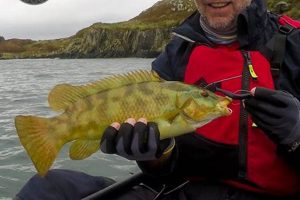
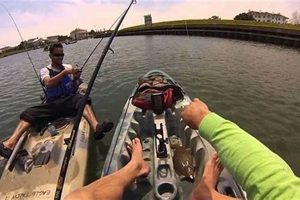
Exploring the shallow waters of North Carolina’s largest lagoon by small, human-powered vessel offers a unique angling experience. This method allows for quiet access to diverse fishing grounds, from grassy flats and oyster beds to deeper channels and creek mouths. Anglers can target a variety of species including redfish, speckled trout, flounder, striped bass, and more. This pursuit often involves specialized tackle and techniques tailored to the environment and target species.
This approach to fishing promotes a close connection with nature and offers a sustainable, low-impact way to enjoy the abundant fishery. The quiet nature of paddling allows for observation of wildlife beyond the targeted species, contributing to a richer outdoor experience. Historically, small boats have played a vital role in the region’s fishing traditions, reflecting the enduring appeal of this self-reliant and intimate interaction with the aquatic environment.
Further exploration will detail specific techniques, equipment recommendations, ideal locations, and relevant regulations for this activity within the sound. Conservation efforts and the importance of responsible angling practices will also be addressed.
Tips for Successful Angling Excursions in the Pamlico Sound by Kayak
Careful planning and preparation are crucial for a safe and productive fishing trip on these expansive waters. The following tips offer guidance for anglers of all experience levels.
Tip 1: Check the weather forecast and tides. Wind and currents can significantly impact paddling conditions, especially in a small craft. Understanding tidal fluctuations is essential for targeting specific species and navigating shallow areas.
Tip 2: Utilize appropriate safety gear. A personal flotation device (PFD) is mandatory and essential. A whistle, signaling mirror, and communication device are also recommended. Inform someone of the planned trip route and estimated return time.
Tip 3: Choose tackle and lures suited to the target species. Research common species found in the area and select appropriate rods, reels, lines, and lures. Local bait and tackle shops can offer valuable insights.
Tip 4: Plan fishing locations based on target species and tides. Consult fishing charts and maps to identify potential hotspots like oyster beds, grass flats, and drop-offs. Consider tidal movement when selecting fishing locations.
Tip 5: Practice proper kayaking techniques. Efficient paddling and maneuvering skills are vital for covering water and maintaining stability. Consider taking a kayaking course or practicing in calm waters before venturing into the sound.
Tip 6: Respect the environment and practice catch-and-release whenever possible. Handle fish gently and minimize their time out of the water. Adhere to all local fishing regulations and licensing requirements.
Tip 7: Pack essentials like water, sunscreen, and insect repellent. Long days on the water require adequate hydration and sun protection. Insect repellent can significantly enhance comfort.
Tip 8: Employ stealth and quiet movements to avoid spooking fish. The quiet nature of kayak fishing offers a significant advantage. Minimize noise and sudden movements to maximize fishing success.
Careful preparation and adherence to these guidelines will maximize both safety and fishing success while minimizing environmental impact. This proactive approach ensures an enjoyable and responsible angling experience.
These tips provide a foundation for successful angling in this unique environment. Further sections will detail specific techniques, equipment recommendations, and ideal locations.
1. Location Planning

Strategic location planning is paramount for successful kayak angling within the Pamlico Sound. The sound’s diverse habitats, ranging from shallow grass flats to deeper channels, offer a variety of fishing opportunities. Effective planning maximizes angling time and increases the likelihood of encountering target species.
- Habitat Considerations
Different fish species inhabit specific areas within the sound. Redfish often frequent shallow grass flats and oyster beds, while speckled trout favor deeper channels and drop-offs. Understanding these habitat preferences informs location choices and increases the chances of a productive fishing trip. Resources like nautical charts and local fishing reports can provide valuable habitat information.
- Tidal Influences
Tidal fluctuations significantly impact fish behavior and accessibility. Incoming tides often bring baitfish and predatory species onto the flats, while outgoing tides concentrate fish in channels and deeper holes. Consulting tide charts is essential for planning fishing times and locations based on tidal movements. Failure to account for tides can result in unproductive fishing trips or navigating difficulties in shallow areas.
- Accessibility and Launch Points
Numerous public and private boat ramps and kayak launch sites provide access to the sound. Selecting a launch point near the desired fishing area minimizes paddling time and allows anglers to reach productive spots quickly. Factors like parking availability, fees, and facilities should be considered when choosing a launch point. Efficient use of online mapping tools can aid in locating and evaluating suitable launch points.
- Wind and Weather Patterns
Prevailing winds and weather conditions significantly impact kayak fishing on the Pamlico Sound. Strong winds can create challenging paddling conditions, particularly in open areas. Checking weather forecasts before embarking on a trip is crucial for safety and comfort. Planning alternative locations or postponing the trip may be necessary under adverse weather conditions. Staying informed about weather patterns through reliable sources ensures a safer and more enjoyable experience.
Careful consideration of these location planning factors contributes significantly to successful kayak fishing on the Pamlico Sound. Understanding habitat, tides, accessibility, and weather allows anglers to optimize their time on the water and enhances their chances of a productive and enjoyable fishing experience.
2. Tackle Selection

Appropriate tackle selection is crucial for successful kayak angling in the Pamlico Sound. The diverse fish species inhabiting the sound, combined with varying fishing conditions, necessitate careful consideration of rod, reel, line, and lure choices. Effective tackle selection directly influences an angler’s ability to present lures effectively, hook fish reliably, and manage them successfully from a kayak.
Light to medium-heavy spinning or casting rods, typically 6-7 feet in length, are well-suited for most Pamlico Sound kayak fishing applications. Shorter rods offer improved maneuverability within the confines of a kayak, while their power range handles the variety of species commonly encountered. Reels should be matched to the chosen rod and spooled with appropriate line weight. Braid or fluorocarbon lines in the 10-20 pound test range are popular choices, offering sensitivity and strength for detecting bites and battling fish in structure-rich environments. Lure selection depends on the target species. Soft plastic jigs, topwater plugs, and shallow-diving crankbaits are effective for species such as redfish, speckled trout, and flounder. Live bait, such as shrimp or minnows, can also be highly productive.
Careful consideration of these factors ensures anglers are well-equipped to handle the challenges and opportunities presented by this unique fishing environment. Proper tackle selection, coupled with sound fishing techniques, enhances the likelihood of a productive and enjoyable experience on the Pamlico Sound. Neglecting tackle considerations can lead to missed opportunities, lost fish, and frustration. The careful angler understands that appropriate tackle selection significantly contributes to overall success and enjoyment.
3. Kayak Stability

Kayak stability plays a crucial role in the success and safety of angling excursions on the Pamlico Sound. The sound’s often-variable conditions, including wind, waves, and currents, can present challenges to even experienced kayakers. A stable platform is essential for casting accurately, fighting fish effectively, and ensuring angler safety. Compromised stability can lead to difficulties in landing fish, increasing the risk of capsizing, particularly when handling larger, more active species. A stable kayak also allows for more efficient paddling and maneuvering, conserving energy and maximizing fishing time.
Various factors influence kayak stability, including hull design, width, and length. Wider, flatter-bottomed kayaks generally offer greater initial stability, making them suitable for calmer waters and less experienced paddlers. Longer, narrower kayaks tend to track better and handle waves more effectively, but may feel less stable initially. Proper weight distribution within the kayak also plays a significant role in maintaining stability. Distributing gear evenly and keeping the center of gravity low enhances overall stability and reduces the risk of capsizing. Unexpected shifts in weight, such as leaning over to retrieve a dropped item or landing a fish, can compromise stability, highlighting the importance of maintaining a balanced posture and anticipating potential weight shifts.
Understanding the factors influencing kayak stability and selecting a kayak appropriate for the anticipated conditions are crucial for a safe and productive fishing experience on the Pamlico Sound. Prioritizing stability enhances angler safety, improves fishing effectiveness, and allows for greater enjoyment of the diverse fishing opportunities this environment offers. Anglers should consider their experience level, target species, and typical weather conditions when selecting a kayak and practice essential safety precautions, such as wearing a personal flotation device, to mitigate potential risks associated with on-water activities.
4. Tidal Awareness
Tidal awareness is paramount for successful and safe kayak angling within the Pamlico Sound. This complex estuarine system experiences significant tidal fluctuations that influence water depth, current strength, and fish behavior. Understanding these tidal dynamics allows anglers to optimize fishing locations, access shallow areas safely, and predict fish movement. Ignoring tidal influences can lead to unproductive fishing trips, navigational hazards, and potentially dangerous situations.
Tidal currents within the sound can be strong, particularly near inlets and during peak tidal flows. These currents affect kayak positioning and drift, requiring anglers to adjust paddling strategies and anchor placements accordingly. Incoming tides often flood shallow flats and marshes, creating prime feeding grounds for species like redfish and speckled trout. Conversely, outgoing tides concentrate fish in deeper channels and creeks as water recedes. Knowledge of these patterns enables anglers to target specific areas at optimal times, maximizing fishing success. For example, fishing the edges of a flooded marsh during an incoming tide can be highly productive for redfish, while focusing on deeper channels during an outgoing tide may yield better results for speckled trout. Furthermore, understanding tidal cycles allows anglers to plan safe passage through shallow areas, avoiding grounding or becoming stranded as tides recede.
In summary, tidal awareness constitutes a critical element of successful Pamlico Sound kayak fishing. Tidal fluctuations significantly influence water depth, current strength, and fish behavior. Anglers who prioritize understanding these tidal dynamics gain a significant advantage, optimizing fishing locations, navigating safely, and ultimately increasing their chances of a productive and enjoyable experience. This knowledge fosters responsible angling practices, minimizing environmental impact and maximizing respect for this dynamic ecosystem. Neglecting tidal awareness, however, can lead to frustration, lost fishing opportunities, and potentially hazardous situations. Consulting tide charts, observing water movement, and understanding local tidal patterns are crucial steps for any angler venturing onto the Pamlico Sound.
5. Safety Precautions
Safety precautions are paramount for kayak angling on the Pamlico Sound. The sound’s expansive nature, variable weather conditions, and potential navigational hazards necessitate careful planning and preparation. Neglecting safety protocols can lead to serious consequences, ranging from minor inconveniences to life-threatening emergencies. Understanding and implementing appropriate safety measures significantly mitigates these risks, ensuring a more enjoyable and responsible angling experience.
Several factors contribute to the importance of safety precautions in this specific context. The shallow nature of much of the sound, combined with shifting sandbars and submerged obstacles, poses navigational challenges. Strong winds and unpredictable weather patterns can quickly transform calm waters into hazardous conditions. The remoteness of certain areas within the sound can complicate rescue efforts in emergencies. Therefore, carrying essential safety equipment, such as a personal flotation device (PFD), whistle, signaling mirror, and communication device, is crucial. Informing someone onshore of the planned fishing route and estimated return time allows for timely assistance if needed. Checking weather forecasts before embarking on a trip allows anglers to avoid potentially dangerous conditions. Carrying a chart and compass, or a GPS device, aids navigation, especially in areas with limited visibility.
Consider the hypothetical scenario of an angler whose kayak capsizes due to unexpected rough water. Without a PFD, the angler risks drowning, even in relatively shallow water. A communication device enables a call for help, while a signaling mirror increases visibility to potential rescuers. This example illustrates the practical significance of safety precautions and their potential to avert tragedy. Implementing comprehensive safety measures demonstrates a commitment to responsible angling and fosters a culture of safety within the kayaking community. This proactive approach minimizes the burden on rescue services and contributes to the overall well-being of all those who enjoy the Pamlico Sound’s unique fishing opportunities.
Frequently Asked Questions about Kayak Fishing in the Pamlico Sound
This section addresses common inquiries regarding kayak fishing within the Pamlico Sound. These responses aim to provide clarity and guidance for anglers considering this unique fishing experience.
Question 1: What are the primary target species for kayak anglers in the Pamlico Sound?
Common target species include redfish, speckled trout, flounder, striped bass, and various other inshore species. Specific target species may vary depending on the season and location within the sound.
Question 2: Are specific permits or licenses required for kayak fishing in this area?
A valid North Carolina Coastal Recreational Fishing License is typically required for anglers targeting finfish within the sound. Regulations and license requirements may vary, so checking with the North Carolina Wildlife Resources Commission for current regulations is recommended.
Question 3: What are the typical weather conditions anglers should anticipate?
The Pamlico Sound experiences variable weather conditions. Anglers should prepare for a range of temperatures and potential wind, rain, or fog. Checking marine weather forecasts before each trip is essential for safety and planning.
Question 4: What safety equipment is recommended for kayak fishing in the sound?
Essential safety equipment includes a personal flotation device (PFD), a whistle, a signaling mirror, and a communication device (e.g., VHF radio or cell phone in a waterproof case). A first-aid kit and navigation tools are also advisable.
Question 5: What are the primary navigational hazards anglers should be aware of?
Navigational hazards within the Pamlico Sound include shallow areas, shifting sandbars, submerged debris, and strong currents, particularly near inlets. Careful attention to nautical charts and tide tables is essential for safe navigation.
Question 6: What are the recommended kayak features for fishing in this environment?
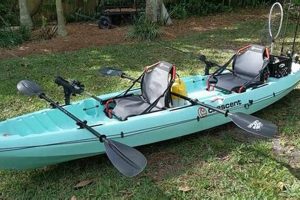
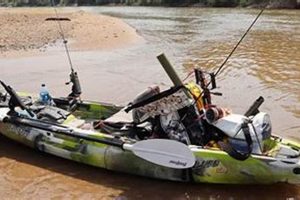
Kayaks designed for fishing, featuring stability, ample storage space, and rod holders, are recommended. Sit-on-top kayaks are generally preferred for their self-bailing capabilities and ease of re-entry in case of capsizing.
These responses offer general guidance for prospective kayak anglers within the Pamlico Sound. Further research and consultation with local experts are encouraged to ensure full preparedness and a safe, enjoyable angling experience.
The next section offers a deeper exploration of recommended fishing techniques and strategies for maximizing success in this diverse environment.
Conclusion
This exploration has provided a comprehensive overview of angling within the Pamlico Sound by kayak. Key aspects discussed include the importance of location planning based on target species and tidal influences, appropriate tackle selection, ensuring kayak stability, understanding tidal currents and their impact on fish behavior, and prioritizing essential safety precautions. The diverse habitats and abundant fish populations within the sound offer exceptional angling opportunities for those prepared to navigate its unique challenges. Proper planning and execution are crucial for maximizing success and ensuring a safe and rewarding experience.
The Pamlico Sound represents a valuable natural resource, offering both recreational and ecological significance. Responsible angling practices, including adherence to regulations and respect for the environment, are essential for preserving this unique ecosystem for future generations. Continued exploration and understanding of the sound’s intricate dynamics will further enhance angling experiences and contribute to its long-term conservation. The future of this valuable resource depends on the collective stewardship of all who utilize and appreciate its offerings.