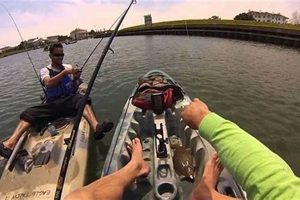
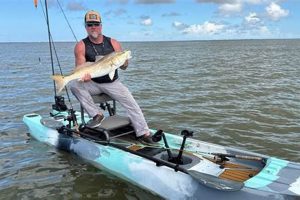
Online communities dedicated to angling from kayaks provide a platform for enthusiasts to exchange information, advice, and experiences. These platforms often feature discussions on topics such as kayak selection and modification, fishing techniques specific to kayaks, suitable locations, and relevant regulations. A typical thread might involve users comparing different paddle propulsion systems or sharing tips for rigging a kayak for specific species.
Access to collective knowledge and shared experiences within these communities offers significant advantages to anglers. Novices can learn from experienced paddlers, avoiding common pitfalls and accelerating their learning curve. Experienced anglers benefit from exposure to new techniques, locations, and perspectives. This online exchange fosters a sense of community and contributes to the overall growth and development of the sport. Historically, anglers relied on localized networks for information sharing. The advent of digital platforms has broadened the scope of these networks, connecting anglers globally and democratizing access to expertise.
This article delves further into the nuances of kayak angling, exploring essential equipment, effective techniques, and popular destinations, leveraging the insights and knowledge shared within these thriving online communities.
Tips for Kayak Angling
Effective kayak angling requires careful planning and execution. The following tips, often discussed within online kayak fishing communities, offer valuable guidance for both novice and experienced anglers.
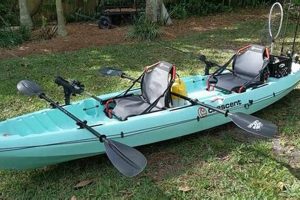
Tip 1: Prioritize Stability: Kayak stability is paramount, especially when fishing. Wider kayaks offer greater initial stability, while longer kayaks excel in tracking and maintaining course. Consider the fishing environment and target species when selecting a kayak.
Tip 2: Master Paddle Strokes: Efficient paddling conserves energy and allows anglers to reach desired fishing spots quickly. Practice various paddle strokes, including forward, reverse, and sweep strokes, to enhance maneuverability.
Tip 3: Organize Tackle Effectively: A well-organized tackle system is crucial for efficient lure changes and prevents gear loss. Utilize tackle boxes, trays, and storage solutions designed for kayak fishing. Consider mounting rod holders for easy access.
Tip 4: Choose Appropriate Anchoring Systems: Anchoring systems prevent drift and maintain position in desired fishing areas. Stake-out poles excel in shallow water, while anchor trolleys offer versatility in various depths and currents.
Tip 5: Understand Local Regulations: Familiarize oneself with local fishing regulations, including licensing requirements, size and catch limits, and permitted fishing methods. This ensures responsible and ethical angling practices.
Tip 6: Practice Safety First: Always wear a personal flotation device (PFD). Carry essential safety equipment, including a whistle, signaling device, and first-aid kit. Inform someone of fishing plans and expected return time.
Tip 7: Respect the Environment: Practice Leave No Trace principles. Pack out all trash and avoid disturbing natural habitats. Handle fish carefully and practice catch-and-release whenever possible.
By adhering to these guidelines, anglers can enhance their safety, efficiency, and enjoyment on the water. Successful kayak fishing requires a combination of skill, preparation, and respect for the environment.
These tips offer a starting point for a successful kayak fishing experience. Further research and practice will contribute to continued growth and enjoyment of the sport.
1. Information Exchange

Information exchange forms the cornerstone of online kayak fishing communities. These platforms thrive on the sharing of knowledge and experiences, creating a dynamic environment where anglers of all skill levels can learn and grow. The free flow of information facilitates improved angling techniques, safer practices, and a deeper appreciation for the sport. For example, a novice angler seeking advice on kayak selection can benefit from the collective wisdom of experienced users, gaining insights into stability, maneuverability, and features relevant to specific fishing styles. Conversely, seasoned anglers can contribute their expertise, sharing insights on rigging techniques, lure selection, and effective paddling strategies. This reciprocal exchange fosters a collaborative learning environment, driving continuous improvement within the community.
The practical significance of this information exchange extends beyond individual skill development. Discussions regarding local regulations, conservation practices, and ethical angling contribute to responsible resource management and ensure the sustainability of the sport. Sharing information about access points, potential hazards, and weather conditions enhances safety for all members. Real-life examples abound, such as anglers warning others about recent log jams in a river or sharing tips for navigating challenging currents. This collective awareness strengthens the community and promotes a shared responsibility for the environment.
Effective information exchange hinges on clear communication, respectful dialogue, and a willingness to both share and learn. While challenges such as misinformation and conflicting opinions may arise, the overall benefit of open communication within these communities far outweighs the potential drawbacks. By fostering a culture of collaborative learning and knowledge sharing, kayak fishing forums empower anglers to enhance their skills, protect their environment, and cultivate a deeper connection with the sport.
2. Gear Discussions

Gear discussions constitute a significant component of online kayak fishing communities. These discussions serve as a vital resource for anglers seeking information on equipment selection, modification, and maintenance. The cause-and-effect relationship between gear choices and angling success is a primary driver of these conversations. Specific gear choices impact an angler’s ability to target particular species, navigate specific water conditions, and employ various fishing techniques. For example, choosing between a baitcasting reel and a spinning reel depends on the target species and fishing style, a topic frequently debated within these forums. Similarly, discussions surrounding kayak modifications, such as installing rod holders or fish finders, often focus on maximizing efficiency and improving the overall fishing experience.
The practical significance of these gear discussions lies in their ability to empower anglers with the knowledge necessary to make informed purchasing decisions. The collective experience shared within these forums can help individuals avoid costly mistakes by providing insights into product durability, performance, and suitability for specific applications. For instance, a discussion about different paddle types might reveal the advantages of a feathered paddle for long-distance paddling or the benefits of a shorter paddle for maneuvering in tight spaces. Furthermore, these forums offer a platform for troubleshooting gear issues, sharing maintenance tips, and discovering innovative DIY solutions. Real-life examples include anglers sharing advice on repairing damaged rods, modifying existing gear for specific needs, or recommending cost-effective alternatives to expensive brand-name products.
While gear discussions offer invaluable insights, the sheer volume of information and the potential for subjective opinions necessitate critical evaluation. Not every piece of advice will be universally applicable, and individual preferences play a significant role in gear selection. However, the ability to leverage collective experience, compare different perspectives, and access real-world feedback remains a powerful advantage for anglers seeking to optimize their equipment and enhance their fishing experience. Ultimately, informed gear choices contribute significantly to angling success, safety, and enjoyment on the water.
3. Location Sharing

Location sharing plays a crucial role within online kayak fishing communities, fostering a sense of camaraderie and significantly impacting angling success. Anglers utilize these platforms to exchange information about promising fishing spots, including access points, water conditions, and prevalent species. This exchange creates a dynamic network of shared knowledge, benefiting both seasoned anglers and newcomers alike. The cause-and-effect relationship is clear: access to location information directly influences the likelihood of a successful fishing trip. Knowing where to find specific species, understanding optimal times to fish particular locations, and having insights into potential hazards all contribute to a safer and more productive experience. For example, an angler unfamiliar with a region might learn about a hidden cove known for its abundance of a specific fish species through a forum discussion. Conversely, experienced anglers can contribute by sharing updated information on changing water levels, recent catches, or potential obstacles.
The practical significance of location sharing within these communities extends beyond simply improving catch rates. It promotes responsible use of resources by distributing fishing pressure across a wider range of locations, reducing the impact on any single area. Sharing information about access points, parking availability, and local regulations ensures anglers can enjoy the sport responsibly and minimize their environmental footprint. Furthermore, sharing location-specific tips, such as optimal tide times, prevailing currents, or preferred bait types, enhances the overall fishing experience and contributes to the collective knowledge base of the community. Real-world examples include anglers providing detailed directions to a secluded launch point, warning others about temporary closures due to environmental concerns, or recommending specific lures proven effective in a particular area.
While location sharing offers invaluable benefits, certain challenges must be addressed. Concerns about overfishing, habitat destruction, and increased pressure on popular spots necessitate a balanced approach. Responsible anglers understand the importance of practicing catch-and-release, respecting private property, and adhering to local regulations. Furthermore, maintaining a respectful and collaborative atmosphere within online communities is crucial for fostering continued information sharing. Open dialogue about responsible angling practices, coupled with a willingness to contribute accurate and up-to-date information, ensures the long-term health of both the sport and the environment. By fostering a culture of ethical location sharing, kayak fishing forums can empower anglers to explore new waters responsibly, connect with fellow enthusiasts, and contribute to the preservation of valuable resources for future generations.
4. Technique Advice
Technique advice forms a core element within kayak fishing forums, significantly influencing angling success and overall enjoyment of the sport. These online platforms provide a space for anglers to exchange practical tips, discuss effective strategies, and refine their skills through shared experience. A direct correlation exists between technique and outcome in kayak fishing. Proper paddling techniques, casting methods, fish fighting strategies, and knot tying all contribute to increased efficiency, reduced gear loss, and improved catch rates. For example, mastering the art of maneuvering a kayak in windy conditions or learning how to position the vessel for optimal casting angles can dramatically improve an angler’s ability to target specific areas and present lures effectively. Similarly, understanding how to fight a fish from a kayak, considering its leverage and stability limitations, prevents line breakage and increases landing success.
The practical significance of technique advice within these forums extends beyond simply catching more fish. Sharing and discussing techniques fosters a culture of continuous improvement, encourages experimentation, and allows anglers to adapt their methods to specific conditions and target species. For instance, an angler struggling with casting accuracy might learn a new technique from a forum member, leading to improved lure presentation and increased strikes. Furthermore, these discussions often delve into nuanced aspects of kayak fishing, such as drift fishing techniques, trolling strategies, and anchoring methods specific to kayak angling. Real-world examples include anglers sharing tips on using a dropshot rig from a kayak, explaining the nuances of vertical jigging, or demonstrating effective methods for anchoring in swift currents. These practical insights empower anglers to overcome challenges, refine their approaches, and ultimately maximize their time on the water.
While the exchange of technique advice offers invaluable benefits, critical thinking and adaptation remain essential. Not every technique will be universally applicable, and individual preferences, fishing styles, and target species influence the effectiveness of different approaches. However, access to a diverse range of techniques, combined with the ability to discuss and analyze their merits within a supportive online community, accelerates the learning process and empowers anglers to develop a personalized approach that maximizes their success and enjoyment on the water. Continued engagement within these forums fosters a deeper understanding of kayak fishing techniques, promotes responsible angling practices, and cultivates a strong sense of community among enthusiasts.
5. Safety Tips

Safety remains paramount within kayak fishing communities, underscoring the critical connection between online discussions and real-world practices. Kayak fishing forums serve as vital platforms for disseminating safety information, fostering a culture of preparedness, and mitigating risks inherent to the sport. These online discussions translate directly into enhanced safety on the water, impacting individual anglers and the broader community. Neglecting safety precautions can lead to accidents, injuries, or even fatalities, highlighting the significant role these forums play in promoting responsible angling practices.
- Personal Flotation Devices (PFDs)
Consistent emphasis on PFD usage within forums reinforces their critical role in preventing drowning. Real-world examples of anglers sharing personal experiences of PFDs saving lives underscore their importance. Discussions often cover different PFD types, proper fit, and the importance of regular inspections. This online discourse translates into increased PFD usage on the water, significantly reducing the risk of fatal accidents.
- Weather Awareness and Trip Planning
Forums facilitate the sharing of weather forecasts, tide charts, and local conditions, contributing to informed decision-making and safe trip planning. Anglers frequently discuss the impact of weather on kayak stability and the importance of checking conditions before heading out. Real-world examples include anglers warning others about approaching storms, strong currents, or hazardous water levels. This proactive approach to safety minimizes the risk of encountering unexpected dangers on the water.
- Communication and Emergency Procedures
Discussions regarding communication devices, emergency signaling, and float plans emphasize the importance of preparedness for unforeseen circumstances. Anglers often share recommendations for waterproof radios, satellite messengers, and signaling devices. Real-world scenarios, such as anglers using their communication devices to call for assistance during emergencies, highlight the life-saving potential of these precautions. These online discussions promote a culture of preparedness and ensure anglers can effectively respond to emergencies.
- Kayak Handling and Navigation
Forums offer valuable insights into safe kayak handling techniques, navigation skills, and strategies for dealing with challenging water conditions. Discussions often cover proper paddling techniques, self-rescue methods, and strategies for navigating strong currents or windy conditions. Real-world examples include experienced anglers sharing tips on recovering from a capsize or navigating through shallow water. This shared knowledge equips anglers with the skills necessary to handle challenging situations safely and confidently.
These interconnected safety aspects, consistently reinforced within kayak fishing forums, create a safety-conscious community. The exchange of information, real-world examples, and practical advice translates directly into safer practices on the water. This collective emphasis on safety not only protects individual anglers but also fosters a responsible and sustainable approach to kayak fishing, ensuring the long-term enjoyment of the sport.
6. Conservation Practices
Conservation practices represent a crucial aspect of responsible kayak fishing, and online forums play a significant role in promoting these practices within the community. These platforms facilitate discussions, share information, and encourage environmentally conscious angling, directly impacting the long-term health of aquatic ecosystems and the sustainability of the sport. Integrating conservation principles into kayak fishing ensures future generations can enjoy the same resources.
- Catch-and-Release Practices
Discussions surrounding catch-and-release techniques emphasize proper handling, minimizing stress on fish, and maximizing post-release survival rates. Real-world examples include anglers sharing tips on using barbless hooks, avoiding excessive air exposure, and supporting the fish during release. These discussions promote ethical angling and contribute to healthy fish populations. Forums often feature detailed guides on proper catch-and-release procedures specific to various species, ensuring anglers have the knowledge necessary to minimize their impact.
- Habitat Preservation and Restoration
Forums facilitate discussions about minimizing disturbance to aquatic habitats, avoiding sensitive areas, and participating in restoration projects. Anglers share information about responsible anchoring practices, avoiding shallow spawning grounds, and participating in cleanup initiatives. Real-world examples include organized kayak fishing groups participating in river cleanups or advocating for habitat restoration projects. These actions demonstrate the community’s commitment to environmental stewardship and contribute directly to habitat preservation.
- Responsible Waste Disposal
Discussions regarding proper waste disposal emphasize leaving no trace behind, packing out all trash, and minimizing the use of single-use plastics. Anglers often share tips on using reusable containers, disposing of fishing line responsibly, and reporting pollution. Real-world examples include anglers organizing community cleanup events or sharing innovative solutions for waste management on kayaks. These actions foster a culture of responsibility and contribute to cleaner waterways.
- Invasive Species Awareness
Forums play a vital role in educating anglers about invasive species, their potential impact on ecosystems, and preventative measures. Discussions often cover proper cleaning procedures for kayaks and gear to prevent the spread of invasive plants and animals. Real-world examples include anglers sharing information about identifying and reporting invasive species sightings. This collective awareness helps protect native ecosystems and mitigates the threat of invasive species.
These interconnected conservation practices, actively discussed and promoted within kayak fishing forums, contribute significantly to responsible angling. The exchange of information, shared experiences, and collective commitment to environmental stewardship ensures the long-term health of aquatic ecosystems and the sustainability of kayak fishing. By fostering a culture of conservation, these online communities empower anglers to become active participants in protecting the resources they enjoy.
Frequently Asked Questions
This section addresses common inquiries regarding kayak fishing, drawing upon insights frequently discussed within online forums dedicated to the sport. These responses aim to provide clarity and guidance for both novice and experienced anglers.
Question 1: What type of kayak is best suited for fishing?
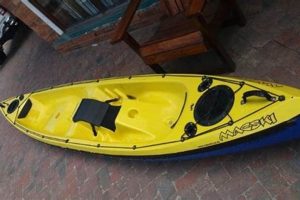
Kayak selection depends on individual needs and fishing environments. Sit-on-top kayaks offer stability and ease of access, while sit-inside kayaks provide greater protection from the elements. Factors such as intended fishing location (calm lakes, rivers, or open ocean), target species, and storage requirements influence the optimal choice. Shorter kayaks offer maneuverability, while longer kayaks excel in tracking and speed.
Question 2: What essential safety equipment should one carry while kayak fishing?
Essential safety gear includes a properly fitted personal flotation device (PFD), a whistle, a visual signaling device (mirror or flare), a first-aid kit, and communication equipment (waterproof VHF radio or satellite messenger). A float plan shared with a responsible individual is also highly recommended. Additional safety equipment, such as a bilge pump, paddle leash, and throw rope, may be beneficial depending on the fishing environment.
Question 3: How does one choose appropriate fishing gear for a kayak?
Rods and reels suitable for kayak fishing tend to be shorter and more compact than those used from shore or larger boats. Rod holders, tackle storage solutions, and specialized kayak fishing accessories enhance organization and efficiency. Lure selection depends on target species and fishing location. Discussions within online forums offer valuable insights into gear selection tailored to specific kayak fishing styles.
Question 4: What are effective techniques for fishing from a kayak?
Effective kayak fishing techniques often involve adapting traditional methods to the unique characteristics of a kayak. Drift fishing, trolling, and anchoring are common approaches. Precise paddle control and efficient kayak positioning enhance casting accuracy and lure presentation. Online forums provide a platform for sharing specialized techniques and tips tailored to kayak angling.
Question 5: What are the advantages of joining an online kayak fishing community?
Online kayak fishing communities offer numerous benefits, including access to collective knowledge, shared experiences, location-specific information, gear recommendations, and safety tips. These forums provide a platform for connecting with fellow anglers, learning from experienced paddlers, and contributing to a supportive community. Active participation within these communities enhances angling skills, promotes safe practices, and fosters a deeper appreciation for the sport.
Question 6: How can one contribute to conservation efforts while kayak fishing?
Practicing catch-and-release, minimizing environmental impact, and adhering to local regulations are essential conservation measures. Proper waste disposal, responsible anchoring practices, and avoiding sensitive habitats contribute to preserving aquatic ecosystems. Participating in cleanup initiatives and reporting pollution or invasive species sightings further demonstrates a commitment to responsible angling.
Careful consideration of these frequently addressed topics enhances safety, improves fishing success, and fosters responsible angling practices. Online kayak fishing communities provide valuable resources and support for anglers seeking to optimize their experience on the water.
This concludes the FAQ section. The following section will explore advanced techniques for kayak fishing.
Conclusion
This exploration of online kayak fishing communities reveals their significant impact on angling practices, safety awareness, and conservation efforts. These platforms function as valuable hubs for information exchange, enabling anglers to learn from collective experiences, access location-specific insights, refine techniques, and discuss essential gear. The emphasis on safety within these forums promotes responsible behavior on the water, mitigating risks and fostering a culture of preparedness. Furthermore, the active promotion of conservation practices within these communities contributes to the long-term health of aquatic ecosystems and the sustainability of the sport.
The future of kayak fishing hinges on the continued growth and development of these online communities. Active participation, responsible information sharing, and a collective commitment to ethical angling practices will ensure these platforms remain invaluable resources for anglers of all skill levels. These forums represent a powerful force for positive change within the sport, fostering camaraderie, promoting safety, and driving conservation efforts. Embracing the collaborative spirit of these online communities strengthens the future of kayak fishing and ensures its enjoyment for generations to come.