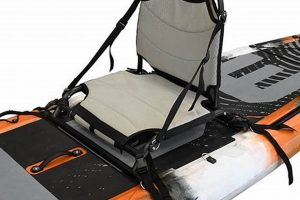
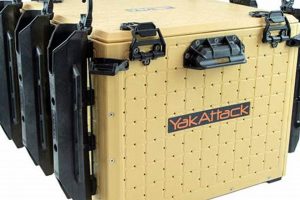
A community centered around angling from kayaks provides a platform for enthusiasts to connect. This can include online forums, social media groups, and in-person meetups. For example, individuals might share tips on rigging, discuss preferred locations, or organize group fishing trips. These connections facilitate learning, foster camaraderie, and contribute to the growth of the sport.
Such interconnected groups offer numerous advantages. They provide access to a collective knowledge base, enabling less experienced anglers to learn from seasoned veterans. Sharing local knowledge, including access points, tides, and fish behavior, can significantly improve fishing success. Furthermore, these communities promote safety by facilitating communication and enabling shared emergency preparedness. Historically, these networks may have started with local fishing clubs, but the internet and social media have significantly expanded their reach and impact, enabling global connections and information sharing.
This foundation of shared experience and knowledge provides a springboard for exploring more specific topics related to kayak angling, such as selecting appropriate gear, mastering paddling techniques, understanding fish behavior, and practicing ethical fishing.
Kayak Fishing Tips
Effective kayak angling requires careful planning and execution. These tips offer guidance for enhancing on-the-water experiences and promoting success.
Tip 1: Prioritize Stability: Selecting a kayak with appropriate stability is crucial, especially for beginners. Wider kayaks offer greater initial stability, while longer, narrower kayaks provide better tracking and speed. Consider individual needs and fishing conditions.
Tip 2: Master Paddle Strokes: Efficient paddling conserves energy and allows anglers to reach desired locations effectively. Practicing basic strokes, such as the forward stroke, reverse stroke, and sweep stroke, enhances maneuverability and control.
Tip 3: Rig for Success: Organizing tackle and gear within easy reach is essential. Utilize rod holders, tackle boxes, and storage compartments strategically to maximize efficiency and minimize clutter.
Tip 4: Understand Fish Behavior: Researching target species’ habits and preferred habitats improves angling success. Consider factors such as water temperature, depth, and prey availability when selecting fishing locations.
Tip 5: Emphasize Safety: Wearing a personal flotation device (PFD) is paramount. Additionally, carrying a whistle, communication device, and basic first-aid kit enhances preparedness for unexpected situations.
Tip 6: Respect the Environment: Practicing catch-and-release fishing helps conserve fish populations. Properly disposing of fishing line and other waste minimizes environmental impact.
Tip 7: Check Local Regulations: Awareness of local fishing regulations, including licensing requirements and size limits, ensures compliance and contributes to sustainable fishing practices.
By focusing on these key areas, anglers can improve their skills, enhance their enjoyment of the sport, and contribute to a responsible and sustainable angling community. These practices promote a positive and rewarding experience on the water.
These insights provide a solid foundation for exploring more advanced techniques and strategies within kayak fishing. Building upon these fundamentals enables anglers to continually refine their skills and deepen their understanding of the sport.
1. Online Forums

Online forums represent a vital component of the broader kayak fishing network, providing a digital space for enthusiasts to connect and share information. These platforms foster community and contribute significantly to the growth and development of the sport.
- Knowledge Sharing:
Forums facilitate the exchange of practical knowledge, ranging from basic rigging techniques to advanced fishing strategies. Experienced anglers can share insights and advice, while newcomers can ask questions and learn from the collective expertise. For example, a forum thread might discuss the optimal setup for targeting specific fish species in a particular region, offering valuable guidance to anglers unfamiliar with the area.
- Community Building:
These platforms foster a sense of camaraderie among anglers. Discussions often extend beyond fishing techniques, encompassing topics such as equipment reviews, trip reports, and conservation efforts. This creates a supportive environment where individuals can connect with like-minded enthusiasts and build lasting relationships.
- Safety Information Dissemination:
Online forums play a crucial role in promoting safe angling practices. Discussions about water safety, emergency preparedness, and navigation techniques contribute to a more informed and responsible community. Sharing personal experiences, including near-misses or rescue situations, provides valuable lessons and reinforces the importance of safety precautions.
- Local Information Exchange:
Forums often contain region-specific sub-forums or threads where anglers can share local insights, including access points, tides, and prevalent fish species. This localized information exchange is invaluable for both residents and visiting anglers, enabling them to maximize their fishing success and explore new waters safely and efficiently.
These interconnected facets of online forums collectively enhance the kayak fishing experience. They provide a platform for learning, foster a sense of community, and promote safe and responsible angling practices. By actively participating in these online spaces, individuals contribute to the growth and sustainability of the broader kayak fishing network.
2. Social Media Groups

Social media groups represent a dynamic component of the contemporary kayak fishing network. These platforms facilitate rapid information dissemination and foster a sense of community among geographically dispersed anglers. Cause and effect relationships are readily apparent. A posted image of a successful catch can spark discussions about techniques, equipment, and location. Conversely, a question about rigging can elicit multiple responses offering diverse perspectives and solutions. This dynamic exchange contributes to a constantly evolving knowledge base accessible to all members.
The importance of social media groups within the broader network stems from their accessibility and immediacy. Real-life examples illustrate this significance. An angler encountering difficulty launching in challenging conditions might post a query in a relevant group, receiving real-time advice from experienced paddlers. Similarly, a lost piece of equipment might be quickly located through a network query, minimizing disruption and expense. These practical applications underscore the value of these platforms for problem-solving and mutual support. Furthermore, group members often organize meetups and fishing trips, fostering real-world connections that extend beyond the digital realm.
In summary, social media groups offer a powerful mechanism for connecting anglers, sharing knowledge, and building community. While challenges such as misinformation and online etiquette require ongoing consideration, the benefits of these platforms for enhancing the kayak fishing experience are undeniable. Understanding their role within the larger network empowers anglers to leverage these resources effectively, contributing to a safer, more informed, and more connected angling community.
3. Local Clubs
Local clubs represent a foundational element within the broader kayak fishing network, providing opportunities for in-person connection and localized knowledge sharing. These organizations offer a tangible link between the digital and physical aspects of the angling community, fostering camaraderie and promoting responsible fishing practices.
- Skill Development:
Clubs frequently organize workshops and on-the-water training sessions led by experienced members. These opportunities facilitate skill development in areas such as paddling technique, knot tying, and fish identification. A novice angler can gain valuable practical experience through participation in a club-sponsored introductory kayak fishing course, acquiring essential skills for safe and successful angling.
- Resource Sharing:
Local clubs often maintain a shared pool of resources, such as safety equipment, fishing gear, and launch site information. This resource sharing reduces individual costs and promotes collaborative angling practices. For example, a club might organize a group purchase of PFDs, ensuring all members have access to essential safety gear at a reduced price.
- Conservation Advocacy:
Many local clubs actively participate in conservation efforts, organizing cleanup events, advocating for responsible fishing regulations, and promoting habitat restoration projects. This local engagement fosters environmental stewardship and contributes to the long-term health of aquatic ecosystems. A club might partner with a local conservation organization to remove debris from a popular fishing area, demonstrating a commitment to preserving natural resources.
- Social Connection:
Beyond the practical benefits, local clubs offer a crucial social dimension, providing opportunities for anglers to connect face-to-face, build friendships, and foster a sense of community. Regular club meetings, fishing trips, and social gatherings create a supportive network where individuals can share experiences, exchange information, and celebrate their shared passion for kayak fishing.
These interconnected aspects of local clubs contribute significantly to the strength and vitality of the broader kayak fishing network. By facilitating skill development, resource sharing, conservation advocacy, and social connection, these organizations enhance the individual angling experience and promote the responsible and sustainable growth of the sport. The combination of online connectivity and localized engagement through clubs creates a robust and supportive network that benefits anglers of all skill levels and backgrounds.
Shared knowledge forms the cornerstone of any thriving kayak fishing network. The free exchange of information, from basic rigging techniques to advanced fishing strategies, empowers individuals, strengthens the collective, and contributes to the overall advancement of the sport. This interconnectedness creates a positive feedback loop. As individuals contribute their expertise and experiences, the collective knowledge base expands, benefiting all members. This, in turn, encourages further sharing, creating a dynamic and evolving resource.
Consider the practical implications. A novice angler struggling with paddle control might find solutions through shared knowledge within the network, gaining access to instructional videos, expert advice, and practical tips. Conversely, a seasoned angler might discover new fishing grounds or effective baiting strategies through shared local knowledge within the network. These real-life examples illustrate the tangible benefits of shared knowledge, empowering individuals to improve their skills, expand their horizons, and enhance their overall fishing experience. Moreover, shared knowledge fosters a sense of community, connecting individuals through a common passion and creating a supportive environment for learning and growth.
The significance of shared knowledge extends beyond individual skill development. The dissemination of safety information, including best practices for navigation, emergency procedures, and weather awareness, contributes to a safer angling environment for all. Similarly, sharing information about conservation efforts, responsible fishing practices, and local regulations promotes environmental stewardship and ensures the long-term sustainability of the sport. While challenges such as misinformation and the verification of shared knowledge require ongoing attention, the benefits derived from this collaborative approach are undeniable. Cultivating a culture of open communication and knowledge sharing remains essential for the continued growth and positive evolution of the kayak fishing network.
5. Safety Information

Safety information represents a critical component of a responsible kayak fishing network. Access to reliable safety guidelines and best practices directly impacts angler well-being and contributes to a more secure environment on the water. Understanding and disseminating this information is paramount for fostering a sustainable and responsible angling community.
- Emergency Procedures
Knowledge of emergency procedures, including self-rescue techniques and communication protocols, is essential for mitigating risks associated with kayak fishing. A capsized kayak in cold water presents a life-threatening situation; understanding how to re-enter the kayak and summon assistance can be crucial for survival. Networks facilitate the sharing of these procedures, providing access to instructional resources and expert advice.
- Navigation and Weather Awareness
Safe navigation requires understanding tides, currents, and potential hazards such as submerged obstacles. Weather awareness, including monitoring forecasts and recognizing changing conditions, is equally crucial. A sudden squall can create dangerous conditions for kayakers; access to real-time weather updates and advice through the network can avert hazardous situations.
- Equipment Maintenance and Safety Checks
Regular equipment maintenance, including inspecting kayaks for damage and ensuring proper functioning of safety gear, is fundamental to safe angling practices. A faulty PFD or a damaged paddle can compromise angler safety; network resources provide guidance on proper maintenance procedures and recommended safety checks.
- Responsible Angling Practices
Responsible angling practices, such as avoiding overcrowded areas and respecting wildlife, contribute to overall safety. Collisions between kayaks or disturbances to nesting birds can be avoided through mindful angling behavior; the network serves as a platform for promoting these practices and fostering a culture of safety consciousness.
The dissemination of safety information within a kayak fishing network creates a safer and more responsible angling community. By sharing best practices, emergency procedures, and relevant resources, these networks contribute to minimizing risks and promoting informed decision-making on the water. This interconnected approach to safety empowers individuals and strengthens the collective, ensuring a more sustainable and enjoyable experience for all anglers.
Frequently Asked Questions
This section addresses common inquiries regarding engagement within kayak fishing communities, offering practical insights and clarifying potential misconceptions.
Question 1: How can one find a suitable online network?
Researching online forums and social media groups dedicated to kayak fishing is recommended. Consider geographic focus, target species, and skill level when selecting a community.
Question 2: Are there safety considerations specific to online communities?
Verifying information obtained online with reputable sources is crucial. Exercise caution when sharing personal information and be mindful of online etiquette guidelines.
Question 3: What are the benefits of joining a local kayak fishing club?
Local clubs provide opportunities for in-person interaction, skill development through workshops, and access to shared resources. They often foster a strong sense of community.
Question 4: How can participation in these networks contribute to conservation efforts?
Many networks promote responsible fishing practices and organize conservation initiatives. Engaging in these activities fosters environmental stewardship and protects aquatic ecosystems.
Question 5: What if local regulations differ from information shared online?
Local regulations always supersede information found online. Consulting official government resources for current regulations is imperative before fishing in any location.
Question 6: How can one contribute positively to online discussions?
Sharing accurate information, engaging respectfully with other members, and adhering to community guidelines contribute positively to online discussions.
Active participation in online and offline communities enhances the overall kayak fishing experience. Engaging thoughtfully contributes to a well-informed, supportive, and responsible angling environment.
This concludes the FAQ section. The following sections will delve deeper into specific techniques and strategies related to kayak fishing.
Kayak Fishing Network
This exploration of the multifaceted nature of kayak fishing networks has highlighted their crucial role in fostering community, disseminating knowledge, and promoting safe and responsible angling practices. From online forums and social media groups to local clubs, these interconnected platforms empower individuals, enhance the angling experience, and contribute to the overall growth and sustainability of the sport. The examination of shared knowledge and its impact on skill development, safety practices, and conservation efforts underscores the collective power of these networks. Furthermore, the emphasis on safety information dissemination reinforces the commitment to angler well-being and responsible on-the-water conduct.
The continued evolution and expansion of kayak fishing networks hold significant promise for the future of the sport. As technology advances and communication channels diversify, these networks will play an increasingly vital role in connecting anglers, fostering collaboration, and advocating for sustainable fishing practices. Active participation and responsible engagement within these communities remain essential for fostering a thriving and sustainable future for kayak fishing.