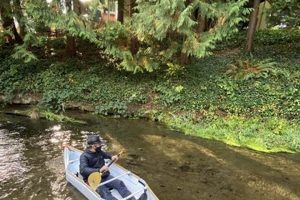
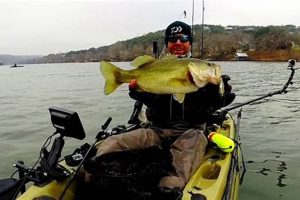
The pursuit of finned quarry from small, human-powered vessels offers a unique blend of angling and paddling within the First State’s diverse waterways. This activity provides access to shallow-water habitats often inaccessible by larger, motorized boats, allowing anglers to target species such as flounder, striped bass, and weakfish.
This method of fishing fosters a closer connection with nature, promoting physical activity and environmental stewardship. Historically, small boats have been utilized for fishing in Delaware’s bays, rivers, and marshes. Modern advancements in kayak design and fishing gear have elevated this traditional practice into a popular recreational activity, contributing to the state’s tourism and outdoor recreation economy.
The following sections will explore specific locations suitable for this pursuit, recommended equipment and techniques, licensing requirements, and safety considerations for anglers.
Tips for Kayak Fishing in Delaware
Preparation and awareness are critical for a successful and safe fishing experience from a kayak. The following tips offer guidance for anglers of all skill levels.
Tip 1: Check Weather Conditions: Prior to embarking on any trip, consult marine weather forecasts. Wind speed, wave height, and tidal currents can significantly impact kayak handling and overall safety. Postponing trips due to adverse conditions prioritizes angler well-being.
Tip 2: File a Float Plan: Inform someone on shore of the intended fishing location, launch time, and expected return. This ensures that assistance can be readily dispatched in case of an emergency.
Tip 3: Utilize Appropriate Safety Gear: Wearing a personal flotation device (PFD) is paramount. Carrying a whistle, signaling mirror, and VHF radio enhances communication capabilities in distress situations. A first-aid kit and essential tools for minor kayak repairs should also be on board.
Tip 4: Understand Tidal Flows: Delaware’s waterways experience significant tidal fluctuations. Familiarization with tide charts assists in navigating currents efficiently and accessing shallow-water fishing grounds.
Tip 5: Practice Kayak Control: Developing proficient paddling and maneuvering skills before venturing into open water ensures stability and control in various conditions. Practicing self-rescue techniques is also essential.
Tip 6: Respect Wildlife and Habitats: Observe wildlife from a safe distance, avoid disturbing nesting areas, and adhere to catch-and-release guidelines whenever possible. Proper disposal of fishing line and other refuse minimizes environmental impact.
Tip 7: Obtain Necessary Licenses and Permits: Ensure compliance with Delaware’s fishing regulations by acquiring the appropriate licenses and permits before fishing.
Adhering to these guidelines enhances both safety and enjoyment on the water, allowing anglers to focus on the rewarding aspects of kayak fishing.
By prioritizing safety and responsible angling practices, individuals can contribute to the preservation of Delaware’s aquatic ecosystems for future generations of kayak anglers.
1. Location Selection

Strategic location selection is paramount for successful kayak fishing in Delaware. The diverse waterways offer a range of habitats, each suited to specific species and requiring consideration of tidal influences and accessibility. Choosing the right location directly impacts angling success and overall experience.
- Inland Bays:
These shallow, protected estuaries offer excellent opportunities for targeting flounder, weakfish, and summer flounder. Launch sites within the Inland Bays provide access to calmer waters, ideal for less experienced kayakers. Tidal creeks and grass beds within the bays serve as productive fishing grounds. However, navigating these areas requires careful consideration of tidal fluctuations and shallow-water hazards.
- Delaware Bay:
The Delaware Bay presents a more challenging environment with stronger currents and greater depths. This larger body of water attracts migratory species such as striped bass and bluefish. Kayak anglers targeting these species often launch from designated areas along the shoreline or utilize boat ramps. Navigating the bay requires careful attention to tides, wind conditions, and vessel traffic.
- Tidal Rivers:
Rivers like the Brandywine, Christina, and Nanticoke offer diverse fishing opportunities, including freshwater species like largemouth bass and catfish. Kayak access to these rivers allows anglers to explore upstream areas inaccessible to larger boats. River currents, submerged obstacles, and tidal influences should be factored into location choices.
- Coastal Marshes:
Delaware’s coastal marshes provide unique habitats for species such as black drum and redfish. Navigating these shallow, often complex waterways requires specialized kayaks and a thorough understanding of tides and local regulations. These areas offer a more secluded and challenging kayak fishing experience.
By carefully evaluating the characteristics of each location, anglers can effectively target desired species while maximizing safety and enjoyment. Matching location selection with target species, experience level, and prevailing conditions contributes significantly to a successful kayak fishing excursion in Delaware.
2. Essential Equipment

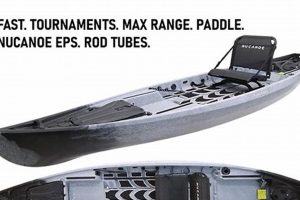
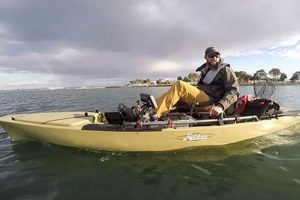
Appropriate equipment is fundamental to safe and successful kayak fishing in Delaware. Equipment choices directly influence an angler’s ability to navigate diverse waterways, target specific species, and respond effectively to changing conditions. This necessitates careful consideration of both functionality and safety implications. For example, a stable, sit-on-top kayak designed for fishing provides a secure platform in Delaware’s often choppy bay waters, while a lighter, more maneuverable kayak might be preferred for navigating the shallow creeks of the Inland Bays. Rod and reel selection should align with targeted species; heavier tackle suits striped bass in the Delaware Bay, while lighter setups are appropriate for flounder in calmer waters.
Beyond the kayak itself, essential safety equipment plays a critical role. A properly fitted personal flotation device (PFD) is non-negotiable. Communication devices, such as a VHF radio or a whistle, are crucial for signaling in emergencies, particularly in the more remote areas of the Delaware Bay or coastal marshes. Navigation tools, including a GPS unit and charts, aid in accurate positioning and route planning, especially considering the influence of tides and currents. Furthermore, carrying essential tools and a first-aid kit prepares anglers for unforeseen circumstances, from minor kayak repairs to addressing injuries.
Effective equipment selection hinges on understanding the specific challenges and opportunities presented by Delaware’s diverse fishing environments. Careful consideration of these factors allows anglers to make informed decisions, enhancing both safety and the likelihood of a successful fishing trip. Ultimately, proper equipment contributes significantly to responsible and enjoyable kayak fishing experiences within the state.
3. Targeted Species
Delaware’s diverse aquatic ecosystems support a variety of fish species, making targeted angling a key aspect of kayak fishing within the state. Understanding the preferred habitats and seasonal patterns of these species is crucial for successful angling. The selection of fishing location, tackle, and techniques should align with the specific target species. This knowledge enhances angling success and promotes responsible fishing practices.
- Flounder:
Summer flounder, a popular target for kayak anglers, inhabit the shallow, sandy flats of Delaware’s Inland Bays and coastal areas. Their camouflage and bottom-dwelling habits necessitate specific angling techniques, such as drifting live bait or employing bucktail jigs along the seabed. Targeting flounder from a kayak offers an advantage due to the stealth and maneuverability afforded by smaller vessels, allowing access to shallow areas inaccessible to larger boats.
- Striped Bass:
Striped bass, prized for their fighting spirit and culinary value, migrate through Delaware’s waters seasonally. Kayak anglers target these fish in the Delaware Bay and its tributaries, often utilizing trolling or casting techniques with lures that mimic the baitfish on which striped bass prey. The mobility of a kayak allows anglers to cover a wider area and follow schools of migrating fish.
- Weakfish:
Weakfish, also known as sea trout, are another sought-after species found in Delaware’s estuaries and coastal waters. They prefer areas with structure, such as oyster beds or channel edges. Kayak anglers often target weakfish using light tackle and soft plastic lures, taking advantage of the kayak’s quiet approach to avoid spooking these wary fish.
- Black Drum:
Black drum inhabit Delaware’s coastal marshes and inlets, presenting a unique challenge for kayak anglers. These powerful fish require heavier tackle and specialized techniques, such as fishing near structure with crab or clam bait. Kayaks provide access to the shallow, often inaccessible areas favored by black drum.
By understanding the specific behaviors and habitats of these and other targeted species, kayak anglers can effectively select appropriate locations, employ suitable techniques, and increase their chances of success. This targeted approach also promotes conservation by minimizing bycatch and focusing fishing efforts on specific populations.
4. Safety Precautions
Safety precautions are paramount in kayak fishing within Delaware waters. The combination of open water, variable weather conditions, and the inherent instability of small vessels necessitates a proactive approach to risk management. Neglecting safety protocols can lead to serious consequences, ranging from equipment damage and minor injuries to life-threatening situations. A clear understanding of potential hazards and the implementation of appropriate safety measures are essential for mitigating these risks. For example, venturing into the Delaware Bay without checking the marine forecast can expose kayakers to unexpected high winds and choppy waters, creating a dangerous situation even for experienced paddlers. Similarly, neglecting to wear a personal flotation device (PFD) drastically increases the risk of drowning in the event of a capsize, especially in colder water temperatures.
Several factors contribute to the importance of safety precautions within the context of kayak fishing in Delaware. The state’s waterways, including the Delaware Bay, Inland Bays, and numerous rivers and creeks, present unique challenges. Tidal currents, fluctuating water levels, and potential encounters with larger vessels necessitate heightened awareness. Weather conditions can change rapidly, requiring anglers to monitor forecasts and adapt their plans accordingly. Furthermore, the relatively isolated nature of some fishing locations underscores the importance of self-sufficiency and preparedness. Carrying essential safety gear, such as a VHF radio, signaling devices, and a first-aid kit, becomes crucial in these circumstances. Understanding these elements and acting accordingly enhances the likelihood of a safe and enjoyable experience. For instance, anglers fishing in the shallows of the Inland Bays should be aware of changing tides and potential shallow water hazards, while those venturing into the Delaware Bay must account for stronger currents and larger vessel traffic.
Prioritizing safety precautions contributes significantly to a positive and sustainable kayak fishing experience in Delaware. Consistent adherence to safety protocols minimizes the potential for accidents and promotes responsible enjoyment of the states aquatic resources. Preparation, awareness, and a proactive approach to risk management are crucial for all kayak anglers, regardless of experience level. This includes a thorough understanding of local regulations, navigation best practices, and emergency procedures. Ultimately, a commitment to safety ensures the well-being of anglers and contributes to the preservation of Delawares waterways for future generations.
5. Tidal Awareness

Tidal awareness is critical for kayak fishing in Delaware. The state’s coastal waters, including the Delaware Bay and Inland Bays, experience significant tidal fluctuations that directly impact navigation, access to fishing grounds, and overall safety. Understanding tidal currents, water levels, and their influence on fish behavior is essential for a successful and safe fishing experience. Failure to account for tidal influences can lead to becoming stranded in shallow water, encountering hazardous currents, or missing prime fishing opportunities. For example, launching a kayak at high tide into a shallow creek without considering the receding water levels can result in becoming grounded during the outgoing tide. Conversely, attempting to paddle against a strong incoming tide can be physically demanding and potentially dangerous.
Tidal currents influence fish behavior and feeding patterns. Certain species, such as flounder and striped bass, move with the tides to access feeding areas. Understanding these patterns allows anglers to position themselves strategically and optimize fishing success. For instance, fishing near inlets or channel edges during a moving tide can concentrate fish and increase the likelihood of a catch. Moreover, tidal flows create eddies and slack water areas that provide refuge for smaller fish and attract larger predators. Recognizing these nuances is crucial for targeting specific species. Neglecting tidal considerations can lead to fishing in unproductive areas or missing peak feeding windows. Additionally, tidal currents impact kayak handling, especially in narrower channels or inlets. Strong currents can create challenging paddling conditions and necessitate adjustments in technique and route planning.
In summary, tidal awareness is an indispensable component of successful and safe kayak fishing in Delaware. Understanding tidal cycles, currents, and their influence on fish behavior allows anglers to make informed decisions about location selection, fishing strategy, and navigation. This knowledge enhances the overall fishing experience and minimizes potential risks associated with tidal fluctuations in Delaware’s dynamic coastal waters. Consulting tide charts, observing local water conditions, and understanding the specific tidal characteristics of chosen fishing locations are crucial for maximizing fishing success and ensuring angler safety.
6. Regulations/Licensing
Adherence to Delaware’s fishing regulations and licensing requirements is essential for the sustainability of kayak fishing within the state. These regulations, established by the Delaware Department of Natural Resources and Environmental Control (DNREC), govern aspects such as catch limits, size restrictions, permitted fishing methods, and seasonal closures. These measures aim to protect fish populations, maintain healthy ecosystems, and ensure equitable access to resources for all anglers. Ignoring these regulations can result in fines, confiscation of equipment, and suspension of fishing privileges. For example, exceeding the catch limit for summer flounder, a popular target for kayak anglers in the Inland Bays, can result in penalties and contribute to the depletion of this valuable resource. Similarly, using illegal fishing methods, such as netting from a kayak, disrupts the balance of the ecosystem and undermines fair angling practices.
Obtaining the appropriate fishing license before embarking on a kayak fishing trip in Delaware is mandatory. Licenses can be obtained online, at DNREC offices, or from authorized agents throughout the state. Different license types cater to residents, non-residents, and specific age groups. Possessing a valid fishing license demonstrates compliance with regulations and supports conservation efforts funded through license fees. These funds contribute to habitat restoration, fish stocking programs, and enforcement of regulations, ultimately benefiting the long-term health of Delaware’s fisheries and the sustainability of kayak fishing. Furthermore, understanding specific regulations related to kayak fishing, such as the requirement for proper vessel registration and display of identification numbers, is crucial for avoiding legal issues and ensuring a smooth and enjoyable fishing experience.
Compliance with regulations and proper licensing safeguards Delaware’s aquatic resources and ensures the future of kayak fishing within the state. Understanding and adhering to these rules fosters a culture of responsible angling, contributing to the preservation of healthy fish populations and the continued enjoyment of this popular recreational activity for generations to come. Resources such as the DNREC website and local bait and tackle shops provide detailed information on current regulations and licensing requirements, empowering kayak anglers to fish legally and ethically.
Frequently Asked Questions
This section addresses common inquiries regarding kayak fishing in Delaware, providing concise and informative responses to assist anglers in planning safe and productive fishing excursions.
Question 1: What are the most productive areas for kayak fishing in Delaware?
Productive areas vary depending on targeted species. The Inland Bays are known for flounder and weakfish, while the Delaware Bay offers opportunities for striped bass and bluefish. Tidal rivers and coastal marshes provide diverse habitats for various species.
Question 2: What type of kayak is best suited for fishing in Delaware?
Stable, sit-on-top kayaks designed for fishing are generally recommended. These provide ample storage, stability in choppy waters, and specialized features for angling. Kayak selection should also consider the specific fishing location and target species.
Question 3: What safety equipment is essential for kayak fishing?
Essential safety equipment includes a personal flotation device (PFD), a whistle, a signaling mirror, a VHF radio, a first-aid kit, and basic repair tools. Navigation tools such as a GPS and charts are also recommended.
Question 4: Are there specific regulations for kayak fishing in Delaware?
Yes, Delaware requires a valid fishing license for all anglers, including those fishing from kayaks. Specific regulations apply to catch limits, size restrictions, and permitted fishing methods. Compliance with these regulations is crucial.
Question 5: How do tides affect kayak fishing in Delaware?
Tides significantly impact navigation, access to fishing grounds, and fish behavior. Consulting tide charts and understanding tidal currents is essential for planning a safe and productive fishing trip.
Question 6: Where can one obtain information on licensing and regulations?
Detailed information on licensing requirements and current fishing regulations can be found on the Delaware Department of Natural Resources and Environmental Control (DNREC) website or obtained from authorized license agents.
Understanding these key aspects contributes to a more informed and successful kayak fishing experience in Delaware. Prioritizing safety and adhering to regulations ensures the sustainability of this popular recreational activity.
Further resources and information can be found on the DNREC website and through local angling organizations.
Kayak Fishing Delaware
Exploration of this popular pursuit reveals the multifaceted nature of angling within the First State’s diverse waterways. From the tranquil Inland Bays to the dynamic currents of the Delaware Bay, opportunities abound for anglers seeking a unique and rewarding experience. Careful consideration of location selection, essential equipment, targeted species, safety precautions, tidal awareness, and regulations contributes significantly to successful and responsible angling practices. This overview has provided insights into these crucial elements, emphasizing the importance of preparation, informed decision-making, and respect for Delaware’s aquatic ecosystems.
The future of this activity relies on continued adherence to conservation principles and responsible angling practices. Sustainable resource management, respect for wildlife, and a commitment to ethical angling ensure the preservation of Delaware’s aquatic treasures for future generations. Individuals engaging in this pursuit are encouraged to prioritize safety, remain informed about current regulations, and contribute to the stewardship of Delaware’s invaluable natural resources. By embracing these principles, anglers can help ensure the enduring legacy of this unique and rewarding pastime within the First State.