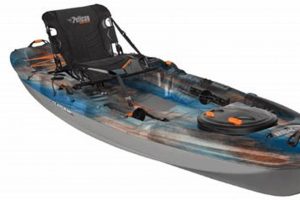
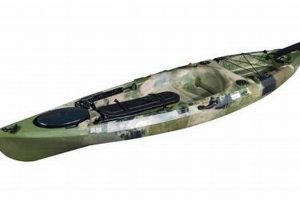
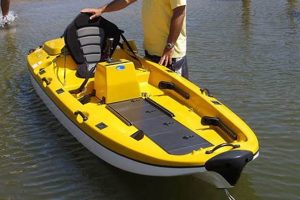
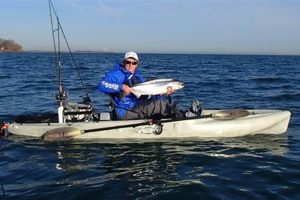
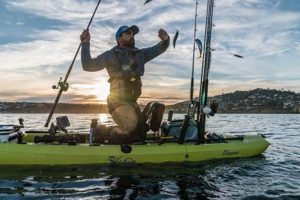
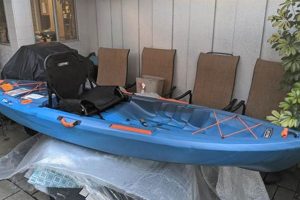
This activity involves angling from a small, human-powered vessel in large, exposed bodies of water like lakes, oceans, or large reservoirs. It differs significantly from fishing in sheltered coves, rivers, or protected bays due to the potential exposure to wind, waves, and currents. This often requires specialized equipment, advanced paddling skills, and a heightened awareness of safety precautions.
Venturing further from shore allows access to a greater diversity and often larger size of fish species. The self-propelled nature of kayaking offers a quiet, stealthy approach, minimizing disturbance to fish and enhancing the angling experience. Historically, kayaks have been used for fishing for millennia by various cultures, but the modern sport has evolved with advances in kayak design, fishing tackle, and safety equipment, making it an increasingly popular recreational activity.
Key considerations for this type of fishing include appropriate kayak selection, essential safety gear, navigation techniques, and specialized fishing methods. Understanding weather patterns, water conditions, and potential hazards are also critical for a successful and safe experience. Further exploration of these topics will provide a comprehensive guide to this exciting pursuit.
Tips for Open Water Kayak Angling
Preparation and awareness are crucial for a safe and successful experience. The following tips offer guidance for anglers venturing into exposed waters.
Tip 1: Choose the Right Kayak: Longer, wider kayaks offer greater stability in rough conditions, while sit-on-top models facilitate easier re-entry after a capsize. Consider specialized fishing kayaks with features like rod holders, anchor trolleys, and storage compartments.
Tip 2: Prioritize Safety Equipment: A personal flotation device (PFD) is essential, along with a signaling device like a whistle or VHF radio. A bilge pump, paddle leash, and first-aid kit should also be included.
Tip 3: Check Weather Forecasts: Wind, waves, and current conditions can significantly impact safety and fishing success. Always check the forecast before departure and be prepared to adjust plans if necessary.
Tip 4: Practice Self-Rescue Techniques: Knowing how to re-enter a kayak after a capsize is essential. Practice these skills in calm water before venturing into open waters.
Tip 5: Inform Someone of Your Plans: Always share your intended fishing location, departure time, and expected return with a friend or family member.
Tip 6: Employ Proper Navigation Techniques: Carry a chart, compass, or GPS device and be familiar with their use. Be aware of potential hazards like reefs, shallow areas, and shipping lanes.
Tip 7: Utilize Appropriate Fishing Gear and Techniques: Shorter rods and heavier tackle are often preferable in open water conditions. Consider techniques like trolling or drift fishing, which can be effective in covering larger areas.
Adhering to these guidelines significantly enhances angler safety and contributes to a positive experience. Thorough preparation empowers individuals to confidently enjoy the challenges and rewards this activity offers.
By understanding these core elements, anglers can effectively prepare for their next excursion.
1. Kayak Selection

Appropriate kayak selection is fundamental to a safe and successful open-water fishing experience. The vessel must provide stability, storage, and features conducive to angling in exposed conditions. Choosing the correct kayak significantly impacts maneuverability, safety, and overall enjoyment.
- Hull Design:
Hull design dictates stability and performance in various water conditions. Longer, narrower hulls track efficiently and glide through the water, while shorter, wider hulls offer greater initial stability. A sit-on-top design allows for easier re-entry after a capsize, a crucial safety consideration in open water. For example, a longer, narrower hull might be suitable for paddling long distances in calm conditions, but a shorter, wider hull would be preferable in choppy water or when frequent casting is required.
- Length and Width:
Longer kayaks typically track straighter and offer more storage space, advantageous for covering greater distances and carrying necessary gear. Wider kayaks provide enhanced stability, essential in unpredictable open water conditions. A 12-foot kayak might suffice for calmer waters, while a 14-foot kayak offers greater speed and storage capacity, beneficial for longer trips or challenging conditions. Wider kayaks, generally over 30 inches, are favored for stability, particularly important when standing to cast.
- Features and Accessories:
Specialized features enhance the angling experience. Rod holders, anchor trolleys, and dedicated storage compartments for tackle and gear contribute to organization and efficiency. An anchor trolley allows controlled drift fishing, while integrated rod holders secure rods during paddling. Ample storage ensures essential equipment remains dry and accessible.
- Weight Capacity:
The kayak’s weight capacity must accommodate the angler’s weight, fishing gear, and any additional equipment. Exceeding the capacity compromises stability and performance. Careful consideration of weight distribution within the kayak is also crucial for balance and maneuverability.
These facets of kayak selection directly impact performance and safety in open water. Matching the kayak’s characteristics to the intended environment and fishing style ensures a comfortable, efficient, and secure angling experience. Careful consideration of these factors contributes significantly to overall enjoyment and success on the water.
2. Safety Gear

Safety equipment is paramount in open water kayak fishing due to the inherent risks associated with exposed environments. Unpredictable weather, changing water conditions, and distance from shore necessitate comprehensive safety measures. Proper gear selection and utilization mitigate potential hazards, ensuring angler well-being and facilitating a positive experience.
- Personal Flotation Device (PFD):
A properly fitted PFD is non-negotiable. It provides buoyancy and support in the event of a capsize or accidental immersion. A PFD designed specifically for paddling allows for a greater range of motion while casting and reeling. Inflatable PFDs offer comfort and freedom of movement, but require regular inspection and maintenance.
- Signaling Devices:
Visual and auditory signaling devices are essential for attracting attention in emergencies. A whistle attached to the PFD provides an immediate auditory signal. A VHF radio enables direct communication with the Coast Guard and other vessels, crucial for conveying precise location information in distress situations. Flares or a signal mirror provide visual distress signals, enhancing visibility over long distances.
- Navigation and Communication Equipment:
Navigational aids and communication tools enhance safety by facilitating accurate positioning and enabling contact with others. A GPS unit or chartplotter provides precise location data and aids in route planning. A compass serves as a backup navigation tool, especially in areas with limited electronic signal coverage. A fully charged mobile phone in a waterproof case can be used for communication in areas with cellular service.
- Safety Accessories:
Additional safety accessories further mitigate potential risks. A bilge pump removes water from the kayak’s hull after a capsize or wave intrusion. A paddle leash prevents losing the paddle in rough conditions. A first-aid kit equipped to handle common injuries, including cuts, abrasions, and sun exposure, is essential. Carrying a knife or multi-tool provides a means of cutting lines or performing other emergency tasks.
These safety precautions contribute significantly to angler well-being in the dynamic open water environment. Careful selection, regular maintenance, and familiarity with the use of safety equipment are crucial for mitigating risks and ensuring a safe and enjoyable fishing experience. Prioritizing safety allows anglers to confidently focus on the sport, knowing they are prepared for potential challenges.

Proficient navigation is crucial for safe and successful open water kayak fishing. The open environment presents unique challenges, including limited visibility of landmarks, changing weather conditions, and the potential for disorientation due to currents and wind. Strong navigational skills enable anglers to maintain their bearings, reach desired fishing locations efficiently, and return safely to shore. Failure to navigate effectively can lead to becoming lost, delaying return trips, or encountering hazardous situations. For instance, strong currents can quickly carry a kayak off course, especially in fog or reduced visibility. Without proper navigation, returning to the launch point becomes significantly more challenging.
Several tools and techniques contribute to effective open-water navigation. Charts, compasses, and GPS devices provide essential positional information. Understanding how to interpret nautical charts, take accurate compass bearings, and utilize GPS technology is paramount. Equally important is the ability to estimate distances and travel times based on paddling speed and prevailing conditions. Regularly checking position against visible landmarks helps confirm accuracy and maintain situational awareness. For example, aligning a compass bearing with a distant landmark allows for maintaining a straight course, even in the absence of clear visibility. Furthermore, understanding tidal flows and currents is vital for planning efficient routes and avoiding hazardous areas.
Mastering navigational skills empowers anglers to explore open water confidently and safely. It facilitates efficient travel to desired fishing spots, aids in locating productive fishing grounds, and ensures a safe return. This competence minimizes the risk of disorientation and enhances the overall fishing experience. By combining traditional navigation techniques with modern GPS technology, open water kayak anglers can maximize their time on the water while prioritizing safety and situational awareness. Continual practice and refinement of these skills are essential for any angler venturing into the open water environment.
4. Fishing Techniques
Effective fishing techniques in open water kayaking differ significantly from those employed in calmer, shallower environments. The exposed nature of open water necessitates adaptations in tackle, retrieval methods, and overall approach. These adaptations account for factors such as wind, waves, currents, and the greater depths and distances often encountered. Choosing appropriate techniques directly impacts fishing success and angler safety. For example, using heavier tackle and stronger lines compensates for the increased fight of larger fish often found in open water and the potential for stronger currents. Similarly, adjusting lure retrieval speed and action to mimic the movement of local prey species enhances effectiveness. Drift fishing techniques, where the kayak drifts naturally with the current or wind, can be highly effective for covering larger areas and targeting specific depths.
Trolling, a method involving dragging lures or baited lines behind a moving kayak, proves particularly advantageous in open water. This technique allows anglers to cover vast distances, exploring different depths and attracting pelagic fish species. However, trolling speed must be carefully controlled to maintain proper lure action and avoid line tangles. Moreover, the use of planer boards or downriggers can enhance trolling effectiveness by presenting lures at specific depths and spreading them across a wider area. When targeting bottom-dwelling species, techniques like vertical jigging or bottom fishing with heavier weights are often necessary to reach the desired depths and maintain contact with the seabed despite currents and wave action.
Adaptability and strategic thinking are paramount for success. Anglers must consider prevailing conditions, target species, and available equipment when selecting techniques. A deep understanding of fish behavior and habitat preferences in the targeted open water environment also plays a crucial role. Continual assessment of conditions and willingness to adjust techniques based on observed results maximize opportunities for success. Mastering these specialized techniques, combined with a thorough understanding of open water dynamics, empowers anglers to confidently and effectively pursue their quarry in this challenging yet rewarding environment.
5. Weather Awareness

Weather awareness is paramount for safe and successful open water kayak fishing. The exposed nature of this activity makes anglers vulnerable to rapidly changing weather conditions, including wind, waves, fog, and lightning. Neglecting weather forecasts or failing to observe developing weather patterns can expose anglers to significant risks, jeopardizing safety and potentially leading to dangerous situations. A comprehensive understanding of weather dynamics and proactive planning are essential for mitigating these risks and ensuring a positive experience.
- Wind Conditions:
Wind significantly impacts kayak handling and navigation, especially in open water. Strong winds can create challenging paddling conditions, generate substantial waves, and quickly push a kayak off course. Understanding wind forecasts, including speed and direction, is crucial for planning safe routes and anticipating potential challenges. Offshore winds, blowing from land to water, present particular dangers as they can rapidly carry a kayak away from shore. Checking wind forecasts before embarking and continuously monitoring conditions during the trip are essential safety practices.
- Wave Height and Frequency:
Waves pose significant challenges to kayak stability and can lead to capsizing in open water. Wave height and frequency are influenced by wind speed, duration, and fetch (the distance over which the wind blows). Larger waves and shorter intervals between them create more challenging and potentially hazardous conditions. Anglers must assess wave conditions before launching and continually monitor changes during their trip. Avoiding areas with large waves or strong currents is crucial for maintaining stability and preventing capsizes.
- Fog and Visibility:
Reduced visibility due to fog significantly increases navigational challenges and the risk of collisions with other vessels. Fog can disorient anglers, making it difficult to maintain bearings and determine position accurately. In foggy conditions, relying solely on visual navigation becomes unreliable, and the use of navigational aids like GPS and compass becomes critical. Furthermore, reduced visibility increases the importance of carrying and using sound-producing devices to alert other boaters to the kayak’s presence.
- Lightning and Thunderstorms:
Lightning presents a severe threat in open water. Kayaks offer no protection from lightning strikes, making it imperative to seek shelter immediately at the first sign of an approaching thunderstorm. Monitoring weather forecasts for potential thunderstorm activity is crucial before and during fishing trips. If lightning or thunder is observed, paddling to shore as quickly as possible or seeking a safe haven in a sheltered cove or inlet is essential. Staying off the water until the storm has completely passed is paramount for minimizing the risk of a lightning strike.
By carefully considering these weather factors and incorporating them into trip planning and decision-making, open water kayak anglers can significantly enhance their safety and enjoyment. Staying informed about current and predicted weather patterns empowers anglers to make informed choices about when and where to fish, minimizing risks and maximizing the chances of a successful and safe outing. Consistent vigilance regarding weather conditions throughout the fishing trip is essential for adapting to changing circumstances and ensuring a positive experience.
6. Legal Regulations
Adhering to legal regulations is essential for responsible and sustainable open water kayak fishing. These regulations vary by jurisdiction and are designed to protect fish populations, maintain ecosystem health, and ensure the safety of all water users. Ignoring these rules can lead to penalties, damage fragile aquatic environments, and negatively impact the overall fishing experience for everyone. Understanding and complying with applicable regulations demonstrates respect for the environment and contributes to the long-term health of fisheries and aquatic ecosystems. This awareness ensures a sustainable and enjoyable experience for current and future generations of anglers.
- Fishing Licenses and Permits:
Most jurisdictions require anglers to possess valid fishing licenses and, in some cases, specific permits for open water kayak fishing. These licenses and permits generate revenue that supports conservation efforts, fish stocking programs, and habitat restoration projects. Regulations often specify license types based on residency, age, and targeted species. For instance, some areas may require separate licenses for saltwater and freshwater fishing. Failing to obtain the necessary licenses or permits can result in fines and potential suspension of fishing privileges. Checking local regulations and obtaining the required documentation before embarking on a fishing trip is essential for compliance.
- Catch Limits and Size Restrictions:
Regulations often stipulate catch limits, restricting the number of fish of a particular species that an angler can keep within a given timeframe. Size restrictions, defining the minimum and/or maximum size of fish that can be legally harvested, also commonly apply. These regulations aim to maintain healthy fish populations by preventing overfishing and allowing fish to reach maturity and reproduce. For example, regulations might limit the daily catch of a specific species to five fish and require that all kept fish exceed a minimum length of 14 inches. Adhering to these limits and restrictions contributes to the sustainability of fish stocks and preserves fishing opportunities for the future.
- Closed Seasons and Areas:
Certain areas may be designated as “no fishing” zones to protect sensitive habitats, spawning grounds, or vulnerable fish populations. Closed seasons, prohibiting fishing during specific times of the year, often coincide with fish spawning periods to minimize disturbance and ensure successful reproduction. These restrictions aim to protect critical habitats and allow fish populations to recover and thrive. For example, fishing might be prohibited in designated areas during spawning season or in areas where sensitive coral reefs or seagrass beds exist. Respecting these closures is essential for maintaining healthy ecosystems and preserving biodiversity.
- Safety Regulations and Equipment Requirements:
Open water kayak fishing often entails specific safety regulations and equipment requirements. These regulations may mandate the use of personal flotation devices (PFDs), signaling devices (whistles, flares), and navigation lights, particularly when fishing in low-light conditions or near boating channels. These requirements aim to enhance angler safety and reduce the risk of accidents on the water. For example, wearing a PFD while kayaking is often mandatory in open water, and using navigation lights at night enhances visibility and reduces the risk of collisions with other vessels. Adhering to these safety regulations contributes significantly to angler well-being and responsible water usage.
Understanding and adhering to these legal regulations is a fundamental aspect of responsible open water kayak fishing. Compliance not only prevents legal repercussions but also contributes significantly to the conservation of aquatic resources and the overall safety of the angling community. By respecting these regulations, anglers actively participate in ensuring the sustainability of fish populations, the preservation of healthy ecosystems, and the continued enjoyment of open water fishing for generations to come. Regularly reviewing and staying informed about any changes or updates to local fishing regulations is essential for maintaining responsible and sustainable angling practices.
Frequently Asked Questions
This section addresses common inquiries regarding open water kayak fishing, providing concise and informative responses to clarify potential uncertainties and promote safe and responsible angling practices.
Question 1: What are the primary safety concerns associated with open water kayak fishing?
Primary safety concerns include changing weather conditions, potential capsize, navigation challenges, encounters with other vessels, and wildlife interactions. Mitigation strategies involve checking weather forecasts, wearing a PFD, carrying signaling devices, practicing self-rescue techniques, and maintaining situational awareness.
Question 2: What type of kayak is best suited for open water fishing?
Longer, wider kayaks, particularly sit-on-top models, generally offer greater stability and facilitate easier re-entry after a capsize. Specialized fishing kayaks often feature integrated rod holders, anchor trolleys, and ample storage for gear.
Question 3: What essential gear should one carry when kayak fishing in open water?
Essential gear includes a PFD, signaling devices (whistle, VHF radio, flares), navigation aids (chart, compass, GPS), bilge pump, paddle leash, first-aid kit, and appropriate fishing tackle.
Question 4: How does one plan a safe and successful open water kayak fishing trip?
Thorough planning involves checking weather forecasts, researching potential fishing locations, informing someone of trip plans, understanding local regulations, and ensuring adequate preparation of safety gear and fishing equipment.
Question 5: What are the specific fishing techniques effective in open water?
Effective techniques often include trolling, drift fishing, and vertical jigging. Adapting tackle and retrieval methods to suit prevailing conditions and target species enhances fishing success.
Question 6: What are the legal requirements for open water kayak fishing?
Legal requirements vary by jurisdiction but typically involve obtaining appropriate fishing licenses and permits, adhering to catch limits and size restrictions, respecting closed seasons and areas, and complying with safety regulations and equipment mandates.
Careful consideration of these frequently asked questions empowers individuals to make informed decisions, prioritize safety, and contribute to a responsible and enjoyable open water kayak fishing experience. Preparation, awareness, and respect for the environment are key to maximizing success and preserving this rewarding activity for future generations.
For further information and detailed guidance on specific aspects of open water kayak fishing, consult local angling resources, experienced kayak anglers, or relevant regulatory bodies.
Open Water Kayak Fishing
This exploration of open water kayak fishing has highlighted the multifaceted nature of this demanding yet rewarding pursuit. From kayak selection and essential safety protocols to navigation skills and specialized fishing techniques, each element contributes significantly to a successful and safe experience. Understanding weather dynamics, legal regulations, and responsible angling practices further enhances angler preparedness and promotes the sustainability of this activity. Careful consideration of these interconnected factors empowers individuals to confidently navigate the challenges and appreciate the unique rewards inherent in open water kayak fishing.
The allure of open water kayak fishing lies in its unique blend of challenge, tranquility, and connection with nature. It offers an opportunity to explore remote locations, test angling skills, and encounter diverse aquatic life. However, the inherent risks associated with this activity demand meticulous preparation, continuous learning, and a profound respect for the dynamic open water environment. By embracing these principles, anglers can contribute to the preservation of this exhilarating sport and ensure its responsible enjoyment for generations to come. The future of open water kayak fishing relies on the collective commitment to safety, conservation, and ethical angling practices.