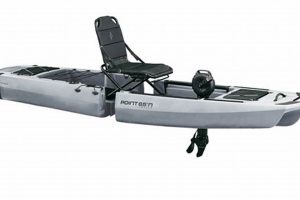
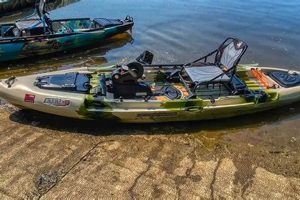
A specialized container integrated into or attached to a kayak, designed to hold captured fish alive in aerated water, is essential for anglers seeking to preserve their catch for later consumption or tournament weigh-ins. This onboard reservoir allows for the humane and responsible handling of fish, ensuring their vitality until they are released or processed. It typically incorporates features such as a pump, drain, and aeration system, providing a controlled aquatic environment.
Maintaining the health and viability of captured fish contributes significantly to ethical angling practices. This practice ensures the survival of released fish and minimizes stress on the animals. Furthermore, it allows anglers participating in competitive fishing to present their catch in optimal condition for weigh-ins, a critical aspect of tournament success. Prior to the widespread adoption of such onboard systems, keeping fish alive required methods like stringers or buckets, which were often less effective and could be detrimental to the fish.
The following sections will delve deeper into specific features, types, installation methods, maintenance requirements, and popular brands of these indispensable tools for the responsible kayak angler. This information will provide a thorough understanding of how to select, install, and utilize these systems effectively.
Tips for Effective Onboard Fish Holding
Maintaining fish vitality requires careful consideration of several key factors. These tips provide practical guidance for optimal utilization of kayak-based live well systems.
Tip 1: Appropriate Sizing is Crucial: Select a system proportionate to the target species and anticipated catch size. Overcrowding compromises water quality and fish health.
Tip 2: Prioritize Oxygenation: Adequate aeration is paramount. Ensure the pump and aeration system function correctly and provide sufficient oxygen flow.
Tip 3: Regular Water Changes are Essential: Periodically refresh the water, particularly in warmer conditions, to maintain optimal water quality and temperature.
Tip 4: Temperature Management is Key: Monitor water temperature closely, especially during summer months. Adding ice or utilizing insulated containers can help regulate temperature.
Tip 5: Minimize Handling Stress: Handle fish gently and efficiently during transfer to and from the holding system to reduce stress and potential injury. Use a net with rubberized or knotless mesh.
Tip 6: Consider Additives Wisely: Certain additives, such as water conditioners or stress-reducing formulas, can help maintain a healthy environment. Research suitable options carefully.
Tip 7: Regular System Maintenance: Periodic cleaning and inspection of pumps, drains, and other components ensure the system remains functional and effective.
By adhering to these guidelines, anglers can ensure the well-being of their catch while practicing responsible fishing. Proper system management contributes significantly to both ethical angling and successful tournament participation.
These practical tips offer valuable insights into responsible fish handling practices, enhancing both ethical considerations and angling success. The subsequent conclusion will summarize key takeaways and reinforce the importance of incorporating these practices into every fishing excursion.
1. System Capacity

System capacity, referring to the volume of water a live well can hold, plays a crucial role in the effectiveness of a kayak fishing setup. Appropriate capacity ensures the well-being and vitality of caught fish, impacting both ethical angling practices and tournament success. Selecting the correct capacity requires careful consideration of target species, anticipated catch size, and kayak stability.
- Species Size and Quantity:
Larger fish species, such as bass or walleye, require significantly more space per individual than smaller panfish. The intended quantity of kept fish also directly influences the necessary capacity. A larger capacity accommodates more or larger fish, but can also add significant weight and affect kayak stability. For instance, a kayak angler targeting trophy-sized bass requires a larger system than someone fishing for crappie.
- Kayak Stability and Weight Distribution:
A full live well adds considerable weight to a kayak. Overly large systems can compromise stability, especially in challenging conditions. Weight distribution also becomes crucial; an unevenly loaded kayak can become difficult to maneuver. Careful consideration of kayak size and weight capacity is essential when choosing a live well system. A smaller, more stable kayak may necessitate a smaller capacity system.
- Aeration and Water Quality:
While a larger volume can theoretically hold more fish, maintaining adequate oxygen levels and water quality becomes more challenging with increased capacity. Aeration systems must be appropriately sized for the volume to ensure sufficient oxygenation. Larger volumes also require more frequent water changes or more powerful filtration to maintain optimal water quality. A balanced approach to capacity ensures both fish health and practicality.
- Integration and Portability:
Live well systems come in various configurations, from integrated hull designs to portable units. System capacity often dictates the integration method. Larger, integrated systems offer higher capacity but reduce storage space. Portable units offer flexibility but may have limited capacity. Anglers must balance their capacity needs with their desired kayak setup and fishing style. A kayak angler frequently changing locations may prefer a smaller, portable system.
Selecting the appropriate system capacity is a critical decision for kayak anglers. Balancing the needs of target species, kayak stability, and practicality ensures both a successful and ethical fishing experience. Overlooking this crucial aspect can compromise fish health, affect kayak performance, and detract from overall angling enjoyment. Careful consideration of these interconnected factors allows anglers to choose the optimal live well system for their specific needs and fishing style.
2. Oxygenation
Maintaining adequate dissolved oxygen within a kayak’s live well is paramount for fish survival and well-being. Insufficient oxygen levels lead to stress, injury, and ultimately, mortality. Understanding the factors influencing oxygenation and employing appropriate strategies are crucial for responsible angling practices.
- Aeration System Components:
Effective aeration relies on a combination of components working in concert. These typically include an electric or battery-powered aerator pump, an air stone or diffuser to maximize surface area, and tubing connecting these elements. The pump forces air into the water, while the diffuser breaks the air into smaller bubbles, increasing the rate of oxygen dissolution. System effectiveness depends on the quality and proper functioning of these components. A high-quality pump with a properly functioning diffuser significantly improves oxygen transfer.
- Environmental Factors:
Water temperature directly influences the amount of dissolved oxygen water can hold. Warmer water holds less oxygen, increasing the importance of robust aeration in hot climates. Additionally, water movement and turbulence created by paddling or wave action can enhance oxygen absorption. However, excessive turbulence may stress fish. Understanding these environmental factors helps anglers adapt their oxygenation strategies. For example, adding ice to the live well can lower water temperature and increase its oxygen-holding capacity.
- Fish Species and Stocking Density:
Different fish species have varying oxygen requirements. Active, predatory fish like bass generally require higher oxygen levels than smaller, less active species. Furthermore, the number of fish in the live well, known as stocking density, directly impacts oxygen consumption rates. Overcrowding rapidly depletes oxygen and necessitates more vigorous aeration. Matching aeration capacity to the specific fish species and stocking density is vital for their well-being. A live well overcrowded with active fish requires a more powerful aeration system.
- Live Well Design and Maintenance:
Live well design influences aeration effectiveness. Systems with rounded corners and smooth surfaces promote better water circulation, ensuring even oxygen distribution. Regular maintenance of aeration system components is essential. Debris or algae buildup can clog air stones and reduce aeration efficiency. Regular inspection and cleaning of all components ensure optimal oxygen delivery. A well-maintained live well with a properly functioning aeration system is crucial for fish survival.
Effective oxygenation is essential for maintaining a healthy environment within a kayak’s live well. By understanding the interplay of these factors and implementing appropriate aeration strategies, anglers contribute significantly to the ethical treatment and survival of their catch. Neglecting oxygenation compromises fish health and undermines the principles of responsible angling. A well-oxygenated live well is a testament to an angler’s commitment to fish care.
3. Water Quality

Maintaining optimal water quality within a kayak’s live well is essential for ensuring the health and survival of captured fish. Compromised water quality can lead to stress, disease, and mortality, undermining ethical angling practices. Understanding the factors influencing water quality and implementing appropriate management strategies is crucial for responsible kayak fishing.
- Temperature Regulation
Temperature fluctuations significantly impact fish physiology and immune response. Elevated temperatures reduce dissolved oxygen levels and increase metabolic rates, stressing fish. Conversely, rapid temperature drops can also induce shock. Maintaining a stable temperature within the live well, ideally close to the ambient water temperature from which the fish were caught, is critical. Strategies include adding ice or using insulated live wells, particularly in warmer climates. For example, a bass caught in 70F water will experience stress if placed in a live well exceeding 80F.
- Ammonia and Waste Management
Fish excrete ammonia as a metabolic byproduct. Ammonia accumulation in the confined environment of a live well creates a toxic environment, damaging fish gills and other tissues. Regular water changes are essential to dilute ammonia and other waste products. Commercial water conditioners can also help neutralize ammonia and improve water quality. Failing to manage ammonia buildup can lead to rapid fish mortality, especially in smaller live wells with high stocking densities.
- Dissolved Oxygen Levels
Adequate dissolved oxygen is paramount for fish respiration and overall health. Oxygen depletion leads to asphyxiation and death. Factors influencing dissolved oxygen include water temperature, stocking density, and aeration system effectiveness. Ensuring proper aeration, managing stocking density, and regulating water temperature are crucial for maintaining sufficient dissolved oxygen levels. Adding an air stone or increasing aeration pump output can significantly improve oxygen availability, especially in warmer water.
- pH and Water Chemistry
Maintaining a stable pH range within the live well is crucial for fish health. Significant fluctuations in pH can disrupt fish osmoregulation and impair physiological function. Monitoring pH levels and using appropriate buffering agents, if necessary, can help stabilize water chemistry. Additionally, avoiding the introduction of foreign substances, such as sunscreen or insect repellent, can prevent detrimental changes in water chemistry and maintain a healthy environment for captured fish.
Maintaining optimal water quality is an ongoing process requiring diligent attention to these interconnected factors. By prioritizing water quality management, kayak anglers contribute to the welfare of their catch, ensuring both a successful and ethical fishing experience. Neglecting these aspects compromises fish health and undermines the principles of responsible angling.
4. Temperature Control

Maintaining a stable and appropriate temperature within a kayak’s live well is crucial for preserving the health and vitality of captured fish. Temperature fluctuations can induce stress, compromise immune function, and ultimately lead to mortality. Effective temperature control requires an understanding of thermal influences on fish physiology and the implementation of appropriate management strategies.
- Thermal Stress and Fish Physiology
Fish are ectothermic, meaning their internal body temperature is regulated by the surrounding environment. Rapid temperature changes or prolonged exposure to extreme temperatures can induce thermal stress, disrupting metabolic processes and weakening immune defenses. Elevated temperatures reduce dissolved oxygen levels, further exacerbating stress. In a live well environment, even seemingly small temperature fluctuations can have significant physiological impacts. For example, a rapid increase of even a few degrees can stress fish already compromised by the confines of the live well.
- Impact on Dissolved Oxygen
Water temperature directly affects the amount of dissolved oxygen it can hold. Warmer water holds less dissolved oxygen, potentially creating a hypoxic environment within the live well. This reduced oxygen availability further stresses fish, particularly larger, more active species with higher oxygen demands. Effective temperature control helps maintain adequate dissolved oxygen levels, crucial for fish survival. Adding ice to a live well on a hot day can significantly increase the water’s oxygen-carrying capacity and mitigate the risk of hypoxia.
- Strategies for Temperature Regulation
Several strategies exist for regulating live well temperature. Insulated live wells minimize heat transfer, helping maintain a stable internal temperature. Adding ice directly to the live well can rapidly lower the temperature, but requires careful monitoring to avoid excessively rapid cooling. Pre-chilling live well water before fishing can also provide an initial temperature buffer. In extreme heat, circulating live well water through a cooling system or using a dedicated live well chiller can provide more precise temperature control. The chosen strategy often depends on the specific fishing conditions and the duration the fish will be held.
- Species-Specific Temperature Tolerance
Different fish species exhibit varying temperature tolerances. Some species thrive in warmer waters, while others prefer cooler environments. Maintaining a live well temperature within the optimal range for the target species is crucial for minimizing stress and maximizing survival rates. Researching the specific temperature requirements of the target species is essential for responsible live well management. For example, cold-water species like trout require significantly lower temperatures than warm-water species like bass.
Effective temperature control is a fundamental aspect of responsible live well management in kayak fishing. By understanding the physiological impacts of temperature on fish and employing appropriate regulation strategies, anglers can significantly improve the survival rates of their catch and uphold ethical angling practices. Failing to prioritize temperature control compromises fish welfare and undermines the principles of conservation.
5. Handling Techniques

Minimizing stress on fish during transfer to a kayak’s live well is crucial for their survival and well-being. Improper handling techniques can inflict injuries, compromise immune function, and increase mortality rates. Gentle and efficient handling, combined with appropriate tools and techniques, significantly improves the chances of a successful release.
Using a landing net with a rubberized or knotless mesh prevents scale loss and reduces the risk of entanglement. Wetting hands before handling fish minimizes the removal of their protective slime coat. Supporting the fish’s body weight during transfer reduces stress on internal organs. Minimizing air exposure prevents damage to delicate gill tissues. Avoiding squeezing or tightly gripping the fish prevents internal injuries. For example, a bass quickly and gently netted, then supported while removing the hook, and placed in the live well experiences significantly less stress than one dragged across the kayak’s hull and roughly handled.
Efficient hook removal further minimizes handling time and stress. Using appropriate hook removal tools, such as forceps or pliers, allows for quick and safe extraction. Cutting the line close to the hook is often preferable to prolonged struggling, especially with deeply embedded hooks. Once in the live well, allowing the fish to acclimate undisturbed promotes recovery. These handling techniques, though seemingly minor, contribute significantly to fish welfare and reflect a commitment to responsible angling practices. Careful handling demonstrates respect for the resource and ensures a healthier fishery for future generations.
6. Maintenance Protocols

Regular maintenance is essential for ensuring the long-term effectiveness and longevity of kayak fishing live wells. Neglecting these protocols can lead to equipment malfunction, reduced performance, and compromised fish health. Implementing a consistent maintenance routine contributes significantly to both successful angling and responsible fish handling. A well-maintained live well ensures optimal conditions for catch survival and reflects a commitment to ethical fishing practices.
Maintenance protocols encompass several key areas. Regular cleaning of the live well’s interior removes accumulated fish waste, algae, and other debris that can degrade water quality and clog aeration systems. Inspecting and cleaning pumps, aerators, and plumbing components ensures optimal oxygen delivery and water circulation. Checking for leaks and cracks prevents water loss and maintains system integrity. For example, a clogged aerator stone reduces oxygen flow, potentially stressing or harming fish, while a leaking live well can compromise kayak stability. Addressing these issues through preventative maintenance ensures the system functions reliably and provides a healthy environment for the catch.
Furthermore, proper storage practices extend the life of the live well. Draining and thoroughly drying the system after each use prevents mildew and bacterial growth. Storing the live well in a protected environment, away from direct sunlight and extreme temperatures, prevents material degradation and prolongs its lifespan. These combined practices ensure the live well remains a valuable asset for kayak anglers, contributing to both successful fishing trips and the ethical treatment of captured fish. Consistent maintenance reflects a respect for the equipment and a commitment to responsible angling.
7. Ethical Considerations
Employing a live well in kayak fishing presents specific ethical considerations revolving around fish welfare and conservation. Responsible anglers prioritize minimizing stress and maximizing survival rates for all captured fish, whether intended for consumption or release. Understanding and addressing these ethical dimensions elevates kayak fishing beyond mere sport to a practice that respects and sustains aquatic ecosystems. A live well, when used responsibly, can be a tool for conservation, ensuring the health and viability of fish populations.
- Minimizing Stress and Suffering
Stress significantly impacts fish health, compromising immune function and increasing susceptibility to disease. Ethical anglers prioritize minimizing stress throughout the capture and handling process. Employing appropriate techniques, such as using a rubberized net, minimizing air exposure, and supporting the fish’s body weight, reduces physiological stress. Furthermore, maintaining optimal water quality and temperature within the live well creates a less stressful environment for captured fish. For instance, quickly returning a fish to the water after a brief, careful hook removal demonstrates a commitment to minimizing stress and suffering.
- Selective Harvest and Release Practices
Ethical considerations extend beyond immediate fish handling to encompass broader harvest and release practices. Selective harvest focuses on keeping only fish within legal size limits and avoiding the harvest of species facing conservation concerns. Practicing catch and release allows anglers to enjoy the sport while minimizing their impact on fish populations. When releasing fish, handling them gently, minimizing air exposure, and reviving them in the water until they swim away strongly increases their chances of survival. Choosing to release a breeding-sized fish demonstrates an ethical commitment to sustaining fish populations.
- Respect for the Aquatic Environment
Ethical kayak fishing extends beyond the treatment of individual fish to encompass respect for the entire aquatic ecosystem. Avoiding disturbing spawning beds, minimizing habitat disruption, and properly disposing of fishing line and other waste demonstrates a commitment to environmental stewardship. Furthermore, educating others about ethical angling practices and participating in conservation initiatives contributes to the long-term health and viability of aquatic ecosystems. For example, retrieving discarded fishing line not only protects wildlife but also reflects an ethical responsibility to maintain a healthy environment.
- Responsible Live Well Use
The use of a live well itself carries ethical responsibilities. Maintaining optimal water quality, temperature, and oxygen levels within the live well is paramount for fish welfare. Overcrowding the live well compromises water quality and increases stress. Regularly monitoring and adjusting these parameters demonstrates a commitment to providing a healthy environment for captured fish. Using the live well as a temporary holding space for fish intended for release, rather than as a long-term storage container, minimizes stress and maximizes survival rates. Understanding and adhering to these ethical guidelines ensures the live well contributes to responsible angling practices rather than compromising fish welfare.
Ethical considerations form the cornerstone of responsible kayak fishing. By prioritizing fish welfare, practicing selective harvest and release, respecting the aquatic environment, and utilizing live wells responsibly, anglers contribute to the conservation of fish populations and the preservation of healthy ecosystems. These ethical practices elevate angling beyond a recreational pursuit, transforming it into a form of environmental stewardship. A deep understanding and implementation of these considerations ensures the sustainability of the sport for future generations.
Frequently Asked Questions
Addressing common inquiries regarding kayak fishing live wells provides clarity for anglers seeking to implement these systems responsibly and effectively. The following questions and answers offer practical insights into various aspects of live well selection, installation, and utilization.
Question 1: What size live well is appropriate for a kayak?
Live well size depends on target species, anticipated catch size, and kayak capacity. Smaller kayaks benefit from compact, portable systems, while larger kayaks may accommodate integrated or larger capacity units. Matching the live well size to the typical catch ensures fish comfort and kayak stability.
Question 2: How is oxygen maintained within a kayak live well?
Oxygenation relies on aeration systems comprising pumps, air stones, and tubing. Battery-powered or electric pumps circulate air into the water, while air stones diffuse the air into smaller bubbles, maximizing oxygen transfer. Regularly checking system functionality ensures adequate oxygen levels.
Question 3: How frequently should live well water be changed?
Water changes depend on factors like temperature, stocking density, and fish species. Frequent changes, especially in warmer conditions or with higher fish densities, help maintain optimal water quality by removing waste and replenishing oxygen. In cooler conditions with lower fish densities, less frequent changes may suffice.
Question 4: What materials are commonly used in kayak live wells?
Live wells typically utilize durable, lightweight materials such as high-impact plastic or polyethylene. These materials resist cracking and impact damage while remaining relatively lightweight for kayak use. Some premium systems may incorporate insulated materials to help maintain stable water temperatures.
Question 5: How does one install a live well in a kayak?
Installation varies depending on the live well type. Portable systems often require minimal installation, securing with straps or mounts. Integrated systems typically necessitate more complex installation involving hull modifications and plumbing connections. Consulting manufacturer instructions provides specific guidance.
Question 6: What are the key maintenance requirements for a kayak live well?
Regular cleaning removes accumulated debris and algae, promoting healthy water quality. Inspecting and cleaning pumps, aerators, and plumbing ensures optimal system functionality. Checking for leaks and cracks prevents water loss and maintains system integrity. Proper storage, including draining and drying, prevents mildew growth and extends system lifespan.
Understanding these key aspects of live well utilization helps anglers make informed decisions regarding system selection, installation, and maintenance. Prioritizing fish welfare through responsible live well management contributes significantly to ethical angling practices.
The following section will explore specific live well product recommendations suitable for various kayak fishing applications.
Live Well for Kayak Fishing
Effective utilization of live wells in kayak fishing hinges upon a comprehensive understanding of several key factors. System capacity must align with target species and kayak stability. Maintaining adequate oxygen levels through robust aeration systems is paramount for fish survival. Water quality, influenced by temperature, ammonia levels, and dissolved oxygen, requires diligent management. Gentle handling techniques minimize stress and injury during fish transfer. Regular maintenance ensures long-term system functionality and optimal performance. Ethical considerations, encompassing minimizing stress, selective harvest, and respect for the aquatic environment, underpin responsible angling practices. Integrating these elements ensures both successful fishing outcomes and the preservation of healthy fish populations.
Successful integration of live wells into kayak fishing necessitates a commitment to responsible angling practices. Prioritizing fish welfare, understanding system requirements, and adhering to ethical guidelines ensures the sustainability of the sport and the health of aquatic ecosystems. Continuous refinement of techniques and a commitment to conservation will shape the future of kayak fishing, fostering a deeper appreciation for the delicate balance between recreational pursuit and environmental stewardship.