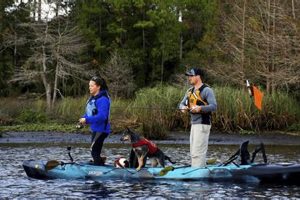
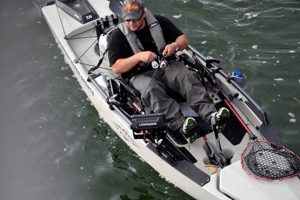
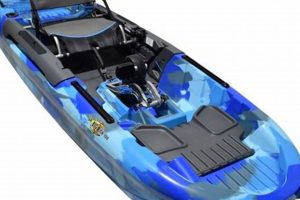
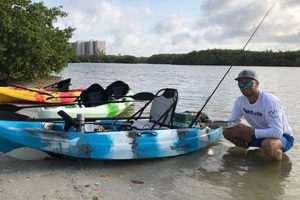
An individual deeply passionate about angling from a kayak demonstrates a compelling blend of outdoor enthusiasm and focused sporting interest. This pursuit combines the tranquility and closeness to nature inherent in kayaking with the strategic challenge and thrill of fishing. For example, one might observe such an individual spending considerable time researching ideal fishing kayaks, meticulously organizing tackle specifically for kayak use, and frequently seeking out new waterways to explore from their vessel.
This dedication can lead to improved physical and mental well-being through increased time outdoors and the development of refined angling skills. The relatively low environmental impact of kayak fishing, compared to motorized boating, fosters a deeper connection with nature and a heightened sense of stewardship for aquatic ecosystems. Historically, kayaks have been utilized for fishing for centuries by various cultures, but the modern iteration, with specialized equipment and a growing community, represents a significant evolution of this practice.
The following sections will delve further into the equipment, techniques, and locations central to this rewarding activity, as well as its increasing popularity and the growing community that supports it.
Essential Kayak Fishing Tips
Strategic preparation and thoughtful execution are crucial for a successful and enjoyable kayak fishing experience. The following tips offer guidance for anglers of all skill levels.
Tip 1: Prioritize Stability: Kayak selection is paramount. Wider, flatter hulls offer greater stability, especially for beginners. Consider the intended fishing environment (calm lakes versus flowing rivers) when choosing a kayak.
Tip 2: Master Paddle Control: Efficient paddling conserves energy and allows for precise maneuvering. Practice different strokes to control speed and direction, especially in challenging currents or windy conditions.
Tip 3: Organize Tackle Strategically: A well-organized tackle system within easy reach maximizes fishing time and minimizes disruption. Utilize waterproof containers and consider a crate system for secure storage.
Tip 4: Dress for Immersion: Appropriate attire is essential. Dress in layers for adaptable comfort and always wear a personal flotation device (PFD). Quick-drying fabrics and water-resistant gear are recommended.
Tip 5: Plan for Changing Weather: Weather conditions can change rapidly on the water. Check forecasts before departure and carry appropriate gear for unexpected rain, wind, or temperature fluctuations.
Tip 6: Respect Wildlife and the Environment: Practice Leave No Trace principles. Pack out all trash, avoid disturbing wildlife, and adhere to local fishing regulations.
Tip 7: Start Slow and Build Experience: Begin in calm, familiar waters to gain confidence and experience. Gradually explore new locations and techniques as skills develop.
By adhering to these guidelines, anglers can enhance safety, improve fishing success, and cultivate a deeper appreciation for the sport of kayak fishing.
These tips serve as a foundation for a rewarding experience on the water. The following section concludes with essential safety reminders and further resources for continued learning.
1. Passionate Pursuit

Passionate pursuit lies at the heart of the “kayak fishing addict” identity. This intense enthusiasm transcends casual interest, driving individuals to prioritize and dedicate significant time, resources, and energy to the activity. It’s the engine that fuels the continuous refinement of skills, the exploration of new waterways, and the investment in specialized equipment. This passion manifests not merely as enjoyment, but as a deep-seated commitment to the entire experience. For example, an individual driven by this passion might spend hours researching optimal kayak designs, meticulously organizing tackle boxes, or studying weather patterns and fish behavior to maximize their chances of a successful outing, even sacrificing other leisure activities or commitments.
The importance of passionate pursuit as a component of the “kayak fishing addict” profile cannot be overstated. It serves as the primary motivator for continuous learning and improvement. This dedication can lead to a deep understanding of fish species, mastery of various angling techniques, and an intimate familiarity with the nuances of different aquatic environments. This passion can also foster a sense of community, connecting like-minded individuals who share the same fervor for kayak fishing. These connections often translate into shared knowledge, collaborative expeditions, and a supportive network that further enhances the overall experience. Consider an angler who, driven by passion, masters the art of fly fishing from a kayak, a technique requiring significant dedication and practice, and then shares their expertise within a local kayak fishing club, enriching the community and further fueling their own enthusiasm.
Understanding the role of passionate pursuit provides valuable insight into the “kayak fishing addict.” Recognizing this driving force allows for a deeper appreciation of the dedication and commitment inherent in this lifestyle. It also highlights the potential for personal growth, skill development, and community building that stems from such focused engagement. While challenges such as time constraints, financial investment, and potential physical demands exist, the passionate pursuit of kayak fishing ultimately offers a rewarding and fulfilling experience for those deeply committed to the sport.
2. Dedicated Angler
The term “dedicated angler” is integral to understanding the “kayak fishing addict” persona. Dedication signifies a level of commitment surpassing casual enjoyment. It implies consistent effort, a thirst for improvement, and a willingness to invest time and resources in pursuit of angling excellence. This dedication manifests in various ways, from meticulous tackle organization and diligent research of fishing locations to persistent practice of casting techniques and unwavering patience during long hours on the water. A dedicated angler might spend countless hours analyzing weather patterns, water temperatures, and lunar cycles to optimize fishing conditions, showcasing the depth of their commitment. Cause and effect are intertwined; the dedication to angling fuels the “kayak fishing addict” lifestyle, while the unique challenges and rewards of kayak fishing further solidify this dedication.
The importance of “dedicated angler” as a component of the “kayak fishing addict” profile is significant. It highlights the proactive nature of this pursuit. It’s not simply about catching fish; it’s about the continuous pursuit of knowledge, refinement of skills, and the unwavering commitment to improving one’s angling prowess. For example, a dedicated kayak angler might invest in specialized equipment like fish finders, GPS units, and high-end rods and reels, not merely for convenience, but to gain a competitive edge and enhance their understanding of the underwater environment. They might also travel long distances to explore new fishing grounds or participate in tournaments, further demonstrating their commitment to the sport. This dedication translates into a deeper appreciation for the nuances of kayak fishing, fostering a stronger connection with nature and a greater respect for the aquatic ecosystem.
Understanding the dedication inherent in the “kayak fishing addict” provides valuable insights into the motivations and behaviors associated with this lifestyle. It underscores the importance of continuous learning, adaptation, and perseverance in the face of challenges. While the pursuit of angling excellence requires significant investment and effort, the rewards, both tangible and intangible, are substantial. This understanding helps contextualize the “kayak fishing addict” not simply as a hobbyist, but as a dedicated practitioner of a demanding and rewarding sport. This dedication contributes significantly to the overall experience, transforming casual enjoyment into a lifelong passion. It also fosters a sense of accomplishment and self-reliance, enriching the individual’s connection with the natural world.
3. Specialized Equipment

The “kayak fishing addict” often exhibits a distinct characteristic: the acquisition and utilization of specialized equipment. This goes beyond the basic necessities of a kayak and paddle, extending to a curated collection of rods, reels, lures, electronics, and safety gear specifically designed for angling from a kayak. Cause and effect are intertwined; the dedication to kayak fishing necessitates specialized equipment, while the availability and advancement of such equipment further fuels the addict’s passion. For example, a dedicated angler might invest in a fish finder with GPS capabilities, rod holders integrated into the kayak, and specialized tackle storage systems designed for limited space and stability considerations. This tailored equipment is not merely for convenience, but for maximizing efficiency and enhancing the overall fishing experience.
The importance of specialized equipment as a component of the “kayak fishing addict” profile lies in its reflection of a deeper commitment to the sport. It signifies a willingness to invest time and resources to optimize performance and pursue angling success. This dedication to acquiring specialized equipment also demonstrates a desire to adapt to the unique challenges of fishing from a kayak, such as limited space, stability concerns, and the need for hands-free operation. For instance, the use of anchor trolleys, drift chutes, and specialized paddling techniques highlights the adaptation and strategic thinking characteristic of the serious kayak angler. These specialized tools are not mere accessories but integral components enabling the angler to effectively navigate and fish in diverse aquatic environments, from shallow rivers to open ocean waters.
Understanding the role of specialized equipment provides insights into the “kayak fishing addict” mindset. It underscores the pursuit of efficiency, adaptability, and a desire to maximize the potential of kayak fishing. While acquiring and maintaining specialized equipment can present financial challenges, it ultimately contributes to a more rewarding and successful fishing experience. This dedicated investment in equipment enhances not only the practical aspects of fishing but also the overall enjoyment and sense of accomplishment derived from the sport. The constant pursuit and integration of new technologies and specialized gear further distinguishes the dedicated kayak angler, continually pushing the boundaries of this evolving sport.
4. Frequent Excursions

A defining characteristic of the “kayak fishing addict” is the frequency of on-water excursions. This consistent engagement stems from a deep-seated passion for the sport, exceeding the occasional leisurely outing. Cause and effect intertwine; the addictive nature of kayak fishing drives the need for frequent trips, while the rewarding experiences derived from each excursion reinforce the desire for more. This frequency translates to a significant time commitment, often prioritizing fishing trips over other leisure activities or obligations. A dedicated angler might plan multiple outings per week, exploring diverse locations, regardless of weather conditions (within safe limits), showcasing the prioritization of kayak fishing in their lifestyle.
The importance of frequent excursions as a component of the “kayak fishing addict” profile lies in its contribution to skill development and experience accumulation. Regular exposure to various aquatic environments, fish species, and angling techniques fosters continuous improvement. Each trip presents an opportunity to refine paddling techniques, experiment with different lures and bait, and gain a deeper understanding of fish behavior and habitat. For example, an angler frequently exploring a particular river system will develop an intimate knowledge of its currents, depths, and optimal fishing spots, demonstrating the practical benefits of consistent on-water experience. This accumulated knowledge and skill base not only enhances fishing success but also fosters a deeper connection with the natural world.
Understanding the significance of frequent excursions provides valuable insights into the “kayak fishing addict” mindset. It highlights the dedication and prioritization inherent in this lifestyle, emphasizing the importance of consistent practice and immersive experience in achieving proficiency. While frequent excursions require significant time commitment and may present logistical challenges, they ultimately contribute to a richer, more rewarding kayak fishing experience. This commitment strengthens the angler’s connection with the sport, fostering a sense of accomplishment, self-reliance, and a deeper appreciation for the natural environment. Furthermore, frequent excursions often contribute to a stronger engagement within the kayak fishing community, facilitating opportunities for shared experiences, knowledge exchange, and the development of lasting friendships.
5. Skill Development

Skill development is a central component of the “kayak fishing addict” persona. The pursuit of mastery in various angling techniques, kayak maneuvering, and knowledge of aquatic environments fuels this dedication. Cause and effect are intertwined; the addictive nature of kayak fishing drives the desire to improve, while the tangible results of skill development further solidify the passion. This continuous improvement transcends simply catching fish; it encompasses a deeper understanding of the sport’s nuances and a pursuit of self-reliance in diverse on-water situations. An angler might meticulously practice casting techniques in tight spaces, learn to navigate challenging currents, or master the art of reading water to locate fish, illustrating the practical application of skill development.
The importance of skill development as a component of the “kayak fishing addict” profile lies in its contribution to enhanced enjoyment and self-sufficiency. Improved casting accuracy, efficient paddling strokes, and the ability to interpret environmental cues translate to increased fishing success and a greater sense of accomplishment. For example, an angler skilled in reading water can identify promising fishing spots based on subtle changes in current, depth, and vegetation, showcasing the practical advantage of honed observation skills. This expertise also fosters confidence and independence, allowing anglers to explore more challenging environments and tackle diverse fishing scenarios with greater assurance. Furthermore, the pursuit of skill development fosters a deeper appreciation for the complexities of kayak fishing, enriching the overall experience.
Understanding the role of skill development provides valuable insights into the “kayak fishing addict” mindset. It underscores the importance of continuous learning, adaptation, and the pursuit of mastery as integral components of this lifestyle. While developing proficiency in kayak fishing requires dedicated practice and perseverance, the rewards extend beyond mere angling success. This pursuit fosters a deeper connection with the natural world, cultivates a sense of self-reliance, and enhances the overall enjoyment and fulfillment derived from the sport. The continuous refinement of skills contributes significantly to the “kayak fishing addict’s” ongoing passion, transforming casual enjoyment into a lifelong pursuit of improvement and a deeper understanding of the aquatic environment.
6. Community Engagement

Community engagement forms a significant aspect of the “kayak fishing addict” profile. This involvement extends beyond solitary excursions, encompassing active participation in online forums, local fishing clubs, and organized events. Cause and effect are intertwined; the passionate pursuit of kayak fishing often leads to a desire for connection with like-minded individuals, while the camaraderie and shared knowledge within the community further fuel the addiction. This engagement manifests in various ways, from seeking advice on tackle and techniques to organizing group fishing trips and participating in conservation efforts. An angler might actively contribute to online forums, sharing fishing reports, offering guidance to newcomers, and participating in discussions about kayak modifications and specialized equipment, illustrating the social aspect of this pursuit.
The importance of community engagement as a component of the “kayak fishing addict” profile lies in its contribution to knowledge sharing, skill development, and the fostering of a sense of belonging. Interaction with fellow enthusiasts provides access to a wealth of collective experience, enabling anglers to learn new techniques, discover new fishing locations, and stay abreast of the latest advancements in kayak fishing equipment and technology. For example, a novice angler joining a local kayak fishing club can benefit from the mentorship of experienced members, gaining valuable insights into local waterways, effective fishing strategies, and essential safety practices. This shared knowledge enhances not only individual angling prowess but also contributes to the overall growth and development of the kayak fishing community. Moreover, community engagement fosters camaraderie and support, creating a network of like-minded individuals who share a passion for the sport. This sense of belonging enhances the overall kayak fishing experience, transforming a solitary pursuit into a shared adventure.
Understanding the role of community engagement provides valuable insights into the “kayak fishing addict” mindset. It underscores the importance of social connection, collaboration, and the sharing of knowledge as integral components of this lifestyle. While kayak fishing can be enjoyed as a solitary activity, active participation in the community enriches the experience, fostering personal growth, skill development, and a deeper appreciation for the sport. This engagement also contributes to the sustainability and growth of kayak fishing, promoting responsible angling practices, and advocating for the conservation of aquatic ecosystems. The challenges of community engagement might include navigating differing opinions or managing time commitments, but the benefits of shared knowledge, camaraderie, and collective advocacy ultimately contribute significantly to the rewarding and fulfilling experience of the “kayak fishing addict.”
Frequently Asked Questions
Addressing common inquiries regarding the dedicated pursuit of kayak fishing provides valuable insights for both newcomers and seasoned anglers. The following questions and answers offer clarity and guidance on various aspects of this demanding yet rewarding sport.
Question 1: How does one choose the right kayak for fishing?
Kayak selection depends on several factors, including the intended fishing environment (calm lakes, rivers, or open ocean), angler size and weight, storage needs, and desired features. Stability, maneuverability, and storage capacity are key considerations. Research various hull designs (sit-on-top, sit-inside) and consider factors like weight capacity, length, and width before making a purchase. Consulting with experienced kayak anglers or specialized retailers can prove beneficial.
Question 2: What essential safety precautions should kayak anglers take?
Prioritizing safety is paramount. Always wear a personal flotation device (PFD). Inform someone of your fishing plans, including location and estimated return time. Check weather forecasts before departing and be prepared for changing conditions. Carry essential safety gear, including a whistle, signaling device, first-aid kit, and bilge pump. Understanding basic paddling and self-rescue techniques is crucial.
Question 3: What are the advantages of kayak fishing compared to traditional boat fishing?
Kayak fishing offers several advantages, including affordability, accessibility to shallow or restricted waters, a closer connection with nature, and a stealthier approach to fish. Kayaks are easier to transport and store than larger boats, requiring less maintenance and expense. The physical exertion involved in paddling provides an added element of exercise and engagement with the environment.
Question 4: How does one effectively organize tackle and gear in a kayak?
Efficient tackle organization is crucial in a kayak’s limited space. Utilize waterproof containers and tackle boxes designed for kayak fishing. Consider a crate system or specialized storage bags to secure gear and maximize accessibility. Prioritize essential items and avoid overcrowding the kayak, which can compromise stability. Plan tackle organization based on target species and anticipated fishing techniques.
Question 5: What are the best resources for learning more about kayak fishing techniques?
Numerous resources cater to kayak anglers. Online forums, instructional videos, and specialized publications offer valuable insights into various techniques, from basic paddling and casting to advanced rigging and fish-finding strategies. Joining a local kayak fishing club provides opportunities for mentorship and knowledge sharing. Attending workshops or seminars conducted by experienced anglers can accelerate skill development.
Question 6: How can kayak anglers minimize their environmental impact?
Practicing Leave No Trace principles is essential. Pack out all trash and fishing line. Avoid disturbing wildlife or sensitive habitats. Adhere to local fishing regulations and respect catch limits. Use appropriate anchoring techniques to minimize damage to aquatic ecosystems. Consider participating in local conservation efforts to protect and preserve the natural environment.
Understanding these fundamental aspects of kayak fishing provides a foundation for safe, enjoyable, and responsible participation in this increasingly popular sport. Continuous learning, adaptation, and respect for the environment are key to a rewarding experience on the water.
The following section delves further into advanced kayak fishing techniques and strategies.
Kayak Fishing Addict
This exploration has delved into the multifaceted nature of the deeply committed kayak angler. Key aspects, including the passionate pursuit of the sport, the dedication to skill development, the strategic utilization of specialized equipment, the prioritization of frequent excursions, and the significance of community engagement, collectively define this distinct angling persona. These interconnected elements contribute to a lifestyle characterized by continuous learning, adaptation, and a profound connection with the aquatic environment.
The pursuit of angling excellence from a kayak demands significant investment, both in terms of time and resources. However, the rewards extend beyond the tangible pursuit of fish. The “kayak fishing addict” finds fulfillment in the continuous refinement of skills, the exploration of uncharted waters, and the camaraderie of a passionate community. This dedication reflects not merely a hobby, but a profound engagement with nature and a lifelong pursuit of mastery within a challenging and rewarding sport. The future of kayak fishing hinges on responsible stewardship of aquatic ecosystems and the continued fostering of a supportive and knowledgeable community.