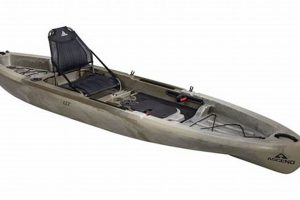
Canine companionship on the water, combined with the pursuit of angling from a small, maneuverable vessel, presents a unique recreational activity. This involves taking a dog along on a kayak fishing trip, requiring specific preparation and considerations for both the human angler and the canine companion.
This blended activity offers numerous potential advantages. It allows owners to share an outdoor passion with their dogs, fostering a stronger bond. For the dog, it provides exercise, mental stimulation, and an opportunity to experience a new environment. From a practical standpoint, a canine presence can enhance safety by alerting to potential hazards. The increasing popularity of this activity reflects a growing desire for inclusive outdoor experiences that incorporate pets.
The subsequent sections will delve into essential aspects of safe and successful canine-inclusive kayak angling excursions. These topics include selecting appropriate gear, training techniques, safety procedures, and responsible environmental practices.
Tips for Kayak Fishing with Canine Companions
Ensuring a safe and enjoyable experience for both angler and canine companion requires careful planning and execution. The following tips provide essential guidance for successful outings.
Tip 1: Prioritize Canine Safety. A properly fitted personal flotation device (PFD) designed specifically for dogs is crucial. This device provides buoyancy and a handle for retrieval in case of accidental entry into the water.
Tip 2: Implement Essential Training. Prior to embarking on a fishing trip, dogs should be accustomed to the kayak’s movement and comfortable remaining on board. Basic obedience commands are essential for maintaining control and ensuring safety.
Tip 3: Select Appropriate Gear. A stable, wide kayak offers greater stability, accommodating the dog’s movement. Essential equipment includes a non-slip surface for canine footing, shade protection, and a readily accessible water supply.
Tip 4: Practice Ethical Angling Techniques. Keep hooks and fishing lines out of the dog’s reach. Promptly and responsibly dispose of fishing line to prevent entanglement or ingestion by wildlife.
Tip 5: Pack Essential Supplies. A canine first-aid kit, waste disposal bags, and a towel for drying the dog after water exposure are essential items for any excursion.
Tip 6: Acclimate Gradually. Start with short trips in calm waters, gradually increasing duration and complexity as the dog gains experience and confidence.
Tip 7: Monitor Canine Behavior. Pay close attention to the dog’s body language for signs of stress or discomfort. Provide breaks and opportunities for rest as needed.
Adhering to these guidelines contributes significantly to enjoyable and safe kayak fishing trips, strengthening the bond between human and canine companions while minimizing potential risks.
By following these precautions and prioritizing canine well-being, shared kayak fishing adventures can provide enriching experiences for years to come.
1. Safety

Safety stands as a paramount concern in canine-inclusive kayak angling. Careful consideration and proactive measures are crucial for mitigating potential risks and ensuring the well-being of both angler and canine companion. Neglecting safety protocols can lead to accidents, injuries, or even fatalities, underscoring the need for comprehensive preparation and responsible practices.
- Canine Personal Flotation Devices (PFDs)
A properly fitted canine PFD is non-negotiable. These devices provide buoyancy and a convenient handle for retrieving a dog from the water. Even strong swimming dogs can become disoriented or fatigued in challenging conditions. A PFD significantly increases the chances of a safe recovery in case of accidental entry into the water. Bright colors enhance visibility, aiding in locating the dog in waves or low light conditions.
- Kayak Stability
Selecting a stable kayak platform is crucial for accommodating canine movement and minimizing the risk of capsizing. Wider kayaks with flatter hulls generally offer greater stability than narrow, high-performance models. Ensuring the kayak’s weight capacity is appropriate for the combined weight of the angler, dog, and gear further enhances stability.
- Environmental Awareness
Being mindful of potential environmental hazards is essential. Strong currents, submerged obstacles, and changing weather conditions can pose risks. Checking weather forecasts prior to departure and being prepared for sudden changes are vital safety measures. Avoiding areas with heavy boat traffic further minimizes potential hazards.
- First Aid and Emergency Preparedness
Carrying a canine-specific first-aid kit and knowing basic canine first aid procedures are crucial. This kit should include essentials for treating minor injuries, such as cuts, scrapes, and insect bites. Having a plan for contacting emergency services in case of a serious incident is also essential. This may involve carrying a waterproof communication device or knowing the location of the nearest emergency access points.
These interconnected safety considerations are integral to responsible canine-inclusive kayak angling. Proactive planning and diligent adherence to safety protocols significantly reduce risks and ensure enjoyable experiences on the water for both human and canine participants. A safe outing allows for a focus on the shared experience and the enjoyment of the sport.
2. Training
Effective training is paramount for successful and safe canine-inclusive kayak angling. A well-trained dog enhances safety by remaining calm and responsive on the water. Training minimizes disruptions to the fishing process and ensures the dog’s comfort and well-being throughout the excursion. A structured training approach is essential for establishing clear expectations and fostering a positive experience for both angler and canine companion.
- Basic Obedience Commands
A solid foundation in basic obedience commands, such as “stay,” “come,” and “leave it,” is crucial. These commands provide control over the dog’s movements on the kayak, preventing accidental falls or interference with fishing equipment. A reliable recall command ensures the dog returns to the kayak promptly when called. “Leave it” prevents the dog from interacting with potentially hazardous items, such as fishing hooks or discarded fishing line. Consistent reinforcement of these commands in various environments strengthens reliability.
- Kayak Familiarization
Gradually acclimating the dog to the kayak is essential for building confidence and minimizing anxiety. Initial introductions should involve allowing the dog to explore the kayak on dry land, rewarding calm behavior. Short, supervised sessions on calm water follow, gradually increasing duration as the dog becomes comfortable. Positive reinforcement through praise and treats helps create a positive association with the kayak.
- Motion Tolerance
Dogs experience the rocking motion of the kayak differently than humans. Desensitization to this movement is essential for preventing motion sickness and anxiety. Short trips in calm conditions, gradually increasing exposure to more dynamic water conditions, build the dog’s tolerance. Observing the dog for signs of discomfort, such as excessive panting or drooling, is crucial for adjusting the training pace.
- Water Entry and Exit Training
While a canine PFD provides buoyancy, training the dog to enter and exit the kayak safely enhances preparedness in case of accidental entry into the water. Practicing assisted entries and exits in shallow, calm water builds the dog’s confidence and establishes a clear procedure. This training also familiarizes the dog with the sensation of being in the water while wearing the PFD.
These training components lay the groundwork for safe and enjoyable canine-inclusive kayak fishing experiences. A well-trained dog becomes a valuable companion on the water, contributing to a relaxed and rewarding outing. Consistent reinforcement of training principles ensures long-term reliability and enhances the bond between human and canine angler.
3. Equipment

Specialized equipment plays a crucial role in ensuring safe and successful canine-inclusive kayak angling excursions. Appropriate gear selection directly impacts both the dog’s well-being and the overall effectiveness of the fishing trip. Careful consideration of canine-specific needs, alongside standard angling equipment requirements, contributes significantly to a positive experience on the water. Inadequate or improperly fitted equipment can compromise safety, comfort, and the overall success of the outing.
Essential equipment considerations encompass canine-specific items and modifications to standard kayak fishing gear. A properly fitted canine personal flotation device (PFD) is paramount for buoyancy and retrieval in case of accidental water entry. Choosing a stable kayak platform with sufficient weight capacity is crucial for accommodating canine movement. A non-slip surface on the kayak deck enhances canine footing and prevents slips or falls. Shade provision is vital for protecting the dog from prolonged sun exposure, especially during warmer months. A readily accessible water supply ensures hydration throughout the trip. Specialized canine kayak leashes can offer an added measure of control while allowing the dog freedom of movement.
Real-world examples illustrate the practical implications of equipment choices. A dog without a PFD faces significant risk in the event of a capsize. An unstable kayak compromises both angler and canine safety, increasing the likelihood of accidental water entry. Lack of shade can lead to heatstroke or exhaustion, particularly in sunny climates. Similarly, inadequate water access can result in dehydration. The proper equipment choices demonstrably mitigate these risks, underscoring their importance in canine-inclusive kayak fishing.
Understanding the role of specialized equipment contributes significantly to the overall success of canine-inclusive kayak angling. Appropriate gear enhances both safety and enjoyment for both the angler and the canine companion. Prioritizing equipment selection based on canine-specific needs and the demands of the aquatic environment ensures a more comfortable, productive, and safe experience. This proactive approach allows for a focus on the shared experience and the enjoyment of the sport, fostering a stronger bond between human and canine anglers.
4. Preparation

Thorough preparation is paramount for successful and safe canine-inclusive kayak angling. Adequate preparation mitigates potential risks, enhances the enjoyment of the outing, and ensures the well-being of both the angler and the canine companion. Neglecting essential preparatory steps can lead to preventable complications, compromising safety and diminishing the overall experience. A systematic approach to preparation, encompassing various facets, contributes significantly to a positive and productive excursion.
- Pre-Trip Planning
Pre-trip planning involves assessing weather conditions, selecting appropriate fishing locations, and charting routes. Checking weather forecasts is crucial for avoiding hazardous conditions, such as strong winds or storms. Choosing locations with calm waters and minimal boat traffic enhances safety, particularly for less experienced canine kayakers. Mapping out routes in advance helps maintain orientation and ensures efficient navigation, minimizing time spent in potentially challenging conditions. Real-world examples include checking local tide charts, identifying designated dog-friendly launch areas, and having alternative plans in case of unexpected weather changes.
- Gear Organization and Packing
Organizing and packing essential gear ensures readily available access to necessary items during the trip. This includes stowing safety equipment, such as canine PFDs and first-aid kits, in easily accessible locations. Packing fishing gear, food, water, and waste disposal bags in a structured manner minimizes clutter and streamlines the fishing process. Dry bags or waterproof containers protect sensitive items from water damage. Practical examples include using a checklist to ensure all essential items are packed and organizing gear into compartments within the kayak for efficient retrieval.
- Canine Considerations
Specific canine-centric preparations are essential for the dog’s comfort and well-being. This includes ensuring the dog is adequately hydrated and fed before the trip. Administering any necessary medications or preventative treatments, such as flea and tick repellent, protects the dog from potential health issues. Packing a familiar toy or blanket can provide comfort and reduce anxiety during the outing. Real-world examples include scheduling a pre-trip veterinary checkup to ensure the dog is fit for the activity and packing a dedicated canine water bowl and a towel for drying after water exposure.
- On-Water Practice Sessions
Conducting practice sessions in calm, controlled environments before embarking on a full fishing trip allows the dog to acclimate to the kayak and the water. These sessions provide an opportunity to reinforce training commands, assess the dog’s comfort level, and identify any potential challenges before venturing into more open waters. Practicing entering and exiting the kayak and getting accustomed to the rocking motion builds the dog’s confidence and reduces anxiety during the actual fishing trip. This preparatory step significantly contributes to a smoother and more enjoyable experience for both dog and angler.
These interconnected preparatory elements collectively contribute to successful canine-inclusive kayak angling. Thorough preparation enhances safety, optimizes efficiency, and maximizes the enjoyment of the shared experience. By addressing these facets proactively, anglers can ensure a more rewarding and memorable outing for both themselves and their canine companions, fostering a stronger bond through shared outdoor adventures.
5. Environment
The environmental context of canine-inclusive kayak angling holds significant implications for both the recreational experience and the health of the ecosystem. Understanding and mitigating potential environmental impacts is crucial for responsible participation in this activity. Considerations range from minimizing disturbance to wildlife to adhering to Leave No Trace principles. Neglecting environmental stewardship can negatively impact aquatic habitats, wildlife populations, and the overall aesthetic value of natural spaces.
Several key aspects highlight the interconnectedness of canine-inclusive kayak fishing and the environment. Proper waste disposal, including canine waste, is paramount. Failing to remove waste introduces pollutants and contaminants into the water, potentially harming aquatic life. Respecting wildlife entails observing from a distance, avoiding close approaches that could cause stress or disruption to natural behaviors. Minimizing noise pollution, such as excessive barking, contributes to a more tranquil environment for both wildlife and other recreational users. Adhering to designated launch and landing areas prevents erosion and minimizes disturbance to sensitive shoreline habitats. Real-world examples include packing out all trash and dog waste, using biodegradable sunscreen, and avoiding nesting or breeding areas during sensitive periods. The practical significance of these actions lies in preserving the natural integrity of aquatic ecosystems and ensuring the sustainability of recreational activities.
Responsible engagement in canine-inclusive kayak angling necessitates a commitment to environmental stewardship. Minimizing the ecological footprint of this activity ensures the continued health and accessibility of these natural spaces. Addressing potential environmental impacts through informed practices, such as proper waste disposal and respectful wildlife observation, contributes to the long-term viability of these recreational pursuits. Ultimately, understanding the delicate balance between recreation and environmental preservation ensures future generations can enjoy the beauty and tranquility of these natural environments. Challenges include balancing recreational access with conservation efforts and promoting responsible behavior among all users. Integrating environmental awareness into canine-inclusive kayak angling practices enhances the overall experience while safeguarding the natural world.
6. Etiquette
Proper etiquette plays a crucial role in ensuring harmonious and respectful interactions among participants in canine-inclusive kayak angling and with the surrounding environment. Adhering to established norms of conduct contributes to a positive experience for all, minimizes potential conflicts, and fosters a sense of shared responsibility for preserving natural spaces. Neglecting proper etiquette can lead to disruptions, strained relationships among anglers, and negative impacts on the environment.
- Leashing Practices
Appropriate leashing practices demonstrate respect for other anglers and minimize potential disruptions. While some areas may allow off-leash activity, keeping dogs leashed in congested areas or near other anglers prevents unwanted interactions and potential conflicts. A leash also provides a means of control in unexpected situations, such as encountering wildlife or navigating challenging water conditions. Real-world examples include using a short leash when launching or landing and maintaining a secure hold on the leash when passing other boaters. This practice minimizes the risk of entanglement or interference and demonstrates consideration for others.
- Barking Control
Excessive barking can disrupt the tranquility of the environment and create a nuisance for other anglers. Training dogs to minimize barking, especially in close proximity to others, promotes a peaceful and respectful atmosphere. Consistent reinforcement of quiet commands and providing alternative outlets for canine energy can mitigate excessive barking. Real-world examples include using positive reinforcement techniques to reward quiet behavior and carrying chew toys or interactive puzzles to keep the dog occupied during periods of inactivity.
- Waste Disposal
Responsible waste disposal is essential for maintaining the cleanliness and health of the environment. Promptly removing and properly disposing of all canine waste, along with other trash, prevents contamination of waterways and minimizes negative impacts on water quality. Carrying waste disposal bags and utilizing designated receptacles demonstrates a commitment to environmental stewardship. Real-world examples include packing out all waste, even in remote areas where disposal facilities may not be available, and using biodegradable waste bags to minimize environmental impact.
- Respect for Wildlife
Respecting wildlife entails observing animals from a safe distance and avoiding any actions that could cause disturbance or stress. Keeping dogs from chasing or harassing wildlife protects both the animals and the dogs themselves. Observing quiet and minimizing disturbances contribute to preserving the natural behavior of wildlife populations. Real-world examples include using binoculars or telephoto lenses for close-up observation without approaching animals and leashing dogs in areas where wildlife encounters are likely. These practices reflect a commitment to responsible wildlife viewing and minimize potential negative impacts on animal populations.
These interconnected facets of etiquette collectively contribute to positive and respectful interactions within the canine-inclusive kayak angling community and promote environmental stewardship. By adhering to these principles, anglers enhance their own experiences while contributing to a more harmonious and sustainable environment for all. Challenges include educating newcomers about proper etiquette and addressing instances of non-compliance. Ultimately, promoting a culture of respect and responsibility benefits both the recreational pursuit and the natural spaces in which it takes place.
Frequently Asked Questions
This section addresses common inquiries regarding canine-inclusive kayak angling, providing concise and informative responses to facilitate informed participation and promote safe and enjoyable experiences.
Question 1: What type of kayak is best suited for canine companions?
Wider, more stable kayaks, such as sit-on-top models or inflatable kayaks with a wide beam, are generally recommended. These provide greater stability, reducing the risk of capsizing due to canine movement. Inflatable kayaks also offer the added benefit of portability.
Question 2: Is specific training necessary for dogs participating in kayak fishing?
Yes. Basic obedience training, including commands like “stay,” “come,” and “leave it,” is essential for maintaining control and ensuring the dog’s safety on the kayak. Acclimating the dog to the kayak’s motion and practicing water entry and exit procedures is also crucial.
Question 3: What safety precautions should be taken when kayak fishing with a dog?
A properly fitted canine personal flotation device (PFD) is paramount. Checking weather conditions prior to departure and carrying a canine first-aid kit are also essential safety measures. Ensuring the kayak has appropriate weight capacity and stability is crucial.
Question 4: How can anglers minimize environmental impact during canine-inclusive kayak fishing trips?
Responsible waste disposal, including prompt removal of canine waste, is critical. Respecting wildlife by observing from a distance and avoiding disturbances is essential. Adhering to designated launch and landing areas minimizes disruption to shoreline habitats.
Question 5: What equipment is essential for kayak fishing with a dog?
Beyond standard fishing gear, essential canine-specific equipment includes a properly fitted PFD, a non-slip surface for the kayak deck, shade provision, a readily accessible water supply, and waste disposal bags.
Question 6: How can anglers promote positive interactions with other water users when kayak fishing with a dog?
Leashing dogs when appropriate, controlling excessive barking, and respecting designated fishing areas minimizes potential conflicts and promotes harmonious interactions with other anglers and recreational users.
Careful consideration of these frequently asked questions enhances preparedness and promotes responsible participation in canine-inclusive kayak angling. Prioritizing safety, environmental stewardship, and respectful interactions ensures positive experiences for all involved.
Additional resources and detailed guides on canine-inclusive kayak angling can be found through reputable outdoor organizations and online communities dedicated to responsible pet ownership and recreational activities.
Conclusion
This exploration has highlighted the multifaceted nature of canine-inclusive kayak angling, emphasizing the importance of preparation, safety, training, and environmental responsibility. Successful excursions require careful consideration of equipment selection, canine-specific needs, and adherence to established etiquette guidelines. Balancing recreational enjoyment with environmental stewardship ensures the long-term sustainability of this activity.
Responsible participation in this increasingly popular pursuit necessitates a commitment to continuous learning and adaptation. Through informed practices and a proactive approach to safety and conservation, the shared experience of canine-inclusive kayak angling can foster a deeper appreciation for the natural world and strengthen the bond between humans and their canine companions. This pursuit offers a unique opportunity to connect with nature, promoting responsible outdoor recreation and enriching the lives of both human and canine participants.