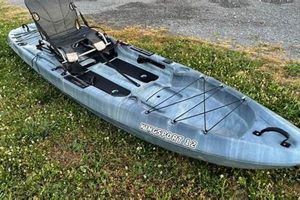
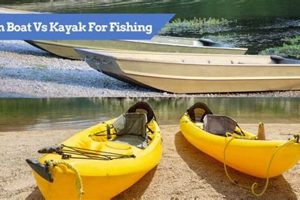
Small, maneuverable watercraft designed specifically for angling in flowing waters represent a specialized subset of recreational vessels. These boats prioritize stability, storage for tackle and equipment, and often feature specialized seating and mounting points for fishing accessories. An example includes a compact vessel equipped with rod holders, an anchor trolley system, and ample dry storage for tackle boxes and personal gear, enabling anglers to navigate shallow currents and access secluded fishing spots.
The growing popularity of this specialized equipment stems from its ability to access otherwise unreachable areas, offering a unique and effective approach to freshwater angling. Historical context shows a progression from simple canoes and adapted recreational kayaks to purpose-built designs incorporating features tailored for the serious angler. This evolution has enhanced fishing opportunities and brought a new dimension to the sport. The advantages include improved stealth, closer proximity to fish, and the ability to navigate shallow, fast-moving water.
Further exploration of this topic will cover essential features, selection criteria, safety considerations, and popular models, providing a comprehensive resource for both novice and experienced anglers looking to enhance their river fishing experience. This information will help individuals make informed decisions and maximize their success on the water.
River Fishing Kayak Tips
Effective angling from specialized small watercraft requires careful planning and execution. The following tips offer guidance for a successful and safe experience.
Tip 1: Stability is Paramount: Prioritize stability when selecting a vessel. Wider hulls offer greater stability, crucial for casting, reeling, and landing fish in moving water. Consider designs specifically engineered for river environments.
Tip 2: Essential Gear Selection: Carry essential safety equipment, including a personal flotation device, a whistle, and a first-aid kit. Navigation tools like a GPS and a waterproof map are also recommended. Select fishing gear appropriate for the target species and river conditions.
Tip 3: River Dynamics: Understanding river currents, eddies, and potential hazards is crucial. Research the specific river section beforehand, noting access points, rapids, and areas known for strong currents or submerged obstacles.
Tip 4: Anchoring Techniques: Mastering proper anchoring techniques is vital for maintaining position in current. Employ a river anchor or stake-out pole for effective anchoring in flowing water, allowing for controlled drifts and targeted fishing.
Tip 5: Stealth and Approach: Approach fishing spots quietly and avoid sudden movements that may spook fish. Upstream approaches are often preferred, allowing for natural drift and presentation of lures or bait.
Tip 6: Weather Awareness: Check weather forecasts before embarking on any river trip. Avoid fishing during thunderstorms or periods of high winds. Be prepared for changing weather conditions and dress accordingly.
Tip 7: Respectful Angling Practices: Adhere to local fishing regulations and practice catch-and-release whenever possible. Pack out all trash and minimize impact on the river environment.
By adhering to these guidelines, anglers can enhance their safety, improve their fishing success, and contribute to the preservation of river ecosystems. Preparation and careful consideration are key elements for a rewarding river fishing experience.
This foundational knowledge sets the stage for a more detailed exploration of specific techniques, equipment choices, and advanced river fishing strategies discussed in subsequent sections.
1. Stability

Stability represents a critical performance characteristic in river fishing kayaks, directly influencing angler safety and fishing effectiveness. A stable platform is essential for casting, reeling, landing fish, and navigating challenging river conditions. Instability can lead to capsizing, gear loss, and potentially dangerous situations, particularly in moving water. The kayak’s hull design, width, and length significantly impact stability. Wider, flatter hulls generally provide greater initial stability, resisting tipping, while longer, narrower hulls offer superior secondary stability, recovering more readily from larger leans. A kayak designed specifically for river fishing often prioritizes initial stability to accommodate the dynamic movements associated with angling.
Consider, for example, an angler attempting to hook a large fish in a fast-flowing river. A stable kayak provides a secure platform to fight the fish without the risk of capsizing during the struggle. Conversely, an unstable kayak might easily tip, jeopardizing both the angler and the potential catch. Furthermore, stability facilitates more precise casting and allows anglers to stand up in certain kayak models, significantly expanding their field of vision and casting range. This enhanced stability translates to increased fishing success and overall enjoyment on the water.
Ultimately, understanding the importance of stability in a river fishing kayak is paramount for safe and successful angling. Choosing a kayak with appropriate stability characteristics for the intended river environment and fishing style ensures a more secure and productive experience. Neglecting stability can lead to compromised safety and diminished fishing effectiveness, underscoring the crucial role of this factor in kayak selection and overall river fishing performance.
2. Maneuverability

Maneuverability in a river fishing kayak directly impacts an angler’s ability to navigate complex currents, access secluded fishing spots, and respond effectively to changing river conditions. A highly maneuverable kayak allows for precise adjustments in position, crucial for holding position in eddies, navigating around obstacles like rocks or fallen trees, and approaching fish stealthily. This responsiveness translates to increased fishing opportunities and improved angling success. Conversely, a less maneuverable kayak can hinder access to prime fishing locations and limit an angler’s ability to react quickly to changing currents or unexpected river features. This can lead to frustration and decreased fishing effectiveness.
Consider a scenario where an angler needs to navigate through a narrow channel with fast-flowing water and submerged rocks. A highly maneuverable kayak allows for precise adjustments to avoid obstacles and maintain the desired course. The angler can easily make quick turns and corrections, maximizing control and minimizing the risk of collision or capsizing. However, a less maneuverable kayak would struggle in such conditions, making it difficult to maintain precise control and increasing the likelihood of grounding or hitting a rock. This can damage the kayak, disrupt fishing, and potentially compromise angler safety.
The practical significance of maneuverability extends beyond simply reaching a fishing spot. It enables anglers to present lures or bait effectively, adjust to shifting currents, and efficiently fight fish. A kayak’s hull design, length, and rudder or skeg system significantly influence its maneuverability. Shorter kayaks generally offer greater maneuverability in tight spaces, while longer kayaks excel in tracking straight lines in open water. A rudder or skeg enhances directional control, particularly in windy conditions or strong currents. Understanding the relationship between kayak design and maneuverability allows anglers to select a vessel appropriate for their target river environment and fishing style, ultimately optimizing their on-the-water experience and maximizing their chances of success.
3. Storage Capacity

Adequate storage capacity in a river fishing kayak is crucial for carrying essential gear, ensuring a safe and productive angling experience. Insufficient storage can limit the duration of fishing trips, restrict tackle options, and compromise safety by forcing anglers to overload the kayak or leave behind essential equipment. Understanding the various aspects of storage capacity empowers anglers to select a kayak that effectively meets their specific needs and enhances their overall fishing experience.
- Types of Storage
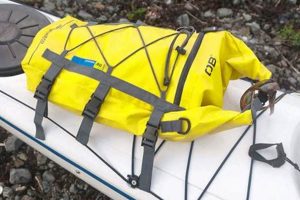
River fishing kayaks offer diverse storage options, including sealed hatches, open compartments, tank wells, and integrated storage pockets. Sealed hatches provide waterproof protection for sensitive items like electronics and clothing. Open compartments offer quick access to frequently used gear like tackle boxes. Tank wells accommodate larger items like coolers or dry bags. Integrated storage pockets within the cockpit provide convenient access to smaller items like pliers or fishing licenses. Choosing the right combination of storage types depends on individual angler preferences and the types of gear typically carried.
- Capacity and Weight Limits
Kayak storage capacity is typically measured in cubic feet or liters, indicating the total volume available for gear. Weight capacity, a separate but related factor, dictates the maximum combined weight of the angler, gear, and kayak that the vessel can safely support. Exceeding the weight capacity can compromise stability and increase the risk of capsizing. Carefully considering both storage capacity and weight limits ensures safe and efficient packing for extended fishing trips.
- Accessibility and Organization
Easy access to stored gear is essential for efficient fishing. Well-designed storage compartments allow anglers to quickly retrieve needed items without disrupting their fishing rhythm. Features like integrated organizers and dividers within storage areas help keep gear organized and prevent items from shifting during transport. Efficient organization enhances both safety and fishing effectiveness by minimizing time spent searching for gear and maximizing time spent fishing.
- Impact on Performance
The amount and distribution of gear within a kayak can impact its performance on the water. Excessive weight or improperly distributed gear can affect stability, maneuverability, and tracking. Balancing the load evenly within the kayak optimizes performance and enhances overall control. Understanding the relationship between storage capacity, weight distribution, and kayak performance allows anglers to make informed decisions about gear selection and packing strategies, maximizing both efficiency and safety on the water.
By carefully evaluating storage capacity, anglers can select a river fishing kayak that meets their individual needs and supports their fishing style. Choosing the appropriate storage features, capacity, and organization system contributes significantly to a safe, efficient, and ultimately more rewarding river fishing experience. The ability to carry essential gear, access it easily, and maintain optimal kayak performance are directly related to the thoughtful consideration of storage capacity during kayak selection.
4. Fishing Features
Specialized features distinguish river fishing kayaks from recreational models, enhancing angling effectiveness and overall experience. These features cater specifically to the demands of fishing in river environments, improving angler efficiency, comfort, and safety. A comprehensive understanding of these features is crucial for informed kayak selection.
- Rod Holders
Rod holders secure fishing rods, freeing hands for paddling, navigating, and handling fish. Multiple rod holders allow anglers to carry various rod and reel combinations for different fishing techniques or target species. Flush-mounted rod holders minimize interference with paddling, while adjustable rod holders offer flexibility in positioning rods for optimal presentation. For instance, an angler targeting trout might carry a lighter spinning rod alongside a heavier baitcasting rod for larger species, utilizing different rod holders for each. Secure rod storage prevents rod loss and facilitates efficient tackle management in dynamic river conditions.
- Anchor Trolley System
Anchor trolley systems enable controlled positioning in current, crucial for maintaining desired location and presentation. A rope running along the length of the kayak allows for anchor attachment at various points, facilitating adjustments to position based on current flow and fishing strategy. An angler fishing a deep pool in a fast-flowing river can use the trolley system to position the kayak upstream, allowing a natural drift of bait or lures through the target area. This controlled positioning maximizes fishing effectiveness and improves presentation accuracy compared to drifting freely.
- Tackle Storage
Dedicated tackle storage solutions in river fishing kayaks ensure organized and accessible gear. Integrated tackle boxes, storage trays, and compartments within easy reach streamline tackle management and minimize time spent searching for specific items. Waterproof storage protects sensitive gear from the elements, crucial in river environments. An angler changing lures can quickly access the necessary tackle box without rummaging through other gear, maintaining focus and efficiency. Organized storage enhances fishing effectiveness and contributes to a more streamlined and enjoyable experience.
- Specialized Seating
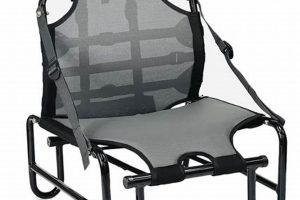
Elevated seating positions and adjustable backrests in fishing kayaks improve comfort and visibility, reducing fatigue during long fishing trips. Enhanced comfort allows anglers to focus on fishing, while improved visibility aids in spotting fish and navigating complex river environments. An angler sight fishing for bass benefits from an elevated seating position, providing a clearer view of the water and facilitating accurate casting to targeted fish. Comfortable seating reduces fatigue and enhances overall enjoyment, enabling longer and more productive fishing sessions.
These specialized fishing features significantly enhance the capabilities of river fishing kayaks. Informed selection based on individual fishing styles and target river environments optimizes angling efficiency, comfort, and safety. The strategic integration of these features contributes directly to a more productive and enjoyable river fishing experience, highlighting the importance of considering these elements during kayak selection.
5. River Suitability
River suitability plays a critical role in determining the effectiveness and safety of a river fishing kayak. Matching kayak characteristics to the specific river environmentconsidering factors like current speed, water depth, obstacles, and potential hazardsis essential for a successful and safe fishing experience. A kayak suitable for a slow-moving, shallow stream may be inadequate or even dangerous in a fast-flowing river with rapids and submerged rocks. This suitability assessment involves careful consideration of the kayak’s hull design, length, width, maneuverability, and tracking capabilities in relation to the intended river conditions. Failure to consider river suitability can lead to compromised performance, decreased fishing effectiveness, and increased risk of accidents.
For example, a short, wide, and highly maneuverable kayak excels in narrow, slow-moving streams, allowing anglers to navigate tight turns and shallow water effectively. However, this same kayak might struggle in a wide, fast-flowing river, lacking the tracking and speed to maintain desired position and control in strong currents. Conversely, a longer, narrower kayak designed for open water and speed may be less maneuverable in tight spaces and more susceptible to tipping in shallow, rocky areas. A real-life example illustrates this point: an angler using a short, recreational kayak in a fast-flowing river with rapids may find it difficult to maintain control, potentially leading to capsizing or collisions with obstacles. Conversely, an angler using a longer, more stable kayak designed for river running would be better equipped to handle the challenges of such an environment.
The practical significance of understanding river suitability cannot be overstated. It forms the foundation for safe and effective river fishing, guiding kayak selection and contributing significantly to a positive on-the-water experience. Matching kayak characteristics to the specific river conditions optimizes performance, enhances angler safety, and maximizes fishing success. Neglecting river suitability can have serious consequences, ranging from diminished fishing effectiveness to potentially life-threatening situations. Therefore, careful consideration of river suitability is paramount for any angler venturing onto flowing waters, ensuring a safe, productive, and ultimately more rewarding fishing experience.
Frequently Asked Questions
This section addresses common inquiries regarding specialized small watercraft designed for angling in river environments.
Question 1: How does one choose between a sit-on-top and a sit-inside kayak for river fishing?
Sit-on-top kayaks offer superior stability and ease of re-entry after a capsize, making them suitable for warmer climates and calmer rivers. Sit-inside kayaks provide better protection from the elements and enhanced paddling efficiency, advantageous in colder conditions or larger, faster-flowing rivers. Selection depends on individual preferences, climate, and river conditions.
Question 2: What safety precautions are essential for river fishing from a kayak?
Essential safety measures include wearing a personal flotation device, carrying a whistle, informing someone of the fishing plan, checking weather forecasts, and understanding river dynamics. Additional precautions include carrying a first-aid kit, a communication device, and appropriate navigation tools.
Question 3: What essential gear should be carried on a river fishing kayak?
Essential gear includes appropriate fishing tackle, a paddle, a personal flotation device, a whistle, and suitable clothing. Recommended additions include a first-aid kit, navigation tools like a GPS or map, a communication device, and a dry bag for personal items.
Question 4: How does river current affect kayak fishing techniques?
River current influences fishing techniques by dictating lure or bait presentation, drift speed, and boat positioning. Anglers must adapt techniques based on current strength, utilizing upstream or downstream approaches, adjusting drift speed with anchors or drogues, and understanding how current affects fish behavior.
Question 5: What are the advantages of using a kayak for river fishing compared to other methods?
Kayaks offer enhanced access to shallow or difficult-to-reach areas, providing stealthy approach capabilities and close proximity to fish. Compared to larger boats, kayaks offer greater maneuverability, allowing navigation through tight spaces and around obstacles. This advantage opens up fishing opportunities unavailable from shore or larger vessels.
Question 6: How does one maintain and care for a river fishing kayak?
Proper maintenance includes regular cleaning, rinsing with fresh water after each use, proper storage out of direct sunlight, and periodic inspection for damage. Addressing scratches or cracks promptly and maintaining moving parts like rudder or skeg systems ensures optimal performance and longevity.
Addressing these common questions provides a foundational understanding of river fishing from specialized kayaks. Informed decision-making in kayak selection, gear preparation, and safety practices contributes significantly to a safe, efficient, and ultimately more rewarding river fishing experience.
This FAQ section concludes the introductory overview. Subsequent sections will delve deeper into specific aspects of river fishing kayaking, offering comprehensive guidance for anglers of all experience levels.
River Fishing Kayak
Specialized small watercraft designed for angling in river environments represent a significant advancement in freshwater fishing. Exploration of this topic has covered key elements, including vessel stability and maneuverability, the importance of storage capacity and specialized fishing features, and the critical role of matching kayak characteristics to specific river conditions. Understanding these factors empowers anglers to make informed decisions regarding kayak selection, gear preparation, and safe fishing practices, leading to a more efficient and rewarding on-the-water experience. Careful consideration of these elements ensures both safety and success in river fishing environments.
Mastery of the information presented provides a foundation for successful angling in flowing waters. Appropriate selection, combined with practiced skill and respect for river ecosystems, unlocks unique fishing opportunities and contributes to the preservation of these valuable natural resources. The future of river fishing relies on responsible angling practices, highlighting the importance of informed decision-making and environmentally conscious behavior. This knowledge equips anglers to engage with river environments responsibly and effectively, maximizing their fishing experience while contributing to the long-term health of these vital ecosystems.