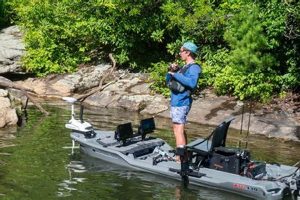
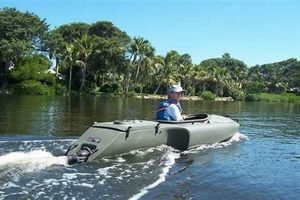
A publication specializing in the sport of kayak angling could offer valuable resources for enthusiasts. Such a resource might include articles on fishing techniques, kayak selection and outfitting, location reviews, and safety guidelines, alongside profiles of prominent anglers and coverage of competitive events. Example content might feature a comparison of different paddle types for specific fishing scenarios, or a guide to the best locations for targeting a particular species from a kayak.
A dedicated periodical provides a centralized source of information, fostering community and facilitating skill development within the sport. It can offer a platform for sharing knowledge and experiences, connect anglers with relevant products and services, and promote ethical fishing practices and conservation efforts. Historically, specialized publications have played a vital role in the growth and evolution of niche hobbies, fostering dedicated communities and preserving valuable knowledge. This type of publication can serve as a historical record of the sport’s progression, documenting trends, innovations, and significant milestones.
This exploration of resources for kayak anglers naturally leads into discussions on various related topics. These could include detailed gear reviews, interviews with experienced anglers, features on specific fishing destinations, and insightful analyses of current trends within the sport. Furthermore, topics like safety protocols, conservation initiatives, and the latest advancements in kayak and fishing technology warrant in-depth exploration.
Kayak Fishing Tips
Optimizing angling experiences from a kayak requires careful consideration of various factors. The following tips offer guidance for improved safety and success on the water.
Tip 1: Stability is Paramount: Choose a kayak designed for stability, especially in challenging conditions. Wider hulls and lower centers of gravity contribute to a secure platform for casting and landing fish.
Tip 2: Plan and Prepare: Research fishing locations thoroughly, checking weather forecasts, tides, and potential hazards. Pack essential safety gear, including a personal flotation device, communication device, and first-aid kit.
Tip 3: Master Paddle Strokes: Efficient paddling conserves energy and allows for precise maneuvering. Practice various strokes to control drift, approach fishing spots quietly, and navigate currents.
Tip 4: Organize Tackle Efficiently: Utilize tackle boxes and storage systems designed for kayak fishing. Keep frequently used items within easy reach and secure all gear to prevent loss in case of capsize.
Tip 5: Respect the Environment: Practice catch-and-release whenever possible. Adhere to local fishing regulations and minimize impact on the natural surroundings by properly disposing of waste.
Tip 6: Choose Appropriate Anchoring: Select an anchor suitable for the bottom conditions and deploy it strategically to maintain position while fishing. Consider using an anchor trolley system for optimal control.
Tip 7: Dress for Success and Safety: Wear appropriate clothing for the weather conditions, including layers for changing temperatures. Brightly colored clothing enhances visibility for other boaters.
By implementing these strategies, anglers can significantly enhance their kayak fishing experience. These practices contribute to increased safety, improved fishing success, and a greater appreciation for the sport.
Through meticulous planning, appropriate equipment selection, and a focus on safety, anglers can maximize enjoyment on the water. These insights aim to equip enthusiasts with the knowledge to pursue their passion responsibly and effectively.
1. Kayak Selection and Outfitting

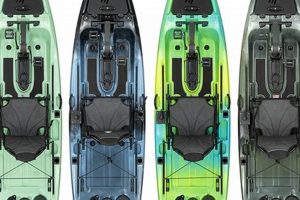
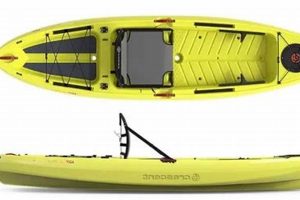
A specialized publication focused on kayak angling would inherently emphasize the crucial role of kayak selection and outfitting in maximizing enjoyment and success. Appropriate vessel choice directly impacts stability, maneuverability, and access to desired fishing locations. A sit-on-top kayak, for example, offers advantages in warmer climates and calmer waters, facilitating easier casting and re-entry after a potential capsize. Conversely, a sit-inside kayak provides greater protection from the elements and enhanced tracking in challenging conditions, benefiting anglers in colder climates or open water environments. Outfitting choices, such as rod holders, fish finders, and anchor trolleys, further enhance the angling experience by streamlining processes and improving efficiency.
Consider an angler targeting largemouth bass in a shallow, weedy lake. A shorter, wider kayak with a stable platform would offer maneuverability through tight spaces and a secure base for casting. Conversely, an angler pursuing offshore species requires a longer, more seaworthy kayak with ample storage for tackle and gear. Understanding these nuances and tailoring kayak selection and outfitting accordingly are paramount to a successful and enjoyable fishing experience. A dedicated publication serves as a valuable resource in navigating these choices, offering expert advice, product reviews, and practical tips for optimizing setup based on individual needs and target species.
Careful selection and outfitting of a fishing kayak are essential for both safety and performance. Understanding the interplay between vessel characteristics, target species, and fishing environment allows anglers to make informed decisions. A specialized publication acts as a guide, providing valuable insights to enhance both the practical and recreational aspects of kayak angling. Choosing appropriate gear not only improves fishing success but also mitigates potential risks, contributing to a safer and more rewarding experience on the water.
2. Fishing Techniques and Tips

A central theme within a publication dedicated to kayak angling would be the exploration and refinement of fishing techniques specific to this platform. Given the unique challenges and opportunities presented by kayak fishing, specialized knowledge of techniques and practical tips becomes essential for maximizing success and enjoyment. This focus equips anglers with the skills and strategies necessary to effectively target various species from a kayak.
- Casting Techniques:
Casting from a kayak requires adaptations to traditional techniques due to space constraints and the need for maintaining balance. Sidearm and underhand casts, for example, become crucial for avoiding entanglement with the kayak or surrounding obstacles. A publication might offer detailed instructions, diagrams, and practice drills to help anglers refine these specialized casting methods, improving accuracy and distance while maintaining stability on the water. Mastery of these techniques contributes significantly to angling success from a kayak.
- Drift Fishing Strategies:
Controlling drift and positioning the kayak effectively are essential skills in kayak fishing. Utilizing current, wind, and paddle strokes to maintain desired presentation of bait or lures is crucial. A publication might explore advanced drift fishing techniques, such as utilizing anchor trolleys or drogue anchors to control speed and direction, maximizing fishing efficiency. Understanding these strategies allows anglers to cover more water and target specific areas effectively.
- Tackle and Lure Selection:
Choosing appropriate tackle and lures tailored to the target species and fishing environment is crucial for success. A publication might provide in-depth reviews of specialized kayak fishing tackle, highlighting compact and versatile options. For example, articles might compare different types of lures suitable for specific species or fishing conditions, offering insights into optimal choices for maximizing catch rates. This knowledge empowers anglers to make informed decisions when equipping for a kayak fishing trip.
- Fish Handling and Landing Techniques:
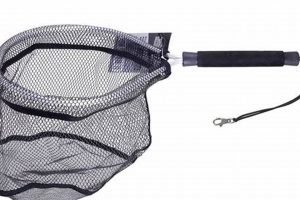
Landing a fish from a kayak presents unique challenges due to the limited space and the need to maintain balance. A publication could offer guidance on safe and efficient fish handling techniques, emphasizing proper use of nets, lip grips, and other tools while maintaining kayak stability. This focus on safe handling practices not only protects the angler but also minimizes stress on the fish, promoting ethical and responsible angling.
These specialized techniques and tips, explored in detail within a dedicated publication, significantly enhance the kayak angling experience. By providing practical advice and expert insights, the publication empowers anglers to overcome the unique challenges of fishing from a kayak, ultimately leading to increased success, improved safety, and a deeper appreciation for the sport. Further exploration within the publication might include species-specific fishing guides, advanced rigging techniques, and strategies for adapting to various weather conditions, providing a comprehensive resource for kayak anglers of all skill levels.
3. Location reviews and guides
Location reviews and guides constitute a crucial element within a publication specializing in kayak angling. These resources provide anglers with valuable insights into potential fishing destinations, enabling informed decisions and enhancing the likelihood of a successful and enjoyable outing. Detailed information regarding access points, prevailing conditions, species prevalence, and local regulations empowers anglers to plan effectively and maximize their time on the water. For instance, a review might highlight a specific river section known for its smallmouth bass population, detailing optimal launch points, preferred tackle, and seasonal fishing patterns. Conversely, a guide to coastal kayak fishing might emphasize tidal influences, navigation hazards, and recommended safety precautions. The inclusion of such localized information adds significant value to a kayak fishing publication.
Consider a scenario where an angler plans a kayak fishing trip to a new lake. Access to detailed location reviews within a specialized publication provides crucial information regarding suitable launch sites, parking availability, and potential hazards such as submerged debris or shallow areas. Furthermore, insights into prevailing fish species, preferred bait and tackle, and successful fishing techniques tailored to the specific location enhance the angler’s preparedness and increase the likelihood of a productive outing. Such practical information transforms a general fishing trip into a targeted and informed expedition. Similarly, guides to navigating coastal waterways might include crucial information about tides, currents, and potential weather patterns, ensuring angler safety and informed decision-making.
Comprehensive location reviews and guides contribute significantly to the overall utility and appeal of a kayak fishing publication. These resources empower anglers with the knowledge necessary to explore new waters confidently, optimize fishing strategies based on location-specific factors, and prioritize safety through informed decision-making. Challenges such as limited access, changing environmental conditions, and evolving fishing regulations underscore the importance of up-to-date and reliable information. By providing these crucial details, the publication fosters a community of informed anglers equipped to pursue their passion responsibly and successfully. This localized knowledge enhances the overall experience, promoting sustainable fishing practices and ensuring enjoyable outings on the water.
4. Safety guidelines and practices

A publication dedicated to kayak fishing holds a significant responsibility to emphasize safety guidelines and practices. This focus stems from the inherent risks associated with the sport, including water conditions, weather changes, and potential for capsizing or entanglement. By providing comprehensive safety information, such a publication equips anglers with the knowledge and awareness necessary to mitigate these risks and promote responsible enjoyment of the sport. Articles focusing on safety might cover topics such as personal flotation devices (PFDs), proper paddling techniques, navigation lights, communication devices, and emergency procedures. For example, a detailed explanation of PFD selection and proper fit, accompanied by real-life examples of their effectiveness in preventing drowning, underscores their critical importance. Similarly, articles discussing cold-water safety protocols, highlighting the dangers of hypothermia and appropriate protective measures, equip anglers for challenging conditions.
Practical application of safety guidelines is crucial for translating knowledge into effective risk management. A publication might offer practical demonstrations or scenarios illustrating proper self-rescue techniques after a capsize, emphasizing the importance of maintaining composure and utilizing available equipment. Furthermore, detailed explanations of weather forecasting and interpretation equip anglers with the ability to anticipate changing conditions and make informed decisions about launching or returning to shore. Addressing challenges such as navigating strong currents or encountering unexpected wildlife, the publication can offer practical advice and strategies for mitigating potential hazards. For instance, an article might detail proper techniques for handling a kayak in strong winds, emphasizing paddle control and body positioning to maintain stability. Similarly, practical advice on wildlife encounters, emphasizing respectful observation and avoidance of aggressive behavior, promotes both angler safety and environmental stewardship.
Effective dissemination of safety information contributes significantly to reducing accidents and promoting responsible angling practices. Challenges such as complacency, inadequate preparation, and lack of awareness underscore the importance of consistent reinforcement of safety guidelines within a kayak fishing publication. By presenting this information in a clear, accessible, and engaging manner, the publication empowers anglers to prioritize safety without compromising enjoyment of the sport. This proactive approach fosters a culture of safety within the kayak fishing community, ensuring that enthusiasts can pursue their passion with confidence and minimize potential risks on the water. Furthermore, promoting awareness of environmental hazards and responsible practices, such as proper waste disposal and respect for wildlife, contributes to the long-term sustainability of the sport and preservation of natural resources.
5. Conservation and ethics

A publication focused on kayak fishing holds a crucial responsibility to promote conservation and ethical practices. This connection stems from the direct impact of angling on aquatic ecosystems and the importance of preserving these environments for future generations. Integrating conservation and ethical considerations into the publication’s content fosters a culture of responsibility among anglers, ensuring the sustainability of the sport and the health of aquatic resources. Articles discussing catch-and-release techniques, emphasizing proper handling and minimizing stress on fish, demonstrate a commitment to conservation. Similarly, features on habitat restoration projects or responsible fishing practices, such as minimizing bycatch and avoiding sensitive areas, educate anglers about their role in environmental stewardship. Real-life examples of the detrimental effects of unsustainable fishing practices, such as depleted fish populations or damaged habitats, underscore the practical significance of ethical angling. For instance, an article detailing the decline of a particular fish species due to overfishing could highlight the importance of size and catch limits in ensuring population recovery.
Practical application of conservation principles and ethical guidelines within kayak fishing necessitates informed decision-making on the water. The publication might offer specific examples of responsible angling practices tailored to different environments. Guidance on minimizing disturbance to nesting areas during breeding seasons demonstrates ethical consideration for the lifecycle of aquatic species. Promoting the use of biodegradable fishing lines and proper disposal of tackle minimizes environmental impact and reduces risks to wildlife. Addressing challenges such as invasive species, the publication could educate anglers on identification and reporting procedures, contributing to ecosystem management efforts. Furthermore, highlighting the importance of respecting local regulations and private property reinforces ethical conduct within the angling community. For example, articles discussing the ecological impact of invasive plants and promoting their removal during fishing trips empower anglers to actively participate in habitat conservation.
Integrating conservation and ethics into a kayak fishing publication fosters a culture of responsibility and long-term sustainability within the sport. Addressing challenges such as pollution, habitat destruction, and declining fish populations necessitates ongoing education and promotion of ethical angling practices. By emphasizing these principles, the publication empowers anglers to become stewards of the environment, ensuring the health of aquatic ecosystems and the future of the sport. This commitment to conservation reinforces the connection between responsible angling and the enjoyment of kayak fishing, promoting a holistic approach that values both the recreational and ecological aspects of the activity. The ultimate goal is to cultivate a community of anglers who prioritize the preservation of aquatic resources, ensuring that future generations can experience the same enjoyment and fulfillment derived from kayak fishing.
Frequently Asked Questions
This section addresses common inquiries regarding kayak fishing, providing concise and informative responses to clarify potential uncertainties and promote a deeper understanding of the sport.
Question 1: What are the essential safety precautions for kayak fishing?
Essential safety precautions include wearing a personal flotation device (PFD), carrying a communication device (e.g., whistle, VHF radio, or cell phone in a waterproof case), checking weather forecasts before embarking, informing someone of the planned fishing location and estimated return time, and carrying a basic first-aid kit. Knowledge of self-rescue techniques and familiarity with local water conditions are also highly recommended.
Question 2: What type of kayak is best suited for fishing?
Optimal kayak selection depends on individual needs and fishing environments. Sit-on-top kayaks offer stability and ease of re-entry after a capsize, making them suitable for warmer climates and calmer waters. Sit-inside kayaks provide better protection from the elements and enhanced tracking, benefiting anglers in colder climates or open water. Consider factors like stability, maneuverability, storage capacity, and intended fishing location when making a selection.
Question 3: How does one choose appropriate fishing gear for a kayak?
Fishing gear selection should align with target species and fishing environment. Compact and versatile tackle is preferable in a kayak. Rod holders, fish finders, and anchor trolleys enhance angling efficiency. Prioritize tackle organization for easy access and secure storage to prevent loss in case of capsize.
Question 4: What are effective techniques for fishing from a kayak?
Effective kayak fishing techniques include adapted casting methods like sidearm and underhand casts to avoid entanglement. Controlling drift using current, wind, and paddle strokes is crucial for precise bait or lure presentation. Anchor trolleys or drogue anchors can further refine drift control. Specialized tackle and lure selection tailored to target species and environment are essential for maximizing catch rates.
Question 5: Where can one find reliable information about kayak fishing locations?
Reliable location information can be found in specialized kayak fishing publications, online forums, local bait and tackle shops, and through interaction with experienced kayak anglers. Consider factors like access points, prevailing conditions, species prevalence, and local regulations when selecting a fishing spot.
Question 6: Why are conservation and ethical practices important in kayak fishing?
Conservation and ethical practices are essential for preserving aquatic ecosystems and ensuring the sustainability of the sport. Practicing catch-and-release, minimizing bycatch, respecting size and catch limits, properly disposing of waste, and avoiding sensitive habitats contribute to responsible angling and protect aquatic resources for future generations.
Prioritizing safety, informed decision-making, and environmental stewardship ensures enjoyable and sustainable kayak fishing experiences. Continued learning and adaptation to specific circumstances are crucial for responsible participation in the sport.
Building upon these foundational elements, the subsequent sections delve into specific topics related to kayak fishing, providing in-depth exploration and practical guidance for enthusiasts of all skill levels.
Conclusion
This exploration has highlighted the multifaceted nature of a publication dedicated to kayak angling. Key aspects, including kayak selection and outfitting, specialized fishing techniques, location-specific guidance, crucial safety practices, and the importance of conservation, contribute to a comprehensive resource for enthusiasts. Such a publication fosters informed decision-making, promotes responsible angling, and enhances the overall kayak fishing experience.
The continued growth and evolution of kayak fishing necessitate readily accessible, reliable, and informative resources. A dedicated publication serves as a vital tool for anglers seeking to refine skills, explore new locations, and engage with a community that shares a passion for this unique sport. Ultimately, promoting safe, ethical, and sustainable practices ensures the preservation of aquatic environments and the enjoyment of kayak fishing for generations to come.