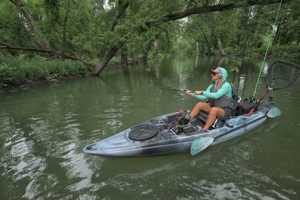
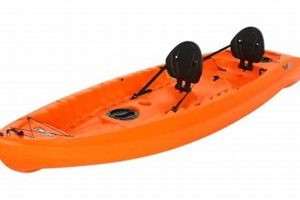
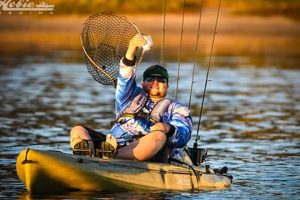
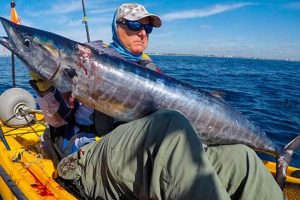
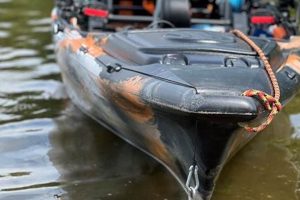
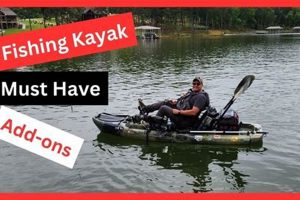
These specialized watercraft combine the stability of a kayak with the elevated perspective and mobility of stand-up paddleboarding. Anglers benefit from a hands-free casting experience and a wider range of motion, facilitating sight fishing and maneuverability in shallow waters. They typically feature design elements like rod holders, gear tracks, and anchor trolleys, optimizing them for angling.
Elevated vantage points offer improved visibility for spotting fish and navigating challenging waters. The ability to easily switch between paddling and casting provides a significant advantage for anglers. This style of fishing has gained popularity due to its active nature, offering a full-body workout combined with the tranquility of being on the water. Furthermore, these craft often grant access to shallow, secluded areas inaccessible to traditional boats, expanding fishing opportunities.
The following sections will explore key considerations when selecting such a craft, including hull design, stability features, propulsion options, and essential fishing accessories. Guidance on techniques for casting, paddling, and maintaining balance will also be provided.
Tips for Elevated Angling
Maximizing success on the water requires careful consideration of various factors, from equipment selection to on-the-water techniques. The following tips provide valuable insights for enhancing the fishing experience.
Tip 1: Prioritize Stability: A stable platform is crucial for casting effectively and maintaining balance. Wider hulls generally offer greater stability, especially for beginners. Consider multi-hull designs for enhanced stability in rougher conditions.
Tip 2: Choose Appropriate Propulsion: Paddle propulsion offers a quiet, stealthy approach, ideal for shallow waters. Pedal-driven systems allow for hands-free fishing and faster travel over longer distances. Consider the fishing environment and personal preferences when selecting a propulsion method.
Tip 3: Utilize Essential Accessories: Rod holders, anchor trolleys, and gear tracks enhance organization and efficiency on the water. A well-placed fish finder can significantly improve the chances of locating fish. Safety equipment, including a personal flotation device and a whistle, is paramount.
Tip 4: Master Casting Techniques: Practice casting from an elevated position to develop accuracy and control. Consider using shorter rods and lighter lures for improved maneuverability. Adjust casting techniques based on wind and water conditions.
Tip 5: Maintain Proper Balance: Distribute weight evenly and bend at the knees when paddling or casting. Practice balance exercises on dry land before venturing into the water. Wear appropriate footwear for enhanced grip and stability.
Tip 6: Plan Fishing Locations Strategically: Research potential fishing spots and consider factors like water depth, current, and fish species. Utilize maps and charts to identify promising areas. Respect local regulations and fishing limits.
Tip 7: Dress Appropriately for the Conditions: Wear clothing suitable for sun exposure, wind, and water conditions. Layering allows for adjustments throughout the day. Polarized sunglasses reduce glare and improve visibility in the water.
By incorporating these tips, anglers can enhance their performance, safety, and overall enjoyment on the water. Preparation and mindful practice contribute significantly to a successful and fulfilling fishing experience.
The following section provides a comprehensive guide to selecting the ideal vessel based on individual needs and fishing preferences.
1. Stability

Stability is paramount in stand-up kayak fishing, directly influencing casting accuracy, angler safety, and overall fishing success. A stable platform allows anglers to focus on fishing rather than balancing, maximizing comfort and effectiveness on the water.
- Hull Design:
Hull design significantly impacts stability. Wider hulls provide greater initial stability, reducing the likelihood of tipping, particularly for beginners. Conversely, narrower hulls offer increased speed but sacrifice stability. Hull shapes, such as pontoon or catamaran styles, further enhance stability by distributing weight across a wider surface area. The choice of hull design depends on the angler’s skill level, intended fishing environment, and desired performance characteristics. A flat bottom hull, for example, offers exceptional stability in calm waters but may be less suitable for choppy conditions.
- Standing Platform:
The standing platform’s size and design contribute significantly to overall stability. A wider, longer platform offers more space to move and maintain balance. Anti-slip surfaces enhance grip and prevent accidental slips, particularly in wet conditions. The platform’s position relative to the waterline also influences stability. A lower center of gravity contributes to a more stable feel. Anglers benefit from evaluating platform dimensions and features to ensure optimal stability for their individual needs.
- Weight Distribution:
Proper weight distribution within the kayak plays a crucial role in maintaining balance. Evenly distributing gear and tackle minimizes the risk of tipping. Positioning heavier items lower in the kayak lowers the center of gravity, further enhancing stability. Understanding the impact of weight distribution enables anglers to optimize stability and prevent unexpected shifts in balance, especially when casting or retrieving fish.
- Water Conditions:
Water conditions significantly influence stability. Calm, flat water presents fewer challenges compared to choppy or windy conditions. Currents and waves can impact balance and require adjustments in stance and paddling technique. Anglers should assess water conditions before venturing out and adapt their approach accordingly. Choosing a kayak with appropriate stability features for the intended fishing environment is crucial for a safe and successful experience. For example, a kayak designed for ocean fishing will typically offer greater stability than one intended for calm lakes.
Considering these facets of stability, anglers can make informed decisions when selecting a stand-up kayak for fishing. A stable platform allows anglers to confidently cast, fight fish, and navigate various water conditions, maximizing their enjoyment and success on the water.
2. Propulsion

Propulsion systems significantly influence a stand-up kayak’s performance, affecting speed, maneuverability, and fishing effectiveness. Selecting an appropriate propulsion method depends on individual fishing styles, target environments, and desired levels of physical exertion.
- Paddle Propulsion:
Traditional paddle propulsion offers a quiet, stealthy approach advantageous in shallow waters and environments where minimizing disturbance is crucial. It provides a full-body workout and allows for precise maneuvering in tight spaces. However, paddling can be tiring over long distances and may interfere with fishing activities requiring two hands. Variations in paddle length, blade shape, and paddling techniques further influence speed and efficiency. For instance, a longer paddle with a wider blade generates more power, while a shorter paddle with a narrower blade is better suited for quick maneuvering.
- Pedal Propulsion:
Pedal-driven systems offer hands-free operation, allowing anglers to focus on fishing. They provide greater speed and efficiency over longer distances compared to paddling, expanding the range of accessible fishing spots. However, pedal kayaks are typically heavier and less maneuverable in shallow water or tight spaces. Different pedal systems, such as propeller-based or fin-based designs, offer varying levels of performance and efficiency in different water conditions. Fin-based systems, for example, excel in shallow water and vegetation, while propeller systems offer greater speed in open water.
- Motorized Propulsion:
Electric motors provide effortless propulsion, covering significant distances quickly and efficiently. This advantage is particularly beneficial in larger bodies of water or when battling strong currents. However, motors add weight and require battery management, potentially limiting fishing time. Furthermore, they introduce noise that can disturb fish and detract from the tranquility of the experience. Variations in motor power and battery capacity influence range and speed. Higher-powered motors offer greater speed but consume battery power more quickly.
- Hybrid Propulsion:
Some stand-up kayaks offer hybrid propulsion systems, combining paddle power with either pedal or motor options. This versatility provides flexibility for adapting to different fishing scenarios and personal preferences. Anglers can switch between propulsion methods as needed, optimizing efficiency and minimizing fatigue. For instance, paddling might be preferred for stealthy approaches in shallow water, while the motor provides assistance when traveling longer distances. The added weight and complexity of hybrid systems, however, require consideration.
Careful evaluation of these propulsion methods ensures selection of the most effective system for individual fishing styles and target environments. The choice influences speed, maneuverability, fishing efficiency, and the overall experience on the water. Balancing the advantages and disadvantages of each system ensures a productive and enjoyable fishing experience.
3. Storage

Adequate storage is essential in stand-up kayaks designed for fishing, directly impacting organization, efficiency, and overall fishing success. Efficient storage solutions enable anglers to carry essential gear, tackle, and safety equipment, maximizing time on the water and minimizing clutter.
- Tank Wells:
Tank wells, recessed areas typically located at the bow and stern, provide secure storage for larger items like tackle boxes, coolers, and dry bags. Their open design allows for quick access to frequently used equipment. Larger tank wells accommodate bulkier items, while smaller wells are suitable for smaller accessories. Securing items within tank wells with bungee cords or straps prevents shifting during transport and maintains stability.
- Hatches and Compartments:
Sealed hatches and compartments offer protected storage for sensitive items like electronics, phones, and wallets, safeguarding them from water damage. These compartments often feature waterproof seals and latches, ensuring contents remain dry even in wet conditions. Various sizes and configurations accommodate different gear requirements. Smaller compartments are ideal for organizing small tackle and tools, while larger hatches accommodate extra clothing or safety equipment.
- Rod Holders:
Dedicated rod holders, typically integrated into the kayak’s deck or gunwales, secure fishing rods while paddling or when not actively in use. Flush-mounted rod holders minimize interference with casting, while adjustable rod holders accommodate different rod lengths and angles. The number and placement of rod holders influence fishing versatility and efficiency. Multiple rod holders allow anglers to switch between different techniques or target multiple species without re-rigging.
- Gear Tracks and Mounts:
Gear tracks and mounts provide versatile attachment points for accessories like fish finders, GPS units, cameras, and additional rod holders. These systems allow for customization, enabling anglers to tailor their kayak’s setup to specific fishing needs and preferences. Adjustable mounts accommodate different accessory sizes and positions, maximizing functionality and convenience on the water. This adaptability enhances fishing efficiency and allows for personalized configurations.
Strategic utilization of these storage solutions enhances organization and efficiency on the water, allowing anglers to focus on fishing. Selecting a kayak with appropriate storage capacity and features directly contributes to a more productive and enjoyable fishing experience. Well-organized storage contributes to a clutter-free environment, promoting safety and maximizing fishing time.
4. Customization
Customization plays a crucial role in optimizing stand-up kayaks for individual fishing styles and target species. Adapting the kayak’s setup enhances efficiency, comfort, and overall fishing success. A tailored approach allows anglers to maximize their time on the water and improve their chances of landing the desired catch. Modifying various components contributes significantly to a personalized and productive fishing experience.
- Rod Holder Placement:
Strategic placement of rod holders is essential for efficient fishing. Anglers often prefer different configurations based on their casting techniques and target species. Adjustable rod holders allow for customization, enabling anglers to position rods at optimal angles for easy access and retrieval. Proper placement minimizes interference with paddling and maximizes casting efficiency. For example, fly fishermen might prefer rod holders positioned forward for easy access during casts, while trolling anglers might opt for rear-mounted holders.
- Electronics Integration:
Integrating electronics like fish finders, GPS units, and transducers enhances fishing success. Custom mounts and wiring solutions ensure seamless integration and optimal placement of these devices. Strategic placement maximizes visibility and minimizes interference with other fishing activities. For example, mounting a fish finder near the angler’s feet allows for easy viewing while maintaining a stable standing position. Integrating electronics streamlines information access and improves decision-making on the water.
- Tackle Storage Solutions:
Customizing tackle storage solutions improves organization and efficiency. Modular tackle boxes, trays, and bags allow anglers to arrange their gear according to specific needs and preferences. Efficient storage solutions minimize clutter and maximize space utilization within the kayak. This organized approach reduces time spent searching for specific lures or tools, allowing anglers to focus on fishing. Customizing storage promotes a streamlined and efficient fishing experience.
- Comfort Enhancements:
Customizing comfort features enhances the overall fishing experience. Adjustable seats, footrests, and backrests accommodate individual body types and preferences. Adding padding or cushions further improves comfort during long hours on the water. Prioritizing comfort reduces fatigue and allows anglers to maintain focus and enjoyment throughout their fishing trip. Personalized comfort adjustments contribute significantly to a positive and productive experience.
These customization options demonstrate the adaptability of stand-up kayaks for diverse fishing styles and preferences. Tailoring the kayak’s setup enhances functionality, comfort, and overall fishing success. A personalized approach allows anglers to maximize their time on the water and optimize their chances of a successful catch. Customization transforms a standard kayak into a personalized fishing platform tailored to individual needs and preferences.
5. Maneuverability

Maneuverability is a critical aspect of stand-up kayaks designed for fishing, directly influencing access to fishing locations and the ability to effectively present lures or bait. Precise and efficient maneuvering enables anglers to navigate complex waterways, approach fish stealthily, and adapt to changing water conditions. Understanding the factors affecting maneuverability is crucial for selecting a suitable kayak and maximizing fishing success.
- Hull Design:
Hull design significantly impacts a kayak’s maneuverability. Shorter kayaks with a wider turning radius are generally more agile in tight spaces, such as shallow creeks or mangrove forests. Longer, narrower hulls track better in open water but sacrifice maneuverability in confined areas. Features like rocker, the curvature of the hull from bow to stern, also influence turning performance. A higher rocker facilitates sharper turns, while a lower rocker enhances tracking in a straight line. The choice of hull design depends on the intended fishing environment and the angler’s maneuvering requirements.
- Fin Configuration:
Fins contribute significantly to tracking and stability, influencing maneuverability. Larger fins provide greater tracking and stability in open water but can hinder turning performance. Smaller fins enhance maneuverability in tight spaces but may compromise stability in rougher conditions. Retractable or removable fins offer versatility, allowing anglers to adjust the fin configuration based on the fishing environment. Understanding the impact of fin size and configuration is essential for optimizing maneuverability and stability.
- Paddle Length and Blade Shape:
Paddle characteristics influence both speed and maneuverability. Shorter paddles offer quicker, more precise strokes for maneuvering in tight spaces. Longer paddles generate more power for covering longer distances but can be less efficient for intricate maneuvers. Blade shape also plays a role. Wider blades provide more power per stroke, while narrower blades are better suited for quick adjustments and precise maneuvering. Selecting an appropriate paddle length and blade shape contributes to efficient and effective maneuvering.
- Water Conditions:
Water conditions, including current, wind, and wave action, significantly impact maneuverability. Strong currents or winds can challenge even the most maneuverable kayaks, requiring adjustments in paddling technique and positioning. Understanding how water conditions affect maneuverability allows anglers to anticipate challenges and adapt accordingly. Choosing a kayak with appropriate stability and maneuverability characteristics for the intended fishing environment is essential for a safe and successful experience.
These factors collectively influence a stand-up kayak’s maneuverability, impacting access to prime fishing locations and overall fishing success. Anglers benefit from considering these elements when selecting a kayak and adapting their techniques based on the specific fishing environment and target species. Prioritizing maneuverability enhances the ability to navigate complex waterways, approach fish stealthily, and ultimately improve fishing outcomes.
Frequently Asked Questions
This section addresses common inquiries regarding stand-up kayaks designed for fishing, providing concise and informative responses to facilitate informed decision-making.
Question 1: Are specialized fishing kayaks more stable than standard stand-up paddleboards?
Fishing kayaks often feature wider hulls and enhanced stability features, contributing to a more secure platform compared to standard paddleboards, particularly beneficial for casting and reeling.
Question 2: What are the advantages of pedal-powered propulsion over traditional paddling?
Pedal propulsion allows for hands-free fishing and increased speed over longer distances, expanding fishing range and efficiency. However, paddling offers greater maneuverability in shallow water and vegetation.
Question 3: How much storage capacity is typically available on these specialized kayaks?
Storage capacity varies depending on the model, but fishing kayaks generally offer ample storage through tank wells, hatches, and compartments for tackle, gear, and personal items. Careful consideration of storage needs is recommended before purchase.
Question 4: Can these kayaks be used in both freshwater and saltwater environments?
Most fishing kayaks are designed for use in both freshwater and saltwater; however, rinsing the kayak with fresh water after saltwater use is crucial for preventing corrosion and extending its lifespan.
Question 5: What safety precautions should one take when fishing from a stand-up kayak?
Wearing a personal flotation device, carrying a whistle, and informing someone of the fishing location and estimated return time are essential safety measures. Checking weather conditions before embarking is also crucial.
Question 6: What are the typical weight capacities of stand up kayaks for fishing?
Weight capacities vary depending on the kayak’s design and size. It is crucial to select a kayak with a weight capacity that safely accommodates the angler’s weight, gear, and any potential catch.
Careful consideration of these frequently asked questions empowers potential buyers to make informed decisions aligning with individual needs and fishing preferences.
The subsequent section will delve deeper into advanced techniques for maximizing fishing success from a stand-up kayak.
Conclusion
Stand-up kayaks for fishing represent a specialized niche within angling, offering unique advantages and opportunities. This exploration has highlighted key aspects, from stability and propulsion considerations to storage solutions and customization options. Maneuverability within diverse aquatic environments has also been examined. Understanding these elements contributes significantly to informed decision-making and enhances the overall fishing experience.
The evolving landscape of angling continues to embrace innovative approaches. Careful consideration of these specialized kayaks empowers anglers to explore new possibilities and maximize their connection with the aquatic environment. The pursuit of angling excellence requires continuous adaptation and exploration, and these specialized craft offer a compelling avenue for advancement within the sport.