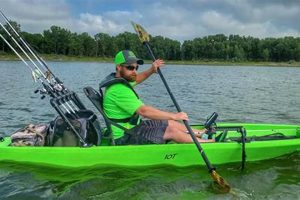
A competitive circuit typically involves multiple tournaments held at different locations over a defined period, often a year. These events draw anglers who use kayaks as their primary fishing platform. Participants compete for prizes, rankings, and often sponsorship opportunities based on the quantity and/or size of fish caught within established rules and regulations.
These circuits provide a structured environment for anglers to test their skills against others, fostering camaraderie and promoting ethical angling practices. The growing popularity of these competitive events reflects the broader expansion of kayak fishing itself, driven by factors such as affordability, accessibility, and the unique angling experience kayaks offer. Such events can also boost local economies through tourism and increased visibility for participating fisheries.
The following sections will delve into specific aspects of competitive kayak angling, covering topics such as tournament formats, popular target species, essential gear and techniques, and the role of conservation within these competitive frameworks.
Tips for Competitive Kayak Angling
Success in tournament kayak fishing requires a combination of skill, strategy, and preparation. The following tips offer guidance for anglers seeking a competitive edge.
Tip 1: Master Boat Control: Precise kayak maneuvering is crucial for efficient fishing. Practice paddling strokes, rudder control, and anchoring techniques to maintain optimal positioning in various conditions, especially wind and current.
Tip 2: Prioritize Pre-Fishing: Thorough scouting of potential fishing spots before the tournament is invaluable. Identify key habitats, depth contours, and prevalent forage to pinpoint productive areas.
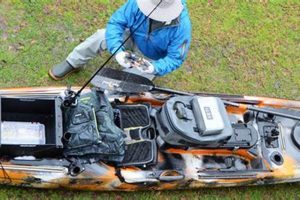
Tip 3: Refine Tackle Management: Efficient organization of rods, reels, lures, and other gear within the limited space of a kayak is paramount. Develop a system that allows quick access to essential equipment while minimizing clutter and tangles.
Tip 4: Understand Target Species Behavior: In-depth knowledge of the target species’ feeding patterns, preferred habitats, and seasonal movements is essential for selecting appropriate lures and presentations.
Tip 5: Adapt to Changing Conditions: Weather patterns, water clarity, and fish behavior can shift rapidly. Flexibility in adapting fishing techniques and strategies is crucial for consistent success.
Tip 6: Practice Catch and Release Techniques: Proper handling and release procedures minimize stress on fish, ensuring their survival and the long-term health of the fishery. Familiarize yourself with best practices for each target species.
Tip 7: Stay Updated on Regulations: Tournament rules and local fishing regulations are subject to change. Remain informed to avoid penalties and ensure compliance.
By focusing on these key aspects of competitive kayak fishing, anglers can significantly improve their performance and overall tournament experience.
With these strategies in mind, the next section will explore specific tournament formats and the unique challenges they present.
1. Tournament Format

Tournament format significantly influences the strategic approach and overall experience within a kayak fishing series. Different formats prioritize various skills and angling techniques, shaping how participants prepare and compete. A common format is the catch-photograph-release (CPR) system, where anglers photograph their catches alongside a measuring board and submit the images for scoring. This format minimizes fish handling and maximizes conservation. Alternatively, some series employ traditional weigh-ins, where captured fish are brought to a central location for weighing and assessment. This format allows for precise measurements but necessitates careful fish handling practices to ensure survival upon release. The chosen format directly impacts angler choices regarding target areas, fishing techniques, and time management strategies throughout the competition.
For instance, CPR tournaments often encourage anglers to cover more water and target a higher quantity of fish, as the focus is on capturing photographic evidence rather than maximizing weight. This can lead to dynamic competition with anglers constantly seeking new fishing grounds. Conversely, weigh-in tournaments may incentivize anglers to focus on specific areas known for holding larger specimens, potentially leading to more strategic, location-based angling. Understanding these nuances is crucial for pre-tournament preparation, allowing anglers to tailor their strategies and equipment choices to the specific format. The format also influences the overall pace and intensity of the competition, shaping the experience for both participants and spectators.
In summary, tournament format acts as a foundational element of any kayak fishing series, impacting angler behavior, competitive dynamics, and conservation efforts. Recognizing the implications of different formats is crucial for effective participation and appreciation of the strategic nuances inherent within competitive kayak angling. The choice of format also reflects broader priorities within the series, such as the emphasis on conservation or the desire to showcase large trophy fish. This understanding provides a framework for analyzing competitive outcomes and appreciating the diverse skillsets exhibited within these events.
2. Target Species

Target species selection significantly influences the structure and character of a kayak fishing series. The chosen species dictates location choices, tournament formats, and required gear, shaping the overall angler experience. Understanding the biological and behavioral characteristics of target species is crucial for competitive success and sustainable fishing practices within these series.
- Habitat Preferences
Target species’ habitat preferences determine the types of environments featured in a series. For example, a series focusing on largemouth bass might feature freshwater lakes and reservoirs, while a redfish series would likely target coastal estuaries and saltwater marshes. Knowledge of preferred habitats allows anglers to anticipate fish location and behavior during competition. This includes understanding factors like depth, vegetation, water temperature, and structure type (e.g., rocks, docks, submerged timber).
- Seasonal Patterns
Seasonal variations in fish behavior, such as spawning migrations or changes in feeding patterns, influence the timing and location of tournaments within a series. A series targeting striped bass, for example, might schedule events in spring to coincide with their spawning runs up coastal rivers. Understanding these patterns allows anglers to predict fish behavior and adapt techniques accordingly. This might involve using specific lures that mimic seasonal prey or focusing efforts during periods of peak feeding activity.
- Conservation Concerns
The conservation status of target species is a crucial factor in determining fishing regulations and promoting sustainable practices within a kayak fishing series. Series often incorporate catch-and-release guidelines and size limits to protect vulnerable populations. For example, a series targeting bonefish, a species susceptible to overfishing, might implement strict catch-and-release protocols to ensure population health. Educational initiatives within the series can also raise awareness about conservation best practices among participants.
- Angling Techniques
Target species characteristics often dictate the most effective angling techniques. A series targeting trout in clear mountain streams might emphasize fly fishing techniques, while a series focused on offshore pelagic species like tuna might involve trolling or live bait fishing. This specialization within series promotes the development and refinement of specific angling skills among participants. It also influences the choice of tackle, equipment, and kayak configurations tailored for specific target species and fishing styles.
By considering these facets of target species selection, kayak fishing series organizers can create engaging and sustainable competitive platforms. This approach fosters a deeper understanding of aquatic ecosystems among anglers while providing opportunities to refine species-specific angling skills. Furthermore, incorporating conservation principles into series design ensures the long-term health of target populations and the sustainability of the sport itself.
3. Location Variety
Location variety is a defining characteristic of many kayak fishing series, enriching the competitive experience and offering diverse angling challenges. The range of locations within a series exposes anglers to different ecosystems, fish species, and environmental conditions, fostering adaptability and broadening skill sets. Examining the facets of location variety reveals its impact on tournament dynamics and angler performance.
- Geographic Diversity
Series often encompass geographically diverse locations, ranging from inland lakes and rivers to coastal estuaries and open ocean environments. This geographic diversity exposes anglers to varying water conditions, including temperature, salinity, and current patterns. For example, a series might include tournaments in both a deep, clear mountain lake and a shallow, brackish estuary, requiring anglers to adapt their techniques and tackle accordingly. This expands the scope of angling knowledge and requires participants to master diverse approaches.
- Habitat Complexity
Varying habitat complexity within different locations adds another layer of challenge. Some tournament locations might feature dense vegetation requiring specialized kayak maneuvering and lure presentations, while others might emphasize open water scenarios demanding long-distance casting and trolling techniques. This variety necessitates a broader range of fishing skills and equipment choices. Anglers proficient in navigating complex river systems with fallen trees and submerged obstacles gain a competitive edge in specific events, while those adept at open-water techniques excel in different settings.
- Species Diversity
Location variety often translates to diverse target species within a kayak fishing series. A series spanning multiple geographic regions might target largemouth bass in one location and redfish in another, each requiring specific angling knowledge and techniques. This fosters a broader understanding of fish behavior and ecology among participants. Furthermore, it encourages anglers to develop proficiency in diverse angling approaches, ranging from finesse presentations for bass to power fishing techniques for larger saltwater species.
- Logistical Considerations
The logistical demands of traveling to various locations add a layer of complexity to kayak fishing series. Anglers must consider factors such as transportation of kayaks and equipment, accommodation arrangements, and pre-fishing scouting in unfamiliar waters. This logistical planning becomes an integral part of the competitive experience, requiring organizational skills and adaptability to changing travel conditions. Successfully navigating these logistical challenges can significantly influence overall tournament performance and adds another dimension to the competition.
In conclusion, location variety enhances the depth and complexity of kayak fishing series, demanding adaptability and a wide range of angling skills. This diversity fosters a more comprehensive angling experience, pushing participants to broaden their knowledge base and refine their techniques across various ecosystems and target species. The logistical challenges associated with navigating diverse locations further contribute to the overall competitive landscape, rewarding anglers who are not only skilled on the water but also adept at planning and preparation.
4. Skill Development
Kayak fishing series provide a structured environment conducive to angler skill development. Consistent participation fosters improvement in several key areas, directly impacting competitive performance and overall angling proficiency. The competitive nature of these series pushes anglers to refine techniques, adapt to diverse conditions, and deepen their understanding of fish behavior and aquatic ecosystems.
One crucial skill honed through series participation is boat control. Precise kayak maneuvering is essential for efficient fishing, enabling anglers to position themselves effectively in various conditions, including wind, current, and complex shoreline structures. Regular tournament experience reinforces efficient paddling techniques, rudder control, and anchoring strategies, leading to improved boat handling and strategic positioning. Furthermore, series participation exposes anglers to a variety of aquatic environments, requiring adaptation to diverse habitat types and water conditions. This fosters a broader understanding of how environmental factors influence fish behavior and location, leading to more effective fishing strategies.
Competitive kayak fishing also enhances fish-finding skills. Regular exposure to different bodies of water within a series compels anglers to refine their ability to locate fish using a combination of electronic tools, such as sonar and GPS, and traditional techniques, including observation of water conditions, vegetation patterns, and baitfish activity. The pressure to perform in a tournament setting accelerates the development of these skills, encouraging anglers to analyze information quickly and make informed decisions about where to focus their efforts. Finally, participating in a series reinforces ethical angling practices and conservation awareness. Many series promote catch-and-release principles and adhere to strict regulations regarding fish handling and size limits. This consistent exposure to conservation-minded practices instills responsible angling habits and promotes a deeper understanding of sustainable fishery management among participants. The development of these skills through kayak fishing series not only enhances individual angling proficiency but also contributes to the long-term health of aquatic ecosystems.
5. Conservation Efforts

Conservation efforts are increasingly integral to kayak fishing series, reflecting a growing awareness of the importance of sustainable angling practices. Integrating conservation principles into these competitive frameworks ensures the long-term health of fisheries and promotes responsible stewardship among participants. This section explores key facets of conservation efforts within kayak fishing series, highlighting their role in preserving aquatic ecosystems.
- Catch-and-Release Practices
Catch-and-release is a cornerstone of conservation in many kayak fishing series. This practice minimizes fish mortality associated with tournaments, allowing captured fish to return to the ecosystem and contribute to healthy populations. Tournament rules often mandate specific handling procedures, such as the use of barbless hooks and wet hands, to reduce stress on fish during the release process. Furthermore, some series employ livewell monitoring and oxygenation systems to ensure fish welfare throughout the competition. Effective implementation of catch-and-release protocols is crucial for minimizing the ecological impact of tournament fishing.
- Habitat Restoration and Enhancement
Many kayak fishing series actively participate in or support habitat restoration and enhancement initiatives. These efforts might involve partnering with local conservation organizations to plant native vegetation, remove invasive species, or improve water quality. Some series organize volunteer events where anglers contribute directly to habitat improvement projects in the areas where they fish. These initiatives demonstrate a commitment to long-term ecosystem health and create a positive feedback loop between competitive angling and environmental stewardship.
- Education and Outreach
Educating anglers about conservation principles is a crucial component of many kayak fishing series. Series organizers often incorporate educational materials, workshops, or presentations into tournament events, raising awareness about sustainable angling practices, local environmental challenges, and the importance of protecting aquatic ecosystems. This outreach component fosters a deeper understanding of conservation issues among participants, empowering them to become advocates for responsible fishing practices within their communities.
- Advocacy and Policy Support
Some kayak fishing series actively engage in advocacy efforts to support policies that protect fisheries and aquatic habitats. This might involve collaborating with conservation organizations to lobby for stronger environmental regulations or participating in public awareness campaigns to promote responsible resource management. By leveraging the collective voice of their participants, these series can contribute to broader conservation efforts at the regional or national level. This engagement with policy issues demonstrates a commitment to long-term sustainability and strengthens the link between recreational fishing and environmental protection.
By incorporating these diverse conservation efforts, kayak fishing series demonstrate a growing commitment to environmental stewardship. These initiatives not only protect the health of aquatic ecosystems but also enhance the overall angling experience by fostering a deeper appreciation for the natural world among participants. The integration of conservation principles into competitive frameworks ensures the long-term sustainability of the sport and strengthens the connection between anglers and the environments they cherish. This evolving approach positions kayak fishing series as valuable partners in broader conservation efforts, contributing to the preservation of healthy fisheries for future generations.
Frequently Asked Questions
This section addresses common inquiries regarding competitive kayak angling circuits.
Question 1: What distinguishes a kayak fishing series from individual tournaments?
A series comprises multiple tournaments held at various locations over a defined period, often a year, accumulating points towards overall rankings and awards. Individual tournaments are standalone events.
Question 2: How does tournament format influence competitive strategy?
Formats like catch-photograph-release (CPR) encourage covering more water for quantity, while weigh-in formats incentivize targeting larger specimens. Understanding the format dictates pre-fishing strategies and equipment choices.
Question 3: How do target species influence location selection within a series?
Target species’ habitat preferences dictate location choices. Bass series might feature freshwater lakes, while saltwater species series focus on coastal or offshore environments.
Question 4: What role does conservation play in kayak fishing series?
Many series prioritize conservation through catch-and-release practices, habitat restoration projects, and angler education initiatives, promoting sustainable angling and ecosystem health.
Question 5: How can anglers prepare for the logistical challenges of a multi-location series?
Careful planning of kayak and equipment transportation, accommodation, and pre-fishing scouting in unfamiliar waters are essential for efficient participation in series spanning diverse locations.
Question 6: What skills are typically developed through participation in a kayak fishing series?
Series participation enhances boat control, fish-finding abilities, strategic decision-making under pressure, adaptation to diverse conditions, and understanding of conservation principles.
Understanding these key aspects of competitive kayak angling provides a solid foundation for potential participants and fosters appreciation for the complexities of these events.
For further information on specific series, rules, and regulations, consult respective tournament organizers.
Kayak Fishing Series
Competitive kayak fishing series represent a dynamic and evolving facet of the sport. This exploration has highlighted key components, from tournament formats and target species considerations to the importance of location variety and skill development. The integration of conservation efforts within these series underscores a commitment to responsible angling practices and the long-term health of aquatic ecosystems. Understanding these elements provides a comprehensive overview of the complexities and nuances inherent within these competitive circuits.
The future of kayak fishing series likely involves continued growth and diversification, attracting new participants and pushing the boundaries of competitive angling. As these series evolve, maintaining a focus on sustainable practices and angler education will remain crucial for ensuring the long-term viability of the sport and the preservation of the aquatic environments upon which it depends. Continued engagement and thoughtful stewardship will shape the future trajectory of competitive kayak angling, ensuring its enduring appeal and positive impact on the angling community and the natural world.