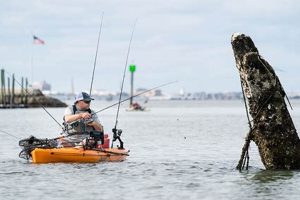
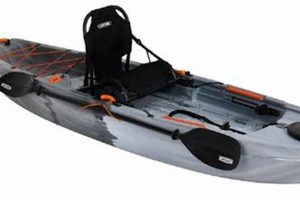
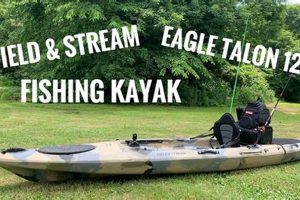
Paddling through the tranquil, shallow waters of the Lower Florida Keys offers anglers a unique opportunity to pursue a variety of prized sport fish. This style of fishing provides access to flats, mangroves, and backcountry channels often inaccessible by larger vessels, allowing for close encounters with bonefish, tarpon, permit, snook, and redfish. Small, maneuverable kayaks provide a stealthy approach, minimizing disturbance to the marine environment and enhancing the angling experience.
The combination of shallow-water access and minimal environmental impact makes this type of angling highly effective and increasingly popular. Historically, shallow-water fishing in this region relied on small boats powered by poling or trolling motors. Kayaks offer a quieter, more environmentally friendly approach while providing a physical and engaging experience. This method allows for a deeper connection with the natural environment and provides opportunities for exploration and wildlife observation beyond the pursuit of fish. Its rising popularity also contributes to the local economy through tourism and related industries.
Further exploration of this topic might include detailed discussions of specific techniques, essential equipment, recommended locations within the Lower Keys, relevant regulations, conservation efforts, and the overall impact on the local ecosystem.
Tips for Kayak Fishing in the Lower Keys
Successful angling in the Lower Keys from a kayak requires careful planning and execution. The following tips can enhance safety and improve the chances of a productive fishing experience.
Tip 1: Prioritize Safety Equipment. A properly fitted personal flotation device (PFD) is essential and should be worn at all times. Carry a whistle, signaling mirror, and VHF radio for emergencies. A first-aid kit and sun protection are also crucial.
Tip 2: Understand Tidal Flows. Tides significantly influence fish behavior and accessibility to shallow flats and channels. Consult tide charts before venturing out and plan accordingly. Incoming tides often bring baitfish and larger predators.
Tip 3: Choose Appropriate Tackle. Light to medium tackle is generally suitable for the species commonly found in these waters. Rods and reels should be appropriate for saltwater environments and chosen based on the targeted species.
Tip 4: Practice Stealth and Minimal Disturbance. Avoid sudden movements and loud noises that can spook fish. Approach fishing spots quietly and use a drift sock or anchor to maintain position without paddling.
Tip 5: Respect the Environment. Practice catch-and-release whenever possible to preserve fish populations. Avoid disturbing seagrass beds and coral formations, vital habitats for marine life.
Tip 6: Employ Effective Fishing Techniques. Techniques such as sight fishing, fly fishing, and light tackle spinning can be highly effective. Local fishing guides can provide valuable insights into successful strategies.
Tip 7: Check Weather Conditions. Wind and weather can change rapidly in the Keys. Always check forecasts before heading out and be prepared to adjust plans based on conditions.
By adhering to these guidelines, anglers can maximize their enjoyment and success while minimizing risks and promoting responsible fishing practices.
These considerations enhance both angling success and the preservation of the Lower Keys’ delicate ecosystem. Planning and informed decision-making are key components of a rewarding experience.
1. Quiet Approach

A quiet approach is paramount for successful kayak fishing in the Lower Keys. The shallow, clear waters of this region make fish highly susceptible to noise and disturbances. Minimizing sound and visual disruption significantly increases angling success.
- Reduced Fish Spooking
Kayaks, particularly when paddled smoothly, produce minimal noise compared to motorized boats. This allows anglers to approach fish without alarming them, increasing opportunities for close-range presentations and hookups. Fish in shallow water are easily startled by engine noise and vibrations, making a quiet approach essential for success.
- Enhanced Sight Fishing Opportunities
The quiet nature of kayak fishing enhances sight fishing, a popular technique in the clear flats of the Lower Keys. Anglers can quietly drift or pole along shallow flats, visually locating fish like bonefish, permit, and redfish before making a cast. Motorized boats often create visual disturbances that scatter fish, hindering sight fishing.
- Improved Wildlife Observation
Beyond fishing, a quiet approach allows for closer observation of the diverse wildlife inhabiting the Lower Keys. Birds, dolphins, manatees, and other marine life are less likely to be disturbed by a kayak, offering unique opportunities for nature viewing. The tranquility also enhances the overall fishing experience.
- Minimized Environmental Impact
Reduced noise pollution contributes to a healthier marine environment. Unlike motorized vessels, kayaks do not introduce engine noise or exhaust fumes into the water, minimizing disturbance to fish and other aquatic life. This sustainable approach preserves the natural ecosystem for future generations.
The quiet approach facilitated by kayak fishing is integral to the overall experience in the Lower Keys. It not only improves angling success but also fosters a deeper connection with the natural environment and promotes sustainable fishing practices. This low-impact approach benefits both anglers and the delicate ecosystem they engage with.
2. Shallow Water Access
Shallow water access is a defining characteristic of lower keys kayak fishing and a primary reason for its popularity. The shallow flats, creeks, and backcountry channels of the Lower Keys hold a rich diversity of fish species, but these areas are often inaccessible to larger, deeper-draft boats. Kayaks, with their minimal draft, provide an ideal platform for exploring these productive fishing grounds.
- Reaching Untapped Fishing Grounds
Kayaks excel in navigating shallow, often uncharted waters. This allows anglers to reach areas teeming with fish, including bonefish, permit, tarpon, and snook, that remain untouched by conventional fishing methods restricted by deeper drafts. These shallow-water havens often harbor juvenile fish and provide feeding grounds for larger predators, offering anglers unique fishing opportunities.
- Stealthy Approach in the Shallows
The minimal draft of a kayak also allows for a stealthy approach in shallow water. Anglers can quietly drift or pole across flats without disturbing the bottom or creating excessive noise, maximizing their chances of spotting and hooking wary fish. This is particularly advantageous when sight-fishing for species like bonefish and permit, which are easily spooked by disturbances.
- Exploring Diverse Habitats
The shallow water environments of the Lower Keys encompass a diverse range of habitats, including seagrass beds, mangrove forests, and tidal creeks. Kayaks provide the maneuverability to navigate these complex ecosystems, allowing anglers to target different species within their preferred habitats. This versatility expands fishing opportunities and adds to the overall experience.
- Tidal Influence and Fish Behavior
Shallow water environments are significantly influenced by tidal fluctuations. Understanding tidal patterns is crucial for successful kayak fishing in the Lower Keys. Incoming tides often bring baitfish and larger predators onto the flats, while outgoing tides can concentrate fish in deeper channels. Kayaks provide the flexibility to adapt to changing tides and target fish based on their movement patterns.
The ability to access shallow water is integral to the allure of lower keys kayak fishing. It opens up a world of fishing opportunities unavailable to other angling methods, allowing for close encounters with prized game fish in their natural habitat. This unique access, combined with the quiet and maneuverable nature of kayaks, creates a rewarding and immersive fishing experience.
3. Diverse Species

The Lower Florida Keys, with their intricate network of shallow flats, mangrove forests, and deeper channels, support a remarkably diverse fish population. This rich biodiversity is a key attraction for kayak anglers, offering opportunities to target a wide range of species using various techniques.
- Inshore Game Fish
The shallow flats and backcountry waters of the Lower Keys are prime habitat for sought-after inshore game fish. Bonefish, known for their speed and challenging fight, are a popular target. Permit, prized for their elusiveness and selectivity, test an angler’s skill. Tarpon, powerful acrobatic fish, provide an exhilarating angling experience. These species thrive in the shallow, clear waters accessible by kayak, making the Lower Keys a premier destination for inshore saltwater fly fishing and light tackle angling.
- Reef Fish
While often associated with deeper water, many reef fish species venture into the shallower areas accessible to kayak anglers. Snapper, grouper, and barracuda can be found near patch reefs, rock formations, and even around mangrove roots. Kayak fishing allows anglers to explore these nearshore reef habitats without the need for larger boats, offering a unique and accessible reef fishing experience.
- Other Pelagic Species
Beyond the resident inshore and reef species, the Lower Keys also attract various pelagic fish. Mackerel, jacks, and even occasional sharks can be encountered while kayak fishing, adding an element of surprise and excitement to the experience. These migratory species often follow baitfish into shallower waters, providing opportunities for kayak anglers to intercept them.
- Grand Slam Potential
The diversity of fish species in the Lower Keys creates the possibility of achieving a “flats grand slam”catching a bonefish, permit, and tarpon all in one day. While a challenging feat, the Lower Keys provide a realistic opportunity to pursue this prestigious accomplishment due to the presence of all three species in accessible kayak fishing grounds.
The diverse fish populations of the Lower Keys are a significant draw for kayak anglers. The ability to target a variety of species in a pristine natural setting enhances the angling experience. From the technical challenges of pursuing bonefish on the flats to the unexpected thrill of encountering pelagic species, the biodiversity of the Lower Keys ensures a dynamic and rewarding kayak fishing adventure.
4. Specialized Equipment

Specialized equipment plays a crucial role in the success and enjoyment of lower keys kayak fishing. The unique environment and target species demand gear tailored to shallow water angling and the pursuit of often powerful game fish. Appropriate equipment enhances an angler’s ability to navigate shallow flats, present lures effectively, and handle strong fish, while also prioritizing safety and comfort.
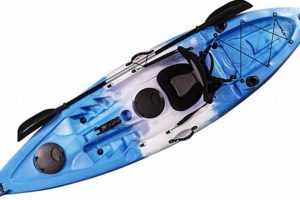
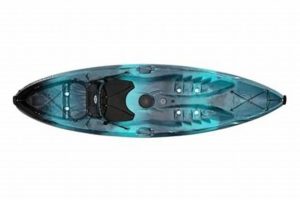
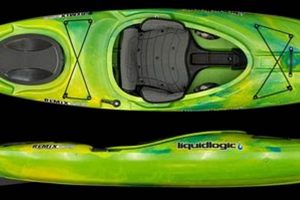
Shallow-draft kayaks designed for stability and maneuverability are essential. These kayaks often feature features like rod holders, anchor trolleys, and storage compartments specifically designed for fishing. Lightweight, saltwater-resistant rods and reels spooled with appropriate line are necessary for targeting species like bonefish, permit, and tarpon. Tackle choices further specialize based on the target species and fishing techniques employed, encompassing fly fishing gear, light spinning tackle, or baitcasting setups. Specialized fishing accessories, including push poles for navigating shallows, drift socks for controlling drift in currents, and specialized pliers and cutters for handling fish and tackle, contribute significantly to angling success.
For example, when targeting bonefish on the flats, a shallow-draft kayak allows anglers to quietly approach feeding fish without disturbing the shallow bottom. A push pole provides precise maneuverability, allowing for subtle adjustments in position. A lightweight fly rod and specialized fly line facilitate accurate presentations of small shrimp or crab imitations. Similarly, when pursuing tarpon in deeper channels, a heavier spinning rod and reel spooled with braided line provide the strength and capacity needed to handle these powerful fish. A comfortable seat and appropriate personal flotation device contribute to an angler’s overall comfort and safety throughout the day. Selecting specialized equipment based on target species and fishing conditions is essential for maximizing success and enjoyment in this unique environment.

Effective navigation is essential for a successful and safe kayak fishing experience in the Lower Keys. The intricate network of shallow flats, winding channels, and mangrove islands requires careful planning and execution. Proficient navigational skills allow anglers to maximize fishing time, access productive areas, and ensure safe passage through the diverse and sometimes challenging waters of this region. Understanding tidal influences, interpreting nautical charts, and utilizing navigational aids are crucial components of successful Lower Keys kayak fishing.
- Tidal Currents and Water Depth
Tidal currents significantly impact kayak navigation in the Lower Keys. Strong currents can create challenging paddling conditions, especially in narrow channels and around points. Understanding tidal flows is crucial for planning routes, conserving energy, and accessing shallow flats safely. Knowledge of water depths is equally important, as shallow areas and submerged obstacles pose risks to kayaks. Consulting tide charts and nautical charts before and during trips is essential for safe and efficient navigation. Failure to account for tidal changes can lead to stranding or difficulty returning to launch points.
- Chart Reading and GPS Utilization
Nautical charts provide crucial information about water depths, channels, hazards, and navigational markers. Interpreting these charts accurately is fundamental to planning routes and navigating safely. GPS devices complement chart reading by providing real-time location information and assisting in route tracking. Combining traditional chart reading skills with modern GPS technology enhances navigational accuracy and situational awareness in the complex waters of the Lower Keys.
- Landmark Recognition and Triangulation
Recognizing prominent landmarks and utilizing triangulation techniques aids navigation, especially in areas with limited visibility or when electronic navigation tools fail. Identifying distinct features on land, such as prominent trees, buildings, or navigation markers, allows anglers to orient themselves and maintain course. Triangulation, the process of using multiple landmarks to pinpoint location, enhances navigational accuracy and provides a backup to electronic systems.
- Weather Interpretation and Contingency Planning
Weather conditions can change rapidly in the Lower Keys, impacting navigation and safety. Anglers must be adept at interpreting weather forecasts and recognizing signs of changing conditions on the water. Developing contingency plans for unexpected weather events, such as sudden squalls or shifts in wind direction, is essential. Knowing safe havens and alternative routes ensures angler safety and preparedness in dynamic weather conditions.
Proficient navigation skills are integral to a successful and safe kayak fishing experience in the Lower Keys. By understanding tidal influences, interpreting charts and GPS data, recognizing landmarks, and adapting to changing weather, anglers can confidently explore the diverse waters of this region, maximize fishing opportunities, and ensure a safe and enjoyable outing.
6. Conservation Practices

Conservation practices are integral to the sustainability of lower keys kayak fishing. This unique ecosystem, characterized by shallow flats, vibrant seagrass beds, and intricate mangrove systems, supports a diverse range of fish species and other marine life. Kayak fishing, due to its low-impact nature, offers an environmentally responsible way to engage with this delicate environment, provided anglers adhere to conservation-minded practices. The direct interaction with the habitat underscores the importance of responsible stewardship.
Several key conservation practices are crucial. Catch-and-release fishing, particularly for bonefish, permit, and tarpon, helps maintain healthy fish populations. Using appropriate tackle and fishing techniques minimizes stress on fish during the catch-and-release process. Avoiding contact with sensitive habitats, such as seagrass beds and coral reefs, prevents damage to these vital ecosystems. Proper disposal of fishing line and other debris mitigates pollution and its impact on marine life. For example, discarded fishing line can entangle birds, turtles, and other marine animals, causing injury or death. Similarly, anchoring on seagrass beds can cause damage, disrupting essential habitat for fish and other organisms. Supporting organizations dedicated to conservation and habitat restoration further contributes to the long-term health of the Lower Keys ecosystem.
The interconnectedness of the Lower Keys ecosystem requires a holistic approach to conservation. Responsible angling practices directly contribute to the preservation of this valuable resource. By prioritizing conservation, kayak anglers can ensure the long-term health of fish populations, protect sensitive habitats, and maintain the quality of the fishing experience for future generations. Challenges such as increasing fishing pressure and habitat degradation necessitate continued vigilance and proactive conservation efforts. The future of lower keys kayak fishing hinges on the responsible actions of those who enjoy this unique and rewarding pursuit.
7. Safety Precautions
Safety precautions are paramount in lower keys kayak fishing. The remote nature of many fishing locations, combined with the potential for challenging weather conditions and encounters with marine life, necessitates careful planning and preparation. Prioritizing safety ensures an enjoyable and incident-free fishing experience.
- Personal Flotation Devices (PFDs)
A properly fitted PFD is essential and should be worn at all times while kayak fishing. PFDs provide buoyancy and increase the chances of survival in the event of capsizing or unexpected immersion in water. Choosing a PFD designed for paddling and fishing provides comfort and freedom of movement. Regularly inspecting PFDs for wear and tear and ensuring proper fit are crucial safety practices.
- Weather Awareness and Monitoring
Weather conditions in the Lower Keys can change rapidly. Checking marine weather forecasts before embarking on a fishing trip is essential. Monitoring weather conditions throughout the outing allows for adjustments to plans based on changing winds, approaching storms, or other adverse conditions. Having a plan for seeking shelter in case of unexpected weather events is crucial for safety.
- Navigation and Communication Equipment
Carrying essential navigation and communication equipment enhances safety in the remote waters of the Lower Keys. A GPS device or chartplotter assists in navigation, particularly in areas with limited visibility or complex channels. A VHF radio enables communication with other boaters and emergency services in case of distress. A charged mobile phone in a waterproof case provides a backup communication method. Familiarizing oneself with the use of these devices before heading out is crucial.
- Sun Protection and Hydration
The intense sun and heat in the Lower Keys pose significant risks to anglers. Applying sunscreen with a high SPF, wearing a hat and protective clothing, and seeking shade whenever possible minimizes the risk of sunburn and heatstroke. Staying hydrated by drinking plenty of water throughout the day is essential, especially during strenuous paddling and fishing activities. Dehydration can impair judgment and reaction time, increasing the risk of accidents.
Adhering to these safety precautions significantly mitigates risks associated with lower keys kayak fishing. Careful planning, appropriate equipment, and continuous awareness of environmental conditions contribute to a safe and enjoyable experience. Prioritizing safety allows anglers to focus on the rewarding aspects of fishing while minimizing potential hazards in this unique and dynamic environment.
Frequently Asked Questions
This section addresses common inquiries regarding kayak fishing in the Lower Keys, providing concise and informative responses to assist anglers in planning and executing successful fishing trips.
Question 1: What are the primary target species for kayak anglers in the Lower Keys?
Targeted species include bonefish, permit, tarpon, snook, redfish, and various reef fish such as snapper and grouper. The diverse ecosystem supports a variety of fish species accessible to kayak anglers.
Question 2: What type of kayak is recommended for fishing in the Lower Keys?
Sit-on-top kayaks designed for stability and maneuverability are generally recommended. These kayaks offer ease of entry and exit, as well as ample storage for fishing gear. Specific features, such as rod holders and anchor trolleys, enhance the fishing experience.
Question 3: Are fishing licenses required for kayak fishing in the Lower Keys?
A valid Florida saltwater fishing license is required for anglers targeting saltwater species. Licenses can be obtained online through the Florida Fish and Wildlife Conservation Commission or at authorized vendors. Regulations regarding license requirements and catch limits should be reviewed prior to fishing.
Question 4: What are the best times to fish in the Lower Keys?
Fishing can be productive year-round, but specific species may be more active during certain seasons. Tide changes, water temperature, and weather patterns influence fish behavior. Local fishing guides and resources can provide detailed information about seasonal fishing patterns.
Question 5: What safety precautions are essential for kayak fishing in the Lower Keys?
Essential safety precautions include wearing a personal flotation device (PFD), checking weather conditions before and during outings, carrying a VHF radio or other communication device, and informing someone of planned fishing locations and return times. Understanding navigational markers and hazards is also crucial.
Question 6: Are guided kayak fishing tours available in the Lower Keys?
Numerous guided kayak fishing tours are available, catering to various skill levels and targeting specific species. Experienced guides provide valuable insights into local fishing techniques, regulations, and navigation. Guided tours can enhance the fishing experience, especially for those unfamiliar with the area.
Careful planning, appropriate equipment, and adherence to safety guidelines contribute significantly to successful kayak fishing experiences in the Lower Keys. Understanding local regulations and conservation practices ensures the sustainability of this unique fishery.
Additional resources, including local fishing reports, tide charts, and information about guided tours, can be found online and through local outfitters.
Lower Keys Kayak Fishing
This exploration of Lower Keys kayak fishing has highlighted the unique opportunities and considerations inherent in this pursuit. From the specialized equipment and navigational skills required to the diverse species and conservation practices essential for sustainability, the intricacies of this angling experience have been examined. The quiet approach afforded by kayaks grants access to shallow-water ecosystems teeming with life, offering anglers a chance to connect with the natural environment while pursuing prized game fish. Understanding tidal influences, weather patterns, and safety precautions are crucial for maximizing both success and personal well-being.
The future of Lower Keys kayak fishing rests on the continued commitment to responsible angling practices and environmental stewardship. Preserving the delicate balance of this ecosystem ensures the longevity of this rewarding pursuit for generations to come. Through informed decision-making, respect for the environment, and a dedication to conservation, the unique experience of Lower Keys kayak fishing can remain a vibrant and sustainable part of the angling landscape.