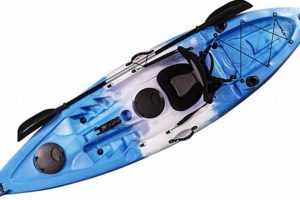
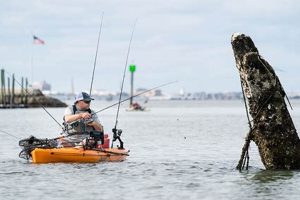
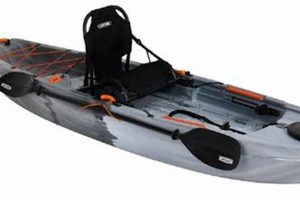
A kayak designed for angling requires specific features to accommodate larger individuals. These features include a higher weight capacity, a wider and more stable hull design, and ample storage for fishing gear. A properly outfitted vessel of this type offers a stable and efficient platform for fishing in various bodies of water. Consider, for example, a sit-on-top model equipped with rod holders, a spacious tank well, and a comfortable, supportive seat capable of accommodating heavier weights.
Specialized watercraft designed for heavier anglers provide enhanced safety and stability, allowing individuals to enjoy the sport of fishing with confidence. Historically, options for larger individuals were limited. However, advancements in kayak design and materials have led to the development of durable, stable platforms capable of supporting substantial weight while maintaining maneuverability and performance. This improved accessibility has opened up opportunities for a wider range of individuals to experience the benefits of kayak fishing.
This discussion will further explore key considerations for selecting appropriate watercraft for heavier anglers, including factors such as weight capacity, hull design, features, and materials. Further topics will include essential safety equipment and techniques for safe and enjoyable kayak fishing experiences.
Tips for Selecting a Fishing Kayak for Larger Individuals
Choosing the right kayak is crucial for safety and enjoyment on the water. Careful consideration of several key factors will ensure a successful and rewarding fishing experience.
Tip 1: Prioritize Weight Capacity: Exceeding the manufacturer’s stated weight capacity can compromise stability and lead to capsizing. Calculate total weight, including body weight, gear, and potential catches, to ensure ample margin.
Tip 2: Consider Hull Design: Wider, flatter hulls offer greater stability than narrower designs. A sit-on-top kayak is often preferred for its inherent stability and ease of entry and exit.
Tip 3: Evaluate Seat Comfort and Support: A comfortable, supportive seat is essential for extended fishing trips. Look for adjustable features and ample padding to ensure proper back support and comfort.
Tip 4: Assess Storage Options: Adequate storage is necessary for fishing gear, tackle boxes, and personal items. Consider integrated rod holders, tank wells, and dry storage compartments.
Tip 5: Choose Durable Materials: Select kayaks constructed from robust materials like high-density polyethylene (HDPE) to withstand impacts and the rigors of fishing environments.
Tip 6: Test Before Purchasing: If possible, test paddle different models to determine the best fit for individual needs and preferences. This allows for assessment of stability, maneuverability, and comfort.
Tip 7: Check for Features: Look for features that enhance fishing functionality, such as integrated rod holders, paddle parks, and anchor trolleys.
By carefully considering these tips, individuals can select a kayak that provides stability, comfort, and functionality, ultimately leading to a more enjoyable and productive fishing experience.
These considerations are crucial for ensuring not only a successful fishing trip but also the safety and comfort of the angler. The following section will conclude with additional recommendations for enhancing safety and optimizing on-the-water experiences.
1. Capacity

Capacity, referring to the maximum weight a kayak can safely support, is paramount when selecting a fishing kayak for a larger individual. This metric directly impacts stability and safety. Insufficient capacity can lead to instability, a higher risk of capsizing, and potentially dangerous situations, especially in challenging water conditions. For a 300lb individual, the kayak’s capacity must accommodate not only body weight but also the combined weight of fishing gear, accessories, and potential catch. For example, a kayak with a stated capacity of 350lbs might seem sufficient for a 300lb angler. However, adding 20lbs of fishing gear and a 30lb fish quickly exceeds the limit, compromising stability and safety. Therefore, a higher capacity, often 400lbs or more, is recommended for individuals in this weight range to ensure a safe margin.
The practical significance of understanding capacity cannot be overstated. It directly translates to the angler’s ability to confidently and safely navigate the water. A kayak with ample capacity provides a stable platform for casting, reeling, and landing fish, even in rough conditions. Furthermore, it allows for comfortable movement within the kayak without fear of tipping. Conversely, an overloaded kayak becomes unstable, difficult to maneuver, and presents a significant safety hazard. Investing in a kayak with appropriate capacity is a crucial step in ensuring an enjoyable and safe fishing experience.
In conclusion, capacity is a fundamental consideration when choosing a fishing kayak, particularly for larger individuals. Prioritizing a kayak with sufficient capacity, accounting for all anticipated weight, is paramount for ensuring stability, safety, and overall enjoyment on the water. Failure to adequately address capacity can significantly compromise safety and detract from the fishing experience. This understanding underscores the critical role of capacity in informed kayak selection.
2. Width and Stability

Width and stability are inextricably linked in kayak design, particularly for kayaks intended for heavier individuals. A wider hull inherently provides greater stability, resisting the tendency to tip or capsize. This is crucial for anglers of higher weight, as their center of gravity sits higher, making them more susceptible to instability. A wider kayak provides a more stable platform for casting, reeling, and landing fish, especially in challenging conditions like wind or choppy water. For example, a kayak with a beam (width) of 34 inches will offer significantly more primary stability than a kayak with a beam of 30 inches, all other design factors being equal. This increased stability is essential for heavier anglers to maintain balance and prevent capsizing. A stable kayak enables greater freedom of movement, allowing anglers to shift weight, cast in various directions, and fight fish without compromising balance.
The relationship between width and stability becomes even more critical when considering the added weight of fishing gear and potential catches. A wider, more stable kayak can better accommodate these additional weights without significantly compromising performance or safety. Consider an angler landing a large fish; the sudden shift in weight and the potential for the fish to pull the kayak off balance are amplified in a narrower, less stable vessel. A wider kayak mitigates this risk, providing a more secure and stable platform throughout the fishing experience. Furthermore, wider kayaks often feature a flatter hull design, which further contributes to stability, particularly in calmer waters. This design characteristic allows anglers to stand up and fish, providing a better vantage point and increased casting range an advantage especially beneficial in shallow water or sight fishing scenarios.
In conclusion, the importance of width and its direct impact on stability cannot be overemphasized when selecting a fishing kayak for a larger individual. A wider hull provides a more secure and stable platform, enabling greater freedom of movement and mitigating the risks associated with higher weight and the dynamics of fishing. This enhanced stability is essential for not only comfort but also for safety, particularly in challenging conditions or when handling larger fish. Understanding this relationship empowers informed decision-making, leading to the selection of a kayak that promotes both enjoyment and safety on the water.
3. Comfort and Support
Comfort and support are critical factors influencing the overall fishing experience, especially for larger individuals. Extended periods sitting in a kayak necessitate adequate support to prevent discomfort, fatigue, and potential back pain. A well-designed seat with proper lumbar support distributes weight evenly, reducing pressure points and promoting proper posture. This is particularly important for heavier individuals, as their increased weight places greater stress on the seat and back. For example, a high-back seat with adjustable lumbar support and ample padding provides superior comfort compared to a basic molded seat lacking these features. The impact of this difference becomes readily apparent during longer fishing trips, where inadequate support can lead to significant discomfort and even curtail the outing.
The practical implications of comfort and support extend beyond mere physical well-being. Discomfort can distract from the fishing experience, hindering focus and enjoyment. A comfortable angler is a more focused angler, better able to concentrate on the task at hand and react quickly to opportunities. Furthermore, proper support can improve stability, allowing for more confident casting and reeling. An uncomfortable angler may shift and fidget, compromising balance and potentially impacting kayak stability. A supportive and comfortable seating system contributes to overall safety by promoting better posture and balance. Consider the scenario of hooking a large fish; a stable and comfortable seating position allows the angler to maintain control and effectively fight the fish without compromising balance or experiencing discomfort.
In conclusion, comfort and support are essential considerations for any angler, but they become especially critical for larger individuals. Properly designed seating systems with adequate lumbar support and cushioning can significantly enhance the fishing experience by reducing fatigue, promoting proper posture, and improving stability. This translates to not only a more enjoyable outing but also a safer one, allowing anglers to focus on the task at hand and fully appreciate the experience. Overlooking the importance of comfort and support can detract from the overall enjoyment and potentially compromise safety, particularly during longer fishing trips or in challenging conditions.
4. Storage

Adequate storage is a critical consideration when selecting a fishing kayak, particularly for larger individuals. Increased body weight often necessitates larger kayaks, which, while offering enhanced stability, do not inherently guarantee sufficient storage. The angler’s size and the potential for additional gear required by larger individuals underscore the importance of ample, well-designed storage solutions. Insufficient storage can lead to a cluttered cockpit, hindering movement and compromising safety.
- Tank Well Capacity:
A spacious tank well, located at the rear of the kayak, provides secure storage for larger items like tackle boxes, coolers, and even crates for storing catches. A larger tank well is essential for accommodating the increased volume of gear often carried by larger individuals. For example, a larger cooler might be necessary for longer trips, requiring ample tank well space. A bungee system within the tank well is crucial for securing these items, preventing loss or damage in rough conditions.
- Dry Storage Compartments:
Dry storage compartments offer protection from water damage for essential items like phones, wallets, and cameras. Their importance is magnified for heavier anglers who might be fishing in more challenging conditions, where the risk of capsizing or taking on water is higher. Multiple, strategically placed dry storage compartments allow for organized storage and easy access to essential gear. Sealed hatches and waterproof bags further enhance protection against water intrusion.
- Rod Holders:
Integrated rod holders are essential for any fishing kayak, enabling hands-free operation while paddling or attending to other tasks. Flush-mounted or adjustable rod holders offer flexibility and customization, allowing anglers to position rods securely and conveniently. Multiple rod holders are particularly beneficial for anglers targeting different species or utilizing diverse fishing techniques. For larger individuals, rod holders positioned within easy reach are crucial, minimizing the need for excessive movement and maintaining stability.
- Side Storage and Deck Rigging:
Side storage compartments and deck rigging provide additional space for smaller items like pliers, knives, and leader line. These readily accessible storage solutions keep essential tools within reach, streamlining the fishing process and minimizing disruptions. Secure attachment points on the deck allow for customization and the addition of accessories like fish finders or GPS units. For larger individuals, strategically placed side storage options can minimize reaching and maintain balance, enhancing safety and comfort.
The combination of these storage features contributes significantly to a safe, organized, and enjoyable fishing experience for larger individuals. Ample and well-designed storage minimizes clutter, enhances accessibility, and allows anglers to focus on fishing rather than managing gear. A kayak equipped with sufficient storage contributes to a more efficient and rewarding experience on the water.
5. Specialized Features

Specialized features play a crucial role in optimizing fishing kayak functionality and enhancing the overall experience, especially for larger individuals. These features address specific needs and challenges associated with kayak fishing, contributing significantly to both comfort and practicality on the water. The connection between specialized features and kayaks designed for larger individuals is particularly significant due to the increased demands placed on the vessel in terms of stability, capacity, and accessibility.
Consider the example of adjustable foot braces. Proper foot placement is essential for maintaining balance and efficient paddling. Adjustable foot braces accommodate varying leg lengths, ensuring optimal positioning and leverage for larger individuals. This customization directly impacts paddling efficiency, reducing fatigue and enhancing maneuverability. Similarly, integrated rudder systems offer enhanced control and maneuverability, particularly in windy conditions or strong currents. This is especially beneficial for heavier kayaks, which can be more challenging to steer without assistance. Rudder systems allow for precise course corrections and improved tracking, minimizing effort and enhancing overall control. Another example is the presence of multiple rod holders, strategically placed for easy access. This allows anglers to utilize different fishing techniques or target multiple species without constantly rearranging gear, a particularly advantageous feature for larger individuals who may have limited mobility within the kayak.
The practical significance of these specialized features becomes evident when considering the combined effect on the fishing experience. Enhanced stability, improved maneuverability, and convenient access to gear contribute to a more efficient and enjoyable outing. Specialized features mitigate challenges associated with kayak fishing, allowing anglers to focus on the sport itself. For larger individuals, these features are not mere conveniences but rather essential components that enhance safety, comfort, and overall performance on the water. The selection of a kayak with appropriate specialized features directly impacts the angler’s ability to effectively and comfortably enjoy the experience. Therefore, careful consideration of these features is crucial when selecting a fishing kayak designed for the specific needs and challenges faced by larger individuals.
Frequently Asked Questions
This section addresses common inquiries regarding fishing kayaks suitable for larger individuals, focusing on key factors influencing selection, safety, and performance.
Question 1: What is the most important factor to consider when choosing a fishing kayak for a heavier person?
Weight capacity is paramount. The kayak’s stated capacity must exceed the total weight of the angler, gear, and potential catch to ensure safety and stability.
Question 2: Are sit-on-top kayaks recommended for larger individuals?
Sit-on-top kayaks are generally preferred for their inherent stability, self-bailing design, and ease of entry and exit, making them suitable for individuals of all sizes, including larger anglers.
Question 3: How does kayak width affect stability?
Wider kayaks offer greater stability, especially for heavier individuals. Increased width provides a larger base of support, reducing the likelihood of tipping or capsizing.
Question 4: What features should one look for in a fishing kayak seat for a larger person?
A comfortable and supportive seat is essential. Look for adjustable features, ample padding, and robust construction to accommodate higher weights and provide adequate back support during extended fishing trips.
Question 5: Is it important to test a kayak before purchasing?
Testing a kayak, if feasible, is highly recommended. It allows potential buyers to assess stability, comfort, and maneuverability firsthand, ensuring the kayak meets individual needs and preferences.
Question 6: How does one determine the appropriate kayak length for a larger angler?
While weight capacity is the primary determinant, length influences tracking and speed. Longer kayaks generally track straighter and glide more efficiently, but shorter kayaks offer enhanced maneuverability, particularly in tighter spaces.
Careful consideration of these factors ensures selection of a fishing kayak providing stability, comfort, and performance suited to the specific needs of larger individuals. Addressing these concerns enhances safety and enjoyment on the water.
The following section will delve into essential safety precautions and recommended practices for kayak fishing.
Fishing Kayak for 300lb Man
Selecting a fishing kayak for a larger individual requires careful consideration of several key factors. Weight capacity, hull design, comfort, storage, and specialized features all contribute significantly to safety, stability, and overall enjoyment on the water. Prioritizing capacity ensures the kayak can safely support the angler’s weight, along with gear and potential catches. A wider, more stable hull design enhances balance and reduces the risk of capsizing. A comfortable and supportive seat, coupled with ample storage solutions, allows for extended fishing trips without compromising comfort or functionality. Specialized features such as adjustable foot braces, rudder systems, and strategically placed rod holders further optimize performance and enhance the fishing experience.
Investing in appropriate equipment tailored to individual needs is essential for maximizing safety and enjoyment in kayak fishing. Careful consideration of these factors empowers informed decision-making, leading to the selection of a kayak that not only meets but exceeds expectations for stability, performance, and comfort. This informed approach fosters confidence on the water and allows anglers of all sizes to fully experience the rewards of kayak fishing.