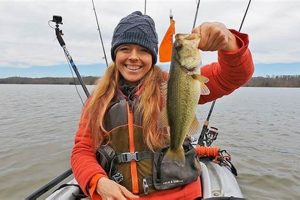
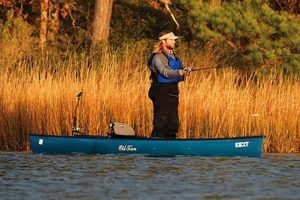
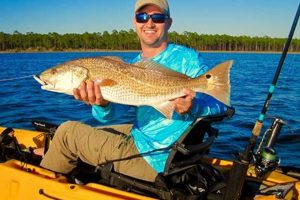
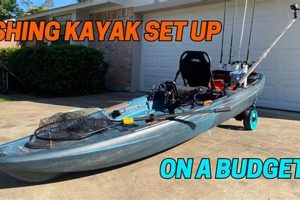
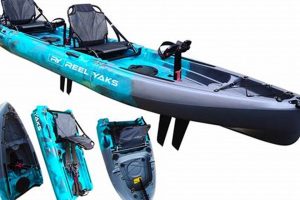
This activity involves angling from a small, human-powered watercraft in the waterways surrounding Cape Coral, Florida. It offers a quiet, maneuverable approach to accessing the diverse estuarine and nearshore marine habitats of the region, allowing anglers to pursue a variety of fish species. The shallow draft of these vessels enables exploration of areas inaccessible to larger boats, opening up prime fishing grounds.
The accessibility and affordability of this pursuit contribute to its popularity. It presents a low-impact way to engage with the natural environment, promoting physical activity and offering a unique perspective on the local ecosystem. The area’s rich history of fishing, combined with the growing interest in watersports, has established this as a favored pastime for residents and visitors alike. Its popularity also supports a local economy through rentals, guided tours, and related businesses.
This exploration will further delve into specific techniques, recommended equipment, ideal locations, and relevant regulations for engaging in this activity responsibly and successfully within the Cape Coral area.
Tips for Kayak Angling in Cape Coral
Successful angling from a kayak in Cape Coral waters requires preparation and adherence to best practices. The following tips offer guidance for a safe and productive experience.
Tip 1: Prioritize Safety Equipment. Always wear a personal flotation device (PFD). Carry a whistle, signaling mirror, and waterproof communication device. Inform someone of the intended fishing location and estimated return time.
Tip 2: Understand Local Regulations. Obtain the necessary fishing licenses and familiarize oneself with local regulations regarding size and catch limits. Adhere to designated no-fishing zones and respect private property.
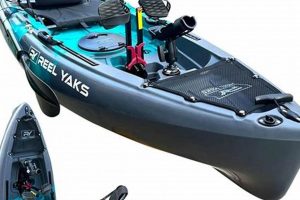
Tip 3: Choose Appropriate Gear. Select a kayak designed for stability and fishing, equipped with rod holders and storage compartments. Use appropriate tackle and bait for targeted species. Consider using a fish finder and GPS.
Tip 4: Plan for Weather Conditions. Check marine weather forecasts before embarking and avoid venturing out in inclement weather. Be aware of tidal currents and wind patterns, and dress accordingly.
Tip 5: Practice Kayak Control. Develop proficient paddling and maneuvering skills before fishing from a kayak. Practice deploying and retrieving anchors and navigating in various water conditions.
Tip 6: Respect the Environment. Practice catch-and-release whenever possible. Properly dispose of fishing line and other waste. Avoid disturbing wildlife and sensitive habitats.
Tip 7: Hire a Guide (Optional). For those unfamiliar with the area, consider hiring a local fishing guide. Guides can provide valuable insights into fishing hotspots, techniques, and local regulations.
Adhering to these guidelines will enhance both safety and the likelihood of a successful fishing trip. Preparation promotes an enjoyable experience while minimizing potential risks and ensuring the preservation of the local ecosystem.
These preparatory steps lay the foundation for a fulfilling fishing experience. The following section will discuss specific locations and target species within Cape Coral.
1. Stable Kayak Choice

Kayak stability forms a cornerstone of successful angling in Cape Coral’s diverse waters. The region’s estuarine environments, characterized by varying currents and tidal flows, demand a stable platform for casting, reeling, and landing fish. A stable kayak minimizes the risk of capsizing, particularly crucial when handling fish or navigating challenging conditions. Consider, for instance, the scenario of hooking a large snook in the Caloosahatchee River’s current. A stable kayak provides the necessary platform to manage the fight without compromising angler safety. Conversely, an unstable kayak in such a situation could easily lead to capsizing and equipment loss.
Kayak stability influences maneuverability and access to prime fishing spots. Cape Coral’s mangrove-lined shorelines and shallow flats offer excellent fishing opportunities, but often require navigating tight spaces. A stable kayak, less prone to tipping, allows anglers to confidently explore these areas and reach otherwise inaccessible fishing grounds. Wider, flatter-bottomed kayaks provide greater initial stability, making them suitable for beginners and calm waters. However, longer, narrower kayaks offer better tracking and efficiency in open water. Choosing the right balance between stability and maneuverability depends on the intended fishing locations within Cape Coral.
Ultimately, kayak stability directly impacts safety, fishing effectiveness, and overall enjoyment. Selecting a stable kayak appropriate for the targeted fishing environment in Cape Coral is an essential first step for any angler. This choice allows for a more focused and productive fishing experience, reducing the risk of accidents and increasing the chances of a successful outing. The connection between stability and successful kayak fishing is undeniable, especially in the dynamic waters of Cape Coral.
2. Appropriate Fishing Gear

Appropriate fishing gear is essential for a successful and enjoyable kayak fishing experience in Cape Coral. The region’s diverse fish species and varying aquatic environments necessitate specific equipment choices. Selecting the correct gear enhances fishing effectiveness, improves safety, and minimizes environmental impact. This section explores key aspects of appropriate fishing gear in the context of Cape Coral’s unique characteristics.
- Rod and Reel Selection
Rod and reel combinations should align with the target species and fishing techniques employed. Shorter rods (6-7 feet) offer better control and maneuverability within the confines of a kayak, particularly valuable in mangrove-lined creeks or shallow flats. Spinning reels, known for their versatility and ease of use, are well-suited for a variety of fishing styles common in Cape Coral, including targeting snook, redfish, and trout. Heavier tackle may be required for larger species like tarpon or sharks, occasionally encountered in nearshore waters accessible by kayak.
- Line and Leader Choice
Line and leader material should match the target species and fishing environment. Braided lines offer high strength and sensitivity, advantageous when fishing around structure or in areas with strong currents, prevalent throughout Cape Corals canals and waterways. Fluorocarbon leaders, practically invisible underwater, are crucial for wary fish like snook and redfish. Leader strength should be adjusted based on the size and fighting ability of the target species and the potential for encountering submerged obstacles.
- Tackle and Bait Considerations
Lure selection plays a crucial role in attracting fish in Cape Coral’s diverse habitats. Artificial lures, such as jigs, topwater plugs, and soft plastics, effectively mimic local baitfish and crustaceans. Live bait, including shrimp, pinfish, and crabs, can be highly effective, especially for larger predatory fish. Understanding the feeding habits of target species is vital for selecting appropriate bait or lures. Carrying a variety of options increases the chance of success in different fishing conditions and for different species.
- Essential Accessories
Essential accessories enhance both safety and fishing effectiveness. A landing net aids in safely landing and releasing fish, minimizing handling stress. A tackle box keeps gear organized and accessible within the limited space of a kayak. Tools like pliers, line cutters, and a knife facilitate line management and hook removal. Carrying a first-aid kit is crucial for addressing minor injuries that may occur during fishing activities.
The careful selection of appropriate fishing gear directly impacts the success and enjoyment of kayak fishing in Cape Coral. The right combination of rod, reel, line, lures, and accessories allows anglers to effectively target the region’s diverse fish species while prioritizing safety and environmental responsibility. By understanding the relationship between gear and the specific challenges and opportunities presented by Cape Coral’s waters, anglers can maximize their chances of a rewarding fishing experience.

Navigational awareness is paramount for safe and successful kayak fishing in Cape Coral. The area’s intricate network of canals, estuaries, and open water presents navigational challenges and opportunities. Proficient navigation maximizes fishing time, minimizes risks, and ensures respect for the environment. Understanding tides, currents, and local regulations is essential for an enjoyable and productive experience. This discussion explores key facets of navigational awareness specific to kayak fishing in Cape Coral.
- Tidal Currents and Flows
Cape Coral’s coastal location means tidal currents significantly influence water movement. Understanding tidal cycles is crucial for navigating shallow areas, accessing prime fishing spots, and conserving energy. Incoming tides can flood shallow flats, providing access to areas otherwise unreachable. Outgoing tides concentrate fish in channels and deeper cuts. Failing to account for tidal currents can lead to grounding, especially in the shallow back bays and mangrove creeks. Consulting tide charts and observing water flow indicators are essential practices for safe and effective navigation.
- Chart Reading and GPS Usage
Navigating Cape Coral’s extensive waterways requires accurate chart reading and GPS utilization. Nautical charts provide detailed information about water depths, channels, hazards, and restricted areas. GPS devices aid in precise positioning and route planning, particularly in areas with limited visibility or complex shorelines. Integrating chart data with GPS information allows anglers to navigate safely, locate fishing hotspots, and return to launch points efficiently. Familiarization with electronic navigation tools enhances situational awareness and contributes to a safer and more productive fishing experience.
- Weather Pattern Recognition
Weather patterns significantly impact kayak fishing conditions in Cape Coral. Sudden storms, strong winds, and changing sea states can create hazardous situations for kayakers. Monitoring weather forecasts before and during fishing trips is essential. Recognizing signs of approaching storms, such as darkening skies, shifting winds, and lightning, allows anglers to seek shelter or return to shore promptly. Proper preparation, including carrying appropriate safety gear and communication devices, is crucial for mitigating weather-related risks.
- Local Navigation Regulations
Navigational regulations govern boating activity within Cape Coral’s waters. Awareness of speed limits, no-wake zones, and restricted areas ensures compliance with local laws and promotes safety. Marked channels and designated areas protect sensitive habitats and ensure safe passage for all watercraft. Understanding and adhering to these regulations contributes to a responsible and sustainable approach to kayak fishing, minimizing the impact on the environment and respecting other waterway users.
Proficient navigational awareness enhances both the safety and effectiveness of kayak fishing in Cape Coral. Understanding and applying these facets of navigation allows anglers to explore the area’s diverse fishing grounds while minimizing risks and contributing to a responsible and sustainable angling practice. Integrating these principles into trip planning and execution significantly increases the likelihood of a successful and enjoyable kayak fishing experience.
4. Local Regulations Knowledge

Adherence to local regulations is crucial for responsible and sustainable kayak fishing in Cape Coral. Understanding and complying with these rules ensures the preservation of the local ecosystem, respects other waterway users, and avoids legal penalties. This knowledge contributes to a positive and sustainable fishing experience within the Cape Coral area. Ignorance of regulations is not a valid defense against enforcement.
- Fishing Licenses and Permits
Obtaining the appropriate fishing licenses and permits is a fundamental requirement for legal angling in Cape Coral. Florida requires saltwater and freshwater fishing licenses, depending on the targeted species and fishing location. Specific permits may be required for certain species or fishing methods. Licenses can be obtained online or through authorized vendors. Carrying a valid license while fishing is mandatory and subject to inspection by law enforcement officials. Failure to possess the correct license can result in fines and legal repercussions.
- Size and Catch Limits
Size and catch limits regulate the harvest of fish species to maintain healthy populations. Regulations specify minimum and maximum sizes for certain species, ensuring that juvenile fish can mature and contribute to the breeding population. Catch limits restrict the number of fish an angler can keep per day or trip. These regulations vary by species and are subject to change based on conservation needs. Accurate identification of species is essential for complying with size and bag limits. Exceeding catch limits or harvesting undersized fish can lead to penalties and negatively impact the sustainability of local fisheries.
- Closed Seasons and Areas
Closed seasons and areas protect vulnerable fish populations during critical periods, such as spawning seasons or periods of environmental stress. Certain areas may be designated as no-fishing zones to safeguard essential habitats or protect sensitive ecosystems. These closures can be seasonal or permanent. Understanding and respecting these restrictions is crucial for conserving fish populations and maintaining the ecological balance of Cape Coral’s aquatic environments. Fishing in closed areas or during closed seasons can result in significant fines and contribute to the depletion of local fish stocks.
- Gear Restrictions
Gear restrictions regulate the types of fishing gear permitted in specific areas or for certain species. These restrictions may include limitations on hook size, net types, or fishing methods. For instance, using certain types of nets might be prohibited in sensitive seagrass beds to minimize habitat damage. Regulations on gear usage contribute to fair fishing practices and minimize bycatch, the unintentional capture of non-target species. Adhering to gear restrictions ensures responsible fishing and minimizes the impact on the overall ecosystem.
Knowledge of local fishing regulations is integral to ethical and sustainable kayak fishing in Cape Coral. Compliance with these regulations demonstrates respect for the environment, ensures fair fishing practices, and contributes to the long-term health of local fish populations. Understanding and adhering to these rules is not merely a legal obligation but a critical component of responsible angling within the Cape Coral ecosystem. By prioritizing local regulations knowledge, kayak anglers actively participate in preserving the area’s valuable natural resources for future generations.
5. Safety Precautions
Safety precautions are paramount in kayak fishing within Cape Coral’s waterways. The environment presents inherent risks, including changing weather conditions, navigation hazards, and the potential for encounters with wildlife. Implementing appropriate safety measures significantly mitigates these risks, promoting a positive and incident-free experience. Neglecting these precautions can lead to serious consequences, impacting personal safety and potentially requiring emergency response. For instance, venturing out without checking weather forecasts can expose anglers to sudden storms or strong winds, creating hazardous conditions on the water. Similarly, ignoring navigational markers or failing to account for tides can result in grounding or collisions.
Several key safety precautions apply specifically to kayak fishing in Cape Coral. Wearing a personal flotation device (PFD) is non-negotiable, providing essential buoyancy in the event of capsizing. Carrying a communication device, such as a waterproof VHF radio or a charged mobile phone in a waterproof case, enables contacting emergency services if necessary. Informing someone onshore of the planned fishing location and estimated return time is crucial, providing a point of contact in case of unexpected delays or emergencies. Carrying a first-aid kit and knowing basic first-aid procedures can address minor injuries that may occur during fishing activities. Awareness of local wildlife, including alligators and sharks, and maintaining a respectful distance contribute to both personal safety and wildlife preservation.
Understanding and implementing these safety precautions is fundamental to responsible kayak fishing in Cape Coral. These practices minimize personal risks, reduce the potential burden on emergency services, and contribute to a more enjoyable and sustainable fishing experience. A comprehensive approach to safety planning is essential for anyone venturing into Cape Coral’s waters, ensuring a safe and rewarding experience for all involved. The interconnectedness of safety awareness and responsible angling practice underscores the importance of prioritizing safety precautions as an integral part of any kayak fishing trip in this dynamic environment.
6. Respect for Environment

Environmental stewardship is integral to sustainable kayak fishing in Cape Coral. The region’s delicate ecosystem thrives on responsible interaction. Disregarding environmental considerations jeopardizes the long-term health of the waterways and the viability of future fishing opportunities. Minimizing environmental impact ensures the preservation of this valuable resource for generations to come. This involves a conscious effort to reduce disturbances and maintain the natural integrity of the area.
- Minimize Disturbance to Wildlife
Wildlife encounters are common occurrences while kayak fishing in Cape Coral. Maintaining a respectful distance from wildlife, avoiding sudden movements, and refraining from feeding animals minimizes disturbance and preserves natural behaviors. Birds nesting in mangrove rookeries, dolphins traversing channels, and manatees grazing in seagrass beds are all integral components of the local ecosystem. Disturbing these animals can disrupt feeding patterns, breeding cycles, and overall habitat utilization. Quiet observation and minimal interaction are essential practices for responsible wildlife encounters.
- Proper Waste Disposal
Proper waste disposal is critical for preserving the pristine environment of Cape Coral’s waterways. Discarded fishing line, plastic packaging, and other debris pose significant threats to marine life and water quality. Fishing line can entangle birds, turtles, and fish, leading to injury or death. Plastic debris pollutes waterways and can be ingested by marine animals, causing digestive problems or introducing toxins into the food chain. Carrying a dedicated trash bag and properly disposing of all waste onshore is a fundamental practice for responsible kayak fishing.
- Catch-and-Release Practices
Catch-and-release fishing is a cornerstone of conservation-minded angling. Returning caught fish to the water promptly and minimizing handling stress helps maintain healthy fish populations. Using appropriate handling techniques, such as wet hands or a landing net, reduces damage to the fish’s protective slime coat. Avoiding prolonged air exposure and handling around sensitive gill areas promotes the fish’s survival after release. Selective harvesting, targeting only species within legal size and bag limits, further contributes to sustainable fisheries management.
- Respect for Sensitive Habitats
Cape Coral’s diverse aquatic environments include sensitive habitats like seagrass beds and mangrove forests. These habitats provide essential nursery grounds for fish, shelter for various species, and contribute to overall water quality. Avoiding anchoring or paddling through seagrass beds minimizes physical damage to these vital ecosystems. Maintaining a safe distance from mangrove shorelines prevents erosion and protects nesting sites for birds and other wildlife. Respecting these sensitive habitats ensures their continued health and productivity, supporting the overall ecological integrity of the area.
Respect for the environment is inseparable from responsible kayak fishing in Cape Coral. Implementing these practices ensures the long-term health of the ecosystem, preserves biodiversity, and contributes to the sustainability of local fisheries. By prioritizing environmental stewardship, kayak anglers become active participants in protecting the natural beauty and ecological integrity of Cape Coral’s waterways for current and future generations. This commitment to responsible angling ensures that the enjoyment of kayak fishing can coexist with the preservation of this valuable natural resource.
7. Target Species Identification

Accurate target species identification is crucial for successful and legal kayak fishing in Cape Coral. The region’s diverse fish fauna necessitates discerning target species from similar-looking species with different regulations, such as size limits, catch limits, or seasonal closures. Misidentification can lead to inadvertent violations, impacting conservation efforts and incurring penalties. Understanding key characteristics of common target species enables anglers to comply with regulations, utilize appropriate fishing techniques, and contribute to sustainable fisheries management.
- Snook Identification
Snook, a prized game fish, inhabit Cape Coral’s estuaries and nearshore waters. Distinguishing snook from similar species like redfish or small tarpon is vital. Snook possess a distinctive black lateral line extending onto the tail fin, a sloping forehead, and a protruding lower jaw. Accurate identification ensures compliance with snook-specific regulations, including size limits and seasonal closures designed to protect breeding populations.
- Redfish Identification
Redfish, another popular target species, share some characteristics with snook but exhibit key differences. Redfish typically display one or more prominent black spots near the base of the tail fin, a more rounded profile, and a copper or bronze coloration. Correctly identifying redfish is essential for adhering to specific regulations and employing effective fishing techniques tailored to their behavior.
- Spotted Seatrout Identification
Spotted seatrout, abundant in Cape Coral’s grass flats, require careful identification due to regulations distinct from other inshore species. These trout exhibit numerous dark spots scattered across their back and sides, a pronounced canine teeth, and a silvery body. Distinguishing them from similar-looking weakfish or silver perch ensures compliance with size and catch limits specific to spotted seatrout.
- Tarpon Identification
Juvenile tarpon frequent Cape Coral’s canals and backwaters, often encountered by kayak anglers. Identifying juvenile tarpon, sometimes mistaken for other species, is vital due to regulations protecting these fish. Tarpon possess a large, bony mouth, a deeply forked tail, and often display a bluish or greenish coloration on their backs. Recognizing these characteristics ensures compliance with regulations and promotes the conservation of this iconic game fish.
Proficient target species identification enhances both the legality and sustainability of kayak fishing in Cape Coral. By accurately distinguishing target species, anglers contribute to responsible fishing practices, comply with conservation regulations, and maximize their fishing success through targeted techniques. This knowledge empowers anglers to actively participate in preserving the diverse fish populations that make Cape Coral a sought-after fishing destination.
Frequently Asked Questions
This section addresses common inquiries regarding kayak fishing in Cape Coral, providing concise and informative responses to facilitate a safe and productive experience.
Question 1: What are the essential safety precautions for kayak fishing in Cape Coral?
Essential safety measures include wearing a personal flotation device (PFD), carrying a communication device (VHF radio or mobile phone in a waterproof case), informing someone of the fishing plan and estimated return time, checking weather forecasts before embarking, and carrying a first-aid kit.
Question 2: What fishing licenses are required for kayak fishing in Cape Coral?
Florida requires a saltwater fishing license for fishing in marine and estuarine environments. A freshwater fishing license is necessary for fishing in inland freshwater bodies. Specific permits may be required for certain species or fishing methods. Licenses can be obtained online or through authorized vendors.
Question 3: Where are recommended launch points for kayak fishing in Cape Coral?
Numerous public boat ramps and kayak launch sites provide access to Cape Coral’s waterways. Popular locations include the Burnt Store Marina, Matlacha Park, and various neighborhood parks with waterfront access. Researching launch sites in proximity to desired fishing areas is advisable.
Question 4: What are common target species for kayak anglers in Cape Coral?
Common target species include snook, redfish, spotted seatrout, tarpon, snapper, and sheepshead. The specific species encountered can vary depending on the fishing location and season. Accurate species identification is essential for complying with regulations.
Question 5: What are the primary navigational considerations for kayak fishing in Cape Coral?
Navigational awareness involves understanding tidal currents and flows, consulting nautical charts and GPS, recognizing weather patterns, and adhering to local navigation regulations. Awareness of shallow areas, marked channels, and no-wake zones is crucial for safe navigation.
Question 6: What environmental considerations are important for kayak anglers in Cape Coral?
Minimizing environmental impact involves respecting wildlife by maintaining a safe distance and avoiding disturbances, practicing proper waste disposal, adhering to catch-and-release guidelines, and respecting sensitive habitats such as seagrass beds and mangrove forests.
Preparation and responsible angling practices enhance both safety and fishing success. Adhering to regulations and respecting the environment ensures the sustainability of this valuable resource.
For further information, consult local resources such as the Florida Fish and Wildlife Conservation Commission (FWC) and Cape Coral Parks and Recreation.
Kayak Fishing Cape Coral
This exploration has provided a comprehensive overview of kayak fishing within the Cape Coral region. Key aspects discussed include the importance of kayak stability, appropriate fishing gear selection, navigational awareness within the local waterways, adherence to local fishing regulations, essential safety precautions, environmental stewardship, and accurate target species identification. Each element contributes significantly to a successful, safe, and sustainable angling experience. The interconnectedness of these factors underscores the need for a holistic approach to kayak fishing in this dynamic environment.
Responsible engagement with this activity benefits both the angler and the ecosystem. Adherence to best practices ensures the preservation of Cape Coral’s valuable natural resources for future generations. Continued exploration of these principles, combined with a commitment to conservation, will contribute to the long-term viability and enjoyment of kayak fishing in this unique and productive region.