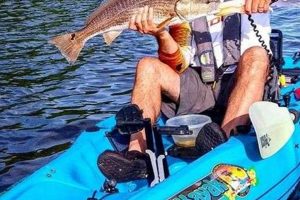
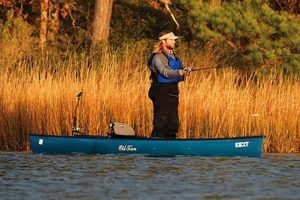
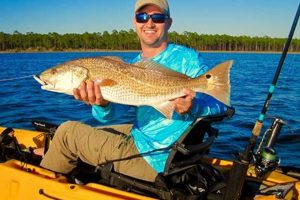
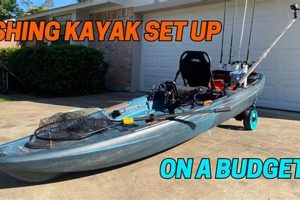
The sport of angling from a small, human-powered vessel offers a unique and accessible way to experience the diverse waterways of the Buckeye State. This method allows for exploration of shallow waters, rivers, lakes, and ponds often inaccessible to larger motorized boats, providing a close-to-nature experience. Imagine casting a line for bass in the quiet backwaters of a secluded cove, or drifting along a scenic river while targeting walleye.
This approach provides a low-impact, environmentally friendly way to enjoy the outdoors and pursue a variety of fish species. It promotes physical activity, offers a sense of tranquility, and connects individuals with the natural world. Historically, small boats have been utilized for fishing, evolving from simple canoes and rafts to modern, purpose-built kayaks designed for stability and angler convenience. This evolution reflects the enduring appeal of this intimate angling experience.
The following sections will explore various aspects of this popular activity, covering topics such as suitable locations, appropriate equipment, recommended species to target, licensing and regulations, and safety considerations for a successful and enjoyable outing.
Tips for Kayak Angling in Ohio
Preparation and knowledge contribute significantly to a successful and enjoyable fishing experience from a kayak. The following tips offer valuable insights for anglers of all skill levels.
Tip 1: Research Suitable Locations: Selecting an appropriate location is paramount. Factors such as water conditions, target species, and access points should be considered. Lake Erie offers excellent smallmouth bass fishing, while the Ohio River provides opportunities for catfish and saugeye. Smaller inland lakes and reservoirs often hold populations of largemouth bass, crappie, and bluegill.
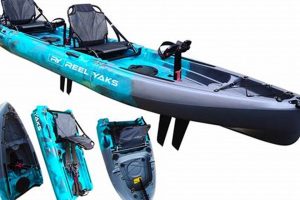
Tip 2: Choose the Right Kayak: Kayak selection depends on individual needs and fishing style. Sit-on-top kayaks offer stability and ease of entry/exit, while sit-inside kayaks provide better protection from the elements. Pedal-driven kayaks allow hands-free fishing and increased maneuverability.
Tip 3: Utilize Essential Safety Gear: A personal flotation device (PFD) is mandatory and should always be worn. A whistle, signaling device, and first-aid kit are also crucial. Carrying a dry bag for electronics and other valuables is recommended.
Tip 4: Plan for Weather Conditions: Weather can change rapidly, particularly on larger bodies of water. Checking the forecast before departure and being prepared for fluctuating temperatures and precipitation is essential. Dressing in layers and carrying rain gear is advisable.
Tip 5: Employ Effective Fishing Techniques: Techniques such as casting along shorelines, trolling with lures, and using live bait can be productive. Adapting techniques to the specific target species and water conditions enhances success.
Tip 6: Practice Proper Kayak Handling: Understanding basic paddling strokes and maneuvering techniques is essential for efficient navigation and positioning. Practicing these skills in calm water before venturing onto larger bodies of water is recommended.
Tip 7: Respect Wildlife and the Environment: Practicing catch-and-release whenever possible helps conserve fish populations. Proper disposal of fishing line and other waste minimizes environmental impact.
Tip 8: Check Licensing and Regulations: A valid Ohio fishing license is required for anglers. Familiarizing oneself with size and creel limits for specific species ensures compliance with state regulations.
By adhering to these guidelines, anglers can maximize their chances of a productive and safe outing while enjoying the unique experience this activity offers.
The information provided here serves as a starting point for planning an excursion. Further research and preparation will contribute to a fulfilling experience on Ohio’s diverse waterways.
1. Location Selection

Location selection plays a pivotal role in successful kayak angling within Ohio. The state’s diverse waterways offer a range of fishing opportunities, but each location presents unique characteristics impacting angler success. Factors such as target species, water conditions, accessibility, and potential hazards influence location choice. For example, anglers targeting walleye might choose the open waters of Lake Erie, while those seeking bass might prefer the quieter coves and inlets of smaller inland lakes like Alum Creek Reservoir or Indian Lake. The Ohio River, with its strong current and deeper channels, provides opportunities for catfish and saugeye but requires careful navigation and awareness of river traffic. Selecting a location aligned with angler skill level and target species significantly increases the likelihood of a productive outing.
Effective location selection requires research and planning. Utilizing online resources, consulting local bait shops, or connecting with experienced anglers provides valuable insights into productive fishing spots. Understanding seasonal fish behavior also influences location choice. During spring spawning seasons, certain species congregate in shallow, warmer waters, while in summer months, deeper, cooler areas become more attractive. Evaluating water clarity, depth, vegetation, and structure assists anglers in identifying prime fishing locations within their chosen waterway. Access points, parking availability, and any restrictions, such as designated no-fishing zones, also factor into the decision-making process.
Careful consideration of these elements allows anglers to maximize their time on the water and enhance their chances of success. Choosing the right location, appropriate for both the target species and the angler’s skill level, forms the foundation of a rewarding kayak fishing experience in Ohio. Neglecting this crucial aspect can lead to unproductive trips and potential safety risks. Thorough pre-trip planning, informed by available resources and a clear understanding of desired fishing outcomes, is essential for selecting the optimal location and ensuring a successful outing.
2. Kayak Choice
Kayak selection significantly impacts the overall experience of kayak angling in Ohio. The chosen vessel influences maneuverability, stability, comfort, and the ability to effectively employ various fishing techniques. Matching kayak characteristics to the intended fishing environment and personal preferences is crucial for a successful and enjoyable outing.
- Hull Design
Hull design directly affects stability and tracking. Wider, flatter hulls, like those found in many sit-on-top kayaks, offer greater initial stability, making them suitable for calmer waters and stand-up fishing. Longer, narrower hulls, commonly found in sit-inside kayaks, track more efficiently and are better suited for paddling longer distances and handling rougher conditions on larger bodies of water like Lake Erie. The choice between these designs depends on the intended fishing location and individual balance preferences.
- Propulsion System
Kayaks employ various propulsion methods, each with advantages and disadvantages. Paddle kayaks offer affordability and simplicity, while pedal-driven kayaks allow hands-free fishing and increased maneuverability, beneficial for techniques like trolling. Motorized kayaks offer speed and range but require additional considerations regarding regulations and battery management. The chosen propulsion system influences fishing style and access to specific fishing locations. Rivers with strong currents may necessitate a pedal or motor-driven system for maintaining position, while smaller ponds or lakes may be easily navigated with a paddle kayak.
- Storage and Features
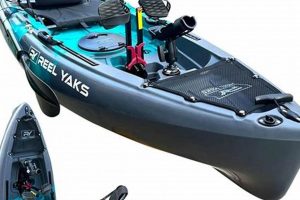
Adequate storage for tackle, rods, and gear is essential for a productive fishing trip. Kayaks designed for angling often incorporate specialized storage compartments, rod holders, and mounting points for fish finders and other accessories. Features such as anchor trolleys, adjustable seating, and integrated coolers further enhance comfort and convenience. Considering these features during kayak selection streamlines the fishing experience and allows for efficient organization and access to essential equipment.
- Material and Weight
Kayak construction materials impact durability, weight, and cost. Polyethylene kayaks are common due to their affordability and impact resistance, while composite materials offer lighter weight and increased performance but come at a higher price point. Weight considerations are important for transport and launching, especially for anglers without specialized loading equipment. Choosing a kayak made from a suitable material balances durability, weight, and budget constraints.
Selecting the appropriate kayak for Ohio fishing involves carefully considering these factors in relation to the specific fishing environment and individual needs. Prioritizing stability over speed might be ideal for smaller lakes and ponds, while tracking and storage capacity become more critical for larger bodies of water like Lake Erie or the Ohio River. A thoughtful selection process significantly contributes to a safe, comfortable, and productive angling experience.
3. Safety Equipment

Safety equipment is paramount for kayak angling in Ohio, ensuring angler well-being and preparedness for unforeseen circumstances. The diverse water conditions, ranging from calm lakes to swift rivers, necessitate specific safety considerations. Understanding and utilizing appropriate safety gear contributes significantly to a secure and enjoyable fishing experience.
- Personal Flotation Device (PFD)
A properly fitted PFD is the most critical piece of safety equipment. Ohio law mandates PFD usage for all kayak occupants. PFDs provide buoyancy and support in the event of capsizing or accidental immersion, significantly increasing the chances of survival. Type III PFDs, designed for calm, inland waters where rapid rescue is likely, are generally suitable for kayak fishing. Ensuring the PFD is in good condition and worn correctly is essential for its effectiveness. Inflatable PFDs offer greater comfort but require regular maintenance and inspection.
- Signaling Devices
Carrying signaling devices aids in attracting attention in emergencies. A whistle, attached to the PFD, provides a simple and effective means of signaling distress. Visual distress signals, such as flares or a signal mirror, enhance visibility over longer distances, particularly on larger bodies of water like Lake Erie. A waterproof flashlight or headlamp provides illumination during low-light conditions and aids in signaling. These devices enable communication with other boaters or rescuers in case of disorientation, injury, or equipment failure.
- First-Aid Kit and Essential Supplies
A well-stocked, waterproof first-aid kit addresses minor injuries that may occur while fishing. Essential items include bandages, antiseptic wipes, pain relievers, and sunscreen. Carrying extra water and non-perishable food provides sustenance in case of unexpected delays or stranding. A dry bag protects essential electronics, such as cell phones, from water damage. These supplies ensure preparedness for common on-the-water incidents and enhance comfort and safety during the outing.
- Navigation and Communication Tools
Carrying a map, compass, or GPS device, especially when fishing unfamiliar waters, enhances navigation and situational awareness. A charged cell phone, stored in a waterproof case, provides a means of communication in emergencies. Checking weather forecasts before departure and monitoring conditions during the trip allows for proactive adjustments based on changing weather patterns. These tools contribute to safe navigation and enable informed decision-making regarding weather-related safety concerns.
Consistent use of appropriate safety equipment significantly mitigates risks associated with kayak angling in Ohio. While inherent risks exist in any on-the-water activity, preparedness through proper equipment and adherence to safety guidelines promotes a secure and enjoyable experience, allowing anglers to focus on the sport and appreciate the natural environment.
4. Fishing Techniques
Effective fishing techniques are integral to successful kayak angling in Ohio. The confined nature of a kayak, coupled with the diverse aquatic environments found throughout the state, necessitates adapting traditional fishing methods and adopting specialized approaches. Understanding fish behavior, habitat preferences, and seasonal patterns influences technique selection and contributes significantly to angling success. For example, targeting crappie suspended near submerged brush piles in reservoirs requires different techniques compared to pursuing smallmouth bass along rocky shorelines in Lake Erie. Similarly, river fishing for catfish often involves bottom fishing with heavier tackle and specific bait presentations, distinct from the lighter tackle and lure presentations employed for bass in smaller ponds. The effectiveness of various techniques depends on the target species, water conditions, and seasonal factors.
Kayak angling necessitates modifications to traditional fishing techniques. Casting accuracy and control become paramount due to limited space and the need to avoid entanglement with kayak equipment. Shorter rods and specialized kayak fishing tackle enhance maneuverability and facilitate precise casts in tight quarters. Trolling from a kayak requires specific equipment and speed control, leveraging the kayak’s mobility to cover water efficiently and locate fish. Drift fishing, particularly effective in rivers, involves positioning the kayak to naturally drift with the current while presenting bait or lures to target species holding in specific areas. Adapting these techniques to the unique constraints and advantages of kayak fishing enhances efficiency and increases the likelihood of successful hookups.
Mastering kayak-specific fishing techniques optimizes angling opportunities in Ohio’s diverse waterways. Precision casting, controlled trolling, and effective drift fishing maximize the advantages of kayak angling, allowing access to areas often inaccessible to larger boats. Understanding the interplay between technique, environment, and target species enhances angling success and contributes to a more rewarding experience. Continued learning and refinement of these techniques, combined with careful observation of water conditions and fish behavior, are crucial for consistent success in kayak angling throughout the state.
5. Regulations Awareness
Regulations awareness forms an essential component of responsible and ethical kayak angling in Ohio. Compliance with established rules and guidelines ensures the sustainability of fish populations, protects aquatic ecosystems, and promotes safe interactions among anglers and other waterway users. Ignoring these regulations can lead to penalties, damage natural resources, and detract from the overall angling experience. Understanding and adhering to these regulations is not merely a legal obligation but a crucial aspect of responsible angling practice.
- Licensing Requirements
A valid Ohio fishing license is mandatory for all anglers, including those fishing from kayaks. Licenses can be obtained online, through licensed agents, or at various retail locations throughout the state. Different license types exist, including annual, short-term, and special licenses for specific groups. Anglers must carry their license while fishing and present it upon request to wildlife officers. Failure to possess a valid license can result in fines and legal repercussions. Acquiring the appropriate license demonstrates adherence to regulations and contributes to the funding of conservation efforts.
- Size and Creel Limits
Size and creel limits dictate the minimum size and maximum number of specific fish species that an angler can legally harvest. These regulations vary by species and location, reflecting conservation efforts tailored to specific fish populations and their respective ecosystems. Adhering to these limits prevents overfishing and helps maintain healthy fish populations. Anglers must familiarize themselves with the current regulations for their target species and fishing location. Accurate measurement tools and responsible harvesting practices demonstrate respect for conservation efforts and ensure the long-term sustainability of Ohio’s fisheries.
- Designated Fishing Areas and Restrictions
Certain areas within Ohio’s waterways may have specific fishing restrictions, such as designated no-fishing zones, seasonal closures, or limitations on fishing methods. These restrictions aim to protect sensitive habitats, spawning areas, or endangered species. Respecting these designated areas safeguards aquatic ecosystems and contributes to the overall health of Ohio’s waterways. Anglers should consult maps, signage, and online resources to identify any restrictions applicable to their chosen fishing location. Adherence to these regulations demonstrates responsible angling practice and minimizes environmental impact.
- Watercraft Registration and Safety Requirements
While kayaks are generally exempt from registration requirements in Ohio, specific safety regulations apply. Kayaks must be equipped with a personal flotation device (PFD) for each occupant, and navigation lights are required during low-light conditions. Understanding and adhering to these safety regulations contributes to angler safety and fosters responsible waterway usage. Familiarization with boating regulations and safe navigation practices promotes positive interactions among all waterway users and minimizes the risk of accidents.
Awareness and adherence to these regulations are fundamental to ethical and sustainable kayak angling in Ohio. Compliance safeguards fish populations, protects aquatic ecosystems, and promotes safe interactions among all waterway users. Responsible anglers prioritize understanding and adhering to these guidelines, contributing to the preservation of Ohio’s valuable aquatic resources for future generations. This commitment to responsible angling enhances the overall fishing experience and reinforces the importance of conservation within the angling community.
Frequently Asked Questions
This section addresses common inquiries regarding kayak angling in Ohio, providing concise and informative responses to assist anglers in planning and executing successful outings.
Question 1: What are the most common fish species targeted by kayak anglers in Ohio?
Common targets include largemouth bass, smallmouth bass, crappie, bluegill, walleye, catfish, and saugeye. The specific species available varies depending on the chosen waterway.
Question 2: Are there specific licensing requirements for kayak fishing in Ohio?
A valid Ohio fishing license is required for all individuals engaging in fishing activities, regardless of whether they are fishing from a kayak or another type of vessel.
Question 3: What safety precautions should be taken when kayak fishing in Ohio?
Essential safety measures include wearing a personal flotation device (PFD), carrying signaling devices (whistle, flares), checking weather forecasts, and informing someone of fishing plans and expected return time.
Question 4: What are the best locations for kayak fishing in Ohio?
Optimal locations depend on target species and angler experience. Lake Erie offers excellent opportunities for walleye and smallmouth bass, while inland lakes and reservoirs provide diverse fishing for species such as largemouth bass, crappie, and bluegill. The Ohio River system presents opportunities for catfish and other species.
Question 5: What type of kayak is best suited for fishing in Ohio?
Kayak selection depends on individual needs and fishing style. Sit-on-top kayaks provide stability and ease of access, while sit-inside kayaks offer better protection from the elements. Pedal-driven kayaks allow hands-free fishing, a significant advantage for certain techniques.
Question 6: Where can current fishing regulations and licensing information be found?
The Ohio Department of Natural Resources (ODNR) Division of Wildlife website provides comprehensive information regarding fishing regulations, licensing requirements, and other essential details relevant to angling in Ohio.
Careful consideration of these frequently asked questions contributes to a safer, more productive, and enjoyable kayak fishing experience in Ohio. Further research and preparation will enhance angler knowledge and preparedness.
Beyond these common inquiries, additional resources and information can aid anglers in maximizing their time on the water. The following sections delve into specific aspects of kayak angling in Ohio.
Ohio Kayak Fishing
This exploration of Ohio kayak fishing has highlighted the multifaceted nature of this increasingly popular pursuit. From the selection of appropriate locations and equipment to the mastery of specialized fishing techniques and adherence to crucial safety and regulatory guidelines, successful kayak angling requires careful planning and execution. The diverse waterways of Ohio offer unique opportunities to connect with nature while pursuing a variety of fish species, from the open waters of Lake Erie to the tranquil inlets of smaller inland lakes and rivers. The accessibility and adaptability of kayak fishing contribute to its appeal, allowing anglers of all skill levels to experience the rewards of this engaging pastime.
The future of Ohio kayak fishing rests upon the continued commitment to responsible angling practices. Respect for aquatic ecosystems, adherence to regulations, and prioritization of safety ensure the sustainability of this valuable resource for generations to come. Through informed decision-making and a dedication to conservation, kayak anglers can contribute to the preservation of Ohio’s diverse aquatic environments while enjoying the unique and rewarding experiences this activity provides. Continued exploration and refinement of techniques, combined with a deep appreciation for the natural world, promise a vibrant future for Ohio kayak fishing.