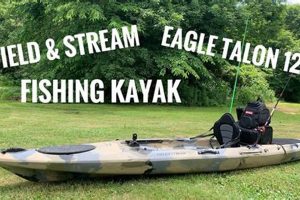
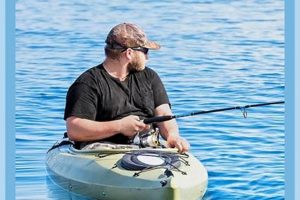
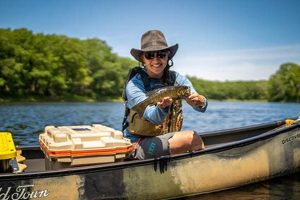
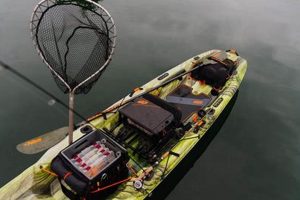
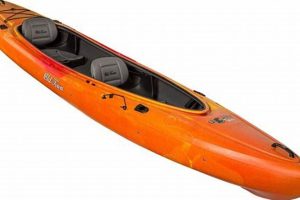
A specialized arrangement of equipment and gear transforms a standard kayak into a platform for fly fishing. This typically involves modifications and additions such as rod holders, anchor systems, and specialized storage for flies, lines, and other necessary tools. An example might include a sit-on-top kayak equipped with adjustable rod holders, a retractable anchor trolley system, and a waterproof crate for tackle storage.
Optimizing a kayak for fly fishing provides anglers with enhanced access to secluded waters often inaccessible by wading or larger boats. This approach offers increased stealth and maneuverability, crucial for presenting flies accurately to target species. Historically, the development of specialized kayaks and lightweight, durable gear has contributed significantly to the growth and popularity of this fishing technique. It presents a unique blend of the challenges and rewards inherent in both kayaking and fly fishing.
The following sections will delve into the critical aspects of creating an effective and personalized watercraft for this sport. Topics will include selecting the appropriate vessel, essential gear and modifications, safety considerations, and recommended fishing techniques.
Tips for an Effective Kayak Fly Fishing Setup
Careful planning and thoughtful equipment choices are essential for a successful and enjoyable kayak fly fishing experience. The following tips offer guidance for optimizing one’s setup.
Tip 1: Kayak Selection: Stability and maneuverability are paramount. Wider, shorter kayaks offer greater stability, especially for beginners. Longer, narrower kayaks provide increased speed and efficiency for covering larger distances. Sit-on-top kayaks are generally preferred for their self-bailing capabilities and ease of re-entry after an accidental submersion.
Tip 2: Rod Holders: Adjustable rod holders allow for customized positioning, facilitating various casting techniques. Flush-mount rod holders offer a streamlined profile, minimizing interference while paddling.
Tip 3: Anchor System: A retractable anchor trolley system provides controlled anchoring from various positions on the kayak, crucial for maintaining position in currents or wind. A lightweight, easily deployable anchor is essential.
Tip 4: Gear Storage: Waterproof storage solutions protect essential equipment such as flies, lines, and tools from the elements. Consider dedicated compartments or dry bags for optimal organization.
Tip 5: Safety Equipment: A personal flotation device (PFD) is mandatory. A whistle, signaling device, and first-aid kit are also crucial safety items. Inform someone of the planned fishing location and estimated return time.
Tip 6: Paddle Leash: Securing the paddle to the kayak with a leash prevents loss in case of a capsize.
Tip 7: Clothing and Sun Protection: Lightweight, quick-drying clothing is recommended. Protection from the sun, including a hat, sunglasses, and sunscreen, is essential for extended periods on the water.
Implementing these strategies will contribute significantly to a safe and productive outing. A well-planned configuration maximizes efficiency and enjoyment on the water.
By considering these factors, anglers can create a personalized setup that enhances their fly fishing experience.
1. Kayak Selection

Appropriate kayak selection forms the foundation of an effective kayak fly fishing setup. The vessel’s characteristics significantly influence stability, maneuverability, and overall fishing success. A carefully chosen kayak complements the angler’s skill level and the specific fishing environment.
- Stability
Stability is paramount, particularly for beginners. Wider, shorter kayaks, often referred to as “fishing kayaks,” provide a stable platform ideal for casting and landing fish. Enhanced stability minimizes the risk of capsizing, especially in challenging conditions or when handling fish. This inherent stability translates to increased confidence and focus on fishing, rather than maintaining balance.
- Maneuverability
Maneuverability dictates the ease with which an angler can navigate tight spaces, approach fish discreetly, and adjust positioning based on wind or current. Shorter kayaks typically offer superior maneuverability, allowing for quick turns and precise movements. In environments with dense vegetation or complex currents, maneuverability is a critical asset.
- Sit-On-Top vs. Sit-Inside
Sit-on-top kayaks are generally preferred for their self-bailing capabilities and ease of entry and exit. This design simplifies re-entry after an accidental submersion. Sit-inside kayaks offer greater protection from the elements but require more experience to manage in the event of a capsize. The choice depends on the angler’s experience, the typical water conditions, and personal preference.
- Material and Weight
Kayak material and weight influence portability and durability. Lighter kayaks, constructed from materials like rotomolded polyethylene or composites, simplify transport to and from the water. Durability ensures the kayak can withstand the rigors of navigating various water environments and transporting gear.
Considering these factors during kayak selection directly contributes to the overall effectiveness of the entire fishing setup. A well-chosen kayak becomes an extension of the angler, providing a stable, maneuverable, and efficient platform for pursuing target species. The appropriate kayak significantly enhances the overall fly fishing experience from the water.
2. Rod Placement

Strategic rod placement is a critical element within a comprehensive kayak fly fishing setup. Optimal positioning maximizes casting efficiency, minimizes interference with paddling and other onboard activities, and enhances overall fishing success. Careful consideration of rod placement contributes significantly to a streamlined and productive experience on the water.
- Accessibility and Casting Arc
Rod holders should position rods within easy reach, allowing for smooth and efficient casting motions. Placement should facilitate an unobstructed casting arc, minimizing interference from the kayak, paddle, or other gear. Accessible rod placement enables quick reactions to fish activity and facilitates various casting techniques.
- Paddle Clearance
Rod placement must not impede paddling strokes. Rod holders should be positioned to avoid contact with the paddle during both forward and reverse strokes. Maintaining clear paddle clearance ensures efficient propulsion and maneuverability, crucial for navigating to fishing locations and adjusting position based on water conditions.
- Line Management
Rod placement should facilitate effective line management. Positioning rods appropriately minimizes line tangles with the kayak, paddle, or other gear. Effective line management contributes to clean presentations and efficient retrieval, maximizing fishing success and minimizing frustration.
- Number of Rods
The number of rods carried and their placement should align with the angler’s fishing style and target species. Carrying multiple rods, each rigged with a different fly or line weight, can be advantageous but requires careful placement to avoid tangles and maintain accessibility. Careful consideration of rod quantity and positioning streamlines the fishing process and optimizes preparedness for varying fishing conditions.
Effective rod placement contributes significantly to a streamlined and efficient kayak fly fishing experience. By optimizing rod positioning, anglers enhance casting efficiency, maintain paddle clearance, improve line management, and maximize preparedness. These factors contribute directly to a more productive and enjoyable time on the water, maximizing the potential of each fishing outing.
3. Anchor System
A well-chosen anchor system is integral to an effective kayak fly fishing setup. It provides the ability to maintain position in currents or wind, facilitating precise fly presentation and maximizing fishing success. Without a reliable anchor system, maintaining an optimal fishing location becomes challenging, especially in dynamic water conditions. Consider a scenario where an angler locates a promising eddy behind a submerged rock. An effective anchor system allows the angler to hold the kayak steady within the eddy, presenting flies precisely to the target zone. Without an anchor, the kayak would drift, requiring constant repositioning and reducing fishing efficiency.
Several anchor system configurations exist, each offering distinct advantages and disadvantages. A retractable anchor trolley system allows deployment from various points along the kayak, providing flexibility for adjusting to wind and current changes. Stake-out poles, while effective in shallow water environments, limit maneuverability. Anchor choice also plays a crucial role. Lightweight, folding anchors or specialized kayak anchors minimize storage space and weight, while providing sufficient holding power. An anchor trolley system combined with a lightweight folding anchor often proves highly effective for kayak fly fishing applications.
Effective anchor deployment and retrieval techniques are essential for maximizing efficiency and safety. Deploying the anchor upstream of the target location allows the kayak to drift into position, minimizing disturbance. Retrieving the anchor smoothly and efficiently minimizes tangles and potential hazards. Understanding the interplay between anchor system choice, water conditions, and fishing location contributes significantly to a successful kayak fly fishing experience. Mastering these elements empowers anglers to maintain optimal positioning, maximize fishing time, and enhance overall success on the water.
4. Gear Organization

Efficient gear organization is paramount within a successful kayak fly fishing setup. A well-organized system streamlines access to essential equipment, maximizes fishing time, and minimizes distractions. Fumbling for tools or flies disrupts fishing rhythm and can lead to missed opportunities. Methodical gear organization transforms the limited space on a kayak into an efficient fishing platform.
- Accessibility of Essential Tools
Frequently used items, such as flies, clippers, and forceps, require readily accessible placement. Utilizing fly patches, magnetic tool holders, and strategically located compartments keeps essential tools within immediate reach. Rapid access to these items minimizes disruption during critical moments, ensuring a smooth and efficient fishing process. Imagine hooking a fish and needing to quickly change flies; a well-organized system allows for a swift change without losing the fish.
- Waterproof Storage
Protecting gear from the elements is crucial. Waterproof storage solutions, such as dry bags and sealed containers, safeguard flies, lines, and electronic devices from moisture damage. This preservation extends the lifespan of valuable equipment and ensures functionality, even in wet conditions. Consider a sudden downpour; waterproof storage safeguards sensitive equipment, preserving its functionality for continued use.
- Weight Distribution and Balance
Proper weight distribution maintains kayak stability and maneuverability. Distributing gear evenly throughout the vessel prevents imbalances that could compromise performance or safety. Strategic weight placement contributes to a stable and predictable kayaking experience, enhancing overall fishing efficiency. Concentrating weight at one end of the kayak can significantly affect tracking and maneuverability.
- Minimizing Clutter
A clutter-free kayak enhances both efficiency and safety. Unnecessary items create obstacles, impede movement, and increase the risk of tangles. Minimizing clutter contributes to a streamlined and focused fishing environment. Excess gear or loose items can create tripping hazards or interfere with casting and retrieving lines.
Strategic gear organization optimizes the limited space within a kayak fly fishing setup. Accessibility, waterproofing, weight distribution, and minimizing clutter contribute significantly to an efficient and enjoyable fishing experience. By prioritizing these elements, anglers maximize their time on the water and increase their chances of success. A well-organized kayak becomes an extension of the angler, facilitating a seamless and productive connection with the fishing environment.
5. Safety Equipment

Safety equipment is not merely an accessory but a fundamental component of a responsible kayak fly fishing setup. The inherent risks associated with this activity, including water exposure, remote locations, and potential self-rescue scenarios, necessitate a comprehensive approach to safety. A properly configured safety setup directly mitigates these risks, safeguarding anglers and enabling a more confident and enjoyable experience. Consider the scenario of an angler encountering unexpected high winds or currents. A personal flotation device (PFD) provides essential buoyancy, preventing submersion and increasing survival time. A whistle or signaling device facilitates communication and aids in location if assistance is required. These elements transform a potentially hazardous situation into a manageable one.
Several key safety items warrant careful consideration. A properly fitted PFD, designed for paddling activities, is non-negotiable. A whistle, attached to the PFD, provides a readily accessible signaling device. A waterproof first-aid kit, containing essential supplies for treating minor injuries, addresses immediate medical needs. A communication device, such as a VHF radio or satellite messenger, enables contact with emergency services or support personnel in remote locations. Carrying a spare paddle mitigates the impact of equipment failure. These items, when integrated into a kayak fly fishing setup, provide multiple layers of safety redundancy. Furthermore, understanding their proper use and limitations is crucial. Practicing self-rescue techniques and familiarizing oneself with emergency procedures enhances preparedness and instills confidence on the water.
Integrating safety equipment into a kayak fly fishing setup is not merely a precautionary measure; it is a fundamental responsibility. The inherent risks associated with this activity necessitate a proactive approach to safety planning and equipment selection. A well-prepared angler prioritizes safety, understanding its direct correlation with a positive and enjoyable fishing experience. This preparedness transcends simply having the equipment; it involves understanding its use, practicing relevant skills, and consistently prioritizing safety procedures. By embracing these principles, anglers cultivate a culture of safety, maximizing their enjoyment and mitigating potential risks inherent in the sport.
Frequently Asked Questions
This section addresses common queries regarding the establishment of an effective kayak fly fishing configuration. Clarity on these points contributes significantly to a successful and enjoyable experience on the water.
Question 1: What type of kayak is best suited for fly fishing?
While specific kayak choice depends on individual angler preferences and fishing environments, sit-on-top kayaks are generally favored for their stability, self-bailing capabilities, and ease of re-entry after accidental submersion. Wider, shorter hulls enhance stability, while longer kayaks provide increased speed for covering larger distances. Consideration should also be given to weight capacity and storage options.
Question 2: How essential is a specialized fly fishing kayak?
While a dedicated fly fishing kayak offers optimized features, a standard kayak can suffice with appropriate modifications. Key considerations include the ability to mount rod holders, an anchor system, and adequate storage for gear. Adapting an existing kayak can be a cost-effective approach, especially for anglers exploring the discipline.
Question 3: What are crucial safety considerations specific to kayak fly fishing?
Always wear a personal flotation device (PFD). Inform someone of the planned fishing location and estimated return time. Carry a whistle, signaling device, and basic first-aid kit. Understanding self-rescue techniques and practicing re-entry methods are highly recommended.
Question 4: How does one manage fly line effectively from a kayak?
Line management is crucial. Stripping baskets or line trays attached to the kayak help prevent tangles and maintain line control. Practicing efficient casting techniques from a seated position minimizes line management challenges. Maintaining a clean, organized cockpit area further reduces tangling risks.
Question 5: What are essential accessories for a kayak fly fishing setup?
Essential accessories include adjustable rod holders, a retractable anchor trolley system, waterproof storage compartments, and a paddle leash. Additional beneficial items include a fish finder, GPS unit, and appropriate safety gear. Selection depends on individual fishing style and target environment.
Question 6: What are the advantages of kayak fly fishing compared to wading or fishing from a larger boat?
Kayak fly fishing offers increased access to shallow or secluded waters often inaccessible by wading or larger boats. Enhanced stealth and maneuverability allow for closer approaches to target species. The physical engagement of paddling adds another dimension to the overall fishing experience.
Addressing these common queries provides a foundational understanding of kayak fly fishing setup requirements. Prioritizing safety, optimizing gear organization, and selecting appropriate equipment contribute significantly to a positive and productive experience on the water.
The next section will delve into advanced techniques and strategies for maximizing fishing success from a kayak.
Kayak Fly Fishing Setup
Effective kayak fly fishing setups arise from careful consideration of several key factors. Appropriate kayak selection, strategic rod placement, reliable anchor systems, efficient gear organization, and comprehensive safety equipment contribute significantly to a successful and enjoyable experience. Each element plays a crucial role, synergistically enhancing performance and mitigating inherent risks associated with this demanding yet rewarding pursuit. From initial vessel selection to meticulous gear arrangement, a well-planned configuration unlocks the full potential of this specialized angling approach.
Mastery of kayak fly fishing setup empowers anglers to explore diverse waters, connect intimately with the environment, and pursue target species with enhanced precision and stealth. Continued refinement of techniques and equipment promises further advancements within this evolving discipline, enriching the experiences of seasoned anglers and inspiring newcomers alike. The pursuit of optimizing one’s setup represents an ongoing journey, fostering a deeper understanding of the interplay between angler, equipment, and the aquatic environment.