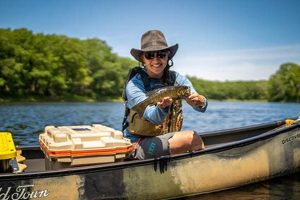
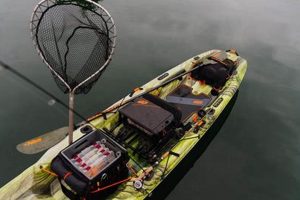
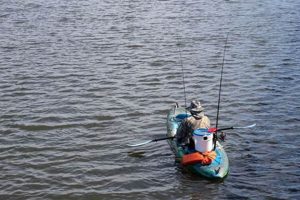
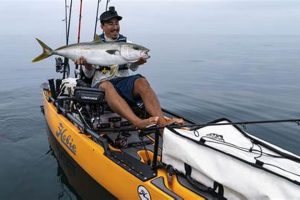
The sheltered waters and diverse ecosystems of Port St. Joe, Florida, provide an ideal environment for angling from small, human-powered vessels. This approach offers anglers a unique opportunity to access shallow-water habitats often unreachable by larger boats, allowing for close encounters with a variety of fish species.
This style of angling offers numerous advantages, including affordability, maneuverability, and a low environmental impact. Historically, small boats have been integral to the fishing culture of the region, and the modern adaptation continues this tradition, providing both residents and visitors with a rewarding recreational experience. The relatively untouched nature of the area contributes to healthy fish populations and diverse habitats, ranging from grassy flats to oyster bars and deeper channels. This diversity supports a thriving ecosystem and provides exciting opportunities for catching sought-after species.
Further exploration will detail specific locations, target species, recommended equipment, and responsible fishing practices within this unique fishery.
Tips for Kayak Fishing in Port St. Joe
Successful angling from a kayak in Port St. Joe requires preparation and awareness. The following tips offer guidance for a safe and productive experience.
Tip 1: Check Weather Conditions: Prior to launching, consult marine forecasts for wind speed, direction, and tidal currents. Postponing trips due to inclement weather prioritizes angler safety.
Tip 2: Plan a Float Plan: Inform someone onshore of the intended fishing location and estimated return time. This precaution ensures assistance can be rendered if needed.
Tip 3: Utilize Appropriate Safety Gear: A personal flotation device (PFD), a whistle, and a signaling device are essential safety items. Navigation lights are recommended for low-light conditions.
Tip 4: Employ Effective Fishing Techniques: Techniques such as drift fishing, anchoring, and trolling can be adapted for kayak angling. Selecting appropriate tackle and lures based on target species enhances success rates.
Tip 5: Respect Local Regulations: Obtain necessary fishing licenses and familiarize oneself with local regulations, including size and bag limits. Adhering to these rules ensures the sustainability of the fishery.
Tip 6: Practice Catch and Release: Proper handling techniques and prompt release minimize stress on fish, contributing to healthy fish populations.
Tip 7: Pack Essential Supplies: Carry ample water, sunscreen, insect repellent, and a first-aid kit. A dry bag protects valuable items from water damage.
Tip 8: Respect Wildlife and the Environment: Minimize disturbance to wildlife and avoid sensitive habitats. Retrieve any fishing line or debris to preserve the natural beauty of the area.
Adhering to these guidelines contributes to a safe, enjoyable, and responsible kayak fishing experience. Careful planning and consideration of these factors maximize the chances of a successful and rewarding outing.
By understanding these key aspects, anglers can fully appreciate the unique experience offered by this exceptional fishery.
1. Location Selection

Strategic location selection significantly impacts angling success in Port St. Joe. The diverse estuarine environment offers a range of habitats, each supporting different species and requiring specific approaches. Sheltered bays and coves provide calmer waters, ideal for beginners and those targeting species like redfish and trout. These areas often feature seagrass beds and oyster bars, which attract smaller baitfish and subsequently, larger predators. Conversely, experienced anglers seeking more challenging conditions might explore the deeper channels and inlets near the Gulf of Mexico, potentially encountering larger species such as king mackerel or cobia. Understanding the relationship between location, target species, and prevailing conditions forms the cornerstone of effective kayak fishing strategies in this area. For instance, targeting redfish in shallow grass flats requires stealth and quiet movement, whereas fishing for pelagic species near inlets necessitates heavier tackle and consideration of stronger currents.
Successful location selection also necessitates considering factors beyond just species. Wind direction and tidal currents play a crucial role in determining accessible areas and fish behavior. A strong outgoing tide can create productive fishing opportunities near creek mouths and inlets, concentrating baitfish and attracting predatory species. Conversely, paddling against strong winds or currents can be challenging and potentially unsafe in a kayak. Utilizing online resources like nautical charts, tide tables, and local fishing reports provides valuable insights for informed decision-making. Furthermore, understanding local regulations regarding restricted areas or seasonal closures is essential for responsible and legal angling. For example, some areas within St. Joseph Bay are designated as seagrass protection zones, prohibiting anchoring or fishing within their boundaries.
Effective location selection optimizes fishing outcomes. Careful consideration of target species, habitat preferences, tidal influences, wind conditions, and local regulations ultimately contributes to a more successful and rewarding experience. Integrating these factors allows anglers to strategically position themselves for optimal catches while prioritizing safety and environmental responsibility. Failure to account for these variables may result in reduced catches, challenging paddling conditions, or unintentional violations of regulations, underscoring the importance of informed location selection within the Port St. Joe fishery.
2. Tackle and Bait
Tackle and bait selection significantly influence angling success in the Port St. Joe kayak fishing environment. The diverse fish species inhabiting these waters, ranging from inshore redfish and speckled trout to nearshore Spanish mackerel and kingfish, necessitate tailored approaches. Light to medium tackle generally proves suitable for inshore species, enabling effective presentations with lures or live bait. Spinning rods and reels in the 7-foot range paired with 10-20 lb test line offer versatility and manageable casting from the confined space of a kayak. Targeting larger, more powerful species near inlets or deeper channels may require heavier tackle, such as 30-50 lb test line and sturdier rods, to withstand the increased strain. Leader material, like fluorocarbon, further enhances presentation by minimizing visibility underwater, particularly in clear water conditions.
Bait choices should align with target species and prevailing conditions. Live shrimp, pinfish, and finger mullet consistently attract a variety of inshore species. Artificial lures, including soft plastics, topwater plugs, and jigs, provide versatile alternatives, offering different presentations and imitating various prey items. Matching lure color and size to prevailing forage further increases effectiveness. For example, when fishing for speckled trout in grassy flats, a paddletail soft plastic resembling a small baitfish often proves successful. Conversely, when targeting redfish around oyster bars, a weedless gold spoon can entice strikes. Understanding seasonal baitfish migrations and local fish feeding patterns informs bait choices, maximizing chances of a successful hookup.
Appropriate tackle and bait selection are essential components of successful kayak fishing in Port St. Joe. Consideration of target species, habitat, and prevailing conditions allows anglers to optimize their approach. Careful tackle selection ensures the ability to effectively handle and land targeted fish. Bait choice influences fish attraction and strike probability. Combining appropriate tackle and bait with strategic location selection and fishing techniques maximizes success rates within this diverse and dynamic fishery.
3. Safety Precautions

Safe practices are paramount when kayak fishing in Port St. Joe. The open-water environment presents inherent risks, requiring careful planning and preparation to mitigate potential hazards and ensure an enjoyable experience. Neglecting safety precautions can lead to dangerous situations, impacting not only the angler’s well-being but also potentially requiring search and rescue operations. Understanding and adhering to established safety guidelines ensures a more secure and positive experience on the water.
- Personal Flotation Devices (PFDs):
Wearing a properly fitted PFD is non-negotiable. Accidents can occur unexpectedly, and a PFD provides essential buoyancy in the event of capsizing or falling overboard. Even strong swimmers can experience difficulties in cold water or challenging conditions. PFDs designed specifically for paddling offer increased comfort and mobility while fishing.
- Weather Awareness:
Checking marine weather forecasts before embarking on a fishing trip is crucial. Sudden changes in wind speed, direction, or the arrival of storms can create hazardous conditions for kayakers. Postponing trips due to adverse weather prioritizes safety and avoids potentially life-threatening situations. Real-time weather updates via a weather app or VHF radio provide ongoing awareness during outings.
- Float Plans and Communication:
Informing someone onshore of the intended fishing location, planned route, and estimated return time establishes a critical safety net. Should an angler fail to return as planned, this information enables timely search and rescue efforts. Carrying a waterproof VHF radio allows direct communication with the Coast Guard or other boaters in case of emergencies.
- Navigation and Lighting:
Understanding basic navigation principles, including chart reading and compass use, aids in maintaining orientation, particularly in unfamiliar areas. Carrying a GPS device or using navigation apps on a waterproof phone provides additional positional awareness. Navigation lights are essential during low-light conditions, increasing visibility to other boaters and reducing the risk of collisions.
Adhering to these safety precautions significantly reduces risks associated with kayak fishing in Port St. Joe. Preparation, awareness, and responsible decision-making contribute to a safer and ultimately more enjoyable experience, allowing anglers to focus on the rewarding aspects of this unique fishery while mitigating potential hazards.
4. Tidal Awareness

Tidal awareness constitutes a critical element for successful kayak fishing in Port St. Joe. The region’s extensive estuary system experiences significant tidal fluctuations, influencing fish behavior, accessibility of fishing grounds, and overall safety. Understanding tidal patterns and their impact on the local environment allows anglers to optimize fishing strategies and navigate safely. Neglecting tidal influences can lead to unproductive outings, navigational challenges, and potentially hazardous situations. Therefore, integrating tidal awareness into pre-trip planning and on-the-water decision-making is essential for a successful and safe experience.
- Current Effects on Fish Behavior
Tidal currents create moving water scenarios that concentrate baitfish and influence predator activity. Strong outgoing tides often concentrate fish near creek mouths and inlets, creating prime feeding opportunities. Incoming tides can bring baitfish and larger predators onto shallow flats and into backwater areas. Understanding these patterns enables anglers to position themselves strategically for optimal intercepts. For example, fishing near a channel edge during an outgoing tide allows anglers to target species ambushing baitfish swept along by the current.
- Accessibility of Fishing Grounds
Tidal fluctuations significantly impact water depths and accessibility of certain fishing areas. Shallow flats, oyster bars, and backwater creeks may become inaccessible during low tide, while higher tides open up new areas to exploration. Awareness of tidal stages allows anglers to plan routes effectively and avoid grounding or becoming stranded. Consulting tide charts before launching and during the fishing trip ensures navigation remains safe and efficient. For instance, attempting to navigate shallow creeks during low tide may result in grounding a kayak, requiring considerable effort to free it.
- Impact on Kayak Navigation
Strong tidal currents can create challenging paddling conditions, particularly for less experienced kayakers. Paddling against a strong current consumes significant energy and can make maneuvering difficult. Understanding current direction and strength allows for efficient route planning, minimizing strenuous paddling and maximizing fishing time. Utilizing tidal assistance for travel conserves energy and enhances overall efficiency. For instance, planning a trip to coincide with an incoming tide for the outward journey and an outgoing tide for the return trip optimizes paddling efficiency.
- Safety Considerations
Tidal currents can create hazardous situations, especially near inlets and channels. Swift currents combined with wind can generate challenging conditions, increasing the risk of capsizing. Understanding tidal flows and their interaction with wind patterns helps anglers make informed decisions about safe launching and landing locations and avoid potentially dangerous areas. For example, attempting to paddle through a narrow inlet against a strong outgoing tide combined with opposing winds creates a high-risk scenario.
By understanding these facets of tidal influence, anglers can significantly improve their kayak fishing experience in Port St. Joe. Integrating tidal awareness into planning and execution translates to increased fishing success, enhanced safety, and more efficient navigation within this dynamic estuarine environment. Ignoring tidal considerations, however, can lead to frustration, wasted effort, and potentially dangerous situations. Therefore, prioritizing tidal awareness is essential for a rewarding and safe kayak fishing adventure in Port St. Joe.
5. Environmental Respect

Maintaining the ecological integrity of Port St. Joe’s coastal environment is crucial for the sustainability of its fishery and the continued enjoyment of kayak angling. Responsible practices minimize negative impacts on the fragile ecosystem, ensuring its health and productivity for future generations. Disregarding environmental considerations jeopardizes the very resources that support this recreational activity. Therefore, integrating environmental respect into every aspect of kayak fishing, from launch to landing, represents a fundamental responsibility of all anglers.
- Minimizing Disturbance to Wildlife
Kayaks offer a quiet, non-intrusive approach to fishing, allowing close proximity to wildlife without causing undue stress. However, deliberate harassment or close pursuit of birds, marine mammals, or other wildlife should be avoided. Maintaining a respectful distance and refraining from sudden movements minimizes disturbances, allowing animals to exhibit natural behaviors. For example, approaching nesting shorebirds too closely can cause them to flush, potentially abandoning nests and exposing eggs or chicks to predators or harsh environmental conditions.
- Protecting Sensitive Habitats
Seagrass beds, oyster reefs, and mangrove shorelines constitute vital habitats within the Port St. Joe ecosystem, providing nursery grounds, shelter, and foraging areas for numerous species. Avoiding contact with these sensitive areas, especially during low tide when they are most vulnerable, preserves their structural integrity and ecological function. Dragging kayaks across seagrass beds or disturbing oyster reefs can cause significant damage, impacting the organisms that depend on them. Utilizing designated launch sites and marked channels minimizes unintended impacts on these critical habitats.
- Proper Waste Disposal
Discarded fishing line, hooks, plastic packaging, and other debris pose significant threats to marine life. Ingestion of plastic fragments can harm fish and other animals, while discarded fishing gear can entangle and injure wildlife. Carrying a dedicated trash bag on the kayak and properly disposing of all waste materials at designated onshore receptacles prevents pollution and protects the environment. Retrieving lost fishing gear, even if not one’s own, further contributes to a cleaner, healthier ecosystem. For example, discarded fishing line can entangle seabirds, restricting their movement and ability to feed, ultimately leading to starvation or drowning.
- Catch and Release Practices
Practicing catch and release promotes healthy fish populations and ensures continued angling opportunities. Minimizing handling time, using appropriate hook removal tools, and supporting the fish horizontally in the water while removing the hook reduces stress and injury. Avoiding contact with gills and eyes and reviving exhausted fish before release further enhances their chances of survival. For example, quickly releasing undersized or non-target species minimizes their exposure to air and handling stress, promoting a healthy recovery.
By adhering to these principles of environmental respect, kayak anglers contribute to the long-term health and sustainability of the Port St. Joe fishery. Responsible practices not only protect the environment but also enhance the overall fishing experience, ensuring its continued enjoyment for generations to come. Failing to prioritize environmental stewardship undermines the very foundation of this recreational pursuit, jeopardizing the delicate balance that supports the diverse and thriving ecosystem of Port St. Joe.
Frequently Asked Questions
This section addresses common inquiries regarding kayak fishing in Port St. Joe, Florida, providing concise and informative responses.
Question 1: What are the most common target species for kayak anglers in Port St. Joe?
Redfish, speckled trout, flounder, and black drum are frequently targeted inshore species. Nearshore waters offer opportunities for Spanish mackerel, king mackerel, and cobia.
Question 2: Are there specific license requirements for kayak fishing in this area?
A valid Florida saltwater fishing license is required for anglers over 16 unless exempt. Regulations regarding license types and exemptions can be found on the Florida Fish and Wildlife Conservation Commission (FWC) website.
Question 3: Where are recommended launch sites for kayaks in Port St. Joe?
Public boat ramps and kayak launch sites are available throughout the area, including those at the Port St. Joe Marina and various points along St. Joseph Bay. Local outfitters often provide launch assistance and guided tours.
Question 4: What safety equipment is recommended for kayak fishing in Port St. Joe?
Essential safety equipment includes a personal flotation device (PFD), a whistle, a visual distress signal, a first-aid kit, and a communication device such as a VHF radio or a waterproof cell phone in a protective case.
Question 5: What tidal conditions are most favorable for kayak fishing in the area?
Incoming and outgoing tides often create productive feeding opportunities. Anglers should consult tide charts to plan trips strategically and consider current direction and strength for optimal fishing and navigation.
Question 6: Are there any specific regulations or restrictions anglers should be aware of?
Size and bag limits apply to various species. Specific regulations regarding protected areas, seasonal closures, and permitted gear can be found on the FWC website. Local outfitters can also provide current information on fishing regulations.
Understanding these key aspects contributes to a safer, more productive, and environmentally responsible experience. Consulting official resources, such as the FWC website and local outfitters, provides further detailed information specific to current regulations and conditions.
This information provides a foundation for successful kayak fishing in Port St. Joe. Continued learning and adaptation to local conditions further enhance angling experiences.
Kayak Fishing Port St. Joe
Exploration of kayak fishing within Port St. Joe reveals a unique convergence of accessible waters, diverse habitats, and abundant fish species. Strategic planning, encompassing location selection, tackle and bait choices, and tidal awareness, maximizes angling success. Prioritizing safety through proper equipment, weather awareness, and established communication protocols ensures responsible enjoyment of this recreational activity. Respect for the environment, demonstrated through minimal disturbance of wildlife, protection of sensitive habitats, and adherence to catch-and-release principles, safeguards the ecological integrity of this valuable resource.
The continued health and accessibility of this fishery depend on the collective responsibility of all participants. Informed decision-making, respectful practices, and a commitment to environmental stewardship will ensure that kayak fishing in Port St. Joe remains a rewarding pursuit for generations to come. Further exploration of local resources and engagement with experienced anglers will undoubtedly enhance future angling experiences within this exceptional coastal environment.