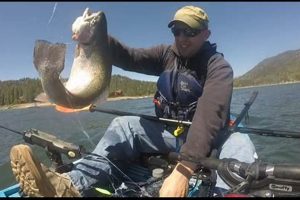
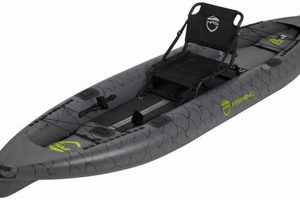
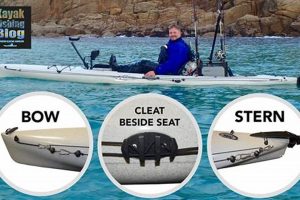
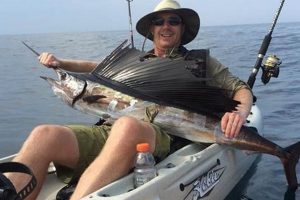
A durable, camouflaged vessel designed for angling, typically constructed from high-density polyethylene, offers stability and a low profile on the water. Such watercraft are often equipped with features like rod holders, paddle clips, and storage compartments tailored for fishing gear.
The blend of durability and camouflage provides an advantage for anglers seeking a long-lasting, affordable, and stealthy approach to fishing. This combination allows for closer proximity to fish without disturbing them. The evolution of these specialized watercraft reflects advancements in materials science and a growing understanding of angler needs.
Further exploration will cover key aspects of selection, usage, and maintenance relevant to these specialized fishing platforms. This includes discussions of various hull designs, propulsion systems, and accessory options available to anglers.
Tips for Optimized Kayak Fishing
Strategic preparation and mindful practices contribute significantly to a successful and enjoyable fishing experience from a kayak.
Tip 1: Pre-Trip Planning: Thorough research of potential fishing locations, including water conditions, species presence, and access points, is essential. Weather forecasts should be consulted and alternative plans established in case of unfavorable conditions.
Tip 2: Safety First: Wearing a personal flotation device is paramount. Carrying a signaling device, such as a whistle or mirror, is also recommended. Sharing trip plans with someone on shore ensures awareness of one’s location and expected return time.
Tip 3: Effective Camouflage: Selecting attire and gear that blends with the surrounding environment enhances stealth. Avoiding bright colors and reflective surfaces minimizes disturbance to fish.
Tip 4: Optimized Gear Storage: Organizing fishing tackle and equipment within easy reach promotes efficiency and minimizes disruption during angling. Waterproof storage solutions protect essential items from moisture.
Tip 5: Paddle and Propulsion Techniques: Employing efficient paddling techniques minimizes noise and disturbance, allowing closer approaches to target fish. Consider alternative propulsion systems, like pedal drives or electric motors, for specific fishing environments.
Tip 6: Respectful Angling Practices: Adhering to catch-and-release guidelines helps preserve fish populations. Proper handling techniques minimize stress on released fish. Removing any fishing line or tackle encountered helps protect the environment.
Careful planning and execution enhance both fishing success and overall safety on the water. These practices contribute to a more rewarding and responsible angling experience.
This foundation of knowledge and preparation sets the stage for a comprehensive exploration of specific techniques and advanced strategies applicable to kayak fishing.
1. Durability
Durability forms a cornerstone of a successful fishing kayak, directly impacting its lifespan and overall performance. Resistance to impact, abrasion, and UV degradation are crucial attributes, especially given the demanding environments these vessels often encounter. High-density polyethylene (HDPE) stands as a prevalent material choice owing to its robust nature and ability to withstand harsh conditions. This resilience translates to a longer service life, reducing the need for frequent replacements and contributing to a lower overall cost of ownership. For instance, kayaks constructed with HDPE can endure impacts with rocks and submerged debris, maintaining structural integrity in challenging waterways. This robust construction allows anglers to confidently navigate diverse aquatic environments, from rocky rivers to shallow coastal waters.
The inherent durability of a fishing kayak significantly influences its long-term value. A kayak capable of withstanding years of use represents a sound investment, minimizing repair costs and maximizing time on the water. This longevity also contributes to sustainability by reducing the consumption of resources associated with frequent replacements. Consider a scenario where two anglers purchase kayaks, one opting for a highly durable model and the other choosing a less robust option. Over time, the angler with the durable kayak is likely to incur fewer repair expenses and enjoy uninterrupted fishing experiences, while the other might face frequent repairs or even premature replacement. This underscores the practical and economic benefits of prioritizing durability.
In summary, durability plays a critical role in the viability and long-term value of a fishing kayak. Selecting a kayak constructed from robust materials, like HDPE, ensures resilience against the rigors of the aquatic environment, contributing to both extended lifespan and reduced maintenance. This understanding empowers informed purchasing decisions and supports a more sustainable approach to recreational fishing.
2. Camouflage Effectiveness
Camouflage effectiveness constitutes a critical element within the design and function of a lifetime camo fishing kayak. The primary purpose of camouflage in this context lies in reducing visibility to fish, thereby enhancing angling success. A well-chosen camouflage pattern disrupts the visual outline of the kayak against the backdrop of the natural environment. This disruption minimizes the likelihood of fish detecting the angler’s presence, allowing closer approaches and increasing opportunities for successful catches. Consider, for example, a kayak with a muted, mottled green-brown camouflage pattern operating in a marshy environment. This pattern blends seamlessly with the surrounding vegetation, reducing the kayak’s visual signature and making it less conspicuous to fish. Conversely, a brightly colored kayak would stand out sharply, potentially spooking fish and hindering angling efforts.
Several factors contribute to camouflage effectiveness. The pattern itself plays a significant role, with patterns mimicking natural elements like reeds, leaves, or shadows proving particularly effective. The color palette must align with the prevalent hues of the fishing environment, whether it be greens and browns for freshwater settings or blues and grays for marine environments. Beyond the inherent pattern, the kayak’s overall shape and profile influence its ability to blend into the surroundings. Low-profile designs minimize the silhouette against the horizon, further enhancing camouflage effectiveness. The time of day and prevailing light conditions also impact camouflage performance, as shadows and reflections can either enhance or diminish the intended effect. For instance, a dappled camouflage pattern might be highly effective in the filtered light of a forested river but less so in the bright, open waters of a lake.
Understanding the principles of camouflage effectiveness enables informed decision-making when selecting a fishing kayak. Choosing a camouflage pattern and color scheme suited to the target fishing environment significantly improves the chances of a successful outing. Furthermore, recognizing the influence of external factors like light conditions and background scenery allows anglers to adapt their strategies and optimize their approach. This awareness elevates angling success and contributes to a more immersive and rewarding experience on the water.
3. Fishing Features

Specialized features integrated into a fishing kayak significantly enhance its utility and contribute directly to angling success. These features cater specifically to the needs of anglers, optimizing efficiency, comfort, and overall performance on the water. Understanding the role and functionality of these features is crucial for informed selection and effective utilization of a lifetime camo fishing kayak.
- Rod Holders
Rod holders provide secure storage and convenient access to fishing rods, freeing hands for other tasks like paddling, baiting hooks, or landing fish. Multiple rod holders, strategically positioned, allow anglers to deploy different lines or techniques simultaneously. Flush-mounted rod holders minimize interference with paddling and casting, while adjustable rod holders accommodate various rod lengths and angles. For example, trolling requires a specific rod angle, achievable with an adjustable holder. Integrated rod holders eliminate the need for makeshift solutions, enhancing safety and efficiency.
- Storage Compartments
Dedicated storage compartments safeguard tackle, gear, and personal items from water and damage. Dry storage compartments maintain the integrity of sensitive electronics and essential supplies. The size, location, and accessibility of storage compartments impact organizational efficiency on the water. A spacious well for storing a tackle box allows for quick access to lures and hooks. Smaller compartments near the seat accommodate frequently used items like pliers and line cutters. Effective storage solutions contribute to an organized and productive fishing experience, minimizing time spent searching for equipment.
- Paddle and Gear Clips/Leashes
Paddle clips or leashes secure the paddle to the kayak, preventing loss in the event of a capsize or unexpected movement. Similar clips or leashes can secure other essential gear like landing nets or tackle boxes. These features ensure equipment remains readily available and prevents drifting away in currents or wind. For instance, a paddle leash allows an angler to quickly retrieve a dropped paddle without risking kayak instability. Secure gear management contributes to both safety and convenience on the water.
- Anchor Systems
Anchor systems allow anglers to maintain position in specific locations, especially in currents or windy conditions. A well-designed anchor trolley system facilitates controlled deployment and retrieval of the anchor. This control allows precise positioning and minimizes disturbance to the fishing area. For instance, anchoring near a submerged structure allows for repeated casts to a promising spot. Effective anchor systems enhance fishing precision and efficiency, maximizing opportunities for success.
The thoughtful integration of these fishing features directly impacts the functionality and overall performance of a lifetime camo fishing kayak. These specialized features elevate the angling experience, transforming the kayak from a simple vessel into a dedicated fishing platform. The selection of a kayak equipped with appropriate features depends on individual angling styles and target species. Careful consideration of these features contributes to a more productive, comfortable, and ultimately, successful fishing experience.
4. Stability and Maneuverability
Stability and maneuverability represent fundamental performance characteristics of a lifetime camo fishing kayak, directly influencing angling effectiveness and overall safety on the water. A well-balanced combination of these attributes ensures a secure and efficient platform for casting, retrieving, and landing fish. Understanding the interplay between stability and maneuverability is crucial for selecting a kayak suited to specific fishing environments and angling styles.
- Primary Stability
Primary stability refers to the kayak’s resistance to tipping when at rest. A wider hull and lower center of gravity contribute to greater primary stability. High primary stability instills confidence while stationary casting or reeling. For example, an angler fishing in calm waters benefits from a kayak with high primary stability for a secure casting platform. However, excessive primary stability can compromise maneuverability in tight spaces or rapidly changing currents.
- Secondary Stability
Secondary stability describes the kayak’s resistance to tipping when leaned or tilted. This attribute becomes crucial when navigating rough water or making sharp turns. Kayaks with rounded hulls often exhibit greater secondary stability, allowing them to recover from significant leans. Anglers navigating challenging waters, such as coastal surf zones, rely on secondary stability for maintaining balance and control. Consider a kayak tilted by a wave; robust secondary stability prevents capsizing, enabling the angler to maintain control.
- Maneuverability in Confined Spaces
Maneuverability relates to the kayak’s responsiveness to paddle strokes and its ability to navigate confined spaces. Shorter kayaks with a more pronounced rocker (upward curve of the hull) typically offer enhanced maneuverability. This attribute proves advantageous when fishing in narrow creeks or maneuvering through dense vegetation. For instance, a shorter, more maneuverable kayak excels in navigating tight turns within a mangrove forest, granting access to prime fishing spots.
- Tracking and Speed
Tracking refers to the kayak’s ability to maintain a straight course with minimal paddling effort. Longer kayaks generally track more efficiently, conserving energy during long paddling distances. Speed influences the time required to reach desired fishing locations and can be crucial when covering large bodies of water. A longer, faster kayak might be preferred when traversing open lakes or coastal areas to reach distant fishing grounds more efficiently.
The optimal balance between stability and maneuverability depends on individual angling preferences and the intended fishing environment. A kayak designed for calm lakes prioritizes stability, while one intended for navigating rivers emphasizes maneuverability. Understanding these interconnected performance characteristics empowers informed decision-making, ensuring the selection of a lifetime camo fishing kayak ideally suited to specific angling needs and maximizing both safety and fishing success.
5. Storage Capacity
Storage capacity directly influences the practicality and effectiveness of a lifetime camo fishing kayak. Adequate storage facilitates organized transport of essential fishing gear, enhancing both efficiency and safety on the water. Insufficient storage can lead to cluttered decks, hindering movement and potentially compromising stability. Conversely, ample, well-designed storage promotes a streamlined and productive fishing experience. Consider an angler embarking on a multi-day fishing trip. Sufficient storage accommodates not only fishing gear but also camping supplies, food, and safety equipment, enabling self-sufficiency and extending the range of exploration. Conversely, limited storage restricts trip duration and necessitates careful selection of essential items, potentially compromising preparedness.
Several factors contribute to effective storage solutions in a fishing kayak. The volume and distribution of storage compartments play a crucial role. Multiple compartments, strategically located throughout the kayak, facilitate organized storage of different gear types. Dedicated compartments for tackle boxes, rods, and personal items prevent entanglement and promote quick access. The type of storage also influences practicality. Watertight hatches protect sensitive electronics and essential supplies from moisture damage, while open storage wells accommodate bulky items like coolers or dry bags. The accessibility of storage compartments impacts usability on the water. Easily accessible hatches and wells allow for retrieval of gear without compromising stability or interrupting the fishing process. For example, a rear storage well with bungee cords secures a cooler while maintaining easy access to refreshments and food.
Understanding the importance of storage capacity empowers informed decision-making when selecting a lifetime camo fishing kayak. Evaluating storage volume, compartmentalization, and accessibility ensures the kayak aligns with individual angling needs and preferences. Prioritizing effective storage solutions contributes to a more organized, efficient, and ultimately, more successful fishing experience. This consideration, combined with other key features, ensures a well-equipped and highly functional platform for pursuing angling adventures.
Frequently Asked Questions
Addressing common inquiries regarding durable, camouflaged fishing kayaks provides clarity for informed selection and optimal usage.
Question 1: What materials contribute to the “lifetime” durability claim often associated with these kayaks?
High-density polyethylene (HDPE) is a prevalent material due to its impact resistance, UV stability, and overall durability. This material contributes significantly to the extended lifespan often associated with these kayaks.
Question 2: How effective is the camouflage in practical fishing scenarios?
Camouflage effectiveness depends on the pattern, surrounding environment, and lighting conditions. Patterns mimicking natural elements like vegetation or shadows enhance concealment, particularly in shallow water or near vegetation.
Question 3: What features should one prioritize when selecting a fishing kayak?
Essential features include rod holders, storage compartments, paddle/gear clips, and an anchor system. Prioritization depends on individual fishing styles and preferences.
Question 4: How does the stability of these kayaks compare to other kayak types?
Generally, fishing kayaks prioritize stability due to their intended use. Wider hulls and lower centers of gravity contribute to enhanced stability, especially important for casting and reeling.
Question 5: What maintenance is required to ensure the longevity of a fishing kayak?
Regular cleaning, proper storage, and timely repairs contribute to extended lifespan. Rinsing after each use prevents saltwater corrosion and removes debris. Storing the kayak out of direct sunlight minimizes UV degradation.
Question 6: What safety precautions should one take when fishing from a kayak?
Wearing a personal flotation device (PFD) is paramount. Informing someone of fishing plans and estimated return time is crucial. Carrying a communication device, like a whistle or VHF radio, enhances safety in emergencies.
Careful consideration of these frequently asked questions promotes informed purchasing decisions and fosters safe and successful kayak fishing experiences.
Further exploration of specific kayak models and advanced angling techniques will follow.
Conclusion
Exploration of attributes inherent in a lifetime camo fishing kayak reveals significant advantages for anglers. Durability, derived from materials like high-density polyethylene, ensures long-term resilience. Effective camouflage, dependent on pattern and environment, enhances stealth and fishing success. Specialized features, including rod holders and storage compartments, optimize functionality on the water. Stability and maneuverability considerations influence performance in diverse aquatic settings. Adequate storage capacity accommodates essential gear and equipment, enhancing practicality. Careful consideration of these factors empowers informed decision-making.
Strategic selection based on individual angling style and target environment optimizes the angling experience. Prioritizing durability, camouflage effectiveness, appropriate features, and performance characteristics ensures a well-equipped and functional fishing platform. Ultimately, informed selection contributes to enhanced angling success and fosters responsible engagement with the aquatic environment.