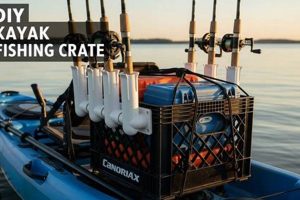
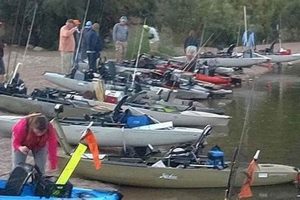
Information regarding current fishing conditions from San Diego bay and nearby coastal waters, specifically for anglers using kayaks, is frequently compiled and disseminated. These compilations often include details such as targeted species (e.g., yellowtail, calico bass, halibut), recommended bait and tackle, productive locations, tide and weather influences, and relevant regulations. An example would be a summary indicating successful calico bass catches near La Jolla using plastic swimbaits during a flood tide.
Access to current fishing information tailored to kayak anglers provides significant advantages. It allows for improved trip planning, leading to increased chances of success and a safer, more enjoyable experience. By understanding prevailing conditions and successful techniques, anglers can optimize their time on the water. Historically, this information was shared through local tackle shops and fishing clubs. The digital age has broadened access considerably, offering readily available updates through websites, forums, and social media platforms.
This understanding of localized fishing intelligence provides a foundation for exploring specific aspects of kayak fishing in the San Diego region. Topics such as launch locations, kayak selection and outfitting, safety procedures, and ethical fishing practices become more relevant and actionable when viewed in the context of current fishing conditions.
Tips for Kayak Fishing in San Diego
Successful kayak fishing requires preparation and awareness. These tips offer guidance for enhancing angling experiences in San Diego waters.
Tip 1: Check the marine forecast. Wind and swell conditions significantly impact kayak stability and safety. Confirm favorable conditions before launching.
Tip 2: Choose appropriate launch sites. Sheltered bays and coves provide calmer entry points compared to open beaches exposed to surf. Research launch locations suitable for kayak fishing.
Tip 3: Utilize a fish finder. Identifying underwater structure and baitfish concentrations increases the likelihood of locating target species. Portable fish finders designed for kayaks offer valuable insights.
Tip 4: Pack essential safety gear. A personal flotation device (PFD), a whistle, a signaling mirror, and a VHF radio are crucial for safety. A first-aid kit and appropriate sun protection should also be included.
Tip 5: Employ effective fishing techniques. Match tackle and bait choices to target species and prevailing conditions. Consult local resources for effective techniques and tackle recommendations.
Tip 6: Practice responsible anchoring. Avoid anchoring in heavily trafficked areas or sensitive habitats. Use appropriate anchor types and retrieval methods.
Tip 7: Adhere to fishing regulations. Familiarize oneself with current size and catch limits for targeted species. Obtain necessary fishing licenses and endorsements.
Tip 8: Respect the environment. Properly dispose of fishing line and other waste. Avoid disturbing wildlife and sensitive marine ecosystems.
By following these tips, anglers can maximize their chances of success while ensuring safety and environmental responsibility.
These practical considerations combined with insights into current fishing conditions form a comprehensive approach to successful kayak angling in the San Diego region.
1. Target Species

Identifying target species is a crucial component of a San Diego kayak fishing report. This information allows anglers to prepare effectively, increasing the likelihood of a successful and enjoyable fishing trip. Understanding the prevalent species and their respective habits dictates appropriate gear, bait, and fishing locations.
- Species Identification:
Accurate identification of prevalent species in San Diego waters is essential. Reports frequently mention targeted species such as calico bass, yellowtail, halibut, and white seabass. Knowing the specific species being targeted allows anglers to research their behaviors and preferred habitats.
- Seasonal Variations:
Target species vary depending on the season. A San Diego kayak fishing report will reflect these seasonal changes. For instance, yellowtail may be prevalent during summer and fall, while halibut are often targeted in spring. Understanding these patterns informs location choices and fishing techniques.
- Bait and Tackle Selection:
The target species directly influences bait and tackle choices. Live bait like anchovies might be effective for yellowtail, while plastic swimbaits or jigs may be preferred for calico bass. Reports often provide insights into successful bait and tackle combinations for the currently prevalent species.
- Location Specificity:
Different target species inhabit specific locations. Calico bass are often found near kelp forests and rocky reefs, while halibut prefer sandy bottom areas. A comprehensive report will connect target species with productive fishing locations, such as La Jolla kelp beds for calico bass or the flats near Coronado Island for halibut.
By integrating knowledge of target species with other report details like location and conditions, anglers can refine their strategies. This targeted approach optimizes time on the water and contributes to a more rewarding kayak fishing experience in San Diego.
2. Location Details

Location details are integral to the effectiveness of a San Diego kayak fishing report. Precise location information directly influences angling success by guiding kayak anglers to areas with higher probabilities of encountering target species. These details often include specific geographic coordinates, names of prominent landmarks (e.g., La Jolla Cove, Point Loma), or descriptions of underwater structures (e.g., kelp forests, reefs, canyons). For example, a report indicating productive calico bass fishing near the Zuniga Jetty provides actionable intelligence for anglers seeking this species.
The importance of accurate location information stems from the dynamic nature of fish distribution. Factors such as water temperature, currents, baitfish concentrations, and bottom topography influence where fish congregate. A report detailing productive locations considers these factors, enabling anglers to efficiently target specific areas rather than employing a less effective random search approach. Furthermore, location details contribute to safety by directing anglers away from hazardous areas or zones with restricted access. For instance, a report might advise avoiding areas with heavy boat traffic or strong currents.
Understanding the relationship between location details and fishing success provides a crucial advantage. By combining specific location insights with other report components, such as target species and recommended bait/tackle, anglers can develop a comprehensive fishing strategy. This targeted approach enhances efficiency, maximizes fishing time, and contributes to a more informed and rewarding kayak fishing experience in the diverse waters of San Diego. However, interpreting location details requires familiarity with local geography and nautical charts. Cross-referencing report information with navigational aids ensures accurate positioning and safe navigation.
3. Recommended Bait/Tackle

Recommended bait and tackle information within a San Diego kayak fishing report directly correlates with angling success. This guidance, tailored to local conditions and target species, equips anglers with the knowledge to optimize their fishing approach. Understanding the nuances of recommended bait and tackle selection is crucial for maximizing catch rates and enhancing the overall fishing experience.
- Species-Specific Recommendations:
Bait and tackle recommendations vary significantly depending on the target species. A report focusing on calico bass might suggest using plastic swimbaits, jigs, or live anchovies, while targeting yellowtail might necessitate live mackerel or heavier iron jigs. These specific recommendations consider the feeding habits and preferences of each species, increasing the likelihood of successful hookups.
- Tackle Considerations:
Recommended tackle encompasses rod, reel, line, and leader selection. A report might suggest using a medium-light spinning rod with a 2500-size reel spooled with 10-pound braided line and a fluorocarbon leader for calico bass. Alternatively, targeting larger pelagic species like yellowtail might require heavier tackle, such as a conventional reel with 30-pound line. These recommendations ensure anglers utilize appropriate gear for the targeted species and fishing conditions.
- Bait Selection and Presentation:
Bait selection plays a critical role in attracting and enticing target species. A report might advise using live squid for halibut or frozen chum to attract yellowfin tuna. Presentation techniques, such as slow-trolling live bait or retrieving a jig with a specific action, also factor into success. These recommendations provide valuable insights into effective bait usage and presentation methods.
- Seasonal and Locational Variations:
Recommended bait and tackle choices can change based on the season and specific fishing location. For instance, during certain times of the year, particular baitfish might be more prevalent, influencing the preferred diet of target species. Similarly, fishing near kelp forests might necessitate different tackle choices compared to fishing in open water. A comprehensive report will consider these variations, providing tailored recommendations for optimal results.
By integrating recommended bait and tackle information with other report details, such as target species and location specifics, anglers can formulate a comprehensive and effective fishing plan. This strategic approach maximizes the chances of a successful and rewarding kayak fishing experience in San Diego, optimizing both time and effort on the water.
4. Current Conditions
Current conditions form a cornerstone of any effective San Diego kayak fishing report. These real-time data points provide crucial context, influencing angler safety and directly impacting fishing success. Understanding the interplay between prevailing conditions and fish behavior is essential for maximizing angling opportunities in the dynamic San Diego marine environment.
- Tides and Currents:
Tidal flows and currents significantly influence fish feeding patterns and movement. A report detailing incoming or outgoing tides, along with current strength and direction, provides valuable insights. For example, strong currents near La Jolla might concentrate baitfish, attracting pelagic species like yellowtail. Conversely, slack tides in shallower bays might favor fishing for halibut or spotted bay bass. Understanding tidal influences allows anglers to strategically position themselves for optimal fishing success.
- Water Temperature:
Water temperature plays a critical role in determining the presence and activity levels of various fish species. A report indicating specific water temperatures helps anglers identify potential target species. Certain species, like yellowtail, prefer warmer waters, while others, like halibut, tolerate colder temperatures. This information allows anglers to refine their target species selection and adjust bait/tackle choices accordingly.
- Weather Patterns:
Weather conditions, including wind speed and direction, cloud cover, and air temperature, significantly impact both fishing and kayak safety. Strong winds can create challenging paddling conditions and limit access to certain areas. Cloud cover can affect water visibility and fish behavior. Reports indicating favorable weather conditions enhance safety and improve the overall fishing experience. For example, calm winds and clear skies create ideal conditions for sight fishing in shallow areas.
- Water Clarity:
Water clarity, or visibility, influences sight fishing opportunities and affects how fish react to bait and lures. A report indicating clear or turbid water guides bait and tackle choices. Clear water might favor using natural-looking lures or live bait, while murky water might necessitate using brightly colored lures or scented baits. Understanding water clarity allows anglers to adapt their techniques for improved effectiveness.
Integrating current conditions data with other elements of a San Diego kayak fishing reporttarget species, location details, and recommended bait/tacklecreates a synergistic effect. This holistic approach empowers anglers to make informed decisions, enhancing both safety and fishing success. By understanding the dynamic interplay of these factors, kayak anglers can effectively navigate the diverse waters of San Diego, maximizing their chances of a productive and enjoyable fishing experience.
5. Regulation Updates
Staying abreast of current fishing regulations is paramount for responsible and legal angling. Regulation updates form a critical component of a comprehensive San Diego kayak fishing report, ensuring anglers comply with size and catch limits, seasonal closures, and permitted fishing methods. Ignoring these updates risks penalties and undermines conservation efforts. Understanding the implications of regulation changes is crucial for maintaining a sustainable fishery and preserving the integrity of the marine environment.
- Size and Catch Limits:
Regulations dictate minimum and maximum size limits for various species, along with daily catch allowances. A San Diego kayak fishing report might highlight changes to the minimum size for calico bass or the daily bag limit for yellowtail. Adhering to these limits prevents overfishing and protects vulnerable populations. For instance, releasing undersized fish allows them to mature and contribute to future breeding cycles.
- Seasonal Closures:
Specific seasons might prohibit fishing for certain species to safeguard spawning periods or protect vulnerable life stages. A report might indicate closures for species like white seabass during their breeding season. Respecting these closures is crucial for maintaining healthy fish populations and ensuring sustainable fishing practices. Ignoring closures disrupts reproductive cycles and jeopardizes the long-term health of the fishery.
- Permitted Fishing Methods:
Regulations often stipulate permissible fishing methods and gear restrictions. For example, certain areas might prohibit the use of gill nets or specific types of hooks. A San Diego kayak fishing report might highlight changes to allowed fishing methods in particular zones. Complying with these regulations prevents the use of destructive fishing practices and minimizes bycatch, the unintentional capture of non-target species.
- License and Permit Requirements:
Possessing valid fishing licenses and endorsements is a legal requirement. A San Diego kayak fishing report might include reminders about necessary licenses or highlight changes to permit requirements. Ensuring proper licensing supports fisheries management and conservation efforts. Funds generated from license sales contribute to research, habitat restoration, and enforcement activities.
Integrating regulation updates into a San Diego kayak fishing report provides anglers with a comprehensive resource for responsible and informed fishing practices. By staying updated on current regulations, anglers contribute to the long-term health of the fishery and ensure the sustainability of this valuable resource. This commitment to ethical angling preserves the marine environment and safeguards fishing opportunities for future generations. Furthermore, awareness of current regulations minimizes the risk of legal penalties and fosters a culture of respect for the natural world.
Frequently Asked Questions
Addressing common inquiries regarding San Diego kayak fishing reports provides clarity and enhances angler preparedness. The following questions and answers offer valuable insights for both novice and experienced kayak anglers.
Question 1: How frequently are San Diego kayak fishing reports updated?
Update frequency varies depending on the source. Some online platforms provide daily updates, while others offer weekly or monthly summaries. Local tackle shops often provide real-time updates based on angler feedback.
Question 2: Where can reliable San Diego kayak fishing reports be found?
Reputable sources include local tackle shops, online fishing forums, dedicated kayak fishing websites, and social media groups focused on San Diego fishing. Cross-referencing information from multiple sources often provides a more comprehensive overview.
Question 3: What information should one prioritize within a report?
Prioritize target species, location details, recommended bait/tackle, and current conditions. This information directly influences fishing success and safety. Regulation updates are also crucial for ensuring legal compliance.
Question 4: How do weather conditions affect kayak fishing safety in San Diego?
Wind, waves, and fog pose significant safety risks for kayak anglers. Always check marine weather forecasts before launching and avoid venturing out in unfavorable conditions. Strong winds can create challenging paddling conditions, while fog reduces visibility, increasing the risk of collisions.
Question 5: Are there specific regulations for kayak fishing in San Diego?
Kayak anglers must adhere to all general fishing regulations, including size and catch limits, seasonal closures, and permitted fishing methods. Additional regulations specific to kayaks might apply in certain areas, such as marine protected areas or designated launch zones.
Question 6: How can one contribute to accurate and up-to-date San Diego kayak fishing reports?
Sharing personal fishing experiences, including target species, locations, successful bait/tackle, and observed conditions, contributes to the collective knowledge base. Reporting catches to local tackle shops or online platforms helps refine the accuracy and timeliness of available information.
Understanding the nuances of San Diego kayak fishing reports empowers anglers to make informed decisions, enhancing both safety and fishing success. Utilizing reliable sources and prioritizing relevant information contributes to a more productive and enjoyable angling experience.
Moving beyond these frequently asked questions, a closer examination of specific kayak fishing techniques in the San Diego region offers further insights for anglers seeking to refine their skills and maximize their catch rates.
San Diego Kayak Fishing Report
This exploration of San Diego kayak fishing reports has highlighted their significance as valuable resources for anglers. Key components, including target species identification, precise location details, recommended bait and tackle selections, current condition awareness, and adherence to regulation updates, contribute significantly to successful fishing outcomes. Understanding the interplay of these factors empowers informed decision-making, optimizing both angler safety and catch rates. Furthermore, responsible reporting practices within the angling community contribute to the accuracy and timeliness of these valuable resources.
Effective utilization of San Diego kayak fishing reports, combined with a commitment to ethical angling practices, fosters a sustainable and rewarding fishing experience. Continued sharing of information and responsible stewardship of marine resources ensures the preservation of this valuable recreational activity for future generations. The pursuit of angling success in San Diego waters hinges on informed participation and a shared commitment to conservation.