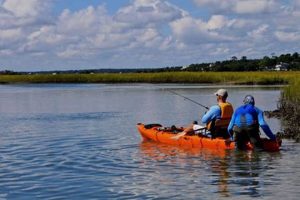
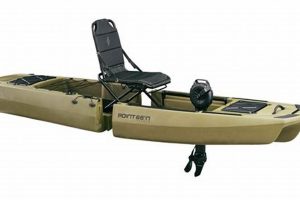
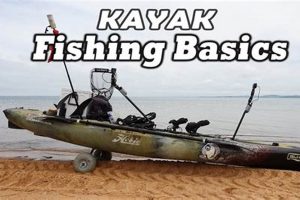
This type of watercraft, manufactured by Hobie, is designed specifically for angling in open saltwater environments. It combines the maneuverability of a kayak with features tailored for fishing, such as rod holders, storage compartments, and often a pedal-driven propulsion system. This allows anglers to navigate and fish hands-free, covering more water and reaching otherwise inaccessible spots.
The stability and specialized design of these vessels enhance the fishing experience, providing a platform optimized for both casting and landing fish. This has contributed to their growing popularity among anglers seeking efficiency and enjoyment on the water. Historically, fishing kayaks have evolved from basic recreational designs to highly specialized craft, with Hobie playing a significant role in developing pedal-powered models that revolutionized the market.
Further exploration will cover key aspects of these vessels, including variations in models, essential accessories, maintenance requirements, and optimal fishing techniques. The following sections will provide a comprehensive guide for both prospective buyers and seasoned anglers.
Tips for Ocean Kayak Fishing
Effective ocean kayak fishing requires preparation and understanding of specific techniques. These tips offer guidance for enhancing safety and maximizing fishing success.
Tip 1: Check Weather and Tides: Consult marine forecasts before embarking on any fishing trip. Understanding wind conditions, currents, and tidal changes is crucial for safe navigation and productive fishing.
Tip 2: Prioritize Safety Gear: Always wear a personal flotation device (PFD). Carry essential safety equipment, including a whistle, signaling device, and communication tools. Inform someone of your fishing plan and estimated return time.
Tip 3: Plan Your Fishing Location: Research potential fishing spots and identify areas with structure, reefs, or other features that attract fish. Utilize nautical charts and online resources to understand the underwater terrain.
Tip 4: Choose Appropriate Tackle and Bait: Select fishing gear and bait suitable for the target species and the local environment. Consider using tackle designed for saltwater conditions to prevent corrosion.
Tip 5: Master Kayak Control: Practice maneuvering the kayak efficiently, including paddling, steering, and deploying the anchor. Proficiency in kayak control enables anglers to position themselves effectively for fishing.
Tip 6: Respect Wildlife and the Environment: Adhere to local fishing regulations and practice catch-and-release when appropriate. Minimize environmental impact by properly disposing of fishing line and other waste.
Tip 7: Stay Hydrated and Sun-Protected: Bring ample water and snacks to maintain energy levels during long fishing trips. Protect skin from the sun with appropriate clothing, sunscreen, and a hat.
Tip 8: Learn Basic Kayak Fishing Techniques: Familiarize yourself with techniques such as drifting, anchoring, and trolling. Understanding these techniques will expand fishing opportunities and improve chances of success.
By implementing these tips, anglers can improve their safety, enhance fishing success, and contribute to a positive and sustainable ocean kayaking experience.
These preparatory measures contribute significantly to a successful and enjoyable fishing experience. The following section concludes with a summary of key considerations for ocean kayak fishing.
1. MirageDrive Pedal System

The MirageDrive pedal system is a defining feature of Hobie ocean fishing kayaks, distinguishing them from traditional paddle-powered vessels. This innovative propulsion system significantly impacts the angling experience, offering advantages in efficiency, maneuverability, and hands-free operation. Understanding its functionality and benefits is crucial for appreciating its integral role in Hobie’s fishing kayak designs.
- Hands-Free Fishing:
The pedal-driven system allows anglers to maintain a fishing rod in hand while simultaneously propelling and steering the kayak. This hands-free operation enhances casting accuracy, line control, and responsiveness to strikes, crucial aspects of successful angling. It also permits multi-tasking, such as adjusting lures or operating fish finders while maintaining position and movement.
- Biomechanically Efficient Propulsion:
Utilizing leg muscles, generally stronger than arm muscles, provides a more powerful and sustainable propulsion method. This translates to greater speed, longer distances covered, and reduced fatigue, particularly beneficial in challenging conditions or extended fishing trips. Anglers can maintain a consistent speed over longer periods, conserving energy for the core activity of fishing.
- Enhanced Maneuverability and Control:
The MirageDrive system allows for precise steering and maneuvering in tight spaces, around obstacles, and in varying currents. The ability to quickly change direction and maintain position enhances fishing techniques, especially in areas with complex underwater structures or when targeting specific fish behavior. This agility provides a tactical advantage over paddle-driven kayaks in demanding environments.
- Shallow Water Access:
The unique fin design of the MirageDrive system allows operation in shallow water without the risk of propeller damage, expanding fishing access to areas inaccessible to motorized boats. This capability proves advantageous in flats fishing, estuarine environments, and areas with submerged vegetation or obstacles. It opens up opportunities for targeting species that inhabit these shallow, often productive zones.
These facets of the MirageDrive system contribute significantly to the Hobie ocean fishing kayak’s effectiveness as a dedicated fishing platform. By enabling hands-free fishing, maximizing propulsion efficiency, enhancing maneuverability, and granting access to shallow waters, the MirageDrive system transforms the angling experience. It empowers anglers to cover more water, fish more effectively, and reach prime fishing locations previously challenging to access by traditional means.
2. Hands-Free Fishing

Hands-free fishing represents a significant advantage offered by Hobie ocean fishing kayaks, primarily facilitated by the MirageDrive pedal system. This capability distinguishes these kayaks from traditional paddle-powered vessels, fundamentally changing the angling experience. By eliminating the need to hold and manipulate paddles, anglers gain significant benefits in terms of fishing efficiency, lure presentation, and overall enjoyment.
The direct impact of hands-free operation is most apparent in improved lure control and responsiveness to fish strikes. Maintaining constant contact with the fishing rod allows for subtle adjustments to lure action, crucial for enticing fish and detecting bites. This heightened sensitivity translates directly into increased hook-up rates and successful landings. Furthermore, hands-free operation enables anglers to manage multiple rods simultaneously, exploring different depths and techniques concurrently. For instance, trolling a lure while simultaneously jigging another line becomes feasible, expanding fishing possibilities and maximizing time on the water. This multitasking capability enhances fishing versatility and overall productivity.
The practical significance of hands-free fishing extends beyond immediate tactical advantages. It contributes to reduced angler fatigue, particularly during long fishing trips or in challenging conditions. The physical demands of paddling are eliminated, conserving energy for the critical aspects of fishing, such as fighting fish and landing catches. This factor becomes especially relevant in demanding environments where currents or wind create resistance, allowing anglers to maintain focus and stamina throughout the fishing session. Ultimately, the ability to fish hands-free enhances not only the effectiveness but also the overall enjoyment and accessibility of the sport, attracting anglers of varying skill levels and physical abilities.
3. Stability and Maneuverability
Stability and maneuverability are critical performance characteristics of Hobie ocean fishing kayaks, directly influencing their suitability for the demanding marine environment. These attributes contribute significantly to angler safety, fishing effectiveness, and overall experience. The design of these kayaks prioritizes a balance between stability, crucial for casting, fighting fish, and re-entering after a water landing, and maneuverability, essential for navigating varied water conditions and accessing desirable fishing locations. A stable platform minimizes the risk of capsizing, especially important when dealing with unpredictable waves, currents, or the movements of a hooked fish. Simultaneously, responsive maneuverability allows anglers to navigate tight channels, exploit structure-rich areas, and position the kayak effectively for optimal casting angles. This balanced design expands the range of fishable waters and techniques, encompassing shallow-water sight fishing, offshore trolling, and maneuvering within complex reef systems.
For example, the wide, flat-bottomed hull design prevalent in many Hobie models contributes to initial stability, resisting tipping when stationary or during slow movements. This stability provides a secure platform for casting and retrieving lines, even with larger fish on the hook. Conversely, the inclusion of features like a retractable rudder or steering fins enhances maneuverability, allowing for precise directional control and responsiveness to changing water conditions. The combination of these design elements provides a versatile platform capable of both stable, controlled drifts and agile maneuvering through complex environments. Consider an angler targeting fish near a rocky outcrop; the kayak’s stability ensures a secure casting platform amidst wave action, while its maneuverability allows for precise positioning to exploit currents and eddies around the structure. This interplay between stability and maneuverability optimizes the fishing experience, enabling anglers to confidently and effectively target fish in diverse environments.
In summary, the integration of stability and maneuverability in Hobie ocean fishing kayaks is a crucial design consideration that directly impacts angler safety and fishing effectiveness. The balanced performance delivered by these vessels expands the accessible fishing range, from calm estuaries to challenging offshore waters. Understanding the interplay of these features empowers anglers to choose the right kayak model for their specific needs and fishing style, maximizing their success and enjoyment on the water. Further considerations related to specific model features and individual paddling styles will be explored in subsequent sections.
4. Specialized Storage Solutions

Effective organization and accessibility of fishing gear are paramount for a successful angling experience. Hobie ocean fishing kayaks address this crucial aspect through specialized storage solutions integrated into their designs. These storage features are not merely afterthoughts but carefully considered components that contribute significantly to both efficiency and enjoyment on the water. They enable anglers to carry a variety of tackle, tools, and personal items securely and within easy reach, minimizing clutter and maximizing fishing time.
- Rod Holders:
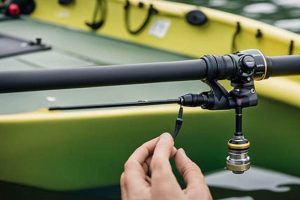
Multiple rod holders, strategically positioned throughout the kayak, secure rods while paddling or trolling, preventing damage and tangling. Flush-mounted rod holders allow rods to lie flat, minimizing wind resistance and visibility to fish. Angled rod holders facilitate trolling and hands-free fishing techniques. This variety accommodates diverse fishing styles and preferences.
- Tackle Management Systems:
Integrated tackle storage systems, including trays, compartments, and drawers, organize lures, hooks, lines, and other small accessories. These systems often incorporate removable components for customization and pre-trip preparation. Quick access to specific tackle items streamlines lure changes and maximizes fishing time, crucial during peak bite periods or changing conditions.
- Storage Compartments:
Larger storage compartments accommodate essential gear such as safety equipment, dry bags, and additional clothing. These compartments are typically sealed or water-resistant, protecting belongings from splashes and unexpected submersion. Properly secured gear ensures safety and preserves essential equipment functionality, crucial in unpredictable marine environments.
- Cargo Area Bungee Systems:
Bungee cords secure larger items like coolers, tackle boxes, and even small fish finders. These systems provide flexibility for carrying larger or irregularly shaped items, accommodating diverse needs and fishing styles. Securely fastened gear remains accessible yet prevents loss or damage during transit or rough water conditions.
These specialized storage solutions contribute significantly to the Hobie ocean fishing kayak’s effectiveness as a dedicated fishing platform. By providing designated spaces for rods, tackle, and other essential gear, these kayaks promote organization, efficiency, and safety on the water. The ability to quickly access necessary equipment without compromising stability or maneuverability enhances the overall fishing experience, allowing anglers to focus on the task at hand and maximize their chances of success.
5. Durable Construction

Durability is a critical factor in ocean fishing kayaks, given the demanding conditions they face. Hobie kayaks are recognized for robust construction designed to withstand the rigors of saltwater environments, impacts from waves and obstacles, and the general wear and tear of frequent use. This inherent durability contributes significantly to the kayak’s longevity, safety, and overall performance. Examining the specific components and construction techniques provides insight into the factors that contribute to this resilience.
- Hull Material:
Hobie utilizes high-quality materials like rotomolded polyethylene for their hulls. Rotomolding creates a seamless, one-piece hull with uniform thickness, providing exceptional impact resistance and structural integrity. This resilience to impacts and abrasion is crucial in rocky coastal environments or when encountering submerged debris. The material’s resistance to UV degradation also ensures long-term durability under constant sun exposure, a significant factor in maintaining the kayak’s structural integrity over time.
- UV Resistance:
Protection against the degrading effects of ultraviolet radiation is crucial for maintaining hull integrity and colorfastness in kayaks frequently exposed to sunlight. Hobie kayaks incorporate UV inhibitors in their hull materials, mitigating sun damage and extending the lifespan of the vessel. This resistance to fading and material degradation preserves both the aesthetic appeal and structural integrity of the kayak, ensuring long-term performance and value.
- Hardware and Fittings:
Corrosion-resistant stainless steel or anodized aluminum hardware is typically used in Hobie kayaks, ensuring long-term functionality and structural integrity in saltwater environments. These materials resist rust and degradation, maintaining the strength and reliability of critical components like rudder systems, seat attachments, and hatch closures. Durable hardware contributes to consistent performance and safety over the kayak’s lifespan, even with frequent exposure to harsh marine conditions.
- Construction Techniques:
Advanced construction techniques, such as robotic welding and precision molding, contribute to the overall strength and durability of Hobie kayaks. These methods ensure consistent quality and minimize potential weak points in the structure. Robotic welding, for instance, creates strong, uniform welds in critical stress areas, enhancing the kayak’s resistance to impacts and fatigue. Precision molding ensures a consistent hull shape and thickness, contributing to optimal performance and durability.
These elements combine to create a kayak capable of withstanding the challenges of ocean fishing, from harsh weather conditions to accidental impacts. The durable construction of a Hobie kayak translates to a longer lifespan, reduced maintenance requirements, and enhanced safety on the water, ultimately contributing to a more rewarding and reliable fishing experience. This durability allows anglers to focus on fishing, confident in the kayak’s ability to perform consistently in demanding environments.
6. Customization Options
Customization options significantly enhance the versatility of Hobie ocean fishing kayaks, allowing anglers to tailor their vessels to specific needs and fishing styles. This adaptability distinguishes Hobie kayaks from less adaptable designs, transforming them into personalized fishing platforms optimized for individual preferences and target species. From mounting electronics to configuring storage solutions, these customization options contribute significantly to both comfort and fishing effectiveness.
- Modular Accessory Mounting System:
Hobie kayaks feature integrated mounting systems, such as H-Rail and Gear Trac, designed to accommodate a wide range of accessories. These systems allow anglers to easily install and reposition items like rod holders, fish finders, GPS units, camera mounts, and even cup holders. The modularity allows for personalized configurations, adapting the kayak to specific fishing techniques and preferences. For example, a bass angler might prioritize multiple rod holders and a fish finder, while a photographer might opt for camera mounts and a stabilizer arm.
- Seat Customization:
Adjustable seating systems offer customization options for comfort and support, crucial for long hours on the water. Features like adjustable backrests, lumbar support, and seat height adjustments accommodate individual preferences and physical requirements. A comfortable seating position reduces fatigue and enhances focus, contributing to a more enjoyable and productive fishing experience. Upgrading to a high-back seat with added padding, for example, can significantly improve comfort during extended trips.
- Storage Configuration:
Customizable storage solutions, including interchangeable tackle trays, removable storage bins, and adjustable bungee systems, allow anglers to tailor storage capacity and organization to their specific needs. A fly fisherman, for instance, might configure their storage for fly boxes and specialized tools, while a lure angler might prioritize compartments for various lure types and tackle boxes. This adaptability ensures efficient access to essential gear and minimizes clutter, contributing to a streamlined and productive fishing experience.
- Drive Customization:
The MirageDrive pedal system itself offers customization options. Different fin designs cater to specific water conditions and performance preferences. For example, the Turbo Fins provide increased speed, while the ST Fins offer enhanced maneuverability in shallow water. Selecting the appropriate fin configuration optimizes the kayak’s performance for the intended fishing environment and technique, enhancing efficiency and control. Anglers can also upgrade to the MirageDrive 180, allowing for forward and reverse pedaling.
These customization options demonstrate Hobie’s commitment to providing anglers with highly adaptable fishing platforms. The ability to personalize the kayak through modular accessories, adjustable seating, adaptable storage, and customizable drive systems enhances both comfort and fishing effectiveness. This flexibility allows anglers to create a truly personalized fishing machine, optimized for their individual preferences, target species, and fishing styles. Ultimately, these customization options empower anglers to maximize their time on the water, contributing to a more successful and enjoyable fishing experience.
7. Enhanced Fishing Experience

The Hobie ocean fishing kayak is designed to elevate the angling experience beyond traditional methods, offering a unique blend of functionality, stability, and adaptability. This enhancement stems from a combination of innovative features that work synergistically to improve fishing effectiveness, comfort, and access to prime fishing locations. Analyzing these key facets provides a comprehensive understanding of how these kayaks transform the pursuit of game fish.
- Hands-Free Operation:
The MirageDrive pedal system’s hands-free propulsion allows anglers to maintain constant contact with their fishing rods, improving lure control, sensitivity to bites, and responsiveness to strikes. This translates directly into improved hook-up rates and more efficient fish-fighting capabilities. For example, an angler working a topwater lure can impart subtle movements with the rod tip while simultaneously maneuvering the kayak to maintain an optimal presentation, a task challenging to accomplish with traditional paddling. This hands-free advantage significantly enhances fishing precision and responsiveness.
- Increased Accessibility:
The kayak’s shallow-water capabilities, combined with its quiet operation, grant access to areas inaccessible to larger motorized boats, expanding the range of fishable waters. Shallow flats, estuaries, and backwater channels, often teeming with fish, become readily accessible. Consider a scenario where an angler can silently pedal into a shallow cove teeming with redfish, a feat impossible with a noisy outboard motor. This expanded access unlocks opportunities for targeting species in their preferred habitats.
- Stability and Maneuverability:
The kayak’s inherent stability provides a secure platform for casting, fighting fish, and even landing larger catches, while its maneuverability allows for precise positioning in dynamic environments. This combination is crucial in challenging conditions such as navigating swift currents, maneuvering around structure, or maintaining position in windy conditions. For instance, an angler fishing near a reef can confidently hold position in the current while presenting a bait precisely within the strike zone. This stability and control enhance fishing effectiveness in demanding situations.
- Customization and Adaptability:
The modular design and extensive range of accessories available for Hobie kayaks allow for personalization, adapting the vessel to individual fishing styles and target species. From specialized rod holders to integrated fish finders, the kayak becomes a customized fishing platform. An angler specializing in trolling might equip the kayak with multiple rod holders and outriggers, while a fly fisherman might prioritize a stripping basket and specialized fly rod holders. This adaptability optimizes the kayak for specific techniques and preferences, further enhancing the overall fishing experience.
These facets, combined with the inherent stability and maneuverability of Hobie ocean fishing kayaks, collectively contribute to a significantly enhanced fishing experience. The kayak becomes more than just a vessel; it transforms into a personalized and highly effective fishing platform, empowering anglers to pursue their passion with greater efficiency, comfort, and access to previously unattainable fishing grounds. The result is not just a better fishing trip, but a more immersive and rewarding connection with the sport itself.
Frequently Asked Questions
This section addresses common inquiries regarding Hobie ocean fishing kayaks, providing concise and informative responses to assist prospective buyers and current owners.
Question 1: What differentiates Hobie ocean fishing kayaks from other fishing kayaks?
The primary differentiator is the patented MirageDrive pedal system, enabling hands-free propulsion and fishing. This, combined with specialized features like integrated rod holders and customizable storage solutions, sets Hobie apart.
Question 2: How stable are Hobie ocean fishing kayaks in rough water conditions?
Hobie kayaks are designed with stability as a priority, featuring wide hulls and balanced designs. While individual model stability varies, they generally perform well in moderate chop. However, caution is always advised in challenging sea conditions.
Question 3: What is the weight capacity of a typical Hobie ocean fishing kayak?
Weight capacity varies by model, typically ranging from 400 to 500 pounds, including the angler, gear, and any catch. Consulting specific model specifications is essential for accurate information.
Question 4: How difficult is it to transport a Hobie ocean fishing kayak?
While heavier than recreational kayaks, Hobie fishing kayaks are transportable with appropriate roof racks or trailers. Specialized kayak carts facilitate movement from vehicle to water. Considering individual vehicle capacity and available transport solutions is advisable.
Question 5: What maintenance is required for a Hobie ocean fishing kayak?
Regular rinsing with fresh water after each use, especially after saltwater exposure, is crucial. Periodic inspection and lubrication of moving parts, including the MirageDrive system, are recommended. Following manufacturer guidelines ensures optimal performance and longevity.
Question 6: What safety precautions should be taken when ocean kayak fishing?
Wearing a personal flotation device (PFD) is paramount. Checking weather forecasts, informing someone of fishing plans, and carrying essential safety equipment like a whistle and signaling device are crucial for safe ocean kayaking.
This FAQ section provides a starting point for understanding key aspects of Hobie ocean fishing kayaks. Further research and consultation with authorized dealers are encouraged for detailed information and personalized guidance.
The following section concludes with final thoughts on choosing the appropriate Hobie model.
Conclusion
Exploration of the Hobie ocean fishing kayak reveals a specialized vessel designed to enhance angling experiences. Key features, including the MirageDrive pedal system, contribute to hands-free fishing, increased maneuverability, and access to shallow-water environments. Durable construction and ample storage solutions further augment the kayak’s utility. Customization options allow for personalization, adapting the vessel to individual fishing styles and target species. The synthesis of these elements yields a versatile and efficient platform for anglers seeking enhanced performance and enjoyment on the water.
Careful consideration of individual fishing needs, target species, and local water conditions is crucial in selecting an appropriate Hobie model. Further research, including consultations with authorized dealers and experienced anglers, is recommended to ensure an informed purchase decision. Continued exploration of advanced fishing techniques and responsible boating practices will further maximize the potential of the Hobie ocean fishing kayak, fostering both successful angling experiences and stewardship of marine environments.