Determining safe wind conditions for kayak fishing involves considering several factors, including wind speed, direction, and local conditions such as the presence of currents or waves. For example, a 10-knot wind on a small, sheltered lake might be manageable, while the same wind speed on a large, open body of water with significant wave action could be dangerous. Understanding these thresholds is essential for angler safety and a successful fishing trip.
Safe paddling practices are paramount for kayakers, particularly when fishing. Accidents related to challenging wind and water conditions can be avoided by careful planning and assessment of the environment. Historically, anglers relied on observation and local knowledge to determine safe conditions. Today, access to weather forecasts, wind meters, and online resources empowers kayakers to make more informed decisions, improving safety outcomes and allowing for more effective fishing trips.
The following sections will delve deeper into specific factors influencing safe wind conditions for kayak fishing, including detailed discussions on wind speed classifications, assessing water conditions, and strategies for handling challenging situations on the water.
Tips for Determining Safe Wind Conditions for Kayak Fishing
Planning a kayak fishing trip requires careful consideration of wind conditions to ensure a safe and enjoyable experience. The following tips offer guidance for assessing wind speeds and their impact on water conditions.
Tip 1: Check the forecast. Consult multiple weather sources for wind speed and direction predictions before heading out. Pay attention to forecasts specific to the body of water being fished, as conditions can vary significantly even within short distances.
Tip 2: Understand wind speed classifications. Familiarize oneself with the Beaufort Wind Scale to interpret wind speed descriptions and their corresponding effects on the water. This allows for better assessment of potential hazards.
Tip 3: Observe local conditions. Even with a favorable forecast, observe the actual conditions upon arrival. Look for whitecaps, wave height, and the behavior of other boaters or wildlife for real-time indications of wind impact.
Tip 4: Consider wind direction. Offshore winds, blowing from land to water, can quickly carry a kayak far from shore. Exercise extreme caution in these conditions, especially in less stable kayaks.
Tip 5: Be prepared for changing conditions. Wind speeds and directions can change rapidly. Always have a plan for returning to shore quickly and safely if conditions deteriorate unexpectedly.
Tip 6: Factor in experience level. Less experienced kayakers should stick to calmer conditions. Gradually increase exposure to higher wind speeds as skills and confidence develop.
Tip 7: Equip appropriately. Wear a personal flotation device and carry essential safety equipment, including a whistle, signaling devices, and a communication device.
By carefully considering wind conditions and adhering to these safety precautions, anglers can significantly reduce risks associated with kayak fishing and maximize their chances of a successful and enjoyable outing.
In conclusion, responsible trip planning and an understanding of wind’s effects on the water are crucial for safe and successful kayak fishing.
1. Wind Speed

Wind speed is the most crucial factor in determining whether conditions are suitable for kayak fishing. It directly impacts water conditions, kayak control, and overall safety. Accurately assessing and interpreting wind speed is essential for making informed decisions about venturing out and staying safe on the water.
- Beaufort Wind Scale:
The Beaufort Wind Scale provides a standardized system for classifying wind speeds based on observable effects on the water and land. It ranges from 0 (calm) to 12 (hurricane-force winds). Understanding this scale helps kayakers translate wind speed forecasts into real-world implications. For example, a Beaufort force 4 (13-18 knots) is described as a “moderate breeze” and creates small waves, frequent whitecaps, and dust rising on land. This level could be challenging for inexperienced kayakers.
- Effects on Water Conditions:
Wind speed directly dictates the size and frequency of waves. Higher wind speeds create larger waves and choppier conditions, making paddling more difficult and increasing the risk of capsizing. Even seemingly moderate wind speeds can create challenging conditions on larger bodies of water with greater fetch (the distance over which wind blows uninterrupted).
- Kayak Control and Stability:
Strong winds can significantly impede kayak control, making it difficult to maintain course and increasing the likelihood of being blown off course. Higher wind speeds also exert greater force on the kayak, potentially leading to capsizing, especially in less stable kayak designs. Crosswinds present particular challenges, requiring more effort to maintain a desired heading.
- Impact on Fishing Techniques:
Wind affects fishing techniques and effectiveness. Strong winds make casting more difficult and can impact lure presentation. Drifting becomes more pronounced, requiring adjustments in anchoring or positioning. High winds may also limit access to certain fishing areas due to safety concerns.
Careful consideration of wind speed and its effects on water conditions, kayak handling, and fishing techniques is paramount for a safe and successful kayak fishing trip. Consulting forecasts, understanding the Beaufort scale, and observing local conditions are essential steps in this process. Ultimately, respecting the power of wind and prioritizing safety is crucial for all kayakers.
2. Wind Direction
Wind direction plays a crucial role in determining safe kayak fishing conditions. While wind speed indicates the magnitude of the force, direction dictates where that force is applied, impacting both kayak control and potential hazards. Understanding the interplay between wind direction and water bodies is fundamental to risk assessment.
Offshore winds, blowing from land towards water, present the most significant danger. These winds can quickly push a kayak far from shore, making return difficult, especially if wind speed increases or conditions deteriorate. Onshore winds, blowing from water to land, generally pose less risk of being blown offshore; however, they can create challenging surf conditions near the shore, making launching and landing difficult. Crosswinds, blowing parallel to the shore, can significantly impact kayak control, making it challenging to maintain a desired course and increasing the risk of capsizing, especially in less stable kayak designs.
Consider a scenario with a 15-knot offshore wind. An inexperienced kayaker launching into these conditions could quickly find themselves far from shore, struggling to paddle against the wind. Conversely, the same wind speed blowing onshore might create challenging but manageable conditions for landing. This example highlights the importance of considering wind direction in conjunction with speed and other factors like paddler experience and kayak type. Knowledge of local topography and potential wind funneling effects is also crucial. Narrow channels or valleys can accelerate wind speeds, creating localized areas of higher risk even if overall wind speeds are moderate.
In summary, assessing wind direction is paramount for safe kayak fishing. Offshore winds necessitate extreme caution, while onshore and crosswinds present their own challenges. Integrating wind direction analysis with other factors like wind speed, water conditions, and personal skill level allows for a more comprehensive risk assessment, ultimately contributing to safer and more enjoyable fishing experiences.
3. Water Conditions
Water conditions are integral to determining safe wind thresholds for kayak fishing. Wind’s impact on water surfaces creates various challenges, directly influencing kayak stability and paddler safety. Understanding these interactions is crucial for informed decision-making and mitigating risks associated with wind and water.
- Wave Height and Frequency:
Wind generates waves, and their size and frequency are directly related to wind speed, duration, and fetch (the distance over which wind blows uninterrupted). Higher wind speeds create larger, more frequent waves, making paddling more difficult and increasing the risk of capsizing. For instance, a 15-knot wind on a lake with a long fetch can produce substantial waves, while the same wind on a small, sheltered pond might only generate ripples. Accurately assessing wave conditions is essential for determining kayak suitability.
- Currents and Tides:
Currents and tides interact with wind, creating complex and dynamic water conditions. An outgoing tide against an onshore wind can create steep, choppy waves, while a strong current combined with a crosswind can significantly impact kayak control. Understanding these interactions requires careful observation and knowledge of local water patterns. For example, fishing near inlets or river mouths demands awareness of tidal flows and their potential interaction with prevailing winds.
- Water Temperature:
While not directly influenced by wind, water temperature is a critical safety factor to consider in conjunction with wind conditions. Cold water significantly increases the risk of hypothermia if a capsize occurs, making even moderately windy conditions more hazardous. Appropriate cold-water gear and safety precautions become increasingly crucial as water temperatures decrease.
- Visibility:
Wind can affect visibility by creating spray and whipping up whitecaps, reducing the ability to see potential hazards like rocks, debris, or other boats. Reduced visibility combined with challenging wind and wave conditions further complicates navigation and increases risk. In such circumstances, enhanced vigilance and slower paddling speeds are crucial.
Considering water conditions in conjunction with wind speed and direction provides a comprehensive understanding of the risks involved in kayak fishing. Neglecting any of these elements can lead to hazardous situations. Thorough planning, continuous observation, and a conservative approach are essential for ensuring a safe and enjoyable experience on the water.
4. Kayak Type

Kayak design significantly influences performance and handling in windy conditions, directly impacting safe wind thresholds for fishing. Hull shape, length, width, and open vs. closed cockpit designs all contribute to stability and wind resistance, requiring careful consideration when assessing acceptable wind speeds for a given kayak type.
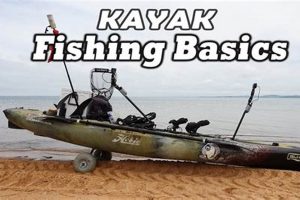
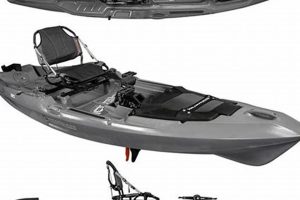
Wider, shorter kayaks, particularly sit-on-tops, generally offer greater initial stability, making them more resistant to tipping but also more susceptible to wind drift. Their larger surface area catches more wind, requiring greater effort to maintain course in strong winds. Longer, narrower kayaks, often sit-inside designs, track better and cut through waves more efficiently but can be less stable, demanding more experience and balance from the paddler. For example, a short, wide recreational sit-on-top might be suitable for calm lakes with light winds but become challenging to control in a 15-knot crosswind. Conversely, a longer sea kayak designed for open water might handle the same wind with greater ease but require more skill to prevent capsizing in rougher conditions.
Choosing an appropriate kayak type for anticipated wind conditions is crucial for safety and fishing effectiveness. Matching kayak design to the intended environment and the paddler’s skill level is paramount. Understanding the trade-offs between stability and maneuverability in different kayak designs empowers informed decisions, leading to safer and more enjoyable fishing experiences. Overestimating kayak capabilities in windy conditions can lead to hazardous situations, highlighting the importance of careful kayak selection and realistic self-assessment.
5. Paddler Experience

Paddler experience is paramount when determining acceptable wind conditions for kayak fishing. Experience directly correlates with the ability to handle challenging conditions, influencing decision-making, boat control, and responses to unexpected events. Novices should exercise extreme caution, opting for calm conditions, while experienced paddlers can handle moderately windy situations, recognizing their limits and prioritizing safety.
A novice kayaker lacks the refined paddle strokes and bracing techniques necessary to maintain stability in wind and waves. They may struggle to control direction, become easily disoriented, and panic in challenging situations. An experienced paddler, however, possesses the skills to maintain course, adjust to changing conditions, and recover from near capsizes. For example, an experienced paddler encountering a sudden gust can effectively employ bracing strokes to maintain balance, while a novice might capsize. Similarly, an experienced paddler understands the importance of paddling into waves at an angle to minimize the risk of capsizing, a nuance a novice might overlook.
Understanding one’s limitations is crucial. Even experienced paddlers should avoid extreme wind conditions. Overconfidence can lead to dangerous situations, even for those with advanced skills. Continuous learning, practice, and gradual exposure to increasingly challenging conditions are essential for skill development. Respecting the power of wind and water, regardless of experience level, remains fundamental to safe kayak fishing. Appropriate decision-making based on realistic self-assessment is key to minimizing risk and maximizing enjoyment on the water.
6. Location Specifics

Location-specific factors significantly influence how wind affects kayak fishing conditions. Fetch, the distance over which wind blows uninterrupted across a water body, plays a crucial role in wave development. Larger fetches allow for larger waves to build, increasing risks even at moderate wind speeds. Geographic features such as surrounding mountains or valleys can funnel and accelerate wind, creating localized areas of significantly higher wind speeds than predicted forecasts. For instance, a seemingly manageable 10-knot wind can become a hazardous 20-knot gust in a narrow channel due to funneling effects. Similarly, a large, open lake with a long fetch will develop larger waves than a small, sheltered cove in the same wind conditions.
Shoreline configuration and proximity to structures further influence water conditions. Points and headlands exposed to prevailing winds experience greater wave action and stronger currents. Areas near bridges, piers, or other structures can create turbulent eddies and unpredictable water flow, further complicating kayak control in windy conditions. Consider a scenario where a kayaker fishes near a rocky point exposed to a 20-knot wind. The combination of increased wave height due to the point’s exposure and the proximity of rocks creates a substantially higher risk of capsizing compared to fishing in a sheltered bay under the same wind conditions. Understanding these location-specific nuances is crucial for accurate risk assessment.
Careful consideration of location-specific factors, including fetch, geographic features, and shoreline configuration, is essential for determining safe wind conditions for kayak fishing. Local knowledge, observation, and awareness of potential hazards are crucial for informed decision-making. Failing to account for these factors can lead to underestimation of risks, increasing the likelihood of encountering dangerous situations. Integrating location-specific analysis with other considerations like wind speed and direction, kayak type, and paddler experience allows for a comprehensive risk assessment, contributing significantly to safer and more successful kayak fishing trips.
7. Safety Equipment

Safety equipment plays a vital role in mitigating risks associated with wind and water conditions while kayak fishing. Proper equipment choices significantly impact the ability to manage challenging situations and potentially avert disaster. A direct correlation exists between appropriate safety gear and the threshold of acceptable wind conditions. Carrying necessary equipment allows anglers to extend their safe operating window, providing a critical buffer against unforeseen events and sudden weather changes. For instance, a kayaker equipped with a bilge pump can quickly address water accumulation in the cockpit caused by waves in moderately windy conditions, whereas a kayaker without a pump faces a higher risk of capsizing.
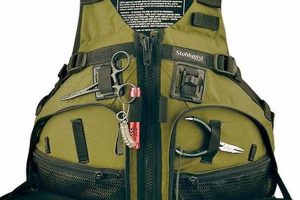
Essential safety equipment includes a properly fitted personal flotation device (PFD), a whistle or other signaling device, a communication device (waterproof VHF radio or mobile phone in a waterproof case), a first-aid kit, and navigation tools (compass, GPS, charts). Additional gear like a paddle leash, spray skirt, and bilge pump further enhance safety, particularly in windy or choppy conditions. Consider a scenario where a kayaker encounters strong, unexpected gusts. A PFD provides essential buoyancy in case of capsize, while a VHF radio allows communication with rescue services. A paddle leash prevents loss of the paddle in rough conditions, and a spray skirt reduces water entry into the cockpit, enhancing stability.
Appropriate safety equipment is not a guarantee against accidents but provides crucial tools for managing risks and responding effectively to emergencies. Careful equipment selection, regular maintenance, and understanding how to use each item are paramount. Complacency regarding safety equipment undermines its effectiveness, highlighting the need for diligent preparation and a proactive approach to safety. Investing in and understanding proper safety equipment empowers kayakers to extend their fishing range, handle more challenging conditions, and ultimately enhance their safety on the water. Safety equipment bridges the gap between acceptable risk and potential danger, allowing anglers to enjoy kayak fishing while mitigating inherent hazards.
Frequently Asked Questions
Addressing common concerns regarding wind and kayak fishing safety promotes informed decision-making and fosters a culture of responsible angling practices. The following questions and answers offer guidance for navigating the complexities of wind conditions and their impact on kayak fishing safety.
Question 1: What wind speed is generally considered too windy for kayak fishing?
No single wind speed universally defines unsafe conditions. Factors such as kayak type, paddler experience, water conditions, and location-specific features all influence acceptable wind speeds. However, winds exceeding 15-20 knots generally present significant challenges for most kayak anglers and necessitate careful consideration.
Question 2: Are offshore winds more dangerous than onshore winds for kayak fishing?
Offshore winds pose a greater risk due to the potential for rapid displacement from shore. Returning against strong offshore winds can be challenging even for experienced paddlers. Onshore winds, while generally less risky regarding distance from shore, can create challenging surf conditions near the shore, making launching and landing difficult.
Question 3: How does kayak type influence safe wind thresholds?
Wider, shorter kayaks offer greater initial stability but are more susceptible to wind drift. Longer, narrower kayaks track better in wind but require more experience for balance. Sit-on-tops often handle wind better than sit-inside kayaks due to their self-bailing design.
Question 4: What role does paddling experience play in determining safe wind conditions?
Experience significantly impacts one’s ability to handle wind and waves. Novices should stick to calm conditions, while experienced paddlers can manage moderate winds, always recognizing individual limitations and prioritizing safety.
Question 5: How can location-specific factors influence wind conditions?
Fetch, the distance over which wind blows uninterrupted, greatly affects wave development. Longer fetches result in larger waves. Geographic features like mountains and valleys can funnel and accelerate wind, creating localized areas of higher wind speeds than forecast.
Question 6: What essential safety equipment should one carry when kayak fishing in windy conditions?
Essential equipment includes a PFD, whistle, communication device (VHF radio or mobile phone in a waterproof case), first-aid kit, and navigation tools. Additional gear like a paddle leash, spray skirt, and bilge pump enhances safety in challenging conditions.
Careful consideration of these frequently asked questions empowers informed decision-making and contributes to safer kayak fishing practices. Prioritizing safety, understanding personal limitations, and respecting the dynamic nature of wind and water are crucial for a successful and enjoyable experience on the water.
For further information on safe kayak fishing practices, consult local paddling organizations, experienced instructors, or relevant coastal authorities. Continuous learning and skill development are paramount for enhancing safety and enjoyment in the sport.
How Windy Is Too Windy for Kayak Fishing
Determining appropriate wind conditions for kayak fishing requires careful evaluation of interconnected factors. Wind speed, interacting with wind direction and fetch, dictates wave height and overall water conditions. Kayak type influences stability and maneuverability, while paddler experience dictates the ability to handle challenging situations. Location-specific features, including funneling effects and proximity to hazards, further complicate risk assessment. Finally, appropriate safety equipment provides a crucial buffer against unforeseen events, extending the window of acceptable conditions.
Safe kayak fishing hinges on a thorough understanding of these interacting elements. Conservative decision-making, continuous observation, and a commitment to safety protocols are paramount. Respect for the power of wind and water, combined with informed preparation, empowers anglers to enjoy the sport while mitigating inherent risks. Ultimately, responsible kayak fishing practices promote both personal safety and the long-term sustainability of the activity.