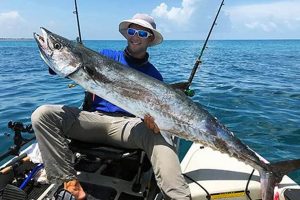
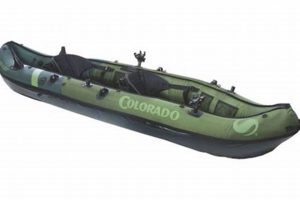
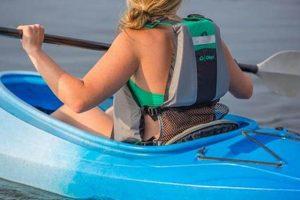
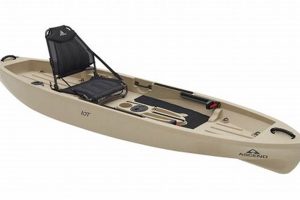
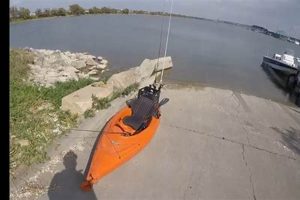
Stories centered around the sport of fishing from a kayak encompass a wide range of experiences, from humorous mishaps and thrilling catches to meditative reflections on nature and the unique challenges posed by this increasingly popular method of angling. These narratives often involve detailed descriptions of equipment, locations, and the targeted species, offering practical insights alongside personal anecdotes. For example, an account might detail the struggles of landing a large fish in a small vessel or the serene beauty of a secluded cove encountered during a fishing trip.
Sharing these experiences serves several crucial functions within the angling community. They provide a platform for exchanging practical advice, fostering a sense of camaraderie among enthusiasts, and documenting the evolution of techniques and equipment. Historically, anglers have recounted their exploits, passing down knowledge and building a shared cultural heritage around the sport. The digital age has broadened the reach of these narratives, connecting anglers globally and promoting conservation awareness by highlighting the beauty and fragility of aquatic ecosystems.
The following sections will delve into specific aspects of this activity, exploring both the practical and philosophical dimensions that make it so compelling. Topics covered will include recommended equipment, popular fishing locations, species-specific strategies, and the growing emphasis on sustainable fishing practices within the kayak angling community.
Tips for Kayak Fishing
Careful planning and preparation contribute significantly to a successful and enjoyable kayak fishing experience. The following tips offer guidance for anglers of all skill levels.
Tip 1: Prioritize Stability: Kayak selection should prioritize stability, especially for beginners. Wider, flatter-bottomed kayaks offer greater stability than narrower, more agile models. Consider testing different kayaks before purchasing or renting to determine the best fit.
Tip 2: Master Basic Paddling Strokes: Proficiency in basic paddling strokes is essential for maneuvering effectively and reaching desired fishing spots. Practice paddling in various conditions before venturing into open water or strong currents.
Tip 3: Organize and Secure Equipment: Proper organization and secure storage of fishing gear are crucial for maintaining balance and preventing equipment loss. Utilize tackle boxes, rod holders, and dry bags to keep items organized and within easy reach.
Tip 4: Dress Appropriately for the Conditions: Weather conditions can change rapidly on the water. Dressing in layers and wearing appropriate safety gear, such as a life jacket and a whistle, is essential for comfort and safety.
Tip 5: Understand Local Regulations: Familiarization with local fishing regulations, including licensing requirements and catch limits, is crucial for responsible angling. Check local resources for up-to-date information.
Tip 6: Practice Catch and Release Techniques: Employing proper catch and release techniques minimizes stress on fish populations and contributes to the sustainability of the fishery. Use appropriate hooks and handling methods to ensure the fish’s well-being.
Tip 7: Be Aware of Water Conditions and Weather Forecasts: Check weather forecasts and water conditions before embarking on a fishing trip. Avoid fishing in hazardous conditions such as strong winds, lightning storms, or rough waters.
Tip 8: Inform Someone of Your Plans: Sharing your fishing plans with a friend or family member, including your intended location and estimated return time, is a crucial safety precaution.
By adhering to these guidelines, anglers can maximize their enjoyment and success on the water while promoting safe and responsible fishing practices.
These practical considerations lay the groundwork for a rewarding experience, allowing anglers to fully immerse themselves in the pursuit of their quarry.
1. Personal Experiences

Personal experiences form the bedrock of kayak fishing narratives. These accounts transform simple fishing trips into engaging stories by weaving in elements of challenge, discovery, and personal reflection. The act of battling a powerful fish from a small, unstable platform creates a unique set of challenges, generating memorable moments ripe for storytelling. Whether it’s the thrill of a hard-fought victory, the frustration of a near miss, or the quiet satisfaction of a peaceful day on the water, these individual encounters provide the raw material from which compelling tales are crafted. For example, an angler might recount a harrowing experience navigating through unexpected rough waters, adding a layer of drama and suspense to the narrative, or describe the serene beauty of a secluded cove, fostering a sense of connection with nature.
The value of these personal experiences extends beyond mere entertainment. They offer practical insights into the nuances of kayak fishing, providing valuable lessons for others. A story about a specific lure that proved effective in a particular location, or a technique for managing tangled fishing lines in a confined space, can offer actionable advice for fellow anglers. Furthermore, the emotional resonance of personal experiences creates a sense of shared identity within the kayak fishing community, fostering connections between individuals who share a passion for the sport. These shared experiences, whether recounted around a campfire or shared online, contribute to a collective body of knowledge and strengthen the bonds within the community.
In essence, personal experiences inject life and meaning into kayak fishing tales. They transform technical details and fishing reports into compelling narratives that resonate with audiences. By understanding the significance of personal experiences within these narratives, one gains a deeper appreciation for the challenges, rewards, and unique perspectives inherent in this specialized form of angling. This understanding also underscores the importance of responsible angling practices and the preservation of natural resources, as these experiences often highlight the fragility and beauty of the aquatic environments in which the sport takes place.
2. Equipment Challenges

Equipment challenges play a significant role in shaping the narratives of kayak fishing experiences. The limitations and advantages presented by specialized gear often become central themes, adding layers of complexity and intrigue to the stories. Understanding these challenges provides insight into the resourcefulness and adaptability required for successful kayak angling.
- Space Constraints and Organization:
Limited storage space on a kayak necessitates careful equipment selection and organization. Anglers must prioritize essential gear and employ efficient storage solutions. Tales often recount the struggles of managing rods, reels, tackle boxes, and other necessities within a confined space. Improvised solutions and clever organization hacks frequently become key elements of these narratives, showcasing the angler’s ingenuity and adaptability. For example, a story might detail how an angler creatively repurposed a milk crate for tackle storage or devised a system for quickly deploying and retrieving fishing rods in a tight space. These details not only provide practical tips for other anglers but also add a touch of realism and human ingenuity to the narrative.
- Equipment Selection and Adaptation:
Choosing appropriate equipment is paramount in kayak fishing. Rods, reels, and lures must be suited to both the target species and the unique demands of fishing from a kayak. Stories frequently highlight the advantages and disadvantages of specific gear choices. For instance, a narrative might focus on the effectiveness of a shorter, more maneuverable fishing rod in a confined cockpit or the challenges of using a particular type of reel in saltwater conditions. These equipment-focused anecdotes provide valuable insights for other anglers while adding a layer of technical detail to the narrative, enhancing its credibility and appeal to enthusiasts.
- Dealing with Equipment Malfunctions:
Equipment malfunctions present unique challenges in the isolated environment of kayak fishing. A broken rod, a tangled reel, or a lost lure can significantly impact a fishing trip. Narratives often recount these moments of crisis, highlighting the angler’s problem-solving skills and resilience. The ability to repair gear on the fly or improvise solutions with limited resources becomes a testament to the angler’s preparedness and adaptability. A story about repairing a broken rod tip with duct tape or improvising a replacement lure from readily available materials not only adds a dramatic element to the narrative but also underscores the importance of being resourceful in challenging situations.
- Balancing Stability and Functionality:
Maintaining balance while managing fishing equipment is a constant challenge in kayak fishing. The act of casting, reeling, and landing a fish requires careful weight distribution and body control. Narratives often describe the precarious moments of fighting a strong fish while maintaining stability, adding an element of excitement and suspense. The angler’s ability to manage these physical challenges becomes a key aspect of the story, showcasing their skill and experience. For example, a tale might recount the delicate balancing act required to land a large fish while simultaneously maneuvering the kayak in choppy water, highlighting the angler’s physical prowess and expertise in managing both the equipment and the environment.
These equipment-related challenges add depth and complexity to kayak fishing tales, revealing the ingenuity, adaptability, and resilience required to succeed in this demanding sport. They transform simple fishing trips into compelling narratives of human ingenuity and perseverance, offering valuable lessons and insights for fellow anglers while enriching the overall experience of the sport. By understanding these challenges, one gains a deeper appreciation for the resourcefulness and problem-solving skills displayed by kayak anglers, contributing to the richness and authenticity of their shared narratives.
3. Environmental Encounters

Environmental encounters are integral to kayak fishing narratives. The close interaction with nature inherent in this activity provides a unique perspective, shaping the angler’s experience and enriching the stories they tell. These encounters can range from breathtaking observations of wildlife to challenging weather conditions, adding layers of complexity and authenticity to kayak fishing tales.
- Wildlife Encounters:
Kayak fishing offers unparalleled opportunities for observing aquatic and terrestrial wildlife. Quietly navigating waterways allows anglers to witness animals in their natural habitats. Encounters with dolphins, seabirds, or even larger marine life become memorable moments, adding a touch of awe and wonder to the narrative. A story might recount the sight of a bald eagle diving for a fish or a pod of dolphins playfully swimming alongside the kayak, enriching the narrative with vivid descriptions of the natural world.
- Weather Conditions:
Weather plays a crucial role in kayak fishing. Changing conditions, from calm sunny days to sudden storms, can dramatically impact the experience. Tales often recount the challenges of navigating through choppy waters or the tranquility of a glassy, mirror-like surface. The angler’s ability to adapt to these conditions becomes a key element of the narrative, highlighting their resilience and resourcefulness. For example, a story might describe the sudden onset of a squall and the angler’s efforts to navigate back to shore safely, adding an element of suspense and drama.
- Navigational Challenges:
Navigating waterways in a kayak presents unique challenges. Understanding currents, tides, and potential hazards is essential for safe and successful fishing. Stories often recount the difficulties of maneuvering through narrow channels or the satisfaction of discovering a hidden cove. These navigational challenges add an element of exploration and adventure to the narrative. For example, an angler might describe the process of navigating a labyrinthine network of mangrove tunnels or the excitement of discovering a hidden fishing spot accessible only by kayak.
- Environmental Awareness:
Close interaction with the natural environment fosters environmental awareness among kayak anglers. Witnessing the fragility of aquatic ecosystems firsthand often inspires a sense of responsibility and a commitment to conservation. Tales may incorporate themes of environmental stewardship, emphasizing the importance of protecting these valuable resources. A story might highlight the impact of pollution on a local waterway or the importance of catch-and-release practices, promoting responsible angling and environmental awareness.
These environmental encounters become defining elements of kayak fishing tales. They transform simple fishing trips into immersive narratives that connect anglers with the natural world. By understanding the significance of these encounters, one gains a deeper appreciation for the multifaceted nature of kayak fishing and the unique perspectives it offers. These narratives not only entertain and inform but also inspire a sense of wonder and respect for the natural environment, encouraging responsible stewardship of these valuable resources.
4. Species-specific strategies

Species-specific strategies are essential components of compelling kayak fishing narratives. Targeting particular species requires specialized knowledge and techniques, influencing equipment choices, location selection, and angling approaches. These specialized strategies become central themes in fishing stories, adding layers of complexity and demonstrating the angler’s expertise. Cause-and-effect relationships between strategy and outcome drive the narrative, creating suspense and highlighting the angler’s skill. For example, a story might detail the precise lure and retrieval method used to entice a wary trout in a clear mountain stream, or the specialized rigging required to target bottom-dwelling fish in deep offshore waters. Success or failure hinges on the angler’s understanding of the target species’ behavior, habitat preferences, and feeding patterns.
The importance of species-specific strategies extends beyond simply catching fish. It reflects a deeper understanding of the aquatic ecosystem and the interconnectedness of its inhabitants. Narratives often explore the ethical considerations of targeting specific species, including conservation concerns and the importance of selective harvesting. A story might contrast the challenges and rewards of pursuing a highly prized game fish versus a more common species, raising questions about the angler’s motivations and the impact of fishing on the environment. Practical examples, such as the use of circle hooks to minimize injury to released fish or the avoidance of fishing during spawning seasons, demonstrate the angler’s commitment to responsible fishing practices.
Understanding species-specific strategies enhances the reader’s appreciation for the nuances of kayak fishing. It transforms a simple recounting of events into a nuanced exploration of the angler’s knowledge, skill, and ethical considerations. The challenges posed by targeting specific species, the adaptations required for success, and the reflections on conservation contribute to a richer, more meaningful narrative. These strategies are not merely technical details; they represent a deep connection between the angler, the target species, and the environment. This understanding adds depth and authenticity to kayak fishing tales, making them both informative and engaging for experienced anglers and newcomers alike. It reinforces the notion that successful kayak fishing is not simply about catching fish but about understanding and respecting the complex interplay of factors that contribute to a thriving aquatic ecosystem.
5. Conservation Considerations

Conservation considerations are increasingly prominent in contemporary narratives surrounding kayak fishing. The close interaction with aquatic ecosystems fosters a heightened awareness of environmental fragility and the importance of responsible angling practices. This awareness shapes the angler’s experience, influencing decision-making and adding a layer of ethical responsibility to the pursuit of sport.
- Minimizing Environmental Impact:
Kayak fishing, by its nature, offers a less impactful approach compared to motorized boating. Quiet propulsion minimizes disturbance to aquatic life and avoids the potential damage caused by propellers and anchors. Narratives often emphasize this low-impact aspect, highlighting the angler’s commitment to preserving the natural environment. Choosing to paddle rather than motor, using anchor weights appropriate for the substrate, and avoiding sensitive habitats demonstrate a conscious effort to minimize disruption.
- Catch-and-Release Practices:
Catch-and-release fishing has become a cornerstone of responsible angling, particularly within the kayak fishing community. Narratives often detail the techniques used to minimize stress on released fish, ensuring their survival. Proper handling, the use of barbless hooks, and minimizing the time fish are out of the water are common themes, reflecting a commitment to preserving fish populations. Stories might describe the satisfaction of releasing a healthy fish back into its environment, emphasizing the ethical dimension of the sport.
- Habitat Preservation and Restoration:
Kayak anglers frequently encounter firsthand the impacts of habitat degradation and pollution. This direct experience often translates into advocacy for habitat preservation and restoration. Narratives may describe participation in cleanup efforts, support for conservation organizations, or advocacy for policies that protect waterways. Sharing observations of pollution or habitat destruction within fishing stories can raise awareness and inspire action within the wider community.
- Responsible Waste Management:
The “leave no trace” ethic is paramount in kayak fishing. Carrying out all trash, including fishing line and discarded tackle, is essential for minimizing environmental impact. Narratives often emphasize this responsibility, showcasing the angler’s commitment to preserving the pristine beauty of natural waterways. Stories might describe the extra effort taken to retrieve lost lures or the practice of carrying reusable containers for waste, demonstrating a commitment to responsible environmental stewardship.
These conservation considerations are interwoven into the fabric of modern kayak fishing tales. They reflect a growing awareness of the interconnectedness between angler, species, and environment. By incorporating these themes, narratives not only entertain and inform but also promote responsible angling practices, contributing to the long-term health and sustainability of aquatic ecosystems. This focus on conservation elevates kayak fishing beyond a mere recreational pursuit, transforming it into an activity that fosters environmental stewardship and a deeper appreciation for the natural world. The stories shared become not just about the fish caught but about the responsibility felt and the actions taken to protect the environments that sustain them.
6. Community Connections
Community connections play a vital role in enriching kayak fishing narratives. Sharing experiences, knowledge, and camaraderie strengthens the bonds among enthusiasts, fostering a sense of belonging and contributing to the overall enjoyment of the sport. These connections transform individual fishing trips into shared experiences, adding a social dimension that extends beyond the solitary nature of kayak angling.
- Shared Knowledge and Skill Development:
Kayak fishing communities provide platforms for exchanging valuable information, from species-specific strategies and equipment recommendations to navigational tips and safety protocols. Experienced anglers often mentor newcomers, sharing their expertise and fostering a culture of learning. Narratives frequently recount instances where shared knowledge led to success or prevented mishaps, highlighting the importance of community-based learning. Online forums, social media groups, and local fishing clubs facilitate this exchange, creating a collective pool of knowledge that benefits all members.
- Organized Events and Competitions:
Kayak fishing tournaments and group outings provide opportunities for anglers to connect face-to-face, fostering camaraderie and friendly competition. These events often become the setting for memorable stories, recounting shared challenges, triumphs, and humorous mishaps. The shared experience of competing against others or collaborating on a group fishing trip strengthens community bonds and creates lasting memories. Narratives might describe the excitement of a tournament weigh-in, the collaborative effort of locating a productive fishing spot, or the shared laughter over a comical mishap on the water.
- Conservation Advocacy and Stewardship:
Kayak fishing communities often play a significant role in conservation efforts. Sharing observations about environmental changes, organizing cleanup events, and advocating for responsible fishing regulations demonstrate the collective power of these groups. Narratives can highlight the impact of community-based conservation initiatives, inspiring others to participate and promoting environmental stewardship. Stories might describe a group effort to remove debris from a local waterway, a community-led campaign to protect a threatened fish species, or the collective adoption of sustainable fishing practices within a local angling club.
- Mentorship and Support Networks:
Experienced kayak anglers often provide guidance and support to newcomers, fostering a welcoming and inclusive environment. Sharing advice on equipment selection, paddling techniques, and fishing strategies helps beginners gain confidence and become proficient anglers. Narratives can showcase the positive impact of mentorship, demonstrating the value of community support in developing skills and fostering a sense of belonging. Stories might recount the experience of a novice angler learning from a seasoned veteran, the support offered during a challenging fishing trip, or the sense of accomplishment derived from mastering a new skill with the help of community members.
These community connections enrich kayak fishing experiences and contribute to the vibrant tapestry of narratives shared among enthusiasts. The exchange of knowledge, the shared challenges and triumphs, and the collective efforts towards conservation create a sense of belonging and shared purpose. Kayak fishing tales, therefore, become more than just individual accounts; they represent the collective experience of a passionate community, bound by a shared love of the sport and a commitment to preserving the natural environment for future generations. The stories told and retold within these communities strengthen the bonds between members, reinforcing the importance of shared experiences and collaborative efforts in enhancing the enjoyment and sustainability of kayak fishing.
Frequently Asked Questions
Addressing common inquiries regarding narratives centered around kayak fishing provides clarity and fosters a deeper understanding of this popular activity. The following questions and answers offer insights for both novice and experienced anglers.
Question 1: What makes kayak fishing stories unique compared to other fishing narratives?
The unique challenges and rewards of fishing from a kayak distinguish these narratives. Limited space, specialized equipment, and close interaction with the environment contribute to compelling stories of adaptation, resilience, and a deep connection with nature.
Question 2: How do these narratives contribute to the kayak fishing community?
Sharing experiences fosters a sense of camaraderie, facilitates the exchange of practical knowledge, and promotes responsible angling practices through shared insights and observations.
Question 3: Are these narratives solely focused on catching fish?
While catching fish is often a central theme, these narratives encompass a broader range of experiences. Encounters with wildlife, navigating challenging waters, and reflections on the natural environment add depth and complexity to the stories.
Question 4: What role does equipment play in these narratives?
Specialized equipment and the challenges of managing gear in a confined space often feature prominently. Adapting equipment to specific conditions and species becomes a key element of the narrative, showcasing resourcefulness and problem-solving skills.
Question 5: How do these narratives address conservation concerns?
A growing emphasis on environmental stewardship is reflected in many contemporary narratives. Responsible fishing practices, habitat preservation, and minimizing environmental impact are frequently highlighted themes.
Question 6: Where can one find these narratives?
These narratives are shared through various channels, including online forums, social media groups, fishing publications, and personal blogs. They represent a vibrant form of storytelling within the angling community.
Understanding the key elements of kayak fishing narratives enhances appreciation for the sport’s multifaceted nature. These stories offer valuable insights, promote responsible angling practices, and foster a deeper connection with the natural world.
Further exploration of specific topics related to kayak fishing can provide a more comprehensive understanding of this dynamic and evolving activity.
Kayak Fishing Tales
Narratives centered around kayak fishing offer a unique perspective on the human-nature interaction within aquatic environments. This exploration has highlighted the multifaceted nature of these experiences, encompassing practical challenges, environmental encounters, species-specific strategies, and a growing emphasis on conservation. The sharing of these tales fosters community connections, promotes responsible angling practices, and contributes to a deeper understanding of the sport’s complexities.
The future of kayak fishing hinges on the continued embrace of sustainable practices and the sharing of knowledge within the community. These narratives serve as a powerful tool for promoting environmental stewardship and ensuring the long-term health of aquatic ecosystems. By valuing and preserving these stories, the richness and resilience of kayak fishing can be sustained for generations to come. Continued exploration and thoughtful engagement with the natural world remain central to the enduring appeal of kayak fishing tales.