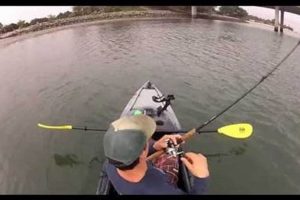
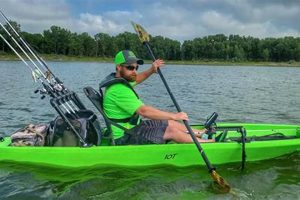
This pursuit involves anglers using specialized kayaks to target a prized game fish known for its speed, power, and acrobatic leaps. It combines the thrill of angling with the challenge and tranquility of navigating coastal waters in a small, self-propelled vessel. This method often involves trolling or drifting live bait or lures in areas where these fish are known to congregate.
The popularity of this specialized fishing method stems from the unique challenges and rewards it offers. The angler experiences a closer connection with the marine environment and a more intimate battle with the fish. Successfully landing a large, powerful fish from a small craft provides a sense of accomplishment rarely matched in other forms of angling. Furthermore, this method allows access to shallower waters and areas often inaccessible to larger boats, potentially leading to greater fishing success. While historically, anglers relied on larger vessels, the advancements in kayak design and fishing technology have made this specialized approach increasingly viable and popular.
The subsequent sections will delve into specific techniques, equipment considerations, safety precautions, and ethical practices crucial for successful and responsible angling experiences.
Tips for Successful King Mackerel Fishing from a Kayak
Preparation and strategic planning are essential for a productive and safe experience when targeting king mackerel from a kayak. The following tips offer valuable insights to enhance angling success.
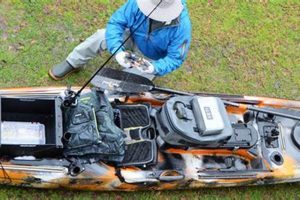
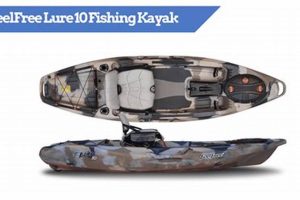
Tip 1: Choose the Right Kayak: A stable and seaworthy kayak, ideally designed for fishing, is paramount. Sit-on-top kayaks are generally preferred for their stability and self-bailing capabilities. Consider models with ample storage for gear and accessories.
Tip 2: Utilize Appropriate Tackle: Medium-heavy to heavy tackle is recommended for king mackerel due to their size and strength. Rods should have sufficient backbone to handle the fight, and reels should be spooled with strong, braided line.
Tip 3: Employ Effective Rigging: Wire leaders are essential to prevent bite-offs from sharp teeth. Using a stinger rig or a single hook rig with a wire leader increases hookup ratios.
Tip 4: Target Prime Locations: Focus efforts near reefs, wrecks, and other structures where king mackerel are known to congregate. Pay attention to bird activity and baitfish schools, which often indicate the presence of predators.
Tip 5: Master Trolling Techniques: Trolling live bait or artificial lures at varying speeds can be highly effective. Maintain a consistent speed and monitor the lines for strikes.
Tip 6: Prioritize Safety: Always wear a personal flotation device (PFD) and carry essential safety equipment, including a VHF radio, signaling devices, and a first-aid kit. Check weather conditions before embarking and inform someone of your fishing plans.
Tip 7: Practice Proper Fish Handling: Use appropriate tools to minimize stress on the fish during handling and release. Revive exhausted fish before releasing them back into the water.
By adhering to these guidelines, anglers can significantly improve their chances of a successful and rewarding king mackerel fishing experience while prioritizing safety and responsible angling practices. These preparations contribute significantly to an enjoyable and ethical experience on the water.
The information presented here provides a solid foundation for those venturing into this exciting angling pursuit. Further research and experience will contribute to continued growth and success.
1. Stable Kayak Selection

Stable kayak selection is paramount for successful and safe king mackerel fishing. These powerful fish demand robust tackle and assertive hooksets, actions that can easily destabilize a less stable craft. A stable platform allows anglers to focus on fighting the fish rather than maintaining balance, significantly increasing the chance of a successful landing. Furthermore, the unpredictable movements of a hooked king mackerel, coupled with the potential for challenging sea conditions, necessitate a kayak capable of handling abrupt shifts in weight and momentum. For example, a sudden change in the fish’s direction can create a significant destabilizing force; a stable kayak minimizes the risk of capsizing in such situations. Choosing a kayak designed for stability, such as a wider sit-on-top model, provides a secure and reliable fishing platform.
Beyond the fight itself, a stable kayak contributes significantly to overall safety and comfort throughout the fishing trip. Navigating through chop or swell, especially while simultaneously managing lines and equipment, requires a stable and predictable hull design. Anglers often need to stand briefly to cast, gain a better vantage point, or handle the fish; stability is crucial for these maneuvers. Moreover, a stable kayak inspires confidence, allowing the angler to concentrate on the fishing experience rather than worrying about balance, ultimately contributing to a more enjoyable and productive outing. Consider, for instance, an angler attempting to land a king mackerel in moderate sea conditions; a stable kayak allows them to focus on the task at hand without the added stress of maintaining balance.
In conclusion, stable kayak selection directly impacts both safety and success in king mackerel fishing. The inherent challenges posed by this powerful game fish and the dynamic marine environment necessitate a stable platform for effective angling and safe navigation. Choosing a kayak optimized for stability, coupled with proper paddling and fishing techniques, significantly enhances the overall fishing experience and contributes to a positive and safe outcome. This foundational element is crucial for those seeking to pursue these prized fish from a kayak.
2. Robust Tackle and Rigging
The dynamic nature of kayak fishing for king mackerel necessitates robust tackle and rigging. These powerful fish are known for their aggressive strikes and strong runs, placing substantial demands on fishing equipment. A heavy-duty rod with ample backbone provides the necessary leverage and lifting power to control the fish during the fight. High-capacity reels spooled with strong braided line offer the necessary line strength and retrieval speed to handle sudden surges and powerful runs. For example, when a hooked king mackerel makes a rapid dash towards a reef or structure, strong tackle prevents line breakage and loss of the fish. The choice of robust tackle directly influences the angler’s ability to successfully land these prized game fish.
Beyond rod and reel selection, proper rigging is equally crucial. King mackerel possess sharp teeth capable of severing standard fishing line. Therefore, incorporating a wire leader between the main line and the hook is essential. This leader provides abrasion resistance and prevents bite-offs, ensuring the fish remains connected throughout the fight. Furthermore, the type of hook and rigging setup can significantly impact hookup ratios. Using appropriately sized and strong hooks, coupled with effective rigging techniques such as stinger rigs, increases the likelihood of a solid hookset. Consider a scenario where an angler uses a light wire leader; the king mackerel’s teeth could easily sever the line, resulting in a lost fish and wasted effort. Robust rigging ensures the angler is adequately equipped to handle the challenges posed by these formidable predators.
In summary, robust tackle and rigging are integral components of successful kayak fishing for king mackerel. The combination of a strong rod, high-capacity reel, braided line, and a properly constructed wire leader provides the necessary strength and durability to withstand the rigors of battling these powerful fish. Appropriate hook selection and effective rigging techniques further enhance hookup ratios, increasing the likelihood of a successful landing. This understanding translates directly to increased angling success and a more enjoyable experience on the water.
3. Effective Trolling Techniques

Effective trolling techniques are fundamental to successful kayak fishing for king mackerel. These pelagic predators are often found patrolling open water or structure, requiring anglers to cover water efficiently to locate and entice them. Trolling from a kayak presents unique opportunities and challenges, demanding specialized approaches distinct from those employed on larger vessels. The following facets highlight the key components of effective trolling techniques specifically tailored for kayak anglers targeting king mackerel.
- Speed and Depth Control
Maintaining appropriate trolling speed and lure depth is crucial for attracting king mackerel. These fish often prefer specific speed ranges and depths, depending on factors such as water temperature, current, and prey availability. Kayak anglers can control trolling speed through paddle strokes or pedal drives, allowing for precise adjustments. Downriggers or planer boards can be employed to achieve desired lure depths, presenting offerings within the king mackerel’s strike zone. For instance, trolling too quickly can cause lures to skip across the surface, while trolling too slowly might not impart sufficient action. Precise speed and depth control maximize the chances of enticing a strike.
- Lure Selection and Presentation
Choosing the right lures and presenting them effectively is paramount. King mackerel are attracted to lures that mimic their natural prey, such as baitfish or squid. Popular choices include spoons, plugs, and rigged baits. The size, color, and action of the lure should be tailored to the prevailing conditions and target species. Varying retrieval speeds and incorporating occasional pauses or twitches can further enhance lure appeal, triggering strikes from otherwise disinterested fish. For example, using a brightly colored lure on a sunny day might prove more effective than a darker lure, while a more subdued color might be preferable on overcast days.
- Navigational Strategies
Effective navigation plays a vital role in successful trolling. Understanding king mackerel habitat and behavior is essential for targeting productive areas. These fish are often found near reefs, wrecks, drop-offs, and other structures where baitfish congregate. Utilizing a fish finder or GPS can help anglers locate these areas and maintain a consistent trolling path. Furthermore, paying attention to environmental cues, such as bird activity or baitfish schools, can provide valuable insights into king mackerel location. For instance, trolling along the edges of a reef or near a temperature break can significantly increase the likelihood of encountering king mackerel.
- Tackle and Equipment Considerations
Specialized tackle and equipment further enhance trolling effectiveness from a kayak. Rod holders allow anglers to manage multiple lines simultaneously, increasing coverage and the chance of a strike. A sturdy rod with a sensitive tip helps detect subtle bites, while a reliable reel with a smooth drag system ensures a controlled fight. Using a line counter can assist in determining lure depth and maintaining consistent presentations. Moreover, employing a drift chute can slow trolling speed and enhance lure action in windy conditions. These specialized tools and techniques optimize trolling effectiveness from a kayak platform.
By mastering these interconnected facets of trolling technique, kayak anglers can significantly improve their success when targeting king mackerel. These specialized approaches, tailored to the unique challenges and opportunities presented by kayak fishing, empower anglers to effectively locate, entice, and land these prized game fish. Combining appropriate speed and depth control, strategic lure selection and presentation, effective navigational strategies, and specialized equipment optimizes the chances of a successful and rewarding fishing experience.
4. Strategic Location Targeting

Strategic location targeting plays a crucial role in successful kayak fishing for king mackerel. These pelagic predators exhibit specific habitat preferences and behavioral patterns, making targeted location selection essential for maximizing angling success. Understanding these patterns and focusing efforts on areas where king mackerel are most likely to congregate significantly increases the probability of encounters. Factors such as water temperature, current, baitfish presence, and bottom structure influence king mackerel distribution. For example, during warmer months, king mackerel often frequent nearshore reefs, wrecks, and ledges where baitfish concentrate. Conversely, during cooler periods, they may move to deeper offshore waters. Targeting these specific locations based on seasonal patterns and environmental cues optimizes fishing efficiency.
Effective location targeting in kayak fishing for king mackerel necessitates a multi-faceted approach. Utilizing electronic tools such as fish finders and GPS units can aid in identifying promising areas. Fish finders help locate baitfish schools and bottom structure, while GPS units allow anglers to mark productive spots and navigate precisely to target areas. Furthermore, observing natural indicators such as bird activity, surface disturbances, and changes in water color can provide valuable clues regarding king mackerel presence. For instance, diving birds often signal the presence of feeding king mackerel below. Integrating electronic data with observational cues allows for a comprehensive and informed approach to location selection, increasing the likelihood of successful intercepts. Consider an angler who identifies a reef structure using a fish finder, then observes diving birds in the vicinity; this convergence of information pinpoints a high-probability area for encountering king mackerel.
In summary, strategic location targeting is an indispensable component of successful kayak fishing for king mackerel. Understanding king mackerel habitat preferences, utilizing electronic tools, and interpreting environmental cues are essential for maximizing encounter rates. By focusing efforts on high-probability areas, kayak anglers can significantly increase their chances of hooking these prized game fish. This targeted approach optimizes fishing time and enhances overall angling success, contributing to a more rewarding experience on the water. Strategic location targeting, therefore, becomes a cornerstone of effective kayak fishing for king mackerel, separating successful outings from less productive ones.
5. Essential Safety Precautions

Essential safety precautions are paramount in kayak fishing for king mackerel. The marine environment presents inherent risks, amplified by the dynamic nature of pursuing large, powerful fish from a small vessel. Neglecting safety protocols can lead to serious consequences, ranging from equipment damage and minor injuries to life-threatening situations. The physical exertion involved in battling a king mackerel, combined with the potential for unpredictable weather changes and encounters with other vessels, necessitates meticulous attention to safety measures. For example, an angler fighting a large king mackerel might become focused on the struggle and inadvertently drift into a shipping channel, placing themselves at risk of collision. Prioritizing safety is not merely a recommendation; it is a fundamental requirement for responsible and successful kayak fishing.
Several key safety precautions warrant specific consideration. Wearing a personal flotation device (PFD) is non-negotiable. A PFD provides essential buoyancy in the event of a capsize or accidental overboard entry, significantly increasing the chances of survival. Carrying a VHF radio enables communication with other vessels and shore-based resources in emergencies. A waterproof first-aid kit allows for immediate treatment of minor injuries, while a signaling device, such as a flare or whistle, can attract attention if assistance is required. Checking weather forecasts before embarking and informing someone of fishing plans provides an additional layer of security. Consider a scenario where an angler experiences equipment failure far from shore; a VHF radio becomes a critical lifeline for summoning assistance. These precautions are not mere formalities; they are essential components of responsible angling practices.
In conclusion, essential safety precautions are inextricably linked to successful and responsible kayak fishing for king mackerel. The inherent risks of the marine environment, coupled with the physical demands of this angling pursuit, necessitate meticulous attention to safety protocols. Implementing these precautions minimizes risks, ensures angler well-being, and fosters a positive and enjoyable fishing experience. Ignoring these fundamental safety considerations can have severe consequences, potentially jeopardizing angler safety and undermining the overall angling experience. Prioritizing safety is not an option; it is an obligation for every responsible kayak angler.
6. Proper Fish Handling Practices
Proper fish handling practices are integral to responsible kayak fishing for king mackerel. These techniques minimize stress and injury to the fish, promoting healthy fish populations and ensuring the sustainability of the fishery. King mackerel, as a prized game fish, deserve respectful treatment throughout the capture and release process. Implementing proper handling techniques contributes significantly to their well-being and long-term survival. This consideration is crucial for maintaining healthy ecosystems and preserving the sport for future generations.
- Minimizing Air Exposure
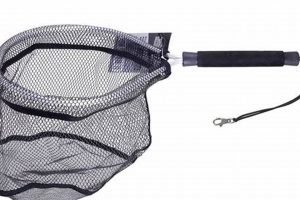
Minimizing air exposure is critical for king mackerel, as prolonged exposure can damage sensitive gill tissues and disrupt their respiratory function. When landing a king mackerel, anglers should keep the fish in the water as much as possible, supporting its weight while removing the hook. A landing net designed for larger fish can facilitate this process, allowing for quick and efficient hook removal while minimizing stress. For example, an angler quickly removing a hook while the fish remains submerged significantly reduces physiological stress compared to holding the fish out of the water for an extended period. This practice promotes rapid recovery and minimizes the risk of long-term health complications.
- Supporting the Fish
Supporting the fish properly during handling is essential for preventing injury. King mackerel have relatively delicate internal organs susceptible to damage if the fish is mishandled. Avoid squeezing or putting pressure on the fish’s abdomen. When lifting a king mackerel, support its weight evenly, ideally using both hands. For example, cradling the fish horizontally while supporting its belly minimizes stress on internal organs. This technique prevents internal injuries and promotes a quicker recovery, increasing the likelihood of survival after release.
- Using Appropriate Tools
Using appropriate tools facilitates efficient and safe hook removal. Needle-nose pliers or specialized hook-removal tools allow for quick and precise hook extraction, minimizing the time the fish is out of the water. Cutting the leader close to the hook is often the best approach if the hook is deeply embedded. For example, using pliers to carefully back out a hook causes less trauma than attempting to remove it forcefully by hand. This reduces the risk of injury to the fish and facilitates a faster return to the water.
- Reviving Exhausted Fish
Reviving exhausted fish before release is crucial for ensuring their survival. After a prolonged fight, a king mackerel may be fatigued and require assistance to regain its equilibrium. Gently moving the fish back and forth in the water, allowing water to flow over its gills, helps revive it. This process should continue until the fish exhibits signs of recovery and swims away strongly on its own. For example, holding a tired king mackerel upright in the water, facing into the current, allows oxygenated water to flow over its gills, aiding in its recovery. This practice increases the likelihood of the fish surviving after release, contributing to the health and sustainability of the king mackerel population.
These proper fish handling practices, implemented within the specific context of kayak fishing for king mackerel, contribute significantly to the conservation of this valuable species. By minimizing stress and injury to the fish, anglers play a vital role in ensuring healthy king mackerel populations and the long-term sustainability of the fishery. Respectful handling practices, combined with ethical angling principles, exemplify responsible stewardship of marine resources and contribute to the preservation of this exciting sport for future generations. Therefore, proper fish handling transcends mere technique; it represents a commitment to conservation and the ethical pursuit of king mackerel from a kayak.
7. Respectful Resource Management
Respectful resource management is intrinsically linked to the sustainability of kayak fishing for king mackerel. This species, like all marine life, relies on a healthy and balanced ecosystem. Resource management practices directly impact the long-term viability of king mackerel populations and the overall health of the marine environment. Overfishing, habitat destruction, and pollution pose significant threats to these valuable resources. Consider the impact of unsustainable fishing practices, which can deplete king mackerel stocks, disrupting the natural balance of the ecosystem and potentially leading to population collapse. Respectful resource management serves as a countermeasure to these threats, ensuring the longevity of the fishery and the health of the marine environment.
The practical application of respectful resource management in kayak fishing for king mackerel involves several key actions. Adhering to size and catch limits, established by fisheries management agencies, prevents overfishing and protects breeding populations. Practicing catch and release, particularly for larger, breeding-sized fish, further contributes to population stability. Minimizing bycatch, the unintentional capture of non-target species, reduces unintended impacts on other marine life. Proper disposal of fishing line and other debris prevents entanglement and habitat degradation. For example, releasing a large, breeding-age king mackerel allows it to contribute to future generations, ensuring the long-term viability of the population. These actions, taken collectively, demonstrate a commitment to responsible angling practices and contribute to the overall health and sustainability of the marine environment.
In conclusion, respectful resource management is not merely an abstract concept but a critical component of ethical and sustainable kayak fishing for king mackerel. It represents a recognition of the interconnectedness of marine ecosystems and the angler’s role in preserving these valuable resources. By embracing responsible fishing practices, kayak anglers contribute directly to the long-term health of king mackerel populations and the overall well-being of the marine environment. The practical application of these principles ensures the continued enjoyment of this exciting sport for future generations. The challenge lies in fostering a widespread understanding of these principles and encouraging their adoption by all who engage in kayak fishing for king mackerel. This understanding and commitment are essential for ensuring the future of this valued fishery.
Frequently Asked Questions
This section addresses common inquiries regarding kayak fishing for king mackerel, providing concise and informative responses.
Question 1: What type of kayak is best suited for targeting king mackerel?
A stable and seaworthy kayak, ideally a sit-on-top model designed for fishing, is recommended. Sufficient storage for gear and accessories is also important.
Question 2: What tackle is recommended for king mackerel fishing from a kayak?
Medium-heavy to heavy tackle is generally preferred. Rods should have sufficient backbone to handle the fight, and reels should be spooled with strong braided line. A wire leader is essential.
Question 3: Where are king mackerel typically found?
King mackerel often congregate near reefs, wrecks, ledges, and other structures. They are also found patrolling open water, following baitfish schools.
Question 4: What are effective trolling techniques for king mackerel from a kayak?
Varying trolling speeds and using live bait or artificial lures that mimic their natural prey can be effective. Downriggers or planer boards can help achieve desired lure depths.
Question 5: What safety precautions should be taken when kayak fishing for king mackerel?
Always wear a personal flotation device (PFD). Carry essential safety equipment, including a VHF radio, signaling devices, and a first-aid kit. Check weather conditions before embarking.
Question 6: What is the importance of proper fish handling?
Proper fish handling minimizes stress and injury to the fish, promoting healthy fish populations and the sustainability of the fishery. Revive exhausted fish before releasing them.
Careful consideration of these frequently asked questions contributes significantly to angler preparedness and promotes responsible fishing practices. Understanding these aspects enhances safety and contributes to a positive angling experience.
The next section delves into advanced techniques for locating and targeting king mackerel from a kayak.
Kayak Fishing for King Mackerel
This exploration of kayak fishing for king mackerel has highlighted key aspects of this demanding yet rewarding pursuit. From equipment selection and rigging to trolling techniques and location targeting, each element contributes significantly to successful outcomes. Emphasis on safety precautions and proper fish handling underscores the importance of responsible angling practices. The dynamic interplay of these factors determines not only angling success but also the long-term sustainability of the fishery.
The future of kayak fishing for king mackerel rests on the continued adoption of ethical angling practices and informed resource management. Anglers bear a responsibility to minimize environmental impact and preserve this exciting sport for future generations. The pursuit of these powerful fish from a kayak offers a unique connection with the marine environment, a connection best preserved through responsible stewardship and a commitment to sustainable practices. This commitment ensures the continued thrill of the chase and the enduring legacy of this challenging and rewarding pursuit.