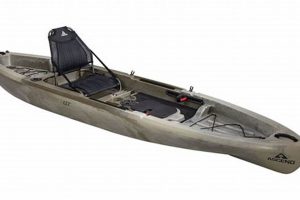
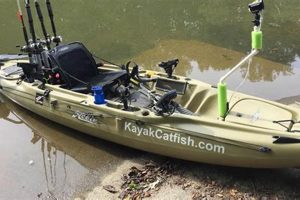
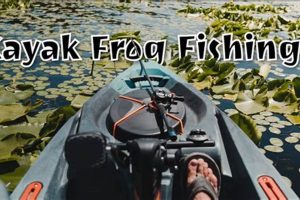
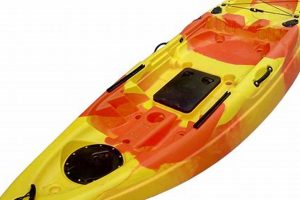
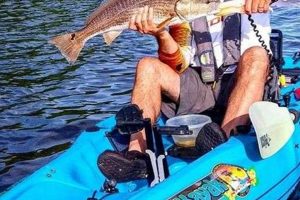
A top-performing vessel designed for angling offers stability, comfort, and features tailored to enhance the fishing experience. For example, a well-designed hull provides a stable platform for casting and reeling, while integrated rod holders and storage compartments keep equipment organized and accessible.
Selecting the right watercraft is crucial for a successful and enjoyable fishing trip. A suitable vessel improves angler efficiency and comfort, allowing for longer outings and access to prime fishing locations. Historically, fishing from watercraft has been essential for sustenance and livelihood, evolving from simple rafts and canoes to the specialized kayaks available today. Modern designs incorporate advancements in materials and technology, resulting in lighter, more durable, and feature-rich options for anglers of all skill levels.
The following sections delve into specific aspects of choosing and using a fishing kayak, covering topics such as hull design, essential features, and popular models.
Tips for Selecting a Top-Performing Fishing Kayak
Choosing the right fishing kayak involves careful consideration of several factors. These tips offer guidance for selecting a vessel suited to individual needs and preferences.
Tip 1: Consider Hull Design: Different hull designs offer varying degrees of stability and maneuverability. A wider, flatter hull provides greater stability, ideal for calm waters and stand-up fishing. A longer, narrower hull offers better tracking and speed, suited for covering larger distances or paddling in currents.
Tip 2: Evaluate Storage Capacity: Ample storage is essential for carrying fishing gear, safety equipment, and personal belongings. Consider the size and type of storage compartments, including hatches, tank wells, and bungee systems.
Tip 3: Prioritize Comfort and Ergonomics: A comfortable seat and adjustable footrests are crucial for long hours on the water. Look for features like adjustable backrests, padded seating, and ample legroom.
Tip 4: Assess Propulsion Options: Kayaks can be propelled by paddles, pedals, or motors. Paddle kayaks offer simplicity and affordability, while pedal kayaks provide hands-free fishing. Motorized kayaks offer speed and range but may require additional licensing and maintenance.
Tip 5: Check Weight Capacity: Ensure the kayak’s weight capacity accommodates the angler’s weight, plus the weight of all gear and equipment.
Tip 6: Research Material and Durability: Kayaks are typically made from polyethylene, fiberglass, or composites. Polyethylene is durable and affordable, while fiberglass and composites offer lighter weight and improved performance.
Tip 7: Consider Additional Features: Features like rod holders, fish finders, and anchor trolleys can enhance the fishing experience. Evaluate which features are essential based on individual fishing styles and preferences.
By considering these tips, anglers can select a kayak that optimizes performance, comfort, and fishing success.
The following section concludes with a summary of key takeaways and recommendations for further research.
1. Stability

Stability is a paramount attribute of a successful fishing kayak, directly influencing angler safety, comfort, and fishing effectiveness. A stable platform provides confidence and control, crucial for casting, reeling, and landing fish, especially in challenging conditions. This section explores key facets of stability relevant to selecting a top-performing fishing kayak.
- Hull Design and Stability
Hull design plays a pivotal role in kayak stability. Wider hulls with flatter bottoms generally offer greater initial stability, resisting tipping and providing a secure feeling for anglers. This is particularly beneficial for beginners or those fishing in calm waters. Conversely, narrower hulls, while faster and more maneuverable, sacrifice some initial stability. A “V” shaped hull, while efficient for cutting through water, may feel less stable initially but can offer secondary stability when leaned. Understanding the relationship between hull design and stability is fundamental to choosing the right kayak.
- Center of Gravity and Balance
The center of gravity significantly impacts stability. A lower center of gravity enhances stability, while a higher center of gravity increases the risk of tipping. Angler weight, gear placement, and seating position all influence the center of gravity. Distributing weight evenly and keeping heavy items low in the kayak improves overall balance and stability. Standing up in a kayak raises the center of gravity, making stability even more critical. Kayaks designed for stand-up fishing often feature wider hulls and specialized design features to accommodate this.
- Water Conditions and Stability
Water conditions significantly influence kayak stability. Calm lakes and ponds present fewer stability challenges compared to moving water or choppy conditions. Wind, currents, and waves can destabilize a kayak, requiring a vessel with greater inherent stability. Understanding the intended fishing environment is crucial for choosing a kayak with adequate stability for the anticipated conditions.
- Stability and Angling Performance
Stability directly impacts angling performance. A stable platform allows anglers to focus on fishing rather than maintaining balance. This is especially important for techniques like fly fishing or casting in windy conditions. Increased stability enables anglers to confidently fight and land fish, reducing the risk of capsizing or losing gear.
By carefully considering these facets of stability, anglers can select a kayak that provides the necessary platform for a safe, comfortable, and successful fishing experience. Prioritizing stability ensures confidence on the water and allows anglers to focus on what matters most: enjoying the sport of fishing.
2. Maneuverability

Maneuverability represents a critical performance characteristic, directly influencing an angler’s ability to navigate waterways effectively and position the vessel optimally for fishing success. A highly maneuverable kayak allows for precise adjustments in position, critical for accessing tight spots, navigating complex currents, and following fish. This section explores key facets of maneuverability relevant to a superior fishing kayak.
- Hull Design and Turning Radius
Hull design significantly impacts turning radius and overall maneuverability. Shorter kayaks generally turn more quickly than longer kayaks, offering an advantage in tight quarters or when navigating around obstacles. Conversely, longer kayaks typically track straighter, offering better speed and efficiency in open water. The shape of the hull also plays a role; a kayak with a pronounced keel will track straighter, while a flatter-bottomed hull will turn more easily. Selecting the appropriate hull design depends on the intended fishing environment.
- Water Conditions and Maneuvering
Water conditions play a significant role in maneuverability. Currents, wind, and waves can all impact a kayak’s ability to hold its course and turn effectively. Kayaks designed for river fishing often prioritize maneuverability to handle changing currents and obstacles. In contrast, kayaks designed for open water may prioritize tracking and speed over tight turning. Matching the kayak’s maneuverability to the anticipated water conditions is essential for optimal performance.
- Propulsion System and Control
The kayak’s propulsion system influences maneuverability. Paddle kayaks offer direct control and allow for quick turns, but require constant paddling. Pedal-powered kayaks offer hands-free fishing and excellent maneuverability, especially in shallow water. Motorized kayaks provide the greatest speed and range but may be less maneuverable in tight spaces. The choice of propulsion system depends on individual preferences and fishing styles.
- Maneuverability and Fishing Success
Maneuverability is often directly linked to fishing success. The ability to precisely position the kayak allows anglers to target specific areas, follow fish movements, and present lures effectively. In tight quarters, such as along shorelines or in dense vegetation, maneuverability becomes paramount. A highly maneuverable kayak allows anglers to explore diverse fishing locations and adapt to changing conditions, ultimately increasing their chances of success.
A highly maneuverable fishing kayak enhances an anglers control and efficiency on the water, enabling access to prime fishing locations and improving the overall fishing experience. Careful consideration of hull design, intended water conditions, and propulsion system ensures the selection of a kayak optimized for maneuverability and fishing success.
3. Storage Capacity

Ample storage capacity is integral to a truly effective fishing kayak. A successful fishing trip requires a variety of gear, including rods, reels, tackle boxes, safety equipment, and personal items. Insufficient storage can lead to a cluttered deck, hindering movement and potentially compromising safety. Adequate storage, conversely, allows for organized gear placement, maximizing fishing efficiency and enjoyment. For example, dedicated rod holders secure rods while paddling or fighting fish, preventing damage or loss. Dry storage compartments protect sensitive electronics and personal items from water damage, crucial for longer trips or unexpected weather changes. A well-organized kayak improves focus and reduces stress, contributing significantly to a positive angling experience.
Several factors influence storage needs. Longer expeditions require greater capacity for food, water, and camping gear. Specific fishing techniques necessitate specialized equipment, impacting storage requirements. Fly fishermen, for example, may need space for fly boxes and waders, while anglers targeting larger species require heavier tackle and correspondingly robust storage solutions. The kayak’s size and weight capacity also influence storage design and volume. Larger kayaks offer more storage options but may sacrifice maneuverability. Smaller, lighter kayaks offer less storage but enhance portability and agility. A balanced approach considers individual fishing style, target species, and typical trip duration to determine the optimal storage capacity.
Prioritizing storage capacity ensures a well-organized and efficient fishing platform. Analyzing storage needs based on fishing style and typical trip duration is crucial. Evaluating available storage options, including hatches, tank wells, and bungee systems, ensures appropriate gear organization and accessibility. Ultimately, optimizing storage contributes to a safer, more enjoyable, and successful fishing experience, making it a key component of a high-performing fishing kayak.
4. Comfort Features
Comfort features directly influence angler endurance and focus, critical factors for a successful and enjoyable fishing experience, especially during long hours on the water. A comfortable kayak allows anglers to concentrate on fishing, rather than physical discomfort, maximizing their chances of success. This section explores key comfort features that contribute to a superior fishing kayak.
- Seating System
The seating system plays a pivotal role in overall comfort. A well-designed seat provides adequate support and cushioning, reducing fatigue and back strain. Adjustable backrests allow anglers to customize their seating position, accommodating individual preferences and physical needs. High-quality materials, such as breathable mesh or padded cushions, enhance comfort and durability, especially in warm or humid conditions. Examples include adjustable high-low seating systems, which allow for switching between paddling and fishing positions, and ergonomic designs that conform to the body’s contours. A comfortable seating system is essential for maintaining focus and energy throughout the fishing trip.
- Footrests and Leg Support
Proper leg support contributes significantly to comfort and stability. Adjustable footrests allow anglers to maintain a balanced and comfortable paddling position, reducing leg fatigue and improving overall control. Properly positioned footrests also enhance leverage when paddling and fighting fish, increasing efficiency and reducing strain. Examples include sliding foot braces and adjustable pedal systems, offering customizable positioning for optimal comfort and performance. Secure and adjustable footrests are essential for maintaining a comfortable and stable position throughout the day.
- Deck Space and Layout
A well-designed deck layout maximizes comfort and efficiency. Ample deck space allows for comfortable movement and easy access to gear. A clutter-free deck reduces the risk of tripping or tangling lines, enhancing safety and focus. Features like recessed rod holders and strategically placed storage compartments keep gear organized and within easy reach, minimizing unnecessary movement and maximizing fishing time. A well-planned deck layout improves angler comfort and contributes to a more organized and efficient fishing experience.
- Standing Platform (if applicable)
For kayaks designed for stand-up fishing, a stable and comfortable standing platform is essential. A wide, flat platform with a non-slip surface provides a secure and comfortable base for casting and sight fishing. Features like elevated seating positions and strategically placed grab handles further enhance stability and control while standing. A well-designed standing platform maximizes comfort and stability, allowing anglers to sight fish and cast with greater precision and control.
Prioritizing comfort features contributes significantly to angler endurance and focus, essential elements of a successful and enjoyable fishing experience. Investing in a kayak with comfortable seating, adjustable footrests, and a well-designed deck layout enhances overall performance and maximizes time on the water. These features, combined with other essential elements, contribute to a superior fishing kayak, optimizing both comfort and fishing success.
5. Specialized Accessories

Specialized accessories differentiate a standard kayak from a high-performance fishing platform, significantly enhancing angling effectiveness and overall experience. These accessories integrate seamlessly with the kayak, providing essential functionalities tailored to the demands of fishing. Understanding the role and benefits of these specialized accessories is crucial for selecting a winning fishing kayak.
- Rod Holders
Rod holders secure fishing rods while paddling, trolling, or fighting fish, freeing hands for other tasks and preventing rod loss or damage. Flush-mounted rod holders offer a streamlined profile, minimizing interference with paddling, while adjustable rod holders allow for customized positioning based on fishing techniques and preferences. Examples include rotating rod holders for trolling and adjustable angled rod holders for casting. Securely held rods contribute to a safer and more organized fishing experience, maximizing fishing time and minimizing distractions.
- Fish Finders and Electronics Mounts
Fish finders and GPS units provide crucial information about water depth, fish location, and navigation, significantly improving fishing success. Integrated mounting systems securely hold these electronics, ensuring clear visibility and convenient access. Examples include transducer mounts for depth finders and adjustable arms for GPS units. Accessing real-time underwater data enhances angling strategy and efficiency, contributing to a more informed and successful fishing experience.
- Anchor Trolleys and Systems
Anchor trolleys allow anglers to control kayak position in current or wind, maintaining a desired fishing location without constantly adjusting the anchor. This system provides hands-free positioning, maximizing fishing time and efficiency. Examples include side-mounted trolley systems and retractable anchor lines. Precise anchor control optimizes fishing presentation and allows anglers to focus on fishing, enhancing their overall success.
- Storage and Organization Solutions
Specialized storage solutions, such as tackle boxes, dry bags, and gear tracks, maximize organization and accessibility. These accessories keep essential gear readily available, minimizing clutter and maximizing efficiency. Examples include waterproof tackle boxes for lures and flies, and deck-mounted gear tracks for attaching tools and accessories. Efficient storage solutions contribute to a clutter-free and organized fishing platform, enhancing safety and maximizing fishing focus.
The strategic integration of specialized accessories elevates a fishing kayak from basic transportation to a high-performance fishing platform. By carefully selecting and utilizing these accessories, anglers enhance their efficiency, comfort, and overall fishing success. A well-equipped kayak contributes significantly to a more enjoyable and productive angling experience, distinguishing a winning fishing kayak from a standard recreational vessel. The thoughtful selection of specialized accessories reflects an angler’s commitment to maximizing their time and success on the water.
Frequently Asked Questions
This section addresses common inquiries regarding the selection and use of high-performance fishing kayaks.
Question 1: How does hull design impact stability and maneuverability?
Wider, flatter hulls generally provide greater stability, while longer, narrower hulls offer improved tracking and speed. The specific hull design influences the kayak’s performance in various water conditions and fishing styles.
Question 2: What are the key considerations for choosing a propulsion system?
Paddle propulsion offers simplicity and affordability, pedal drives provide hands-free fishing, and motorized kayaks offer increased speed and range. Propulsion choice depends on individual preferences, fishing style, and target fishing environment.
Question 3: How important is storage capacity in a fishing kayak?
Ample storage is crucial for carrying fishing gear, safety equipment, and personal belongings. Storage needs depend on trip duration, fishing style, and target species. Adequate storage contributes to an organized and efficient fishing experience.
Question 4: What comfort features should one consider for long fishing trips?
A comfortable seat, adjustable footrests, and ample deck space contribute significantly to angler comfort during extended outings. Ergonomic design features, such as adjustable backrests and padded seating, can reduce fatigue and enhance overall enjoyment.
Question 5: Which specialized accessories enhance fishing performance?
Rod holders, fish finders, anchor trolleys, and specialized storage solutions enhance fishing efficiency and effectiveness. The choice of accessories depends on individual fishing techniques and preferences.
Question 6: How does one determine the appropriate kayak weight capacity?
Kayak weight capacity must accommodate the combined weight of the angler, gear, and any additional equipment. Exceeding the weight capacity can compromise stability and safety. Manufacturers provide weight capacity specifications for each kayak model.
Careful consideration of these frequently asked questions assists in selecting and utilizing a fishing kayak effectively. Understanding these key elements contributes significantly to enhanced fishing performance and overall enjoyment on the water.
The subsequent section explores specific kayak models and their respective features.
Conclusion
Optimal kayak selection hinges on a comprehensive understanding of individual needs and priorities. Careful consideration of hull design, stability, maneuverability, storage capacity, comfort features, and specialized accessories ensures a vessel tailored to specific fishing styles and environments. A balanced approach, prioritizing both performance and comfort, contributes significantly to enhanced fishing success and overall enjoyment on the water. Investing time in research and evaluation empowers anglers to make informed decisions, selecting a kayak optimized for their individual requirements.
The pursuit of a truly exceptional fishing experience necessitates continuous learning and adaptation. Staying informed about advancements in kayak design, technology, and fishing techniques empowers anglers to refine their approach and maximize their potential. Ultimately, the journey toward finding the ideal fishing kayak is an ongoing process of discovery and refinement, driven by the pursuit of enhanced performance, comfort, and a deeper connection with the sport of fishing. This pursuit yields not only a superior vessel but also a more enriching and rewarding experience on the water.