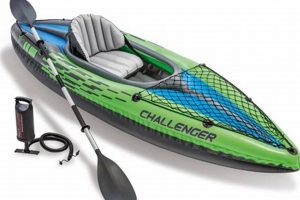
This angling method involves using a kayak as a platform to target bass and other species with artificial lures designed to mimic frogs. A slow, deliberate retrieve across the water’s surface attracts predatory fish by imitating a frog’s natural movements and sounds.
Stealth and maneuverability offer significant advantages in accessing shallow, weedy areas often inaccessible by larger boats, increasing the angler’s likelihood of encountering fish in their natural habitat. This approach minimizes disturbance, leading to potentially higher catch rates. Furthermore, the compact nature of a kayak allows for efficient exploration of diverse environments, from small ponds and backwaters to larger lakes and rivers.
The following sections will explore specific techniques, recommended equipment, and ideal locations for this specialized fishing approach. Further discussion will cover safety considerations and responsible angling practices.
Tips for Effective Topwater Kayak Angling
Maximizing success requires attention to specific techniques and strategies. The following tips offer guidance for a productive and enjoyable experience.
Tip 1: Target Shallow Cover: Focus efforts near lily pads, reeds, and other vegetation where bass often ambush prey. These areas provide both cover and a readily available food source.
Tip 2: Employ a Varied Retrieve: Experiment with different retrieval speeds and rhythms. A slow, steady retrieve can be effective, but occasional pauses and twitches can trigger aggressive strikes.
Tip 3: Utilize Heavy Line and Strong Tackle: The dense cover typically fished necessitates robust equipment capable of handling powerful fish and preventing break-offs.
Tip 4: Choose the Right Frog Lure: Select lures based on water clarity and vegetation density. Hollow-bodied frogs are ideal for heavy cover, while weedless options minimize snags.
Tip 5: Consider Kayak Stability: Opt for a stable kayak platform, especially when fishing in challenging conditions or when fighting larger fish. This ensures safety and control during critical moments.
Tip 6: Practice Accurate Casting: Develop precise casting skills to place lures accurately within tight pockets and openings in the vegetation.
Tip 7: Be Patient and Persistent: Topwater fishing can require patience. Persistence and consistent effort are key to triggering strikes.
By following these guidelines, anglers can enhance their chances of success while enjoying the unique experience this style of fishing provides.
These tips provide a foundation for successful outings. The subsequent section will offer concluding remarks and additional resources.
1. Stealthy Approach

A stealthy approach is paramount in kayak frog fishing, directly influencing success rates. Minimizing disturbances in the fishing environment allows anglers to approach target species undetected, increasing the likelihood of eliciting strikes.
- Reduced Noise:
Kayaks offer a quieter mode of transport compared to motorized boats. Paddling generates minimal noise, reducing the chances of spooking fish, particularly in shallow waters. Electric motors, while convenient, can still produce detectable sounds. Careful paddle strokes and minimizing gear clatter contribute significantly to a quieter approach.
- Low Profile:
The low profile of a kayak presents a smaller visual disturbance above the waterline. This reduces the likelihood of fish detecting the angler’s presence from below, especially in clear water conditions. Remaining seated and avoiding sudden movements further minimizes visual disruption.
- Maneuverability:
Kayaks excel in maneuverability, allowing anglers to navigate tight spaces and approach fish from optimal angles without creating excessive disturbance. This precise positioning contributes to accurate casts and better presentations of lures, crucial for triggering strikes.
- Natural Camouflage:
Many kayaks feature natural color schemes, such as greens and browns, which blend with the surrounding environment. This camouflage helps the angler remain inconspicuous, further enhancing the stealthy approach.
These facets of a stealthy approach, facilitated by the unique characteristics of kayaks, collectively enhance the angler’s ability to remain undetected, significantly improving the probability of success in frog fishing. This quiet, subtle approach allows anglers to capitalize on the natural predatory instincts of fish, maximizing opportunities for a rewarding experience.
2. Targeted Shallows

Shallow water zones represent prime territory in kayak frog fishing. These areas, often inaccessible to larger vessels, provide ideal ambush points for predatory fish and offer anglers unique advantages when approached by kayak.
- Predator Habitat
Shallow, vegetated areas serve as prime hunting grounds for species like bass. Abundant cover provides camouflage for ambush predation, while warmer water temperatures promote increased fish activity and metabolism. Targeting these zones increases the likelihood of encountering actively feeding fish.
- Kayak Accessibility
Kayaks excel in navigating shallow waters inaccessible to traditional motorboats. Their compact size and maneuverability allow anglers to penetrate dense vegetation and explore tight corners, maximizing access to prime fishing locations and presenting lures directly within the strike zone of target species.
- Frog Lure Effectiveness
Frog lures, designed to imitate amphibians, are particularly effective in shallow environments. Their weedless design allows for snag-free retrieval through vegetation, mimicking the natural movement of frogs across the water’s surface and enticing strikes from opportunistic predators.
- Visual Advantage
Shallow water clarity often provides anglers with a visual advantage, enabling observation of fish behavior and facilitating targeted casts. Witnessing subtle movements or surface disturbances can reveal the presence of fish, allowing for precise lure placement and increasing the probability of a successful hookup.
The convergence of these factors establishes targeted shallows as a critical element in successful kayak frog fishing. The ability of kayaks to access these productive areas, combined with the effectiveness of frog lures in this environment, significantly enhances angling opportunities.
3. Lifelike Frog Lures

Lifelike frog lures play a pivotal role in kayak frog fishing, significantly influencing success. Their design and function directly impact an angler’s ability to entice strikes from target species, particularly in environments suited to kayak angling.
Several factors contribute to the effectiveness of lifelike frog lures. Realistic details, such as color patterns, body shape, and leg design, mimic the appearance of actual frogs, triggering predatory instincts in fish like bass. Hollow-bodied designs collapse easily upon impact, facilitating secure hooksets, while weedless configurations allow for snag-free retrieval through dense vegetationa common feature of prime kayak fishing locations. The swimming action of these lures, often characterized by a kicking or paddling motion, further enhances their lifelike presentation, attracting fish from a distance and provoking aggressive responses. Specific examples include lures designed with collapsible bodies for enhanced hook penetration and those incorporating soft, pliable legs that generate realistic kicking action during retrieves.
Understanding the role of lifelike frog lures is crucial for optimizing kayak fishing success. Selecting lures that accurately represent local frog species increases their effectiveness. Furthermore, adjusting retrieval techniques to maximize the lifelike action of the lure can significantly enhance its appeal, provoking strikes from otherwise wary fish. Challenges may include selecting the appropriate lure for specific water conditions and vegetation density, as well as mastering the nuanced techniques required for effective presentation. This knowledge contributes to a more informed and productive angling experience, capitalizing on the inherent advantages of kayak fishing in shallow, vegetated environments.
4. Precise Casting
Precise casting is integral to successful kayak frog fishing. The ability to accurately place a lure in specific locations significantly impacts catch rates. Kayak anglers often target shallow, vegetated areas featuring tight pockets and openings amongst lily pads, reeds, and other aquatic plants. These pockets provide ambush points for predatory fish, and precise casting is crucial for presenting the lure within these limited strike zones. A misdirected cast, even by a small margin, can result in a missed opportunity or a snagged lure, disrupting the stealthy approach essential in kayak fishing. For instance, placing a frog lure directly onto a lily pad, followed by a subtle plop into the water, can trigger a reaction strike from a bass lurking beneath. Similarly, accurately casting into narrow openings between reeds allows the lure to be presented naturally within the fish’s habitat.
The benefits of precise casting extend beyond simply reaching target areas. It allows for efficient exploration of diverse environments, maximizing fishing time and coverage. Skillful anglers can systematically cover a series of likely spots, increasing the odds of locating active fish. Moreover, precise casting reduces the likelihood of snags, preserving lures and minimizing disruption to the fishing environment. This is particularly important in heavy cover, where snags can be frequent and disruptive. Consider a scenario where an angler targets a submerged log within a dense patch of lily pads. An accurate cast places the lure directly alongside the log, enticing a waiting bass, while an imprecise cast snags the lure on the pads, potentially spooking nearby fish.
Developing precise casting skills requires practice and an understanding of kayak positioning and lure trajectory. Factors such as wind, current, and kayak stability influence casting accuracy. Mastering these elements allows anglers to consistently deliver lures to intended targets, significantly enhancing their success in kayak frog fishing. This precision, combined with the quiet and maneuverable nature of kayaks, creates a powerful synergy for targeting fish in their natural habitat. While challenges exist, the rewards of precise casting are significant, contributing directly to increased catch rates and a more fulfilling angling experience.
5. Patient Retrieves
Patient retrieves are fundamental to successful kayak frog fishing. This technique involves a slow, deliberate manipulation of the fishing line after casting, designed to mimic the natural movements of a frog and entice a strike from predatory fish. The importance of patient retrieves stems from the ambush predatory nature of target species like bass. These fish often lie in wait beneath cover, observing potential prey before committing to an attack. A rushed retrieve may not provide sufficient time for observation or appear unnatural, deterring a strike. Conversely, a slow, intermittent retrieve with pauses and twitches allows the lure to remain in the strike zone longer, increasing the likelihood of a successful hookup. This approach replicates the vulnerable, struggling movements of a frog, triggering the predatory instincts of the fish.
Consider a scenario where a frog lure is cast near a patch of lily pads. A patient retrieve might involve short, slow pulls of the line interspersed with pauses, allowing the lure to sit motionless for a few seconds, simulating a resting frog. Occasionally, a slight twitch of the rod tip can impart a lifelike hopping or struggling motion to the lure, further enticing a strike. This measured approach contrasts sharply with a rapid, continuous retrieve, which might appear unnatural and fail to trigger a response. For instance, in murky water conditions, a slower retrieve allows fish more time to detect the lure through vibrations and pressure waves in the water, compensating for limited visibility. Similarly, when fishing in cooler water temperatures, where fish metabolism is slower, a patient retrieve can be more effective as it presents a less demanding target.
Mastering patient retrieves requires discipline and an understanding of fish behavior. Challenges include resisting the urge to retrieve too quickly, especially in moments of anticipation. However, the rewards of patience are significant. By mimicking the natural behavior of frogs, anglers increase their chances of triggering strikes, ultimately leading to greater success in kayak frog fishing. This methodical approach enhances the effectiveness of the angler’s presentation, capitalizing on the stealth and maneuverability offered by kayak fishing in shallow, vegetated environments. The practical application of this technique underscores the interconnectedness of patience, lure presentation, and fish behavior in maximizing angling success.
Frequently Asked Questions
This section addresses common inquiries regarding kayak frog fishing, providing concise and informative responses.
Question 1: What type of kayak is best suited for frog fishing?
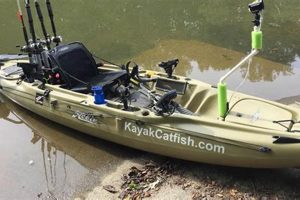
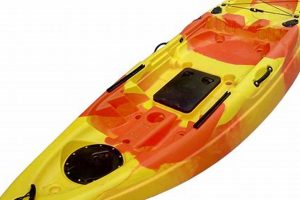
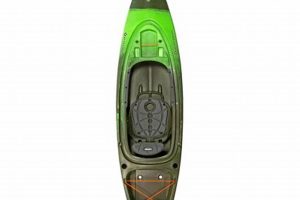
Stable kayaks, such as sit-on-tops or wide-bodied sit-in models, are recommended. Stability is crucial for casting accuracy and for managing fish in close proximity to the kayak.
Question 2: Are specialized rods and reels required?
While not strictly required, a medium-heavy to heavy-power baitcasting rod and reel combination is generally preferred for handling heavy line and managing fish in dense cover.
Question 3: What line strength is recommended?
Braided line in the 50- to 65-pound test range is often recommended for its strength and abrasion resistance, essential for extracting fish from heavy vegetation.
Question 4: What are the best times of day for frog fishing?
Early morning, late afternoon, and overcast days are often productive periods, particularly during warmer months. Low light conditions and cooler temperatures can increase fish activity in shallow areas.
Question 5: What safety precautions should be taken?
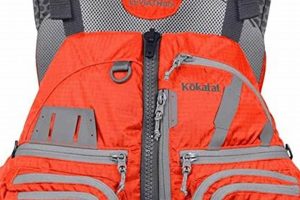
Wearing a personal flotation device (PFD) is paramount. Additionally, carrying a whistle, signaling device, and appropriate clothing for weather conditions are essential safety measures.
Question 6: What are the ethical considerations?
Handling fish carefully and minimizing their time out of water is crucial for their well-being. Properly disposing of fishing line and respecting aquatic habitats contribute to responsible angling practices.
These responses offer general guidance. Further research and adaptation to specific fishing locations can enhance angling success and promote responsible enjoyment of this specialized pursuit.
The following section offers a concluding summary of key concepts related to kayak frog fishing.
Kayak Frog Fishing
This exploration of kayak frog fishing has highlighted the synergy between angler, equipment, and environment. The stealth and maneuverability of kayaks provide unparalleled access to shallow, vegetated habitats favored by predatory fish. Utilizing lifelike frog lures, coupled with precise casting and patient retrieves, maximizes opportunities for enticing strikes. Understanding fish behavior and adapting techniques to specific conditions further enhances angling success. The convergence of these elements establishes kayak frog fishing as a specialized pursuit rewarding both skill and patience.
The future of kayak frog fishing rests on responsible angling practices. Respect for aquatic ecosystems, careful handling of fish, and adherence to ethical guidelines ensure the sustainability of this rewarding pursuit. Continued exploration of refined techniques and a deeper understanding of fish behavior promise to further enhance the effectiveness and enjoyment of kayak frog fishing for generations to come. This pursuit offers a unique connection with nature, demanding both skill and respect for the environment. Its continued success hinges on the responsible stewardship of anglers committed to preserving the delicate balance of aquatic ecosystems.