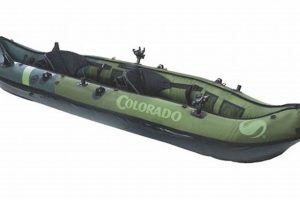
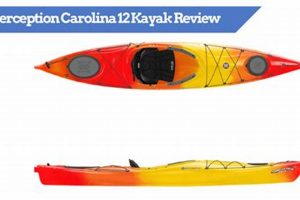
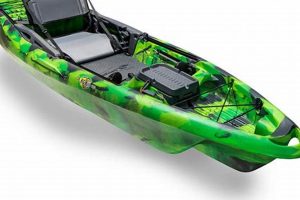
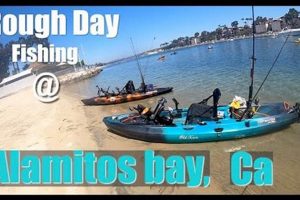
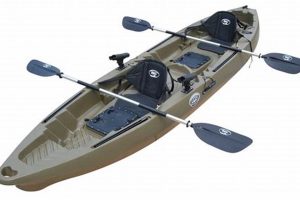
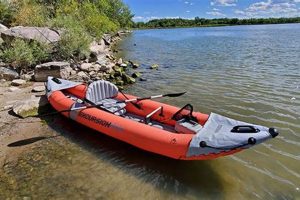
This activity involves angling from a small, human-powered watercraft in wet conditions. It combines the challenges and rewards of both kayak angling and navigating a water body during precipitation. A typical scenario might involve an angler paddling a kayak on a lake during a light drizzle, casting for bass or trout.
Angling from a kayak during a rainfall can offer unique advantages. Fish behavior often changes with shifts in weather, potentially creating more active feeding periods. Reduced light and surface disturbance from the rain can also make fish less wary. Historically, fishing has been a means of sustenance, and the ability to continue fishing despite weather changes would have been crucial for survival. This historical context underscores the resourcefulness associated with this activity.
Understanding the nuances of this practice requires exploring several key topics, including necessary safety precautions, specialized gear, and effective fishing techniques. Additionally, knowledge of weather patterns, fish behavior in the rain, and proper kayak handling is essential.
Tips for Kayak Angling in Wet Conditions
Staying safe and productive while angling from a kayak during rainfall requires preparation and awareness. The following tips offer guidance for a successful and enjoyable experience.
Tip 1: Check Weather Forecasts. Consult reliable weather sources before embarking on any kayaking trip. Be aware of potential changes in conditions, including increasing winds, lightning risks, and temperature drops.
Tip 2: Dress Appropriately. Waterproof and windproof outerwear is crucial. Layering clothing allows for adjustments to fluctuating temperatures. Consider waterproof footwear and gloves for added comfort.
Tip 3: Secure Gear. Waterproof bags and compartments protect essential items like electronics, fishing tackle, and extra clothing. Secure loose items within the kayak to prevent loss or damage.
Tip 4: Enhance Visibility. Brightly colored clothing and kayak accessories increase visibility in reduced light conditions. Consider attaching a light to the kayak, especially during early morning or late afternoon outings.
Tip 5: Adapt Fishing Techniques. Fish behavior can change during rainfall. Experiment with different lures, retrieves, and fishing locations to discover what works best in the prevailing conditions.
Tip 6: Paddle with Caution. Reduced visibility and potentially slick surfaces require careful paddling. Maintain awareness of surroundings and navigate cautiously.
Tip 7: Know Your Limits. If conditions worsen significantly, prioritize safety and head for shore. Never hesitate to cut a fishing trip short due to inclement weather.
By following these precautions, anglers can significantly improve their safety and chances of a successful outing, even when facing less-than-ideal weather. Preparation allows anglers to focus on the enjoyable aspects of the experience, maximizing the opportunity to connect with nature and pursue their passion.
Ultimately, a combination of preparation, appropriate gear, and a respect for the elements allows one to fully appreciate the unique experience of kayak angling in the rain.
1. Safety
Safety is paramount when kayak fishing in the rain. Reduced visibility, fluctuating water temperatures, and increased currents contribute to heightened risks. The potential for lightning strikes also necessitates specific precautions. Ignoring these factors can lead to serious consequences, ranging from hypothermia to capsizing and even fatalities. For example, paddling in low light without proper lighting increases the risk of collisions with other vessels or submerged objects. Similarly, failing to wear appropriate rain gear can result in hypothermia, particularly in colder climates.
Several key safety measures significantly mitigate these risks. Wearing a personal flotation device (PFD) is non-negotiable, regardless of perceived swimming ability. A reliable communication device, such as a waterproof VHF radio or a charged cell phone in a waterproof case, allows for emergency contact. Sharing float plans with someone onshore provides an additional layer of security. Regularly checking weather forecasts before and during the outing helps anticipate changing conditions. Finally, understanding self-rescue techniques and carrying appropriate safety equipment like a bilge pump and paddle float are crucial for handling unexpected situations.
Prioritizing safety transforms kayak fishing in the rain from a potentially hazardous activity into a manageable and rewarding experience. Preparation and awareness are essential components of a responsible approach. While the allure of angling in unique conditions is understandable, it should never supersede the importance of personal well-being. Ultimately, a proactive approach to safety ensures an enjoyable and incident-free outing.
2. Gear

Specialized gear plays a crucial role in safe and successful kayak fishing in the rain. Appropriate equipment addresses the specific challenges posed by wet conditions, impacting both angler comfort and the efficacy of fishing techniques. The interplay between gear choices and the overall experience warrants careful consideration. For example, waterproof and breathable outerwear protects against rain and wind while maintaining comfort. Similarly, waterproof storage solutions safeguard essential electronics, fishing tackle, and additional clothing from moisture damage, preserving their functionality and preventing loss. Proper gear selection directly influences an angler’s ability to remain focused on fishing rather than contending with discomfort or equipment malfunctions.
Specific gear choices further enhance the angling experience. Rod holders designed for kayak stability and angler accessibility allow for efficient lure retrieval and fish landing. Anchor systems adapted for various water conditions ensure the kayak remains positioned effectively despite wind and current. Fish finders with waterproof capabilities provide crucial insights into underwater structures and fish locations, even in murky water conditions caused by rainfall. These examples illustrate how specialized equipment directly contributes to angler success and safety, enhancing the overall effectiveness of the fishing experience.
Ultimately, thoughtful gear selection distinguishes a comfortable and productive outing from a potentially challenging one. Investing in reliable, purpose-built equipment specifically designed for wet conditions optimizes performance and safety. The impact of proper gear extends beyond mere convenience; it contributes directly to the angler’s ability to focus on the intricacies of fishing, maximizing the potential for success while mitigating risks associated with inclement weather. This understanding underscores the significance of gear as a critical component of successful and enjoyable kayak fishing in the rain.
3. Technique

Effective angling techniques in rainy conditions necessitate adaptation and specialized approaches. The interplay between angler skill, environmental factors, and fish behavior dictates success. Understanding these dynamics is crucial for optimizing lure presentation, maximizing hook-set ratios, and ensuring a productive outing. Modifying standard techniques to accommodate the specific challenges and opportunities presented by rainfall significantly influences fishing outcomes.
- Lure Selection and Presentation
Rain impacts water clarity and surface conditions, influencing lure effectiveness. Brightly colored or noisy lures enhance visibility and attract fish in murky water. Slower retrieves and subtle presentations often prove more effective as rain can dampen fish activity. For example, topwater lures might prove less effective in heavy rain due to reduced surface visibility, while subsurface lures, like crankbaits or jigs, may offer better results.
- Drift Control
Wind and current, often exacerbated by rain, significantly affect kayak positioning. Effective drift control is essential for maintaining desired fishing locations. Utilizing a drift sock or anchor system allows anglers to precisely target specific areas, maximizing exposure to fish-holding structures. For instance, controlling drift along a weed bed edge or near a submerged log enhances the likelihood of enticing fish.
- Line Management
Wet lines and increased drag from the rain necessitate meticulous line management. Keeping lines taut prevents tangles and ensures optimal sensitivity for detecting bites. Using line conditioners can reduce friction and improve casting performance. Efficient line control is particularly important in windy conditions to prevent excessive slack and missed strikes.
- Fish Fighting and Landing
Landing fish in a kayak requires specialized techniques, further complicated by rain and potentially slick surfaces. Maintaining balance while maneuvering a hooked fish is crucial. Using a net designed for kayak fishing aids in securely landing fish while minimizing the risk of capsizing. Practicing these techniques in calm conditions prepares anglers for the added challenges presented by rain.
Mastering these specialized techniques transforms kayak fishing in the rain from a potential struggle into a rewarding experience. Adaptability and a nuanced understanding of how fish behavior and environmental factors interact during rainfall are essential. By refining these skills, anglers can consistently achieve success and fully appreciate the unique challenges and opportunities offered by this specialized form of angling.
4. Weather

Weather plays a critical role in kayak fishing, particularly during rain. Understanding meteorological factors and their impact on both fish behavior and angler safety is essential for a successful and incident-free outing. Ignoring weather conditions can lead to hazardous situations and significantly impact fishing success. Therefore, a thorough understanding of weather dynamics is paramount.
- Precipitation
Rain intensity directly affects water clarity and surface disturbance. Light rain can enhance fishing conditions by creating low-light conditions and obscuring the angler’s presence. Heavy rain, however, can reduce visibility, increase current flow, and make fish less active. Anglers must adapt their techniques based on precipitation levels, potentially switching to subsurface lures or seeking sheltered areas during downpours. Assessing rainfall before and during the outing is crucial for effective decision-making.
- Wind
Wind significantly impacts kayak control and drift, requiring adjustments in paddling technique and anchor deployment. Strong winds can create choppy water, making it difficult to maintain position and present lures effectively. Understanding wind direction and speed is essential for choosing sheltered fishing locations or utilizing drift socks to control kayak movement. Ignoring wind conditions can lead to dangerous situations, particularly in open water.
- Temperature
Water and air temperature fluctuations influence fish metabolism and feeding patterns. Rain can rapidly cool water temperatures, impacting fish activity. Anglers should consider adjusting lure retrieval speeds and target depths based on temperature changes. Additionally, appropriate clothing is essential for maintaining angler comfort and preventing hypothermia, especially in colder climates. Awareness of temperature changes is crucial for both fishing success and personal safety.
- Barometric Pressure
Changes in barometric pressure often precede shifts in weather patterns and can influence fish behavior. Falling barometric pressure frequently indicates approaching storms and can trigger increased fish activity before the onset of rain. Understanding barometric pressure trends can help anglers anticipate changes in fishing conditions and optimize their strategies accordingly. Monitoring barometric pressure, in conjunction with other weather indicators, provides valuable insights for successful angling.
Analyzing these interconnected weather factors allows anglers to make informed decisions regarding fishing locations, techniques, and safety precautions. Adapting to changing weather conditions is crucial for maximizing fishing success while ensuring a safe and enjoyable experience. Ultimately, a thorough understanding of weather dynamics empowers anglers to navigate the complexities of kayak fishing in the rain effectively.
5. Knowledge

Possessing relevant knowledge significantly enhances safety and success in kayak fishing during rainfall. Understanding fish behavior, water dynamics, and local regulations forms a crucial foundation for informed decision-making. This knowledge base empowers anglers to adapt to changing conditions, optimize fishing techniques, and prioritize safety. For instance, awareness of how specific fish species react to changes in water temperature and turbidity allows anglers to select appropriate lures and target depths. Similarly, understanding river currents and tidal flows is crucial for maintaining kayak position and navigating safely, especially in rain-affected conditions.
Practical application of this knowledge translates directly into improved fishing outcomes. Recognizing prime fishing locations, such as areas where baitfish congregate or where submerged structures provide cover, increases the likelihood of successful catches. Familiarity with local regulations, including catch limits and permitted fishing areas, ensures compliance and contributes to responsible angling practices. Moreover, understanding how rain affects water oxygen levels informs lure selection and retrieval techniques, further maximizing fishing success. These examples illustrate the practical significance of informed decision-making based on sound knowledge of the interplay between environmental factors and fish behavior.
In conclusion, knowledge forms the bedrock of successful and safe kayak fishing in the rain. A comprehensive understanding of fish behavior, water dynamics, and local regulations empowers anglers to make informed decisions that maximize their chances of success while prioritizing safety. This knowledge base enables adaptability to changing weather conditions and promotes responsible angling practices. Ultimately, the pursuit of knowledge elevates kayak fishing in the rain from a simple activity to a nuanced and rewarding pursuit, enriching the overall experience.
Frequently Asked Questions
This section addresses common inquiries regarding kayak fishing in the rain, offering concise and informative responses to clarify potential concerns and misconceptions.
Question 1: Is it safe to kayak fish during a thunderstorm?
Angling from a kayak during a thunderstorm is highly discouraged. Kayaks offer minimal protection from lightning strikes. Seeking immediate shelter on shore is paramount if a thunderstorm develops.
Question 2: What are essential safety precautions?
Essential precautions include wearing a personal flotation device (PFD), informing someone of the planned fishing location and return time, checking weather forecasts, and carrying a communication device.
Question 3: How does rain affect fish behavior?
Rain can influence fish behavior in various ways. Changes in water temperature, turbidity, and oxygen levels can trigger increased feeding activity or cause fish to seek deeper, more stable water.
Question 4: What specialized gear is recommended?
Recommended gear includes waterproof outerwear, a bilge pump, a paddle float, waterproof storage solutions for electronics and gear, and appropriate fishing tackle for the target species and conditions.
Question 5: What techniques are effective in the rain?
Effective techniques often involve using brightly colored or noisy lures in murky water, employing slower retrieves, and focusing on areas where fish might seek shelter or increased food sources.
Question 6: How does one choose appropriate clothing?
Clothing should be waterproof, windproof, and layered for adaptability to changing temperatures. Waterproof footwear and gloves enhance comfort and dexterity.
Prioritizing safety, understanding fish behavior, and utilizing appropriate gear and techniques contribute significantly to a successful and enjoyable experience while kayak fishing in the rain. Informed preparation is key.
Beyond these frequently asked questions, further exploration of specific techniques and safety considerations can enhance angling prowess and ensure responsible enjoyment of this specialized activity.
Kayak Fishing in the Rain
This exploration of kayak fishing in the rain has highlighted the multifaceted nature of this activity. Key considerations include safety protocols, specialized gear selection, adaptive fishing techniques, weather awareness, and a foundational understanding of fish behavior and aquatic environments. Each element contributes significantly to a successful and safe experience. Preparation and informed decision-making are crucial for mitigating risks and maximizing angling opportunities presented by unique rain-influenced conditions.
Ultimately, kayak fishing in the rain offers a distinct angling experience. Respect for the power of nature, combined with meticulous preparation and a commitment to continuous learning, allows anglers to appreciate the challenges and rewards inherent in this specialized pursuit. The confluence of skill, knowledge, and respect for the environment defines the essence of successful and responsible kayak fishing in the rain.