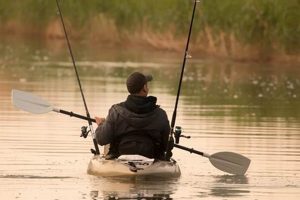
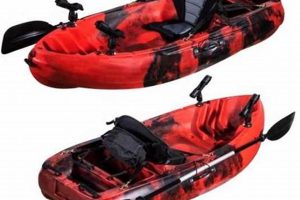
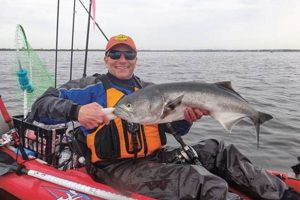
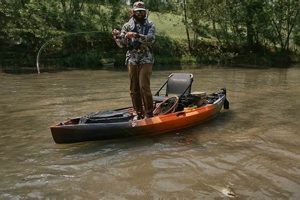
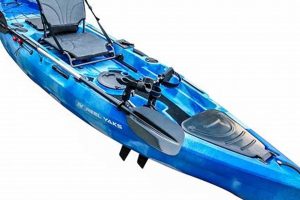
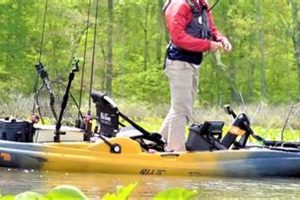
A twelve-foot vessel designed for angling offers stability and maneuverability on the water. This size is generally considered suitable for a variety of fishing environments, from calm lakes and ponds to slower-moving rivers. These crafts often feature specialized amenities like rod holders, storage compartments for tackle, and comfortable seating designed for extended periods on the water.
The popularity of this size vessel stems from its balance of performance and portability. Longer kayaks track better and offer more storage, while shorter ones are easier to transport and maneuver in tight spaces. Twelve feet represents a compromise that allows anglers reasonable speed and carrying capacity without sacrificing ease of handling and transport. The evolution of kayak design and materials has contributed to the increasing popularity of fishing-specific models, offering improved comfort and functionality for anglers.
This discussion will further explore the specific features, advantages, and considerations relevant to selecting and utilizing a fishing kayak of this size, including hull design, materials, propulsion options, and essential accessories.
Tips for Selecting and Using a 12-Foot Fishing Kayak
Choosing and utilizing a fishing kayak requires careful consideration of various factors to ensure optimal performance, safety, and enjoyment on the water. The following tips offer guidance for maximizing the fishing experience with a 12-foot vessel.
Tip 1: Consider Hull Design: Different hull designs (e.g., pontoon, sit-on-top, sit-in) offer varying levels of stability, speed, and maneuverability. Flat hulls offer greater stability, while V-shaped hulls track better in open water. Selecting the appropriate hull type depends on the intended fishing environment.
Tip 2: Evaluate Weight Capacity: Ensure the kayak’s weight capacity accommodates the angler’s weight, plus gear, and any potential catch. Exceeding the capacity can compromise stability and safety.
Tip 3: Choose Suitable Propulsion: Paddle propulsion offers excellent exercise and control, while pedal-powered kayaks allow hands-free fishing. Consider personal preferences and fishing styles when selecting a propulsion method.
Tip 4: Prioritize Comfort and Ergonomics: A comfortable seat and adjustable footrests are essential for extended periods on the water. Ensure the kayak’s cockpit provides ample space and allows for easy entry and exit.
Tip 5: Invest in Essential Accessories: Rod holders, anchor systems, and dry storage compartments are essential accessories for enhancing fishing functionality and organization. A personal flotation device (PFD) is crucial for safety.
Tip 6: Practice Paddling and Maneuvering: Before venturing into open water, practice basic paddling strokes and maneuvering techniques in a calm, controlled environment. This builds confidence and ensures safe handling of the vessel.
Tip 7: Understand Water Conditions and Safety Regulations: Be aware of weather forecasts, water currents, and local boating regulations before each trip. Carry essential safety equipment, including a whistle, signaling device, and first-aid kit.
Tip 8: Respect Wildlife and the Environment: Practice Leave No Trace principles by packing out all trash and minimizing disturbance to natural habitats.
By following these guidelines, anglers can enhance their on-the-water experience, ensuring safety, comfort, and successful fishing excursions.
This information provides a foundation for making informed decisions regarding selecting and using a 12-foot fishing kayak. Further research into specific models and features will refine the selection process and contribute to a rewarding angling experience.
1. Stability

Stability is a paramount concern for anglers using a 12-foot fishing kayak. A stable platform allows for comfortable casting, reeling, and landing fish without the constant fear of capsizing. This sense of security is crucial for maximizing fishing effectiveness and overall enjoyment on the water. Several factors contribute to kayak stability, each impacting angler perception and performance.
- Hull Design:
Wider, flatter hulls generally provide greater initial stability, making them suitable for calmer waters and stand-up fishing. Pontoon hulls offer exceptional stability, while V-shaped hulls sacrifice some initial stability for improved tracking and speed in open water. Anglers often perceive wider hulls as more secure, especially in challenging conditions or when standing to cast.
- Center of Gravity:
A lower center of gravity contributes significantly to stability. Kayak design, seat position, and weight distribution within the vessel influence the center of gravity. Proper weight distribution and a low seating position enhance stability and create a perception of increased control, particularly during movement or when encountering waves or wakes.
- Kayak Width and Length:
Wider kayaks generally offer more stability than narrower ones, while longer kayaks tend to track better in a straight line. A 12-foot length offers a balance between stability and maneuverability, making it suitable for a variety of fishing environments. Anglers often perceive shorter, wider kayaks as more stable, while longer, narrower kayaks may feel more tippy, especially for beginners.
- Water Conditions:
Calm water conditions naturally enhance stability, whereas wind, waves, and currents can create instability. Angler perception of stability can shift dramatically based on changing water conditions. A kayak perceived as stable on a calm lake may feel less secure in choppy waters or strong currents.
Understanding the interplay of these factors enhances angler appreciation for the importance of stability. A stable kayak not only improves fishing performance but also contributes to a heightened sense of confidence and safety on the water, fostering a more positive and enjoyable fishing experience.
2. Maneuverability

Maneuverability is a critical aspect of fishing kayak performance, directly influencing an angler’s ability to navigate various water conditions and access desired fishing locations. A highly maneuverable 12-foot kayak allows for precise adjustments in position, crucial for navigating tight spots, approaching fish-holding areas stealthily, and responding effectively to changing currents or wind. This responsiveness translates to increased fishing opportunities and overall angling success.
Several factors impact the maneuverability of a 12-foot fishing kayak. Hull design plays a significant role, with shorter, flatter hulls generally offering greater maneuverability than longer, V-shaped hulls. The latter, while offering better tracking in open water, may require more effort to turn quickly or navigate confined spaces. Kayak width also influences maneuverability; narrower kayaks tend to turn more easily, while wider kayaks provide increased stability but may be less agile. The type of propulsion system further affects maneuverability. Paddle propulsion offers immediate and precise control, while pedal drives, though allowing hands-free fishing, can sometimes limit maneuverability in tight quarters. For example, navigating through dense vegetation or around submerged obstacles often favors the nuanced control afforded by a paddle.
The practical significance of maneuverability in a 12-foot fishing kayak becomes evident in diverse fishing scenarios. In river environments, navigating around bends, fallen trees, and shallow areas requires a highly maneuverable vessel. Similarly, in lakes or ponds, accessing secluded coves or approaching weed beds without spooking fish demands precise control. Furthermore, the ability to quickly reposition the kayak to follow schooling fish or adjust to changing wind conditions can significantly impact fishing success. The overall perception of a 12-foot fishing kayak as a versatile and effective fishing platform depends heavily on its maneuverability, making it a crucial factor for anglers to consider.
3. Comfort
Comfort significantly influences the overall perception and enjoyment of a 12-foot fishing kayak. Extended periods on the water, often inherent in fishing excursions, necessitate a comfortable seating arrangement and ample space for movement. Discomfort can detract from the fishing experience, leading to fatigue, reduced focus, and a diminished appreciation for the surrounding environment. Several factors contribute to comfort levels in these kayaks, directly impacting angler perception and satisfaction. Seat design, including cushioning, back support, and adjustability, plays a crucial role. A well-designed seat mitigates fatigue and allows anglers to maintain focus on fishing, rather than physical discomfort. Furthermore, adequate legroom and foot support contribute to overall comfort, especially during long paddling sessions. Kayak width and cockpit design also influence comfort; a spacious cockpit allows for easier entry and exit and provides room for gear and movement.
The practical implications of comfort in a 12-foot fishing kayak become evident during extended fishing trips. A comfortable angler can maintain focus and effectively fish for longer durations, increasing the likelihood of success. Moreover, comfort enhances the overall enjoyment of the experience, promoting relaxation and appreciation for the natural surroundings. For instance, an angler experiencing back pain due to a poorly designed seat will likely have a less enjoyable and less productive fishing trip compared to an angler comfortably seated. Similarly, cramped legroom can lead to discomfort and stiffness, hindering movement and casting ability. Conversely, a comfortable and well-designed kayak promotes a positive perception of the fishing experience, encouraging longer outings and fostering a deeper connection with the sport.
In summary, comfort is not merely a desirable feature in a 12-foot fishing kayak; it is a crucial element impacting overall perception, enjoyment, and fishing effectiveness. Prioritizing comfort features, such as ergonomic seating, ample legroom, and a well-designed cockpit, significantly enhances the angling experience, contributing to longer, more productive, and more enjoyable outings on the water. Neglecting comfort can lead to fatigue, discomfort, and a diminished appreciation for the sport. Understanding the importance of comfort ultimately empowers anglers to make informed decisions when selecting a kayak, prioritizing features that contribute to a positive and fulfilling fishing experience.
4. Durability
Durability is a critical factor influencing the long-term value and overall perception of a 12-foot fishing kayak. Kayaks endure considerable stress from UV exposure, water immersion, impacts with rocks or other obstacles, and the general wear and tear of transport and storage. A durable kayak maintains its structural integrity and functionality over time, providing a reliable platform for fishing excursions and minimizing the need for repairs or replacement. This directly impacts user satisfaction and the perceived return on investment.
- Material Selection:
The choice of construction material significantly impacts kayak durability. High-density polyethylene (HDPE) is a common material known for its impact resistance and affordability. Higher-end kayaks may utilize more durable, lightweight materials like cross-linked polyethylene or thermoformed composites. These materials offer enhanced resistance to abrasion, UV degradation, and impact damage, contributing to a longer lifespan and a perception of higher quality. For example, a kayak constructed from a UV-resistant material will maintain its color and structural integrity longer than one made from a less resistant material, even with prolonged sun exposure.
- Construction Quality:
Manufacturing processes and construction techniques significantly influence durability. Well-constructed kayaks feature robust seams, reinforced stress points, and quality hardware. These details contribute to a more resilient structure capable of withstanding the rigors of regular use. Poorly constructed kayaks, conversely, may exhibit premature wear and tear, leading to leaks, cracks, or hardware failures, negatively impacting user perception and requiring costly repairs. Examining weld quality and hardware robustness provides insights into the kayak’s overall durability.
- Maintenance and Care:
Proper maintenance and care contribute significantly to kayak longevity. Regular cleaning, UV protection, and appropriate storage practices minimize wear and tear. Storing a kayak out of direct sunlight and properly rinsing it after each use helps prevent material degradation and maintain its appearance. Diligent maintenance reinforces the perception of durability and contributes to a longer lifespan. For example, regularly applying a UV protectant spray can prevent fading and cracking caused by sun exposure, preserving the kayak’s appearance and structural integrity.
- Impact Resistance:
Fishing kayaks often encounter impacts with rocks, logs, or other submerged objects. A durable kayak withstands these impacts without sustaining significant damage. Impact resistance depends on material properties and hull design. Thicker hulls and impact-resistant materials contribute to a kayak’s ability to withstand collisions, maintaining its structural integrity and user safety. A kayak demonstrating resilience against minor impacts reinforces the perception of durability and reliability in challenging environments.
Durability directly impacts the long-term usability and perceived value of a 12-foot fishing kayak. A durable kayak withstands the rigors of regular use, minimizing the need for repairs and maximizing time on the water. This resilience contributes to a positive user experience and reinforces the perception of a worthwhile investment, making durability a key consideration for anglers seeking a reliable and long-lasting fishing platform.
5. Storage Capacity

Storage capacity significantly influences the practicality and perceived utility of a 12-foot fishing kayak. Anglers carry various essential items, including tackle boxes, rods, reels, safety gear, and personal belongings. Adequate storage ensures these items remain organized, accessible, and protected from the elements, contributing to a more efficient and enjoyable fishing experience. Insufficient storage can lead to clutter, difficulty locating essential gear, and potential damage to equipment from water exposure or impacts, negatively impacting angler perception and overall fishing success.
- Types of Storage:
Fishing kayaks offer various storage solutions, including dedicated compartments, hatches, bungee cords, and tank wells. Each type caters to specific storage needs. Dedicated compartments, often sealed or waterproof, protect sensitive items like electronics or wallets. Hatches provide access to larger storage areas for bulkier items like tackle boxes or extra clothing. Bungee cords secure items on deck for quick access, while tank wells accommodate larger items like coolers or livewells. The variety and configuration of storage options directly impact the kayak’s perceived organization and practicality.
- Storage Accessibility:
Easy access to stored gear is crucial for maintaining fishing efficiency and minimizing disruption. Well-placed hatches and compartments allow anglers to retrieve items quickly and easily without compromising stability or balance. Difficult-to-reach storage areas can lead to frustration and wasted time, negatively impacting the fishing experience. For example, a readily accessible storage compartment for frequently used lures or tools enhances fishing efficiency compared to a compartment requiring awkward reaching or maneuvering.
- Capacity and Weight Distribution:
Sufficient storage capacity is essential for accommodating all necessary gear for a given fishing trip. Overpacking can compromise stability and performance, while inadequate capacity limits the duration and scope of fishing excursions. Proper weight distribution within storage compartments also contributes to kayak balance and stability. Evenly distributing weight throughout the kayak optimizes performance and enhances safety. For instance, concentrating heavy items at one end of the kayak can negatively impact tracking and stability, whereas distributing weight evenly improves handling and maneuverability.
- Storage Security:
Protecting gear from water damage and loss is paramount. Waterproof hatches and compartments safeguard sensitive items from rain, splashes, and accidental submersion. Secure closures and tie-down points prevent gear from shifting or getting lost during transport or rough water conditions. For example, a securely latched hatch protects electronic devices and other valuables from water damage, enhancing angler peace of mind and preventing costly replacements. Similarly, bungee cords secure rods and paddles, minimizing the risk of loss during transport or unexpected movements on the water.
Adequate and well-designed storage contributes significantly to the positive perception and practical utility of a 12-foot fishing kayak. Ample storage space, secure compartments, and easy accessibility enhance fishing efficiency, organization, and overall enjoyment. By considering storage needs and prioritizing kayaks with well-designed storage solutions, anglers optimize their on-the-water experience, enhancing both performance and enjoyment.
6. Fishing Features

Specialized fishing features distinguish a 12-foot fishing kayak from recreational models, directly influencing angler perception of its utility and effectiveness. These features enhance fishing performance, organization, and overall enjoyment on the water. Rod holders, strategically placed and designed to accommodate various rod types, allow anglers to keep multiple lines in the water or readily accessible while paddling or maneuvering. Tackle storage compartments, often integrated within the kayak’s design, provide organized storage for lures, hooks, and other essential fishing gear, eliminating clutter and facilitating quick access to necessary items. These compartments may feature specialized organizers or dividers, further enhancing organization and efficiency. For example, a well-designed tackle storage system allows anglers to quickly switch lures or rigs without disrupting their fishing flow, while dedicated compartments for leader lines or hooks prevent tangling and wasted time.
Further enhancing fishing functionality, many 12-foot fishing kayaks incorporate features like anchor trolleys, allowing controlled drift fishing and precise positioning in desired locations. These systems enable anglers to adjust anchor position easily, optimizing presentation and maintaining ideal depth or proximity to structure. Additionally, integrated fish finders and transducer mounts facilitate electronic fish location and depth sounding, providing valuable information for anglers seeking specific species or underwater features. Furthermore, features like livewells or bait tanks allow anglers to keep live bait fresh and readily available, enhancing fishing success. For example, a livewell with an aerator ensures baitfish remain lively and appealing to target species, increasing the chances of a successful catch. The presence and quality of these specialized features directly impact angler perception of the kayak’s fishing-specific capabilities and its suitability for targeted fishing applications.
The practical significance of fishing-specific features becomes evident in the enhanced efficiency and enjoyment they bring to the angling experience. A well-equipped 12-foot fishing kayak facilitates organized tackle management, efficient rod handling, and strategic positioning, allowing anglers to focus on fishing rather than logistical challenges. The availability and effective integration of these features influence purchase decisions and contribute significantly to the overall perception of a kayak as a dedicated and effective fishing platform. While a basic recreational kayak may suffice for casual fishing, the specialized features of a dedicated fishing kayak enhance performance and contribute to a more productive and enjoyable experience on the water. The perceived value of a 12-foot fishing kayak, therefore, depends heavily on the presence, quality, and thoughtful integration of these fishing-specific features.
7. Brand Reputation (Perception)

Brand reputation significantly influences consumer perception and purchasing decisions related to 12-foot fishing kayaks. “Perception,” in this context, refers to the overall image and perceived value of a specific kayak brand, shaped by factors such as product quality, performance, customer service, and marketing efforts. A strong brand reputation fosters trust and confidence, influencing potential buyers to view specific kayak models favorably, even before personal experience. This pre-existing perception can significantly impact purchasing behavior and overall satisfaction with the product.
- Quality and Durability:
A brand known for producing high-quality, durable kayaks cultivates a positive reputation, influencing consumer perception of reliability and longevity. This association with quality may justify a higher price point in the minds of consumers willing to invest in a product they believe will withstand the rigors of regular use. Conversely, a brand associated with frequent quality control issues or premature product failure develops a negative reputation, potentially deterring potential buyers, regardless of price.
- Performance and Innovation:
Brands recognized for innovative designs, superior performance characteristics, and features catering to specific angler needs often garner positive reputations within the fishing community. This perceived performance advantage can significantly influence purchase decisions, particularly among experienced anglers seeking specialized features or optimized performance in specific fishing environments. Brands consistently pushing the boundaries of kayak design and technology often cultivate a loyal following of anglers who value innovation and performance.
- Customer Service and Support:
Responsive and effective customer service contributes significantly to brand reputation. Brands known for addressing customer concerns promptly and efficiently cultivate a positive image, fostering trust and loyalty. Conversely, poor customer service experiences, such as difficulty obtaining warranty support or unresponsive communication, can damage brand reputation and deter potential buyers. Positive customer reviews and testimonials often highlight exceptional customer service experiences, further reinforcing a brand’s positive reputation.
- Marketing and Brand Image:
Strategic marketing efforts, including targeted advertising, sponsorships, and social media engagement, shape brand image and influence consumer perception. Brands effectively communicating their values, product benefits, and commitment to customer satisfaction cultivate a positive reputation and build strong brand recognition. Authentic and engaging marketing campaigns resonate with target audiences, fostering a sense of community and reinforcing positive brand perception. For instance, sponsoring fishing tournaments or partnering with respected anglers can enhance brand credibility and visibility within the fishing community.
Brand reputation, therefore, plays a crucial role in shaping consumer perception of 12-foot fishing kayaks. A strong, positive reputation, built on a foundation of quality, performance, customer service, and effective marketing, influences purchasing decisions, fosters brand loyalty, and ultimately contributes to overall customer satisfaction. Understanding the influence of brand reputation empowers consumers to make informed purchasing decisions, aligning their expectations with the perceived value and performance associated with specific kayak brands.
Frequently Asked Questions
This section addresses common inquiries regarding 12-foot fishing kayaks, providing concise and informative responses to facilitate informed decision-making.
Question 1: What are the advantages of a 12-foot length for fishing kayaks?
A 12-foot length offers a balance of stability, maneuverability, and tracking performance, making it suitable for various fishing environments. This size typically provides ample storage for gear and offers sufficient speed for covering moderate distances.
Question 2: How does the hull design impact the performance of a 12-foot fishing kayak?
Hull design significantly influences stability, speed, and maneuverability. Wider, flatter hulls offer greater stability, while narrower, V-shaped hulls enhance tracking and speed in open water. Anglers should select a hull design based on their intended fishing environment and preferences.
Question 3: What weight capacity should one consider when selecting a 12-foot fishing kayak?
Weight capacity should accommodate the angler’s weight, all fishing gear, and any potential catch. Exceeding the specified weight capacity compromises stability and safety. Careful consideration of anticipated load is crucial for optimal performance and safety.
Question 4: What are the primary propulsion options for 12-foot fishing kayaks, and how do they compare?
Paddle propulsion offers excellent exercise and precise control. Pedal-powered kayaks provide hands-free fishing, though they can sometimes limit maneuverability in tight spaces. Electric motors offer speed and range but require battery management. The optimal propulsion method depends on individual preferences, fishing style, and target environment.
Question 5: What essential features should one look for in a 12-foot fishing kayak?
Essential features include rod holders, tackle storage compartments, comfortable seating, adjustable footrests, and a stable hull design. Additional features like anchor trolleys, livewells, and integrated fish finder mounts enhance fishing functionality and convenience.
Question 6: What safety precautions should be taken when using a 12-foot fishing kayak?
Always wear a personal flotation device (PFD), check weather conditions before embarking, and inform someone of your fishing plans. Carry essential safety equipment, including a whistle, signaling device, and first-aid kit. Understanding basic paddling techniques and self-rescue procedures enhances safety on the water.
Careful consideration of these frequently asked questions empowers potential buyers to make informed decisions, selecting a 12-foot fishing kayak that aligns with individual needs, preferences, and fishing objectives. Further research into specific models and features is recommended to refine the selection process and ensure a rewarding on-the-water experience.
The following sections will delve deeper into specific aspects of 12-foot fishing kayak selection, usage, and maintenance, providing comprehensive guidance for optimizing fishing performance and enjoyment.
Conclusion
Analysis of the 12-foot fishing kayak requires careful consideration of multiple factors influencing user experience. Stability, maneuverability, comfort, durability, storage capacity, specialized fishing features, and brand reputation collectively shape individual perceptions of these vessels. Each element contributes to the overall assessment of a kayak’s suitability for angling pursuits. Understanding the interplay of these factors allows for informed decision-making, aligning kayak selection with specific angler needs and fishing styles.
The enduring popularity of the 12-foot fishing kayak reflects its versatility and adaptability to diverse fishing environments. Continued advancements in kayak design and technology promise further enhancements in performance, comfort, and fishing-specific functionality. Thorough research and careful consideration of individual needs remain essential for maximizing the benefits and enjoyment derived from these versatile fishing platforms.