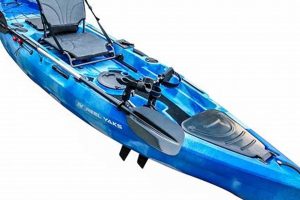
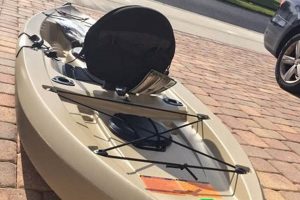
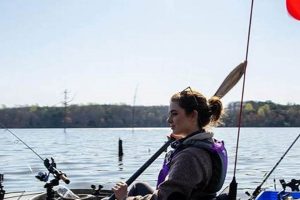
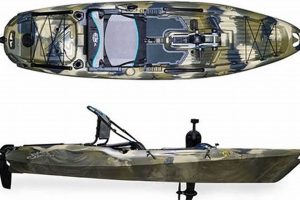
Elevated angling platforms offer a unique blend of stability and mobility specifically designed for casting lines and reeling in catches from waterways. These specialized watercraft grant anglers an expanded field of vision for spotting fish and navigating shallow waters, compared to traditional seated kayaks. Picture a stable platform allowing for easy movement and casting while maintaining balance in various water conditions – this illustrates the core functionality.
The evolution of these specialized vessels provides anglers with significant advantages, improving both the fishing experience and catch potential. The enhanced vantage point facilitates sight fishing and accurate casting, while the freedom of movement allows anglers to easily change fishing locations and access hard-to-reach spots. This mobility coupled with stability presents a significant improvement over traditional fishing kayaks or shore-based angling, especially in calm waters and shallow areas. The increasing popularity reflects the growing recognition of these advantages within the fishing community.
This exploration of elevated fishing platforms will delve into key aspects such as design variations, material selection, stability considerations, propulsion methods, essential accessories, and recommended fishing techniques. Subsequent sections will provide further details on each of these topics.
Tips for Elevated Kayak Angling
Maximizing success with elevated fishing kayaks requires careful consideration of several key factors. These tips provide valuable insights for both novice and experienced anglers looking to optimize their experience.
Tip 1: Prioritize Stability: Selecting a vessel with ample stability is paramount, especially for beginners. Wider platforms generally offer increased stability. Testing stability before purchase is highly recommended.
Tip 2: Choose Appropriate Paddles: Longer paddles are crucial for efficient propulsion while standing. Adjustable-length paddles offer versatility for various water conditions and fishing techniques.
Tip 3: Utilize an Anchor System: An effective anchor system allows anglers to maintain position in desired fishing locations, especially in currents or windy conditions. Anchor trolleys offer additional control and precision.
Tip 4: Wear a Personal Flotation Device (PFD): Safety remains paramount. A properly fitted PFD is essential equipment for all anglers, regardless of experience level.
Tip 5: Distribute Weight Evenly: Even weight distribution enhances stability. Gear should be strategically positioned to maintain balance and prevent tipping.
Tip 6: Practice Casting Techniques: Casting while standing requires practice and adaptation. Practicing on land before venturing onto the water can significantly improve accuracy and efficiency.
Tip 7: Consider Propulsion Options: Pedal-driven systems offer hands-free fishing and enhanced maneuverability, proving advantageous in certain fishing scenarios.
Tip 8: Respect Local Regulations: Adhering to local fishing regulations and waterway guidelines ensures a safe and responsible angling experience.
By implementing these strategies, anglers can enhance their safety, improve fishing performance, and maximize enjoyment while utilizing elevated fishing kayaks.
These practical tips offer a foundation for successful elevated kayak angling. The following section will provide a concluding overview of the key benefits and considerations discussed throughout this article.
1. Stability

Stability forms the cornerstone of successful angling from elevated platforms. Without a secure and balanced stance, casting, reeling, and landing fish becomes challenging, potentially compromising safety. Understanding the factors influencing stability is crucial for anglers seeking optimal performance and a secure fishing experience.
- Hull Design
Hull design significantly influences stability. Wider hulls generally provide greater initial stability, resisting tipping. However, they may sacrifice maneuverability. Longer hulls tend to track straighter but can be less responsive to turning. Specialized hull designs, such as pontoon-style hulls, maximize stability but may be less suitable for navigating swift currents or challenging conditions. Evaluating the trade-offs between stability and maneuverability based on intended fishing locations is essential.
- Weight Distribution
Proper weight distribution plays a crucial role in maintaining balance. Evenly distributing gear and equipment across the platform minimizes the risk of tipping. Centering weight low within the hull enhances stability. Adjusting weight distribution while fishing, especially when landing larger fish, requires careful consideration and practice.
- Water Conditions
Calm water conditions generally provide a more stable fishing experience. Wind, waves, and currents can significantly impact stability, requiring increased vigilance and adjustment in body position and weight distribution. Understanding how different water conditions affect stability is vital for safe and effective elevated angling.
- Angler Experience
Experience significantly influences stability. Novice anglers may require platforms with greater inherent stability. Practicing balance and movement on the platform in calm conditions builds confidence and improves stability over time. Experienced anglers can often manage less stable platforms effectively, prioritizing maneuverability or speed.
Considering these interconnected factorshull design, weight distribution, water conditions, and angler experienceallows informed decisions regarding platform selection and utilization. Prioritizing stability ensures a secure foundation for successful and enjoyable elevated fishing experiences, allowing anglers to focus on the art of angling rather than maintaining balance.
2. Maneuverability

Maneuverability represents a critical performance attribute in elevated fishing platforms, directly influencing angling effectiveness and overall experience. The ability to precisely position the vessel, navigate complex waterways, and respond efficiently to changing conditions significantly impacts fishing success. Restricted maneuverability limits access to prime fishing locations, hinders response to fish movement, and complicates navigation in challenging environments like shallows, vegetated areas, and swift currents.
Several factors influence maneuverability. Hull design plays a pivotal role; shorter hulls generally offer enhanced turning responsiveness, while longer hulls excel in tracking straight lines. Fin placement and configuration further affect turning radius and directional stability. Water conditions also significantly impact maneuverability; strong currents or winds can challenge even the most maneuverable designs. Propulsion systems represent another key factor; paddle propulsion allows for precise control and maneuverability in tight spaces, while pedal-driven systems offer advantages in open water or when hands-free operation is desired.
Consider a scenario where an angler encounters a school of fish actively feeding near a submerged structure. A highly maneuverable platform enables quick and precise positioning to capitalize on the opportunity. Conversely, a less maneuverable vessel might struggle to reach the desired location effectively, resulting in missed opportunities. Similarly, navigating narrow channels or shallow backwaters necessitates nimble handling, highlighting the practical significance of maneuverability in diverse fishing environments. Understanding these factors empowers anglers to select and utilize elevated fishing platforms suited to specific needs and target locations.
3. Visibility

Elevated sightlines inherent to these specialized fishing kayaks offer a distinct advantage. Enhanced visibility expands the angler’s field of view, enabling improved observation of both surface and subsurface activity. This heightened perspective allows for more effective spotting of fish, particularly in clear, shallow waters, and facilitates identification of subtle feeding behaviors or structure-oriented fish. Consequently, anglers gain a crucial edge in strategically positioning themselves for optimal casting and presentation.
Consider a scenario where fish are holding near a partially submerged log. From a traditional seated kayak, the angler’s view might be obstructed by the water’s surface or intervening vegetation. However, the elevated vantage point of a specialized platform provides a clear sightline to the target area, enabling precise cast placement near the structure. This enhanced visibility directly translates into increased fishing success by improving target acquisition and presentation accuracy. Furthermore, improved visibility enhances overall situational awareness, allowing anglers to navigate safely and efficiently through complex waterways, avoid hazards, and locate promising fishing areas.
The practical significance of enhanced visibility in elevated fishing kayaks cannot be overstated. It directly contributes to improved catch rates by facilitating more effective fish spotting, casting accuracy, and strategic positioning. While other factors like water clarity and ambient light conditions also influence visibility, the inherent advantage provided by the elevated perspective remains a key differentiator for these specialized platforms. This understanding underscores the importance of visibility as a critical performance characteristic influencing the overall effectiveness and enjoyment of elevated fishing experiences.
4. Accessibility
Accessibility, in the context of elevated fishing platforms, refers to the ability to reach fishing grounds otherwise difficult or impossible to access by traditional means. This enhanced access expands angling opportunities significantly, opening doors to secluded waters, shallow areas, and upstream stretches often beyond the reach of conventional boats or shore-based fishing. Specialized watercraft designed for elevated angling often possess shallow drafts and enhanced maneuverability, enabling navigation through tight channels, over submerged obstacles, and into areas where deeper-hulled vessels cannot venture. Consequently, anglers gain access to pristine environments teeming with fish, undisturbed by conventional fishing pressure.
Consider a shallow, weedy flat teeming with game fish. Larger boats are often restricted by their draft, while wading may be impractical or prohibited. Elevated fishing platforms, with their shallow drafts and specialized propulsion systems, grant access to these productive fishing grounds. This enhanced accessibility unlocks opportunities to target species otherwise unreachable, expanding angling possibilities and increasing the likelihood of successful outings. Furthermore, specialized platforms often facilitate closer approaches to structures like overhanging trees or submerged logs, where fish frequently congregate. This proximity advantage enhances presentation accuracy and increases the chances of enticing a strike.
The practical significance of accessibility within elevated angling directly correlates with expanded fishing opportunities and increased catch potential. By enabling access to previously inaccessible waters and prime fishing locations, these specialized platforms empower anglers to explore new environments and target specific species in their preferred habitats. Understanding the connection between accessibility and successful elevated angling underscores the value of these specialized craft in maximizing angling potential and enhancing the overall fishing experience.
5. Customization

Customization plays a crucial role in optimizing elevated fishing platforms for individual angling styles and target species. Modifying these platforms through the addition of specialized accessories and equipment enhances functionality, improves fishing effectiveness, and increases overall comfort and enjoyment. The ability to tailor the platform to specific needs represents a significant advantage, allowing anglers to create highly personalized fishing machines perfectly suited to their preferred techniques and target environments.
Consider the diverse range of customization options available. Rod holders, strategically placed for easy access and efficient rod management, significantly improve angling efficiency. Fish finders, mounted for optimal viewing, provide crucial underwater insights, aiding in locating fish and identifying promising structures. Storage solutions, designed to secure tackle, gear, and personal items, keep the platform organized and clutter-free, enhancing both safety and efficiency. Further customization might include specialized lighting for night fishing, anchor trolleys for precise positioning, and even camera mounts for documenting memorable catches. Each addition enhances the platform’s functionality and caters to individual angler preferences. For example, a bass angler might prioritize rod holders and a fish finder, while a fly fisherman might focus on stripping baskets and line management systems.
The practical significance of customization in elevated fishing platforms lies in its ability to transform a standard platform into a highly personalized and effective fishing tool. By tailoring the platform to specific needs and preferences, anglers enhance their fishing experience, maximize efficiency, and improve their chances of success. This understanding underscores the value of customization as a key factor contributing to the growing popularity and effectiveness of elevated fishing kayaks. While the specific customization choices will vary based on individual angling styles and target species, the ability to personalize the platform remains a crucial aspect of maximizing its potential. This adaptability ensures that elevated fishing kayaks can be tailored to meet the unique demands of diverse fishing environments and techniques.
Frequently Asked Questions
This section addresses common inquiries regarding elevated fishing platforms, providing concise and informative responses to clarify key aspects and dispel potential misconceptions.
Question 1: What are the primary advantages of elevated fishing platforms compared to traditional kayaks?
Elevated platforms offer enhanced visibility for spotting fish and improved casting angles. The standing position facilitates easier casting and maneuverability, particularly in shallow waters.
Question 2: Are elevated fishing platforms suitable for beginners?
While stability varies between models, many elevated platforms are designed with stability in mind, making them accessible to beginners. Practicing in calm water is recommended before venturing into more challenging conditions.
Question 3: What factors should be considered when choosing an elevated fishing platform?
Key considerations include stability, hull design, weight capacity, storage options, propulsion system (paddle or pedal), and intended fishing environment (calm lakes, rivers, or coastal waters).
Question 4: What safety precautions should be taken when using elevated fishing platforms?
Always wear a personal flotation device (PFD). Distribute weight evenly on the platform. Avoid sudden movements or leaning excessively. Be mindful of water conditions and potential hazards.
Question 5: What essential accessories enhance the elevated fishing experience?
Essential accessories include rod holders, a fish finder, an anchor system, appropriate fishing tackle, and dry storage for personal items. Additional accessories, like a cooler or camera mount, further enhance the experience based on individual preferences.
Question 6: How does one maintain and care for an elevated fishing platform?
Regular rinsing with fresh water after each use helps prevent corrosion and damage from saltwater or debris. Proper storage in a protected environment, away from direct sunlight and extreme temperatures, prolongs the platform’s lifespan.
Understanding these key aspects of elevated fishing platforms equips individuals with the knowledge to make informed decisions regarding platform selection, safe operation, and effective utilization.
The subsequent section will delve into specific product recommendations and comparisons to further assist in the selection process.
Stand Up Kayak for Fishing
This exploration of specialized elevated fishing kayaks has highlighted their unique advantages within the angling community. From enhanced visibility and maneuverability to improved accessibility and customization options, these platforms offer significant benefits for anglers seeking to maximize their fishing experience. The analysis of stability considerations, propulsion methods, and essential accessories underscored the importance of informed decision-making when selecting and utilizing these specialized craft. Addressing frequently asked questions provided further clarity on key aspects, dispelling potential misconceptions and empowering informed choices.
The evolution of fishing kayak design continues to refine the angling experience, enhancing both efficiency and enjoyment. As technology advances and design innovations emerge, elevated fishing platforms hold a prominent position within the future of angling. Careful consideration of individual needs and preferences, combined with an understanding of the key principles outlined herein, will empower anglers to harness the full potential of these specialized watercraft and elevate their fishing pursuits to new heights.